
Welcome to Modern Agriculture!

Gardeners who just can’t get enough of the fire of a capsaicin-rich pepper are always on the lookout as to how to grow hotter peppers. Heat can be a tricky thing when it comes to peppers, especially when you realize that the heat of individual fruits that grow on the same plant can vary widely! But there are some tricks and techniques that can help peppers fulfill their potential.
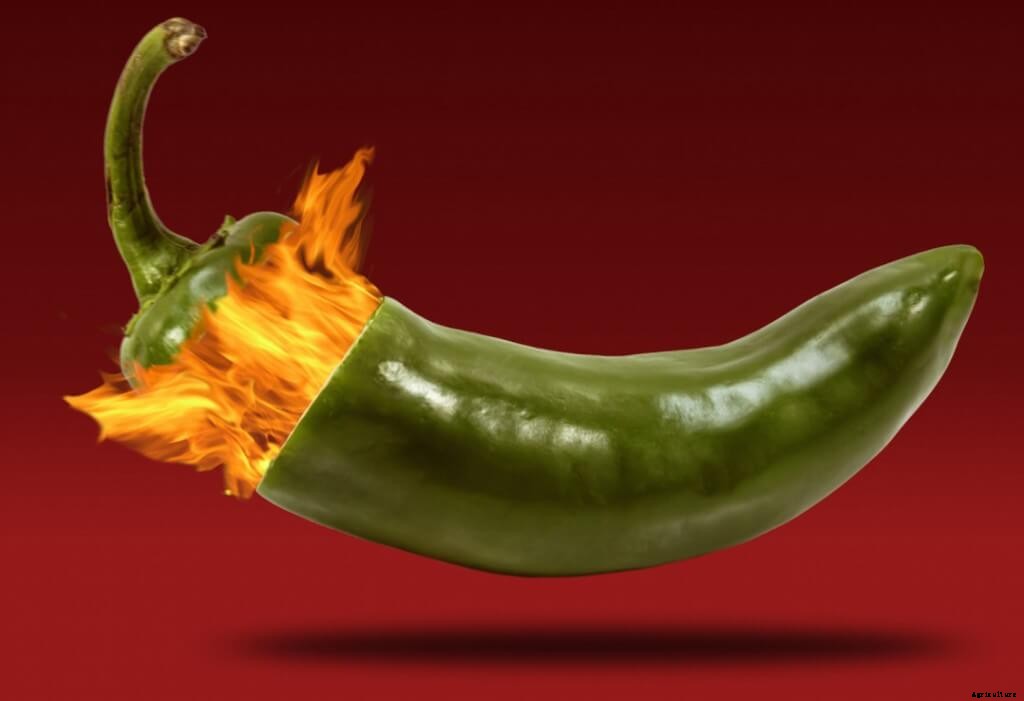
One tip on how to grow hotter peppers is to not overwater the plants. Indeed, the gardener might be a bit stingier with the water than usual and give the plants a drink only when the leaves start looking a bit droopy. This works best when the plant is just setting fruit. It’s almost as if too much water puts out the fire! It’s not quite that simple, of course, but it’s an idea to keep in mind.
Besides being an element, nitrogen is a nutrient that helps the plant grow big and strong quickly. Unfortunately, it does this at the expense of the fruit. The best way to fertilize a pepper plant in a way that will bring more fruit is to use a slower and gentler type of fertilizer such as rotted manure or compost. It’s also a good idea to side dress the plant when the blossoms appear and then repeat the side dressing about three weeks later. It also helps to spray the blossoms with a diluted Epsom salt solution to promote fruiting. The formula is about a teaspoon of Epsom salt to a quart of water. Some gardeners also apply liquid seaweed about three or four times over the growing season.
Chili pepper plants also appreciate an amount of sulfur in the soil and that tends to lead to hotter peppers. Some gardeners who buy sets of pepper plants toss a few unlit matches into the hole before they put the plant in. Match heads, after all, contain sulfur, and they’re cheaper to buy than great big bags of the element. Sulfur can also be mixed in with the soil or sprinkled on the plant itself.
Since peppers are closely related to each other, they can cross pollinate. This means that a hot pepper can cross pollinate with a sweet pepper and create future generations of seeds that are milder than expected. Make sure that different types of peppers are grown a good distance from each other. Note: This only impacts the seeds of the fruit, not the current generation of peppers. Your chili peppers that first year would be as hot as expected. To learn more, read our post on what is a hybrid plant.
The longer a hot pepper ages, the spicier they become. The amount of capsaicin in the fruit increases over time, so if you can wait until those green jalapeños turn red, then you’re in for a much spicier experience.


