
Welcome to Modern Agriculture!

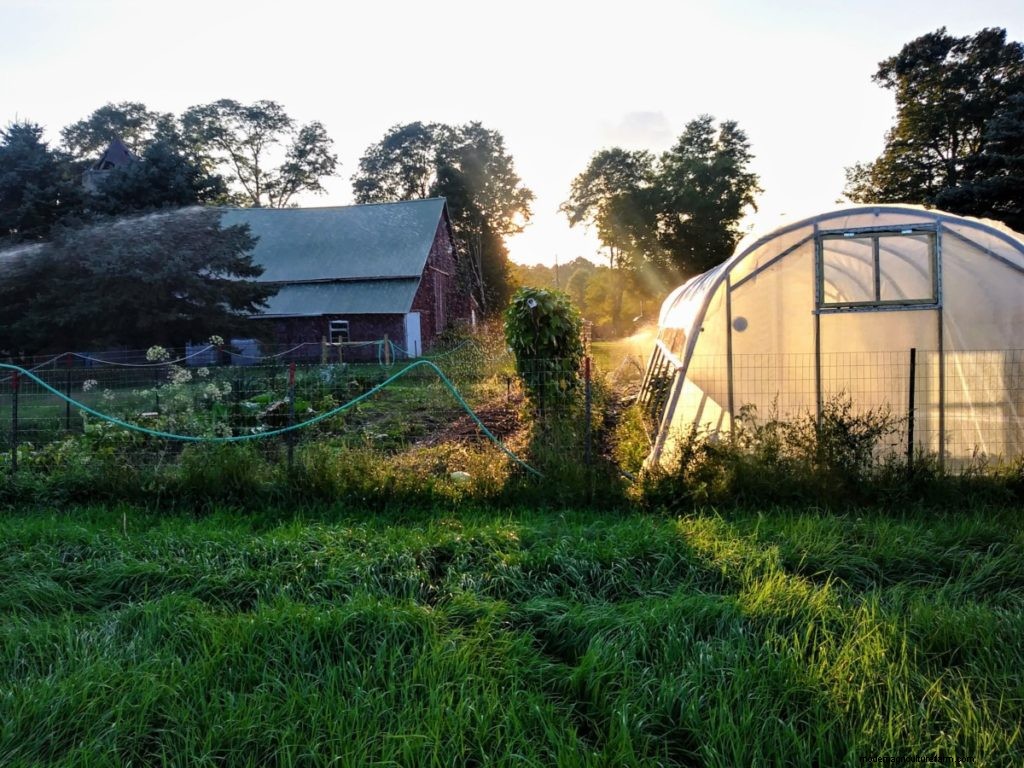
When my husband and I moved to our southwest Michigan homestead in the winter of 2018, one of the first priorities was establishing a massive garden.
We dreamed of freezers filled with greens, a pantry piled high with preserved tomatoes, and enough pumpkins and butternut squash to supply us in creamy soups throughout the year.
The first step was choosing a space on our 34-acre property that was close enough to the house for easy access without the risk of being shaded out by the tall maples that lined the drive.
We settled on an eastern patch of exhausted hay field, tilled it up, and bordered it with five-foot fencing.
In all, the space measures approximately 50 feet by 100 feet, for about 5,000 square feet of gardening space.
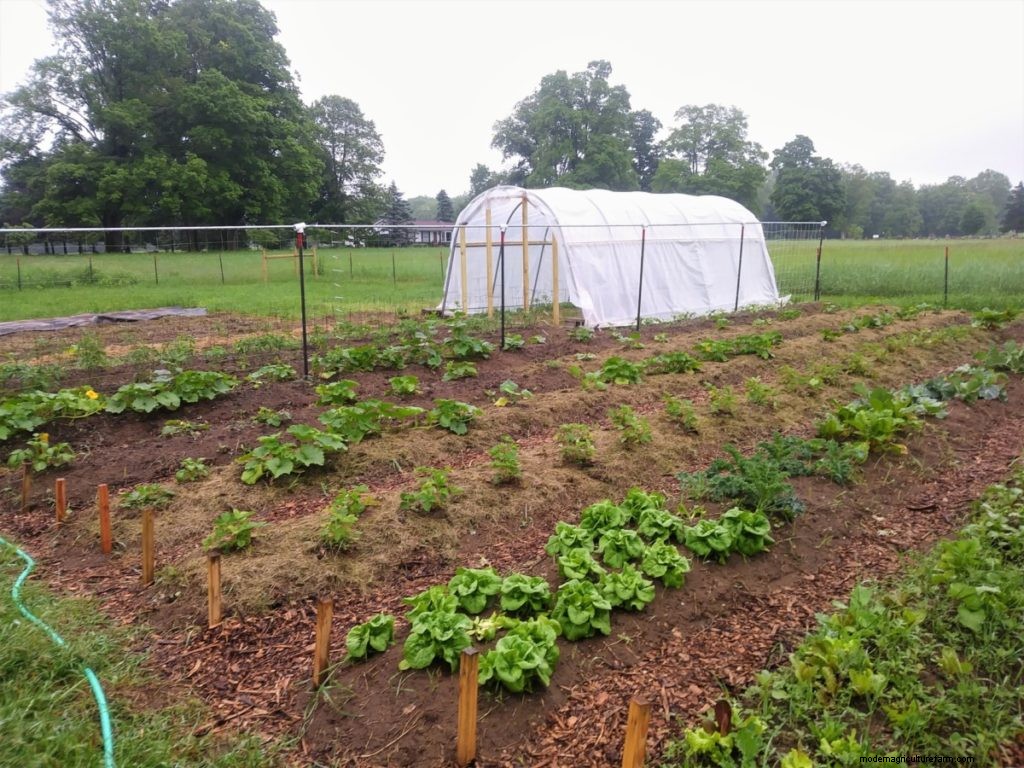
Now we are in our second growing season on the property.
In many ways, I’ve realized my dream of eating homegrown produce throughout the year, but it hasn’t been without some herculean effort—and a lot of failures along the way.
It turns out that setting up our own garden was a vastly different experience than growing for others on established organic farms, and I learned a lot about plant maintenance in the process.
Below, I’ll go through some of our biggest lessons from the past two years. Learn from our mistakes, and you’ll be that much closer to getting your garden into peak production mode.
When we first started planning out our garden, overenthusiasm got the best of us.
So many plant descriptions in seed catalogs were calling my name, and we purchased far more varieties than we could hope to master in a single season.
Compounding the problem, we were turning hardpacked hayfields into a garden space, which meant our first year was spent dealing with a dense mass of weedy roots that took the entire growing season to eliminate fully.
The end result?
We planted less than half of our available garden space the first year, and more than a quarter of our seed varieties never even made it into the ground. This means that we’ve struggled to reclaim the unused spaces from weeds this year because we didn’t bother to maintain them in the middle of last season.
Overextending ourselves at the beginning led to a lot of wasted seeds, tilling, and bed prepping last year with little to show for it in the long run. Our time would have been better spent cultivating a more modest growing space that we could have scaled up over time.
We moved to the glacial sands of southwest Michigan after three years of gardening in the unforgiving clay of a West Virginia mountaintop. This means that many of the growing strategies we perfected in one environment didn’t transfer well to the other.
For example, one of the first things we did in our 5,000 square foot garden was to build a set of semi-permanent raised beds. The idea was that these raised mounds would be simple to weed and would prevent our plants from getting waterlogged after heavy rains.
This technique worked great in West Virginia, where the heavy soil acts similar to a clay pot to hold in moisture. Unfortunately, it did nothing but further dry out our well-drained soil in Michigan. Furthermore, the sand was quick to erode and leave plant roots with less growing medium when they needed it most.
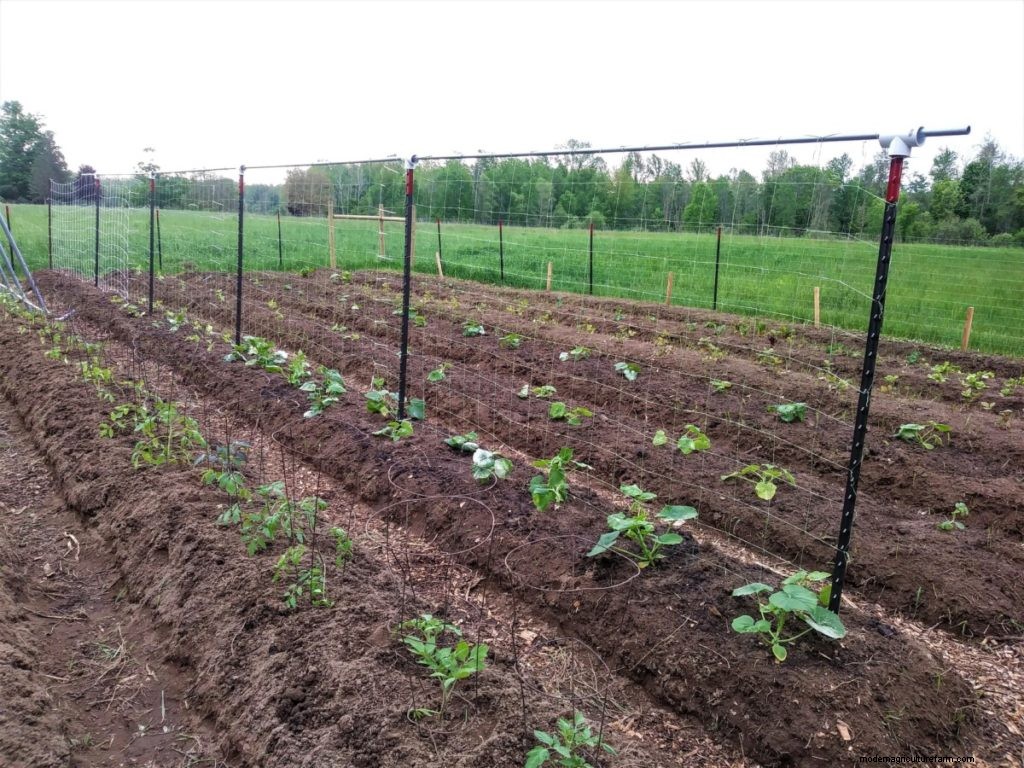
An unseasonable wet summer last year saved us from this mistake because our crops benefited from the chance to dry out between near-constant rain showers. This year, however, it’s led to little more than stunted plants and excessive irrigation needs.
We are currently in the process of flattening the mounds we so carefully built and filling the spaces between them with lots of wood chips to maximize our water retention rates instead—the opposite goal of what we first worked towards.
When it comes to setting up a 5,000 square foot garden, a watering solution needs to be of paramount importance.
We took our time coming up with a system last year, which led to many miserable months toting watering cans throughout the rows.
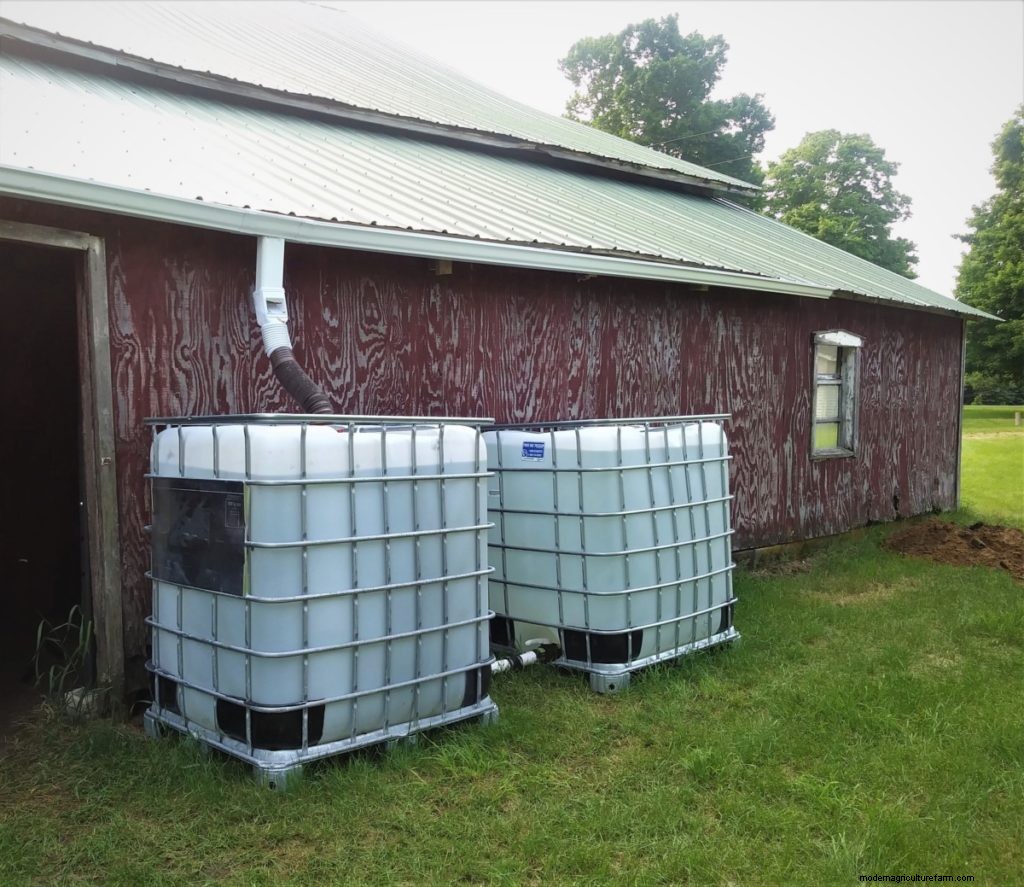
For us, the best option was to build a rainwater collection system off the roof of our barn.
This water gets stored in IBC tanks, and an irrigation pump runs it through three overhead sprinklers.
When we’re in the midst of a dry spell, we can fill up the tanks from our well so we’re never short on water. No heavy lifting required.
One of our gardening goals is to start as many of our own seeds as possible. This means that we’ve outfitted the south-facing window in our laundry room with a shelving unit, shop lights and more than a dozen seed-starting trays.
Leaving ripe produce on the plant is also an open invitation for rodents to feast, so we have far better success when we take the time to bring the bounty in as often as possible.
After all, what’s the point of vegetable gardening in the first place if we don’t eat our own food as much as possible?
One major garden mistake we learned firsthand is the danger of assuming things are fine because the plants look good from a distance.
This past year, we planted out our cucumbers and squash plant starts and left them unchecked for about three days. Once we stepped back into the garden, a disaster scene affronted us; the plants were chewed to swiss cheese with dozens of cucumber beetles and squash bugs on every plant.
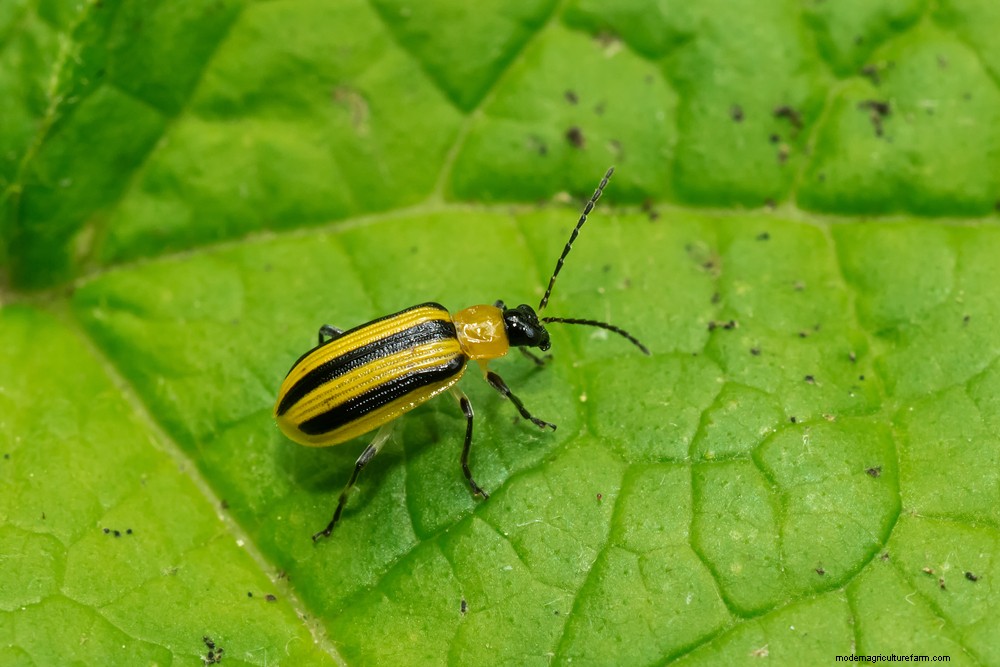
Our neglect let the problem get almost completely out of hand, but we immediately launched a counter-assault with mason jars filled with soapy water, closely inspecting each plant and dropping each offender into the drink.
Within a week of hard work, we got the pest population under control, and ¾ of our plants made a full recovery. If we had waited a few more days to notice them, though, we could easily have lost the entire crop.
Following up on our pest problem, the insect onslaught was a crisis of our own making. This past fall, we grew lazy about clearing out the garden at the end of the summer and left most of our squash vines in place after harvesting the pumpkins and butternut squash.
Though I had noticed some squash bugs running through the vines, I ignored them because we had already gotten what we needed from the plants.
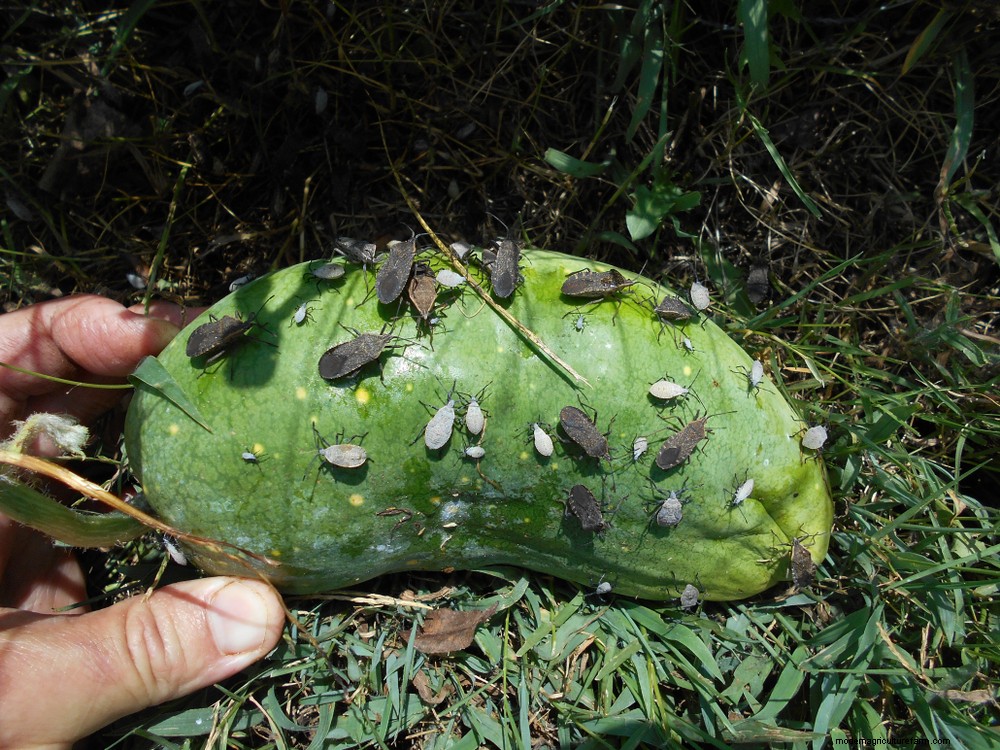
This, unfortunately, meant that we created the perfect habitat for these bugs to overwinter in our garden and nurture a new generation that was ready to feast in the spring.
If we had cleared out the dead vines last fall, I expect we would have saved hours this spring pulling bugs off our new plants.
We made a similar mistake with our compost piles this year by leaving one in the garden covered by a thick black tarp to retain heat. It turns out these optimal compost conditions also created an ideal vole habitat, and we started this growing season with an exploded population.
Today, they are wreaking havoc on our delicate squash vines and taking single bites out of all our ripe strawberries.
An owl box is on our list of solutions to keep the population in check, but it’s a humbling realization that this was a problem of our own making.
Years of organic farming experience has made me cocky when it comes to identifying plants—cockier than I deserve to be.
Last year I eschewed plant labels for our indoor starts, assuming that I could easily identify which plants were what when necessary.
This turned into a disaster situation by transplanting time. Daily waterings had caused the plant orders to become completely jumbled, and I suddenly lacked confidence for separating our cucumbers from the all-too-similar zucchini, squash, and melons.
Despite my best efforts to sort things out before planting, our garden became a jumbled mess. Zucchini plants misidentified as cucumbers were overcrowded against trellising, and we had a mass of melon vines chocking out the slower growing squash plants.
Now everything is growing where it was meant to be, and our garden is far less chaotic.
The end of spring is a time of extreme garden anticipation, but we have learned that patience is indeed a virtue in the game of large-scale gardening.
Last year, we started a half-dozen varieties of heirloom tomatoes and peppers indoors, carefully nurturing them from February on.
As the weather warmed, we could hardly wait to get these beauties into the ground. The last frost date came and went, but a chill remained in the night air that served as a reminder to those more experienced to hold off a few more days.
Sadly for us, our eagerness overruled common sense, and we set our trays out overnight one evening too early and woke up to see each and every tomato, pepper, eggplant, and basil plant shining in frost.
There may never be a sadder gardening experience for us than watching those long-loved plants unthaw and collapse into a greenish goo.
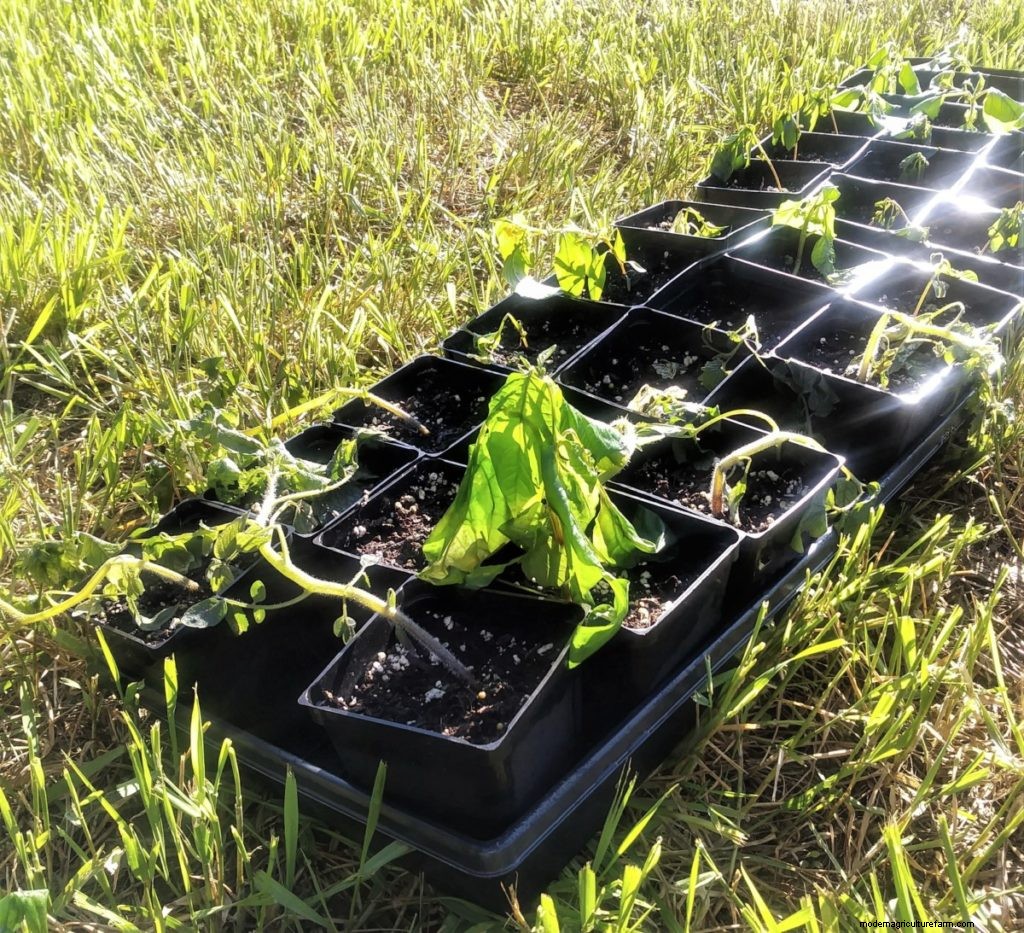
We lost every single plant and had to pay more than $100 at a local greenhouse to replace them. An expensive mistake we hope never to repeat.
While I have many years of gardening experience, I am still a novice when it comes to saving seeds.
Last summer, we grew a gorgeous crop of Good Mother Stallard beans and delighted in their burgundy hue by displaying them in mason jars in our kitchen.
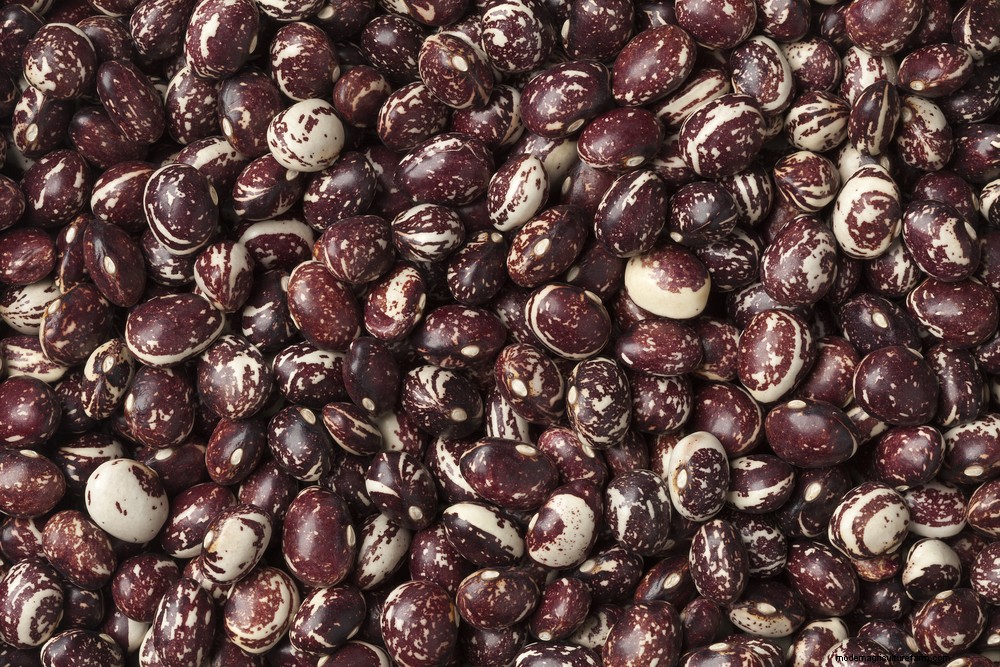
When it came time for spring planting, I poured out some of the last beans and plunked them in the ground, only to experience a 0% germination rate.
Our best guess is that the beans were exposed to too much light, which deadened them before they had a chance to sprout.
Next year, we’ll save our dry beans in envelopes to hopefully keep them viable until it’s planting time.
We suffered an even greater tragedy with our other seed varieties. Once the growing season was over, we stuffed each seed packet back into the mailing envelope they arrived in and stowed them in our farmhouse basement.
Two weeks later, I went down the stairs for a jar of canned tomatoes and witnessed a massacre of seed packets across the floor. Mice had gotten into the envelope and chewed up 99% of our seeds. All that was salvageable were some celery seeds and a few lone eggplants.
Investing in a simple mouse-proof storage container would have saved us the grief and expense of having to repurchase dozens of seed varieties this past year.
Despite my years of experience, there are some plant varieties I’ve never managed to master. For some reason, I can’t grow spinach that lasts more than a week without bolting, my beets never form impressive bulbs, and I’ve never grown an eggplant that wasn’t destroyed by flea beetles before it flowered.
I could choose to dwell on these failures and feel like a sorry excuse for a gardener, but instead, I prefer to celebrate our successes.
I have a freezer full of tender kale and collard greens, can grow a massive head of romaine, and had a bumper crop of kabocha squash that kept us feasting on incredible Thai curries all last winter.
Every new gardening season feels a little like playing roulette; you never know what’s going to thrive. The crop you might have thought you mastered last year could punk out the next before you even get a harvest.
If I’ve learned anything in my two gardening seasons with our 5,000 square foot garden, it’s that growing food takes humility—and a lot of hard work.
I expect it will take us a lifetime to fully understand all the mistakes we are making these early years and learn the best practices for avoiding them.
Establishing a great garden is a marathon, not a sprint.
So long as we can accept our failures and make incremental progress with every new season, I expect we will someday achieve more than we even believe possible at this point.

