
Welcome to Modern Agriculture!

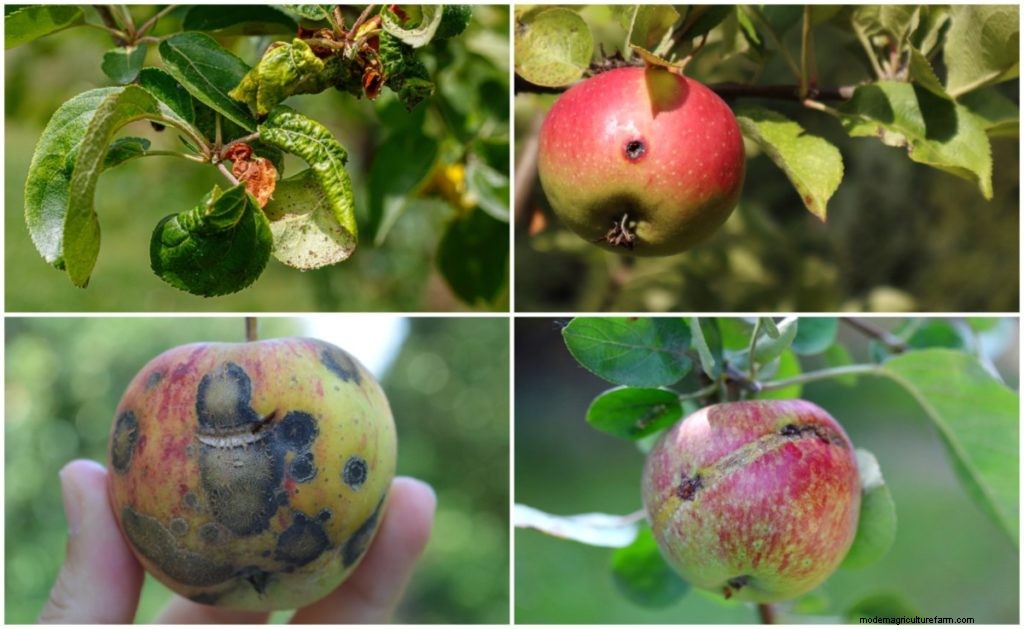
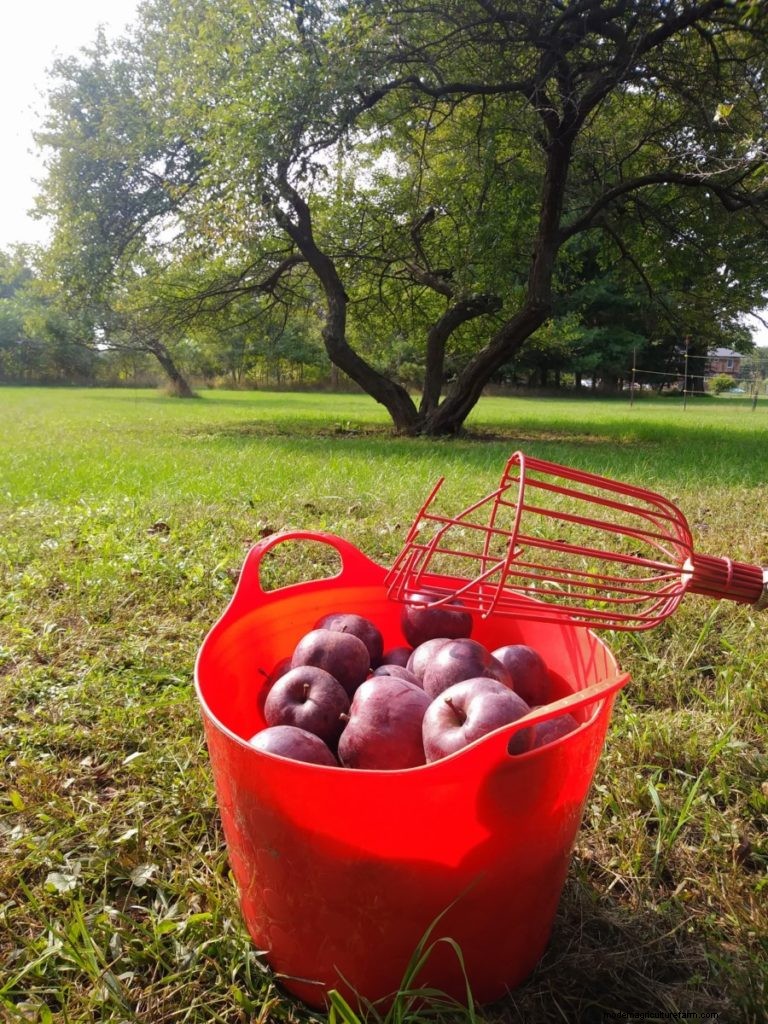
There are few fall pleasures as profound as biting into a homegrown apple. However, apple trees cause far more than their fair share of stress for any home growers.
This classic fruit grows from grafts, which means that every individual tree within a variety is a clone of all the others.
Identical genetic material from one generation to the next means the trees can’t evolve, which gives pests and diseases a clear advantage for outcompeting the fruit.
While apple trees are notorious for their disease and pest problems, most can be overcome with care and diligence. Familiarize yourself with the common apple tree problems below, and follow these tips to prevent them.
Organic apple growers should expect to deal with maggots, worms, beetles, aphids, and more. Here are some of the signs of insect damage and how to combat them.
Your apples likely have capsid bugs. These small green insects overwinter in leaf litter and feed on leaves and developing fruit in the spring. Though they can render the apple skin slightly tough, the damage won’t affect the flavor.
If the infestation seems minimal, you can ignore the bugs this season and clean up the leaf litter in the fall to reduce next year’s population.
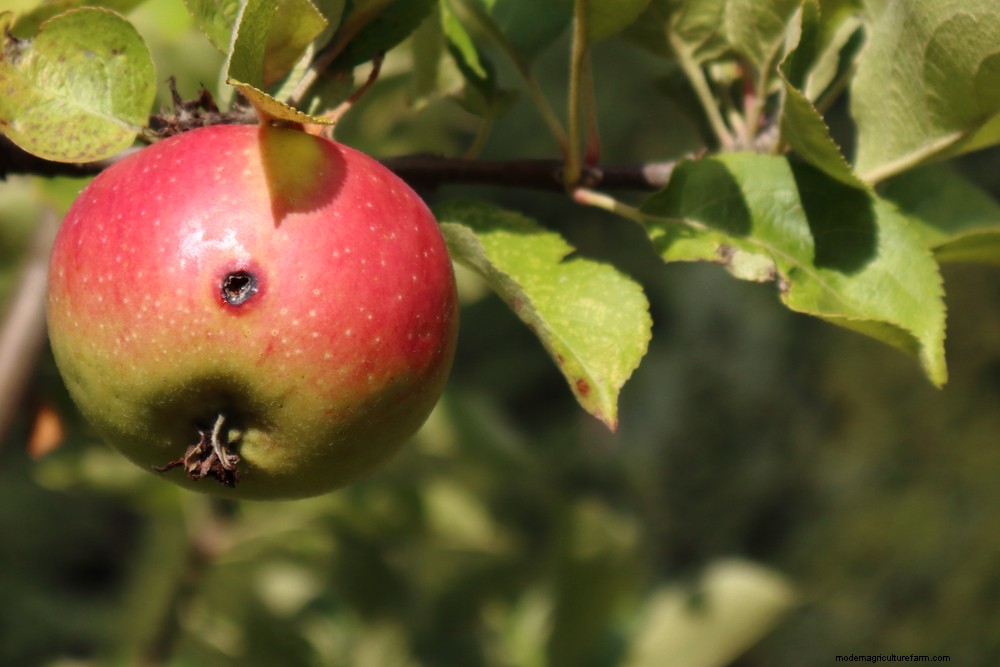
You probably have codling moths. During the caterpillar stage, these bark-colored insects will bore holes to the apple core, fill the void with excrement known as fross, and leave the fruit to rot. It’s possible to lose 90% or more of your harvest to them.
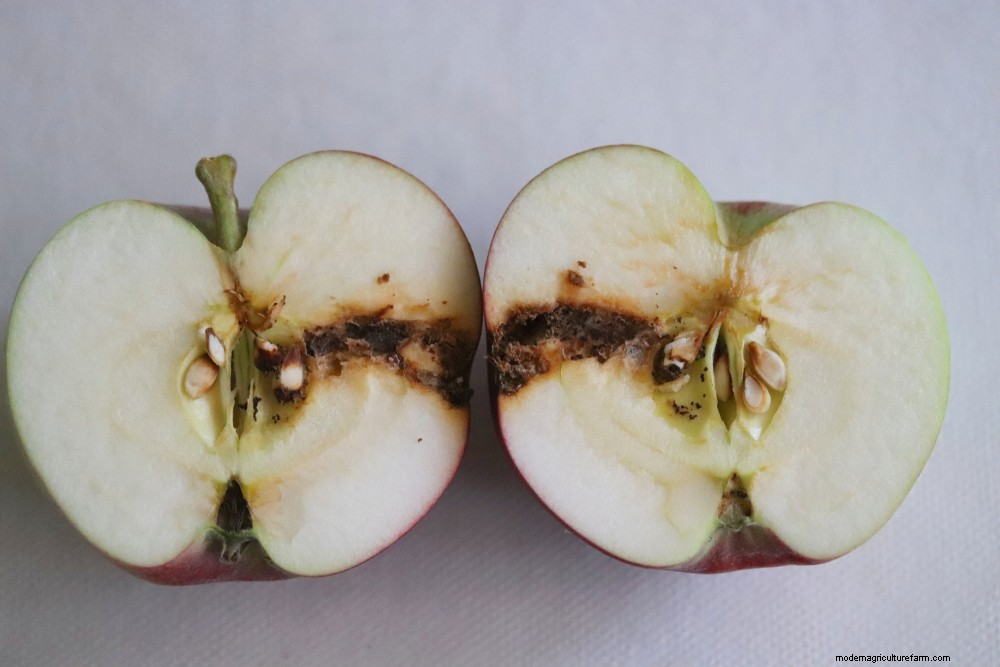
The best way to protect your fruit is to control the moth’s population. Pluck off any caterpillars you see on tree leaves and consider bagging your fruit as it forms. Codling moths tend to overwinter in leaf litter, so you can control their populations by keeping the orchard floor clean.
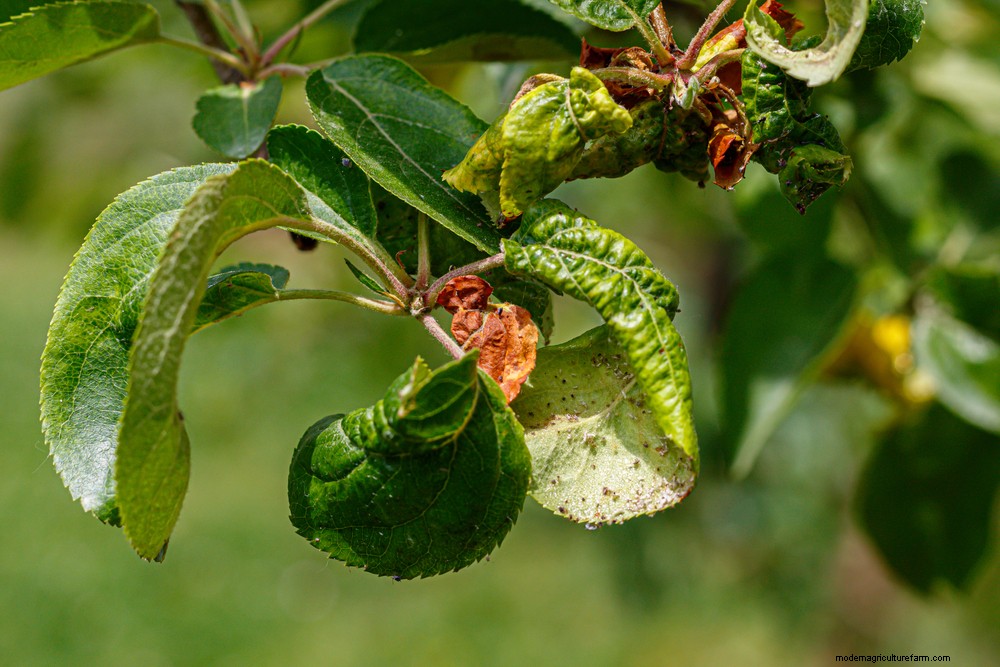
This is classic aphid damage and is typically most noticeable on the underside of apple leaves. Aphids on their own aren’t likely to cause much damage to your apple crop, though you can use insecticidal soap to control them.
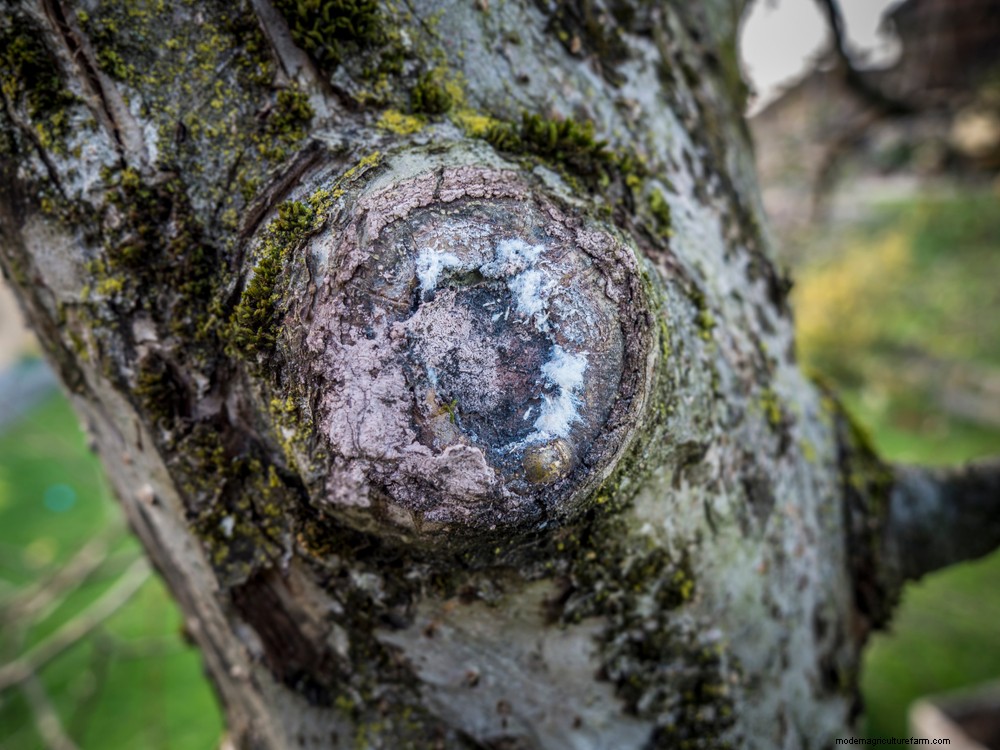
This sounds like a woolly aphid infestation, especially if the fluff is restricted to stems and branches. While these insects aren’t likely to cause much damage to your tree on their own, they encourage other infections like canker that can cause more severe issues.
You can spot treat the infected areas with neem oil or insecticidal soap, or prune out the infected limbs altogether.
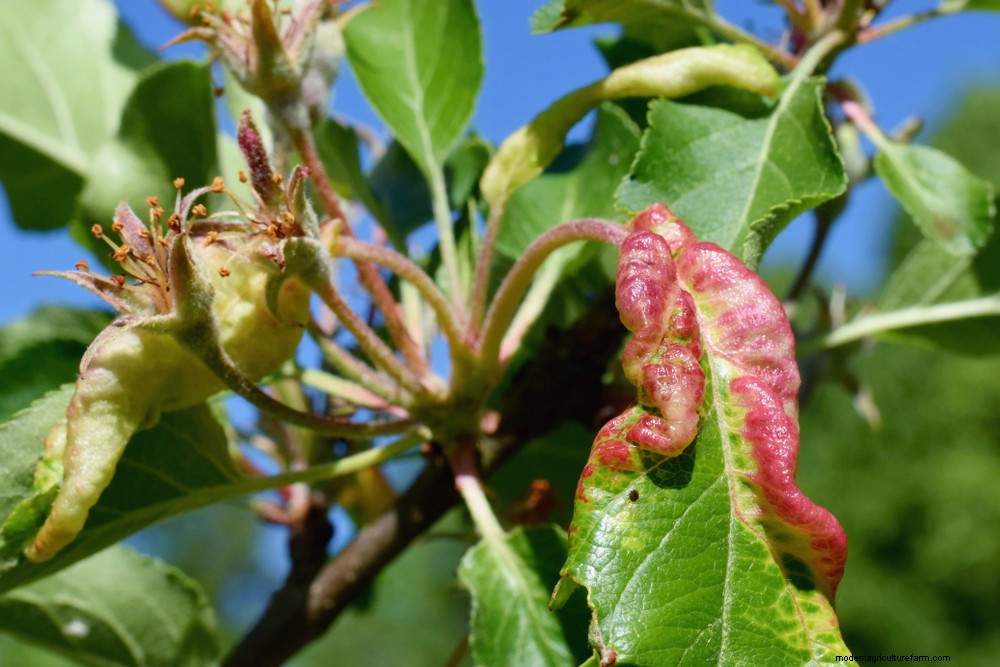
This is often a sign that rosy apple aphids feasted on the young fruits in the spring, which deformed and stunted their growth.
There’s not much you can do once you see the damage, so early control is critical. Your best option is to monitor your trees closely and spray insecticidal soap on the site of any outbreaks. Natural aphid predators like ladybugs can also help keep populations in check.
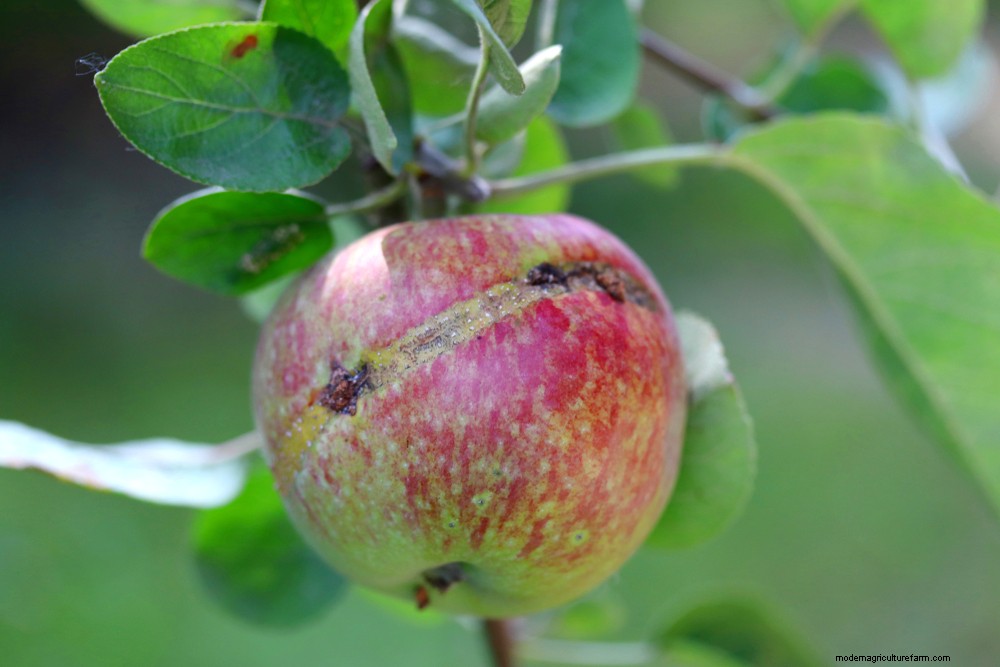
This is typically an indicator of the apple sawfly. These insects lay eggs in the developing fruit, and they hatch and live in the core until fall. At this point, they tunnel through the skin, leaving a scar at the base, and bury themselves in the soil to hibernate.
You can stop the cycle from repeating by destroying any infected windfalls so that the larvae don’t make it into soil and breed the following year.
The likely culprit is the plum curculio. This small weevil can cause serious damage early in the growing season by feeding on the buds, flowers, and early set fruit. Adult females cut a hole in the fruit into which she lays her eggs, and the larva feast on the fruit before reaching maturity and exiting.
Though this rarely destroys the fruit, it can lead to unsightly blemishes. Treating your trees with insecticide early in the season can help, as can removing any damaged apples as soon as you see them and preventing windfalls from rotting under trees.
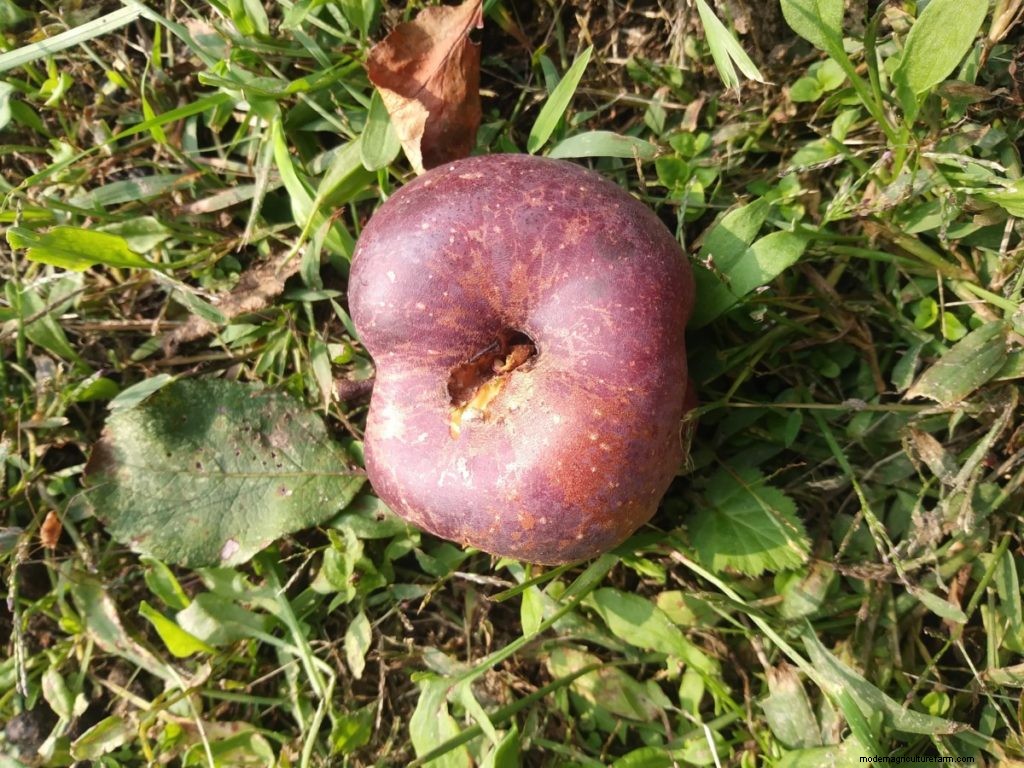
Fungus problems are all too familiar for apple growers, and they can be challenging to control.
Your best option is to know the early signs of these diseases so that you can address problems before you need to take out the entire tree.
This sounds like black rot (Botryosphaeria obtuse), a major apple disease across the United States. The decay starts as dark concentric circles at the bottom of the apple and will eventually spoil the whole fruit.
Tree leaves often show indications of it with bright yellow circles known as frog eye leaf spot, and the disease will eventually spread to limbs where it can kill the whole tree.
The best way to combat black rot is to remove all signs of it immediately. Prune out all infected limbs and leaves, and discard them far away from your trees so the fungus can’t return.
It likely has crown rot, a soil-borne fungus leads to leaf and bark discoloration, as well as slower budding. This fungus favors wet conditions and is almost impossible to eradicate once it gets established.
As crown rot with eventually kill your tree, the best way to avoid it is to plant in in places with good drainage.
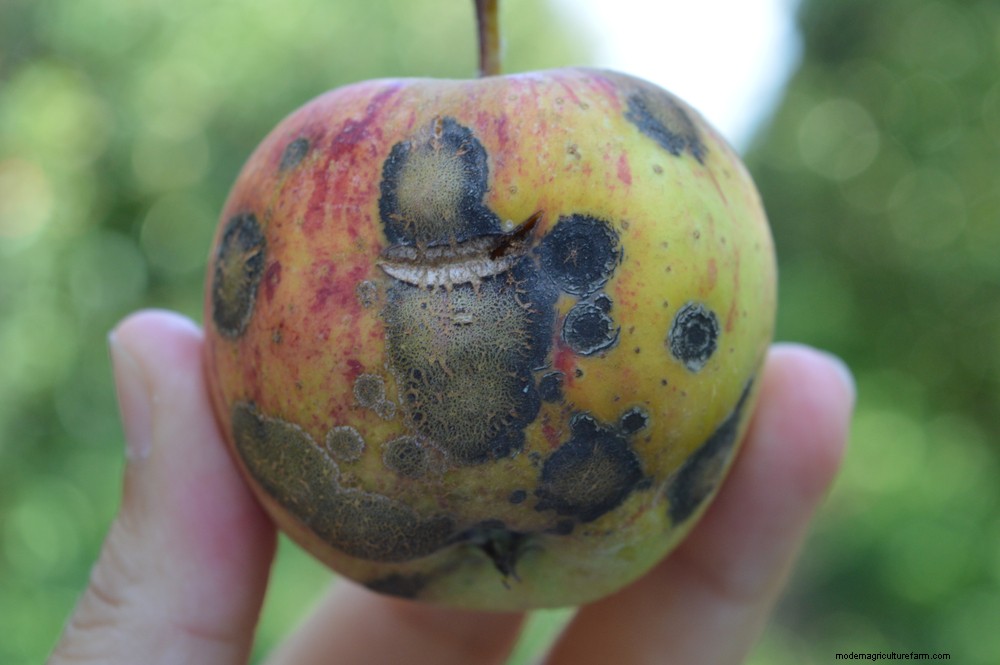
Apple scab is a fungal disease (venuria inaequalis) that can wreck your crop because it creates lesions for brown rot to enter the fruit.
You might notice it in the early spring as sooty lesions on the underside of the leaves, and it will spread through the rain. Infected leaves may curl up and fall off, and the fruit will have dark, scabby lesions.
As the fungus won’t affect the fruit’s flavor, you can peel off the damaged skin and use as normal.
Prevent a future outbreak by removing infected leaves from the orchard in the fall. It’s also a good idea to plant resistant varieties, including Crimson Crisp, Gold Rush, and Mac-Free.
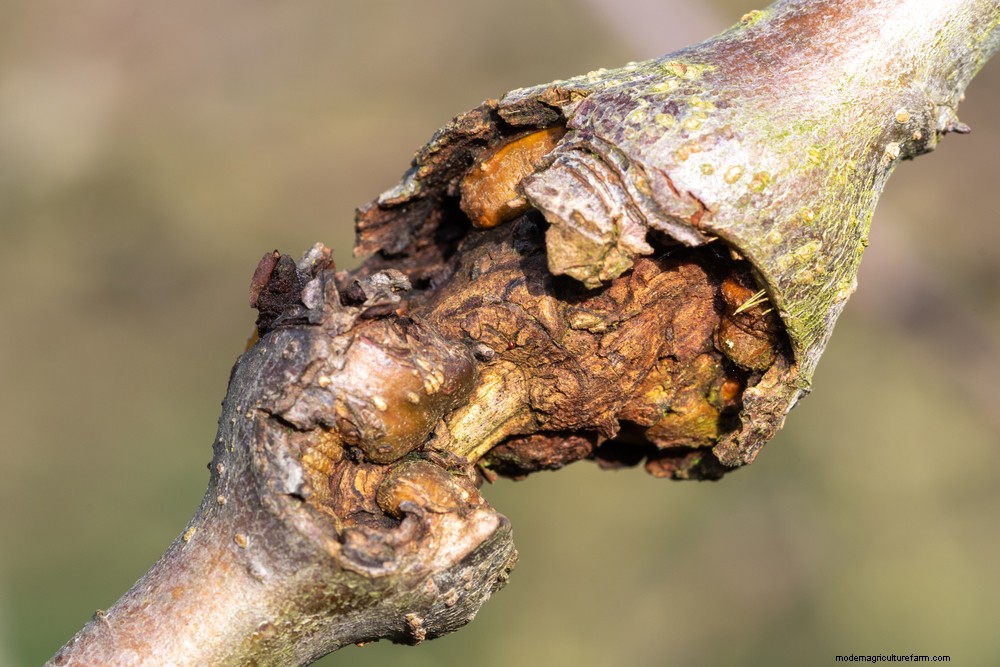
Your tree has apple canker, a fungal disease (neonectria ditissima) that attacks the bark and creates sunken, dead areas. Cankers form in the spring, and they can kill off entire branches.
You’re more likely to deal with canker in heavy wet soils, and it’s best to control it by cutting off branches as soon as you see signs of infection.
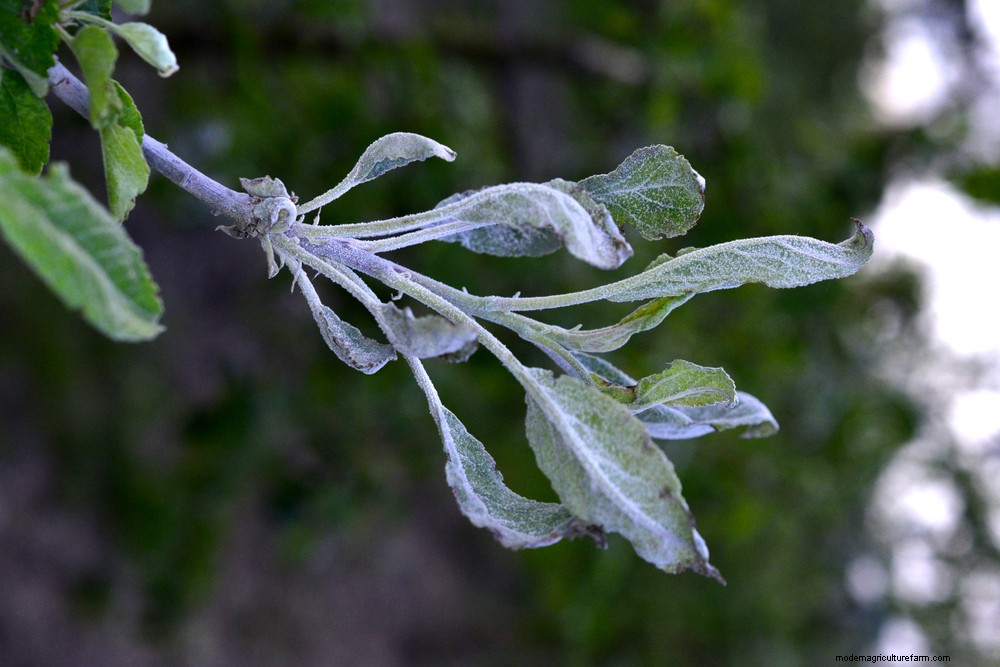
You might recognize these symptoms from squash plants, as your apples likely have powdery mildew (podosphaera leucotricha). Though it won’t kill the tree, it can weaken it over time.
As with most fungi, it overwinters in infected leaves, so keeping the orchard floor clean in the fall will lead to less risk the following spring. You should also ensure that your trees get good airflow and are appropriately spaced to not create wet conditions for fungi to thrive.
Powdery mildew resistant varieties include Liberty and Gold Rush.
This is usually a sign of multiple conditions that together form a disease complex known as SBFS—sooty blotch flyspeck.
While it can overwinter on the tree limbs, it’s not likely to cause serious problems or harm the fruit. Maintaining good airflow will reduce its spread, but if you can deal with the spots cosmetically, you’re best off leaving it.
White rot, also called bot rot (Botryosphaeria dothidea) is a fungus that affects apple fruit and wood with small circular spots that eventually turn orange and peel from the tree.
This fungus can cause severe problems to late-season fruit, so you should apply organic fungicides from the spring on if you expect it to be an issue.
Prune out any infected wood and remove leaf litter and mummified fruit from branches in late fall.
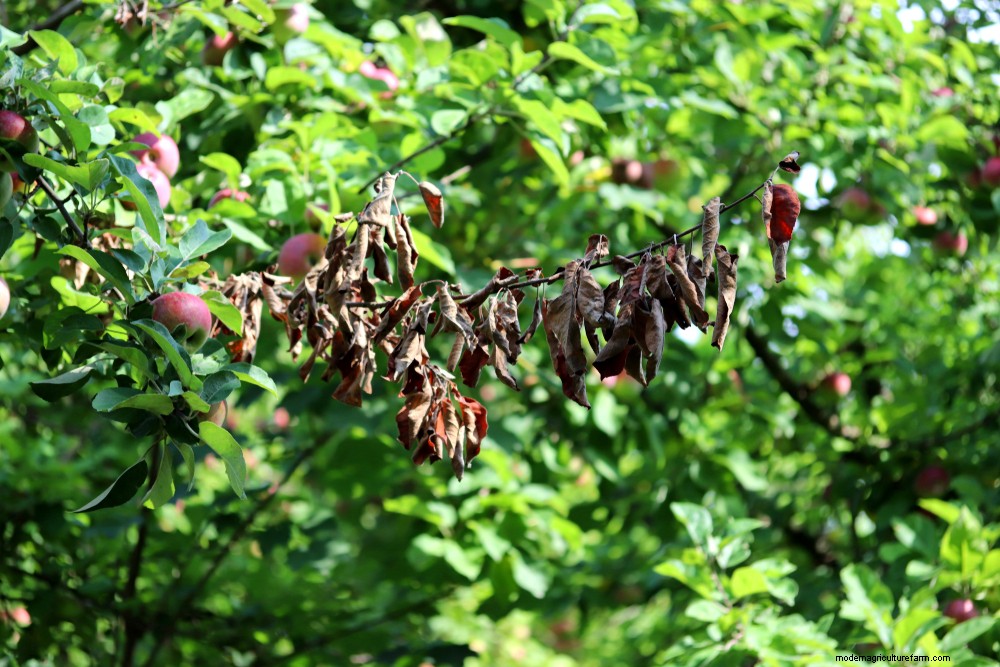
Your tree has fire blight, a destructive bacterial disease that is challenging to control.
Your best option is prevention (avoid nitrogen fertilizer, maintain good airflow, and avoid pruning during the blossom season) and removing any infected plant material at least twelve inches below the damaged site.
You should also disinfect your pruning tools between cuts with a 10% bleach solution to slow the spread.
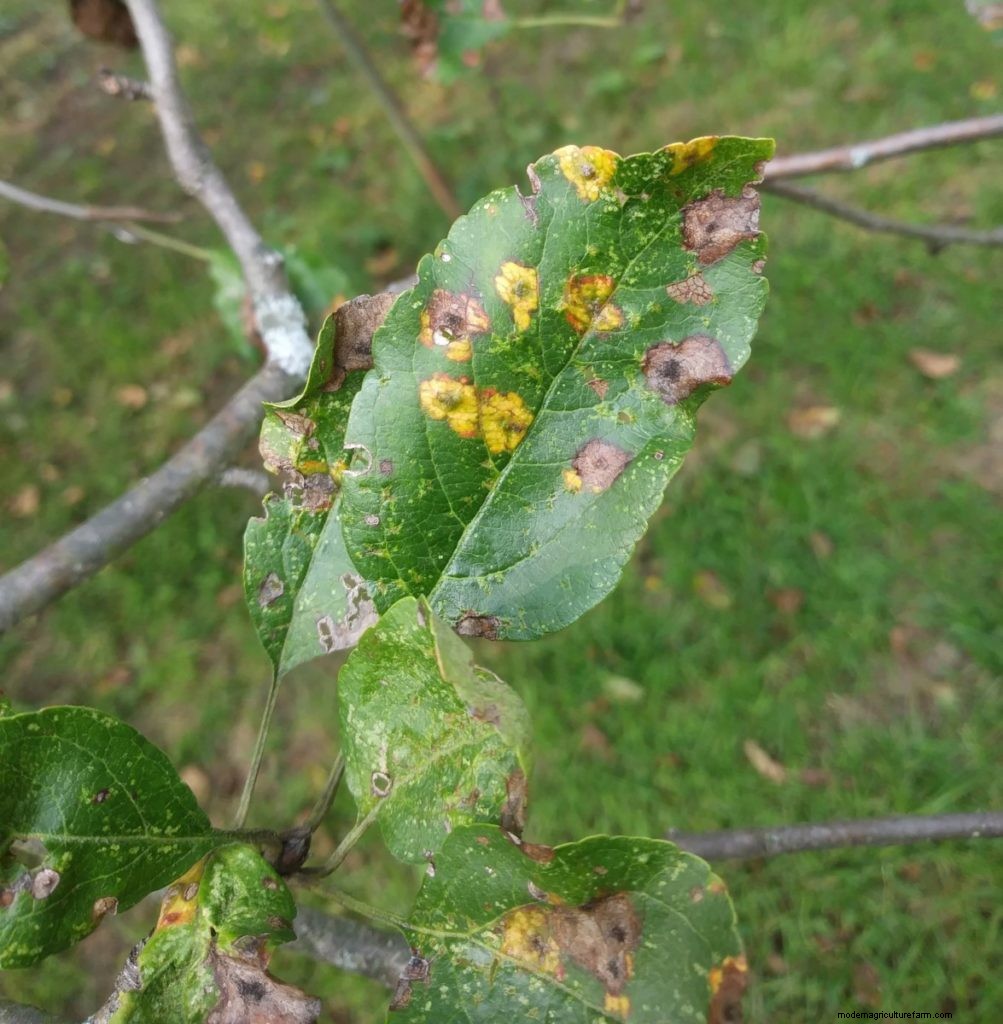
Cedar apple rust (Gymnosporangium clavipes) can cause problems for apple trees. It requires host plants like flowering quince shrubs and cedar trees before it can spread, but it can quickly defoliate your orchard.
Your best strategy is to remove host plants and to plant resistant cultivars like Redfree, William’s Pride, and Freedom whenever possible.
This is a likely sign of the apple mosaic virus, which kills off infected leaves by midsummer and will stunt your harvest. Though most varieties are susceptible, it’s common with Golden Delicious, Granny Smith, and Jonathan varieties.
As there’s no known treatment, you should remove any infected trees from the orchard to prevent spread.
This sounds like black pox (Helminthosporium papulosum), a fungus that thrives in wet conditions and the bark of old trees. It’s most common in warmer climates and will destroy infected fruit. Apply fungicides when you see signs of contamination and maintain good airflow throughout the orchard.
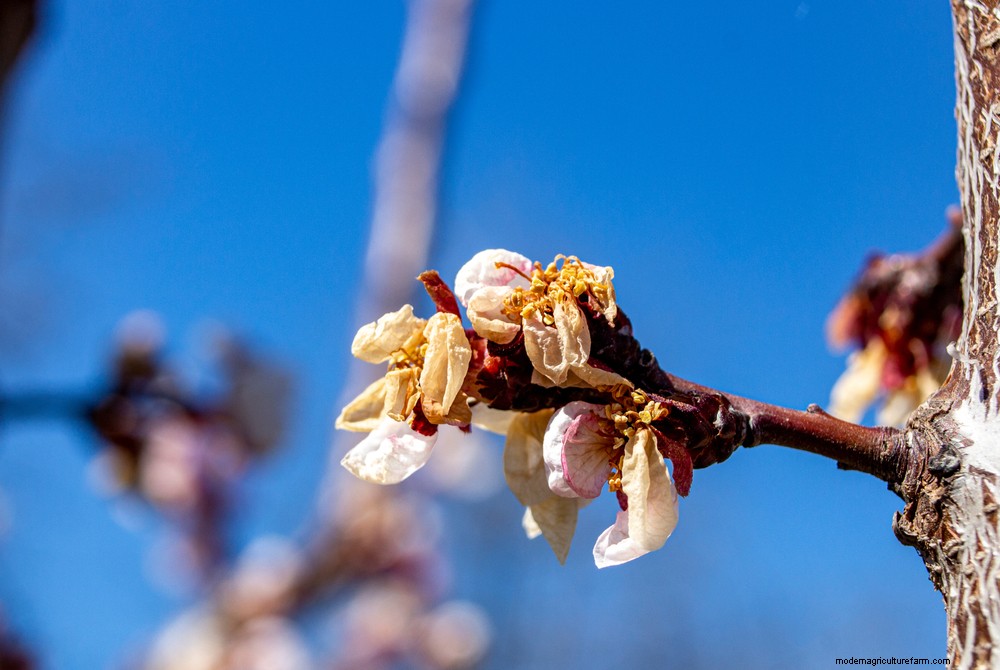
Blossom Wilt (monilinia laxa) is a fungal disease that affects apples, pears, and stone fruits. Both the flowers and nearby leaves dry up and wither, usually before they can be fertilized. Any surviving fruit will turn brown and rot.
Fungicides can prevent the worst of the damage, and you should always remove infected leaves and flowers as you see them.
Sometimes the problems with your apple trees come down to planting conditions. Learning the environmental factors that can affect your orchard will help you combat problems before they ruin your harvest.
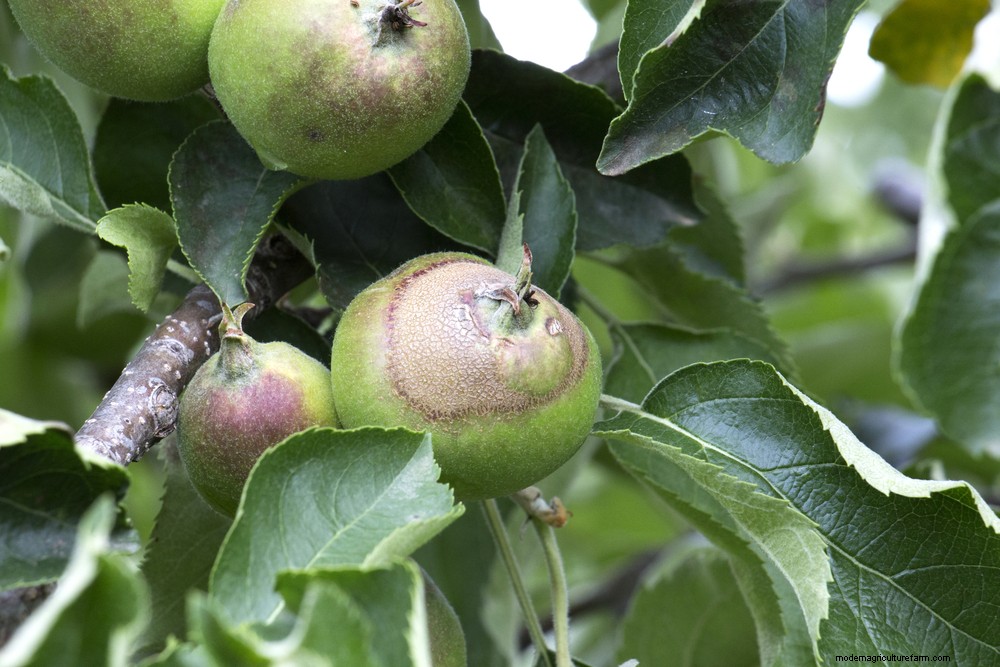
This is usually a sign of frost damage when the tree was first fruiting and doesn’t have any negative consequences for the fruit itself. Russeting is actually normal for some apple cultivars.
This is usually caused by uneven watering. Heavy rains after a dry period will cause the apple to expand quickly and can crack the skin.
Your fruit has bitter pit, which is usually a sign of calcium deficiency due to drought conditions or irregular watering. You can improve your crop for next year by mulching around the trees to help the roots retain moisture and watering more consistently.
This is a sign of cork spot. While it looks similar to insect damage, this condition is another sign of calcium deficiency. The fruit will still taste fine, but many people prefer to cut out the dimples.
You can restore your soil’s pH by adding lime around the base of the tree. It’s also smart to spray each tree with a solution of 1.5 tablespoons of calcium chloride per gallon of water up to four times per growing season.
Hopefully, this guide gives you a starting point for keeping your apple trees in peak condition for better harvests.
A bounty of apples can be put to many uses around the homestead, from hard apple cider to various other preservation strategies. You can also use both ripe and unripe windfalls to maximize your harvest.
If you’re looking for more guidance on growing healthy apple trees, I recommend Michael Phillip’s book, The Apple Grower: A Guide for the Organic Orchardist.
Here, Phillips distills his decades of organic growing experience into a straightforward guide that will help you maximize your harvests without harsh chemical treatments.
It’s been a stellar resource for me as I restore the old apple trees on my hobby farm, and I expect orchardists at all levels will find it valuable.


