Welcome to Modern Agriculture!

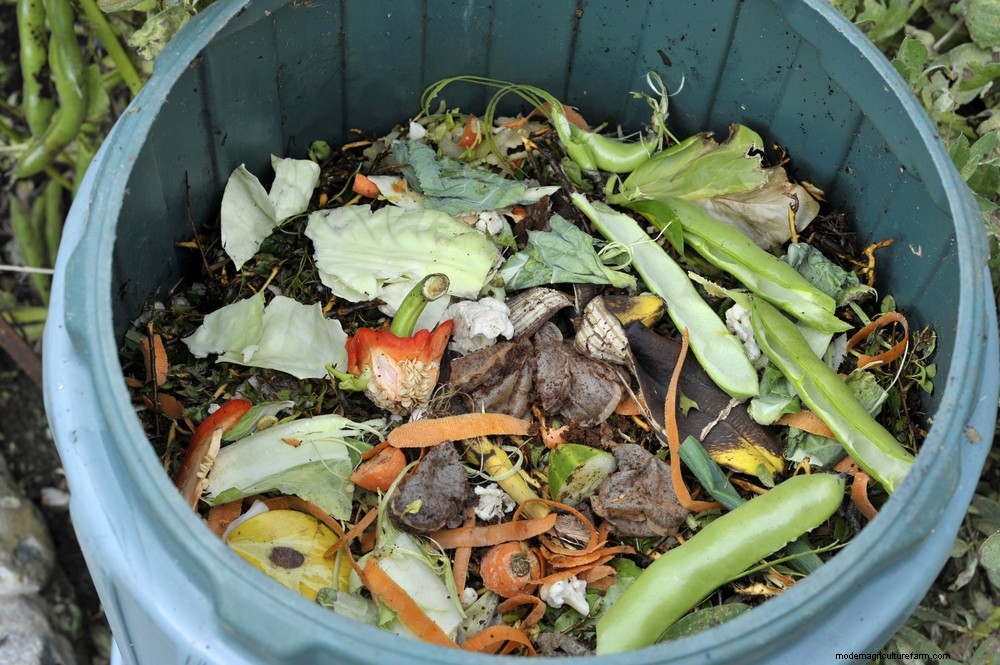
Composting is nature’s inherent nutrient recycling system. Anything and everything of organic origin is part of it, where death and decay means a return to life and growth. Over and over again, for all of time.
Nurturing a compost pile in the backyard means we become stewards for this process.
Knowing what materials to keep in (and just as importantly, what to keep out!) so as to host a healthy environment for the microorganisms that break it all down, is essential for an active and productive compost heap.
Whether you’re new to composting or are looking for a quick refresher, here are 100+ things you can and should toss in the compost:
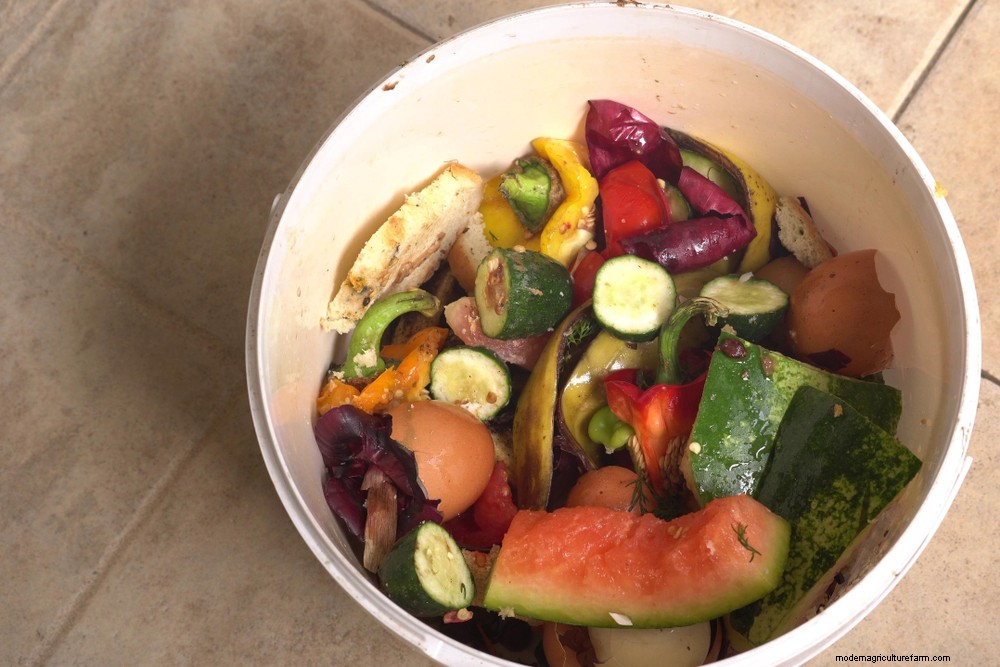
An excellent source of nitrogen-rich materials – or greens – for the compost pile. This includes produce trimmings, peels, cores, pits, seeds, stems, stalks, leaves, roots, pulp, rinds, etc.
Fruits and veggies that are bruised or beginning to spoil are safe to add to the pile. Slice or chop up larger pieces.
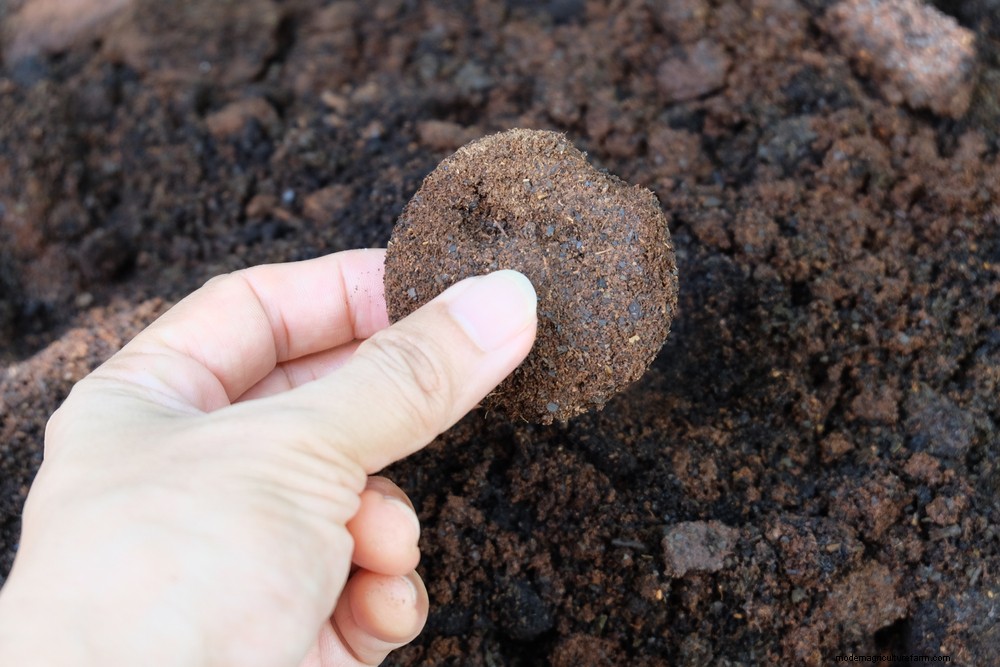
Coffee is rich in nitrogen and breaks down quickly in the pile, but too much of it can harm earthworms and microbes. Mitigate this risk by adding plenty of carbon materials along with spent coffee grounds.
Finely crush up eggshells before adding them to the pile and they will break down much faster.
But first see if you can find a more useful way to use your eggshells.
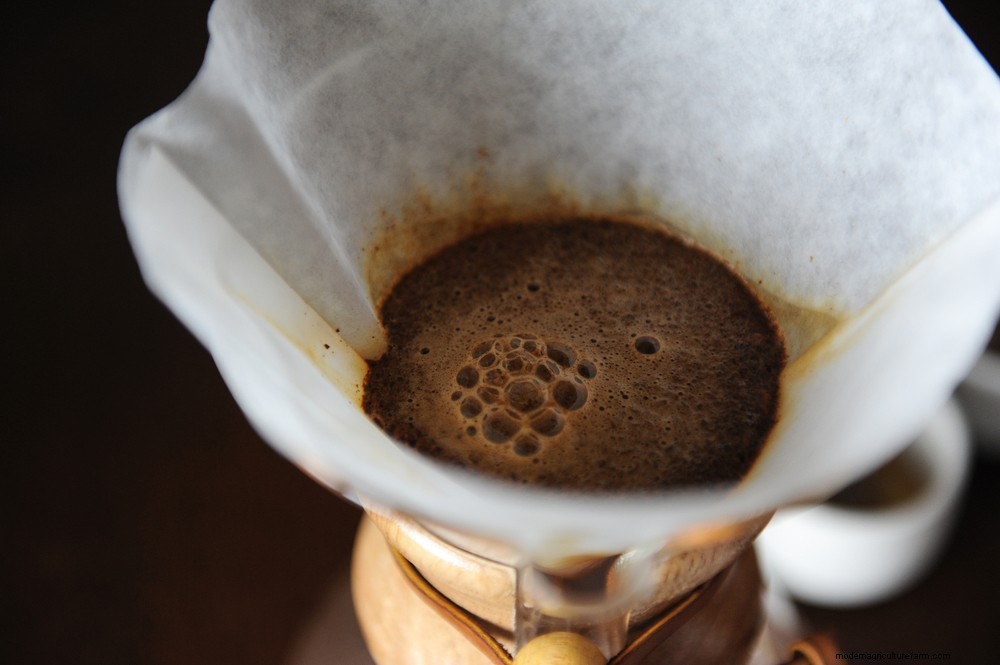
Toss coffee filters in along with the coffee grounds.
Add tea leaves to the pile, as is.
Only add these to the pile if you are sure they are made from natural materials like paper and cotton.
For faster decomposition, wet or tear up paper napkins and towels before adding to the pile.
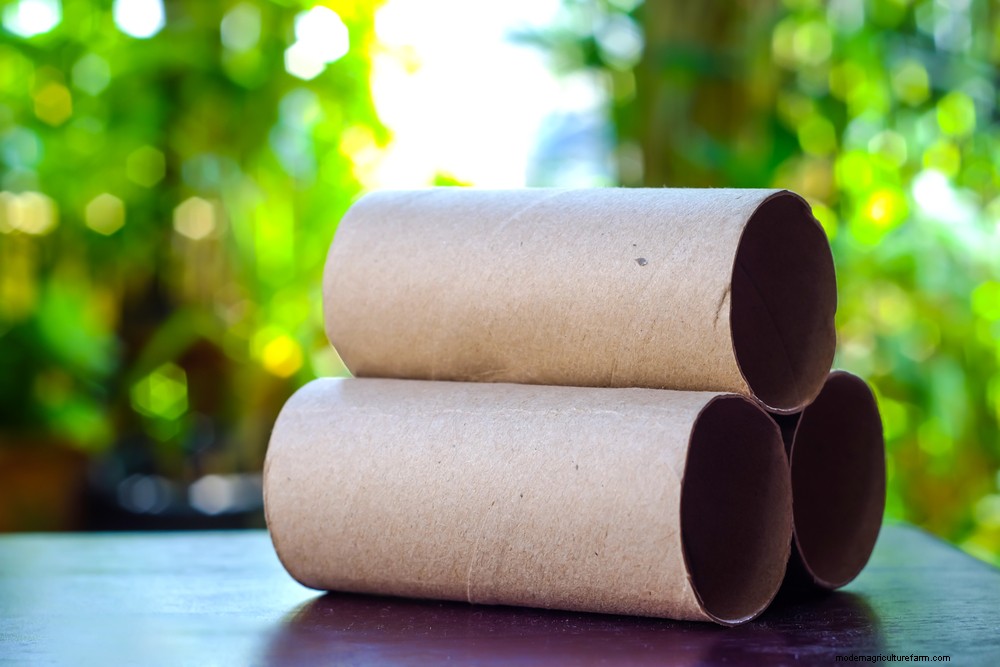
Rip these into smaller pieces first. Or take a look at some more practical ways to upcycle paper rolls.
Such as soy, almond, and coconut milk.
Paper lunch bags and grocery bags should be shredded into smaller pieces.
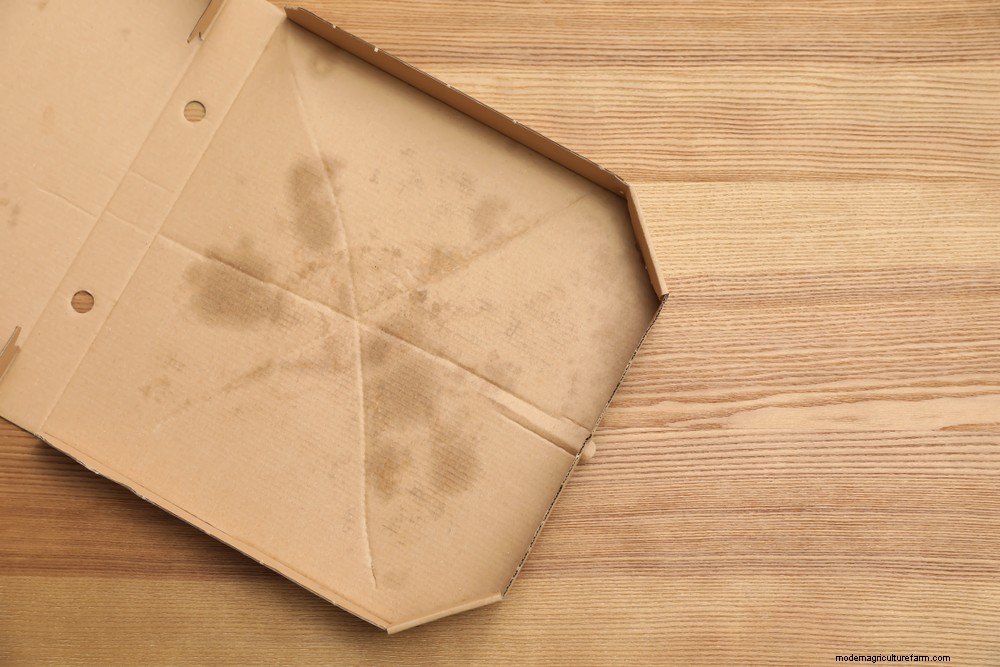
Unwaxed pizza boxes can be ripped up before adding to the heap. A little grease on the box is fine.
Other food boxes, like cereal boxes, pasta boxes, and cracker boxes, can be fodder for the pile too. These should be on the plainer side, non-glossy, and mostly free of dyes and inks.
Leftovers forgotten in the back of the fridge, like cooked pasta and rice, can be added to the bin.
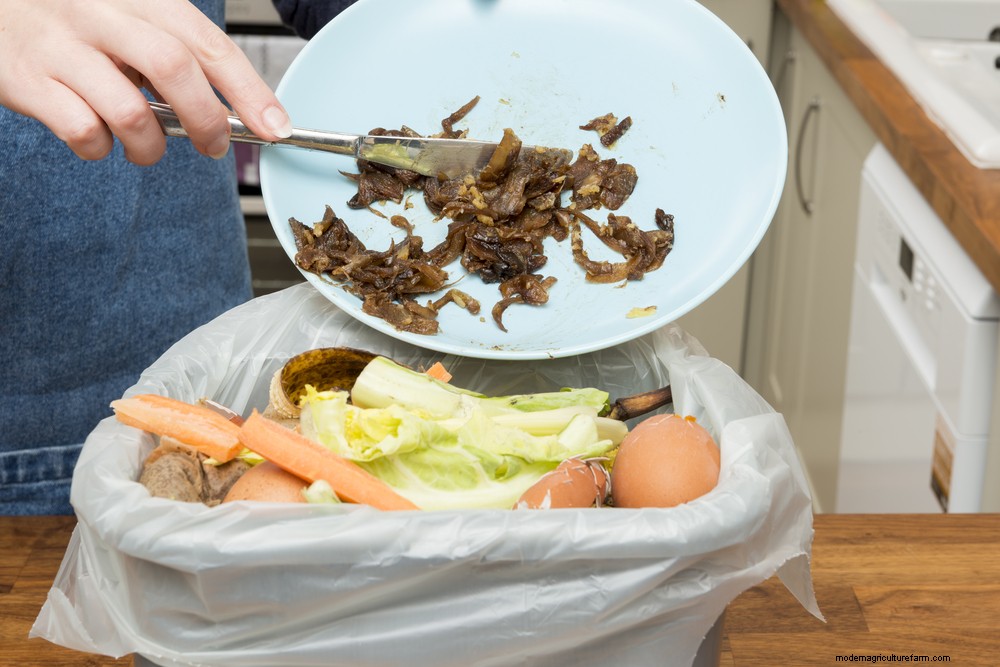
Couldn’t clean your plate? Toss bits and morsels that aren’t worth saving into the pile.
Since tofu is made from soybeans, it’s definitely suitable for the compost.
Seaweed, kelp, nori, and other aquatic edibles add a good dose of potassium to the compost.
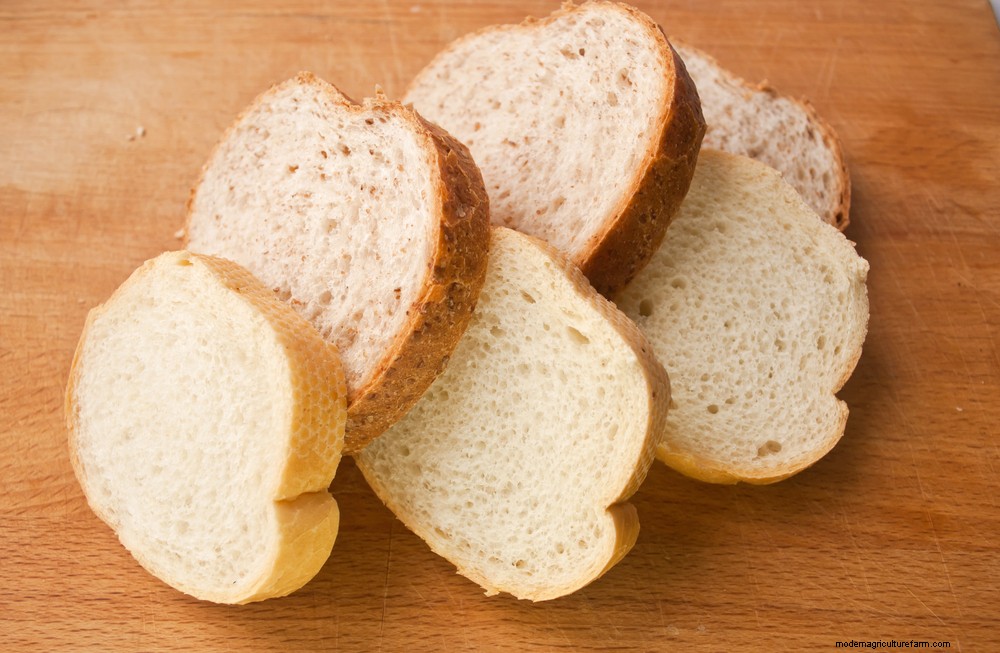
Chop whole slices into smaller pieces.
All types of breakfast cereal, as well as oatmeal and porridge, can be tossed in the bin.
Crush these up first before adding.
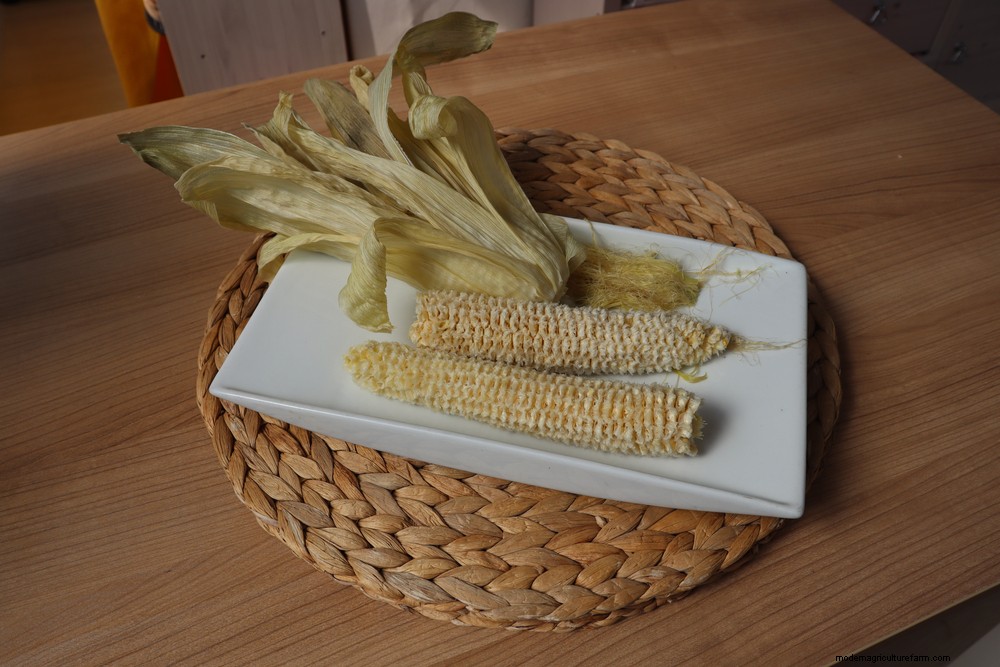
These can take a while to break down so tear up the husk and leaves into smaller pieces and chop corn cobs into smaller chunks for a quicker cook.
Flours such as wheat, corn, bread, and cake flour are safe additions to the pile.
Yeast past its expiration date will still contain helpful organisms that can speed the pile along.
It’s best to strip animal bones of their meat by boiling them first (or make a delicious bone broth) before tossing them in the compost.
Beef gelatin and gelatinous desserts like Jell-O may be added to the pit.
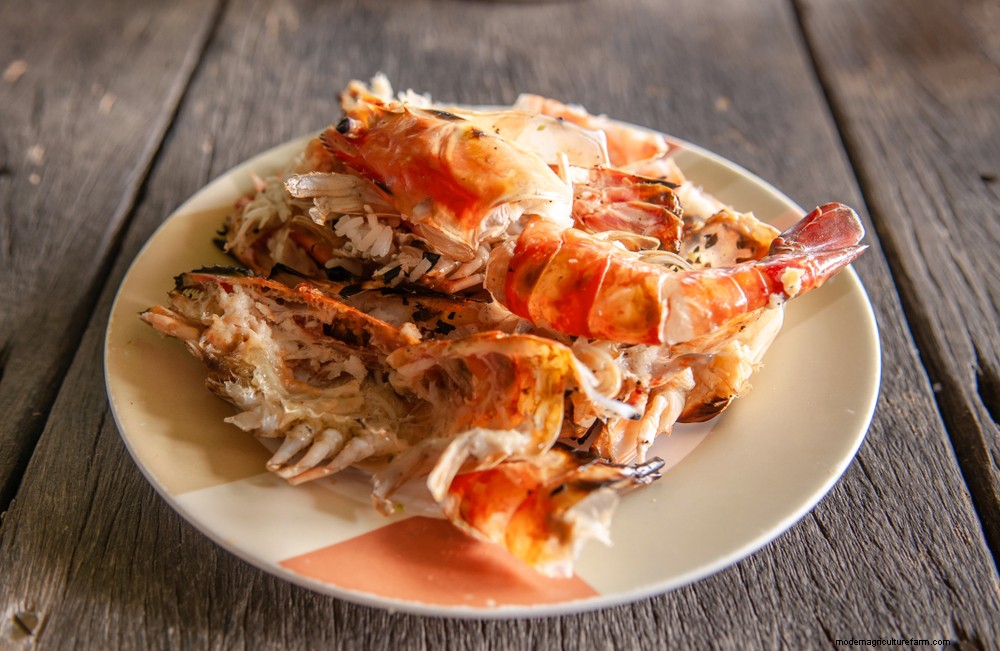
Lobster, mussels, oysters, crab, shrimp, clam, and other seafood shells can be composted too. Softer shells can be tossed in as is, but harder shells will need to be crushed first.
Pumpkin, sunflower, and other edible seeds should be chopped up to prevent them from sprouting within the compost.
Empty the dust pan into the compost after sweeping floors and wiping countertops in the kitchen.
Add shredded up paper plates to the pile, provided they are plain, unwaxed, and free of dye.
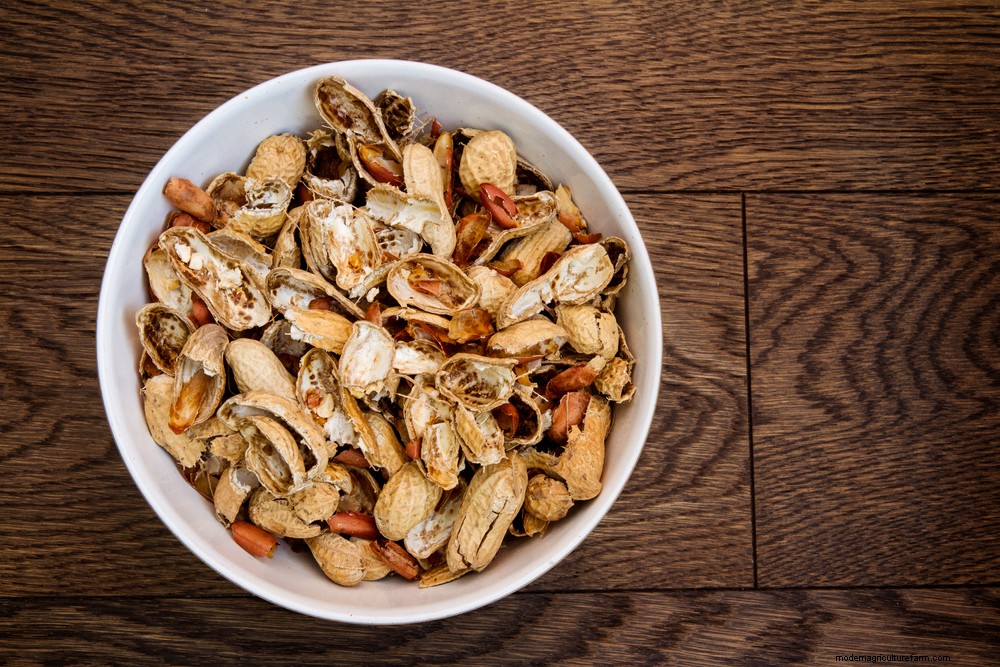
Chopped or crushed nut shells can be added to the bin. Leave walnut shells out since they are toxic to some plants.
Tear these up first.
Takeout cup holders made from cardboard should be shredded first.
Can be added as is.
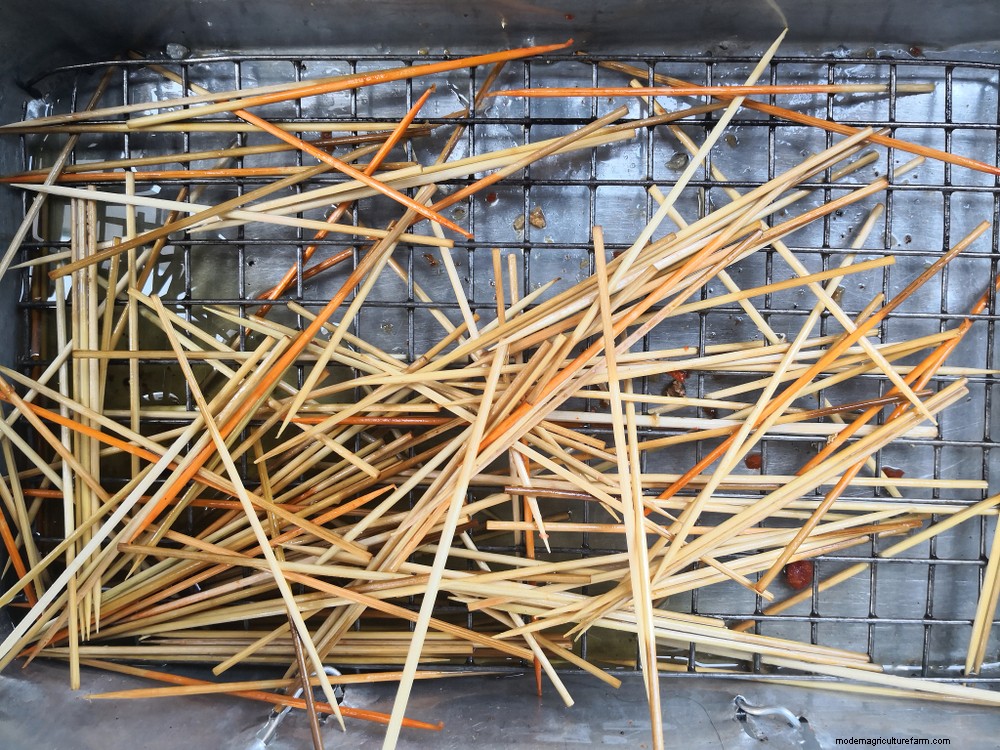
Break these into smaller pieces.
Only wine corks made from actual cork – and not plastic made to look like cork – should be added. Chop them up first.
Conventional wisdom states that placing dairy products in the pile should be strictly avoided. However, small amounts of moldy cheese or milk will not throw your compost out of whack. Just make sure to bury it deeply and cover with lots of carbon materials to prevent odor and rummaging critters.
Can be added as is.
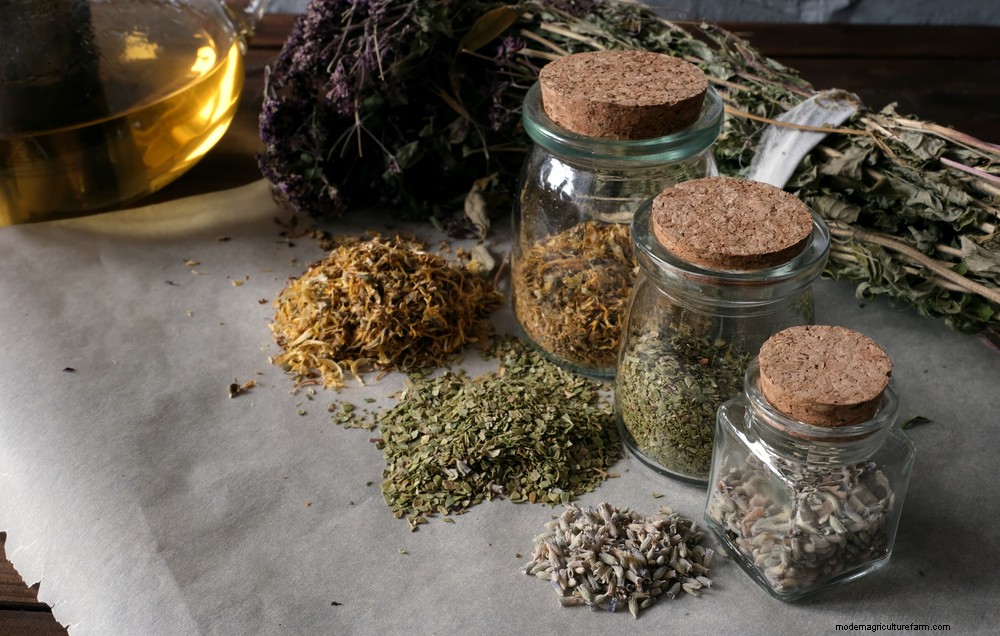
Can be added as is.
The yeast in beer and wine is a compost activator. Dump leftover beverages directly in the outdoor heap to add moisture and boost microbial activity.
Can be added as is.
Undyed, non-glossy parchment paper should be shredded up before adding to the compost.
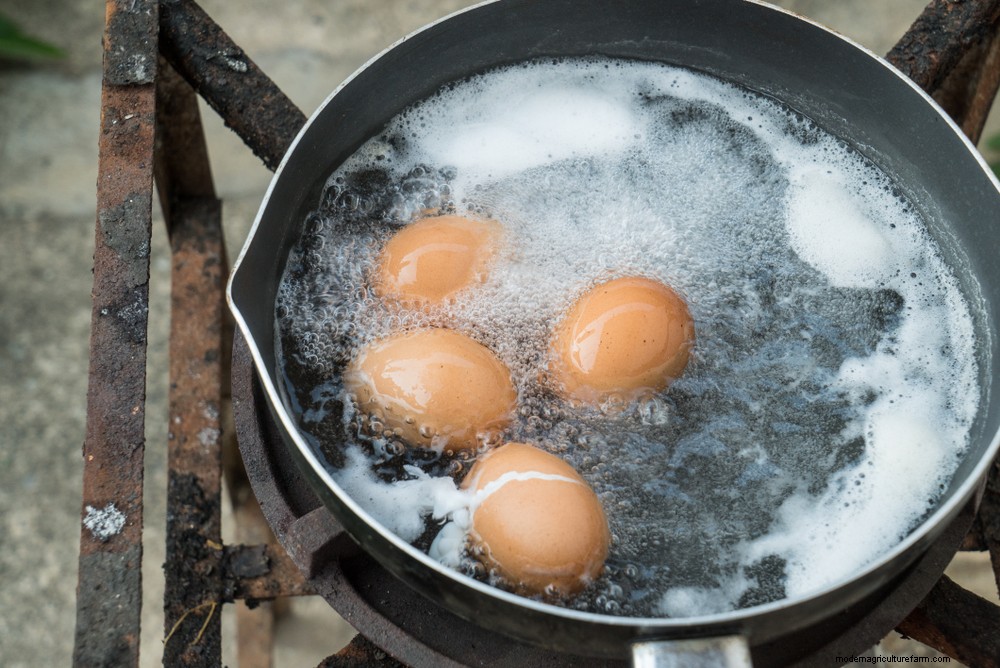
Save water that would usually be poured down the drain after boiling pasta, vegetables, and eggs. Let it cool down before tossing it in the pile.
Another compost activator, pickling brine can also be tossed directly in the pile.
Used tissues that have not been used for bodily fluids or feces can be safely composted.
Tear these up before adding. Although you may like to use them in more practical ways.
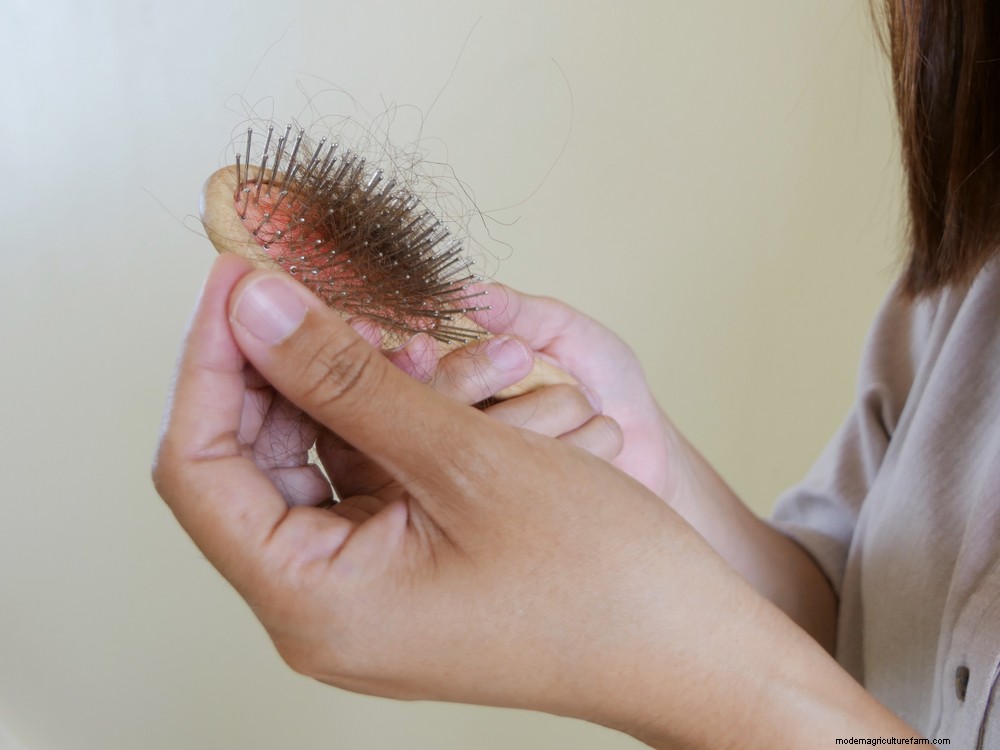
Cleaned from the hair brush or swept up after a haircut or beard trimming, hair is a plentiful and renewable feedstock for the pile.
Fingernail and toenail clippings – provided they are free of nail polish – can be safely added to the pile.
Toss only 100% cotton balls and swabs made with cardboard (not plastic) sticks.
Loofahs made from natural materials, like the luffa plant, can be shredded or chopped up before adding.
Human urine is a well-regarded compost accelerator, and may even boost crop yields! Best reserved for those who are not taking medications and are otherwise healthy.
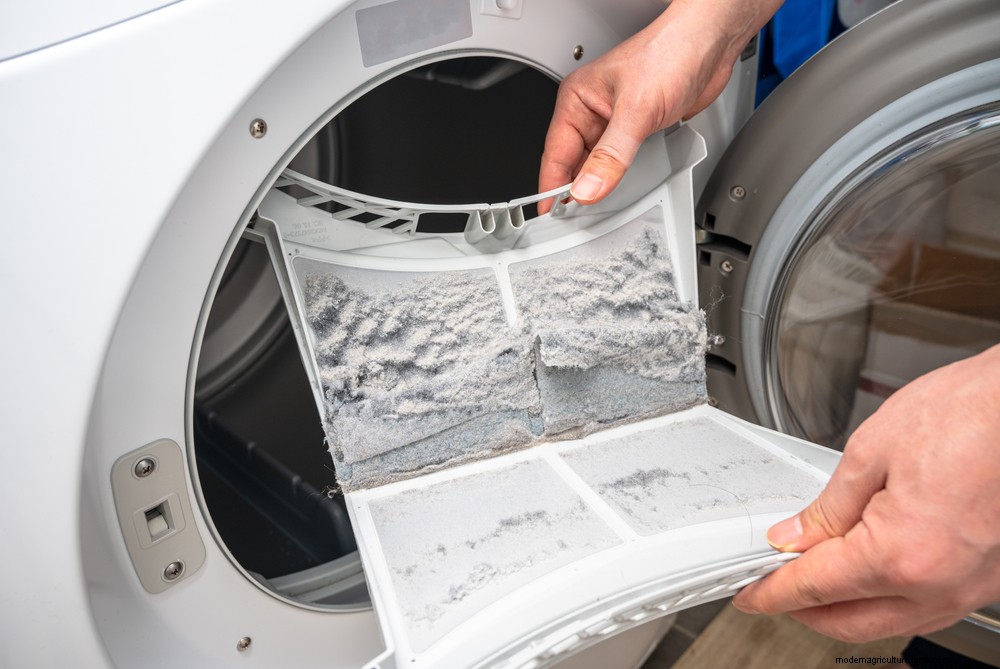
Only compost dryer lint from laundry loads composed of 100% plant or animal based fibers like cotton, wool, linen, and hemp. Avoid using dryer lint from acrylic, nylon, rayon, and spandex washes.
Rip these up into smaller pieces before adding.
Animal fibers from sheep, goats, alpaca, and camel should be shredded first.
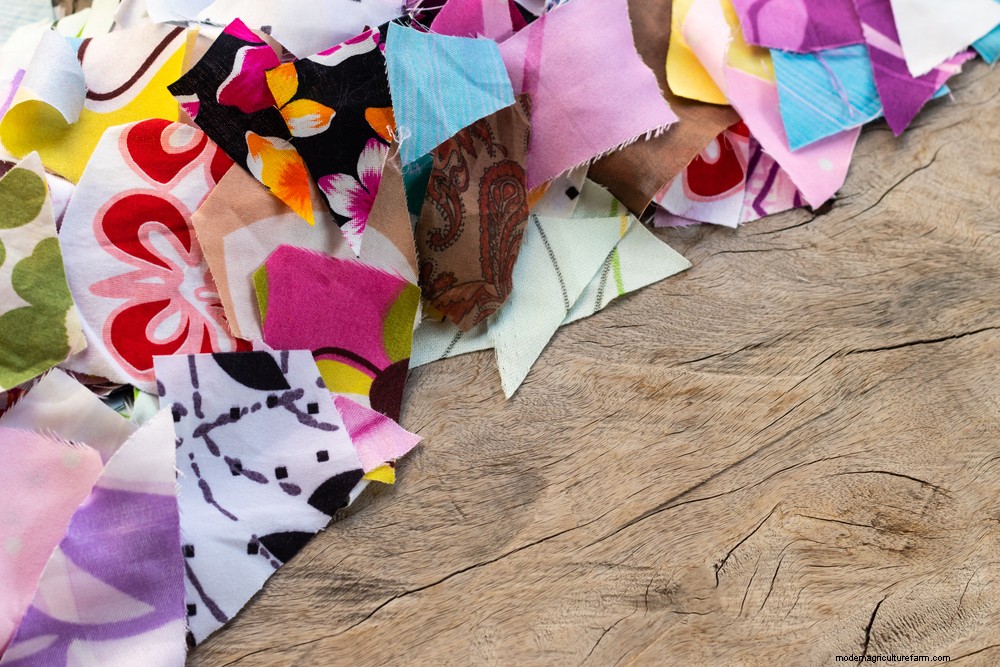
Tear up cotton clothing too before adding it to the pit.
Likewise, silk goods should be shredded up first.
It takes a long time for leather to break down so cut it up into very small pieces before adding.
Put your plain bills, invoices, scrap paper, and correspondence through the shredder first.
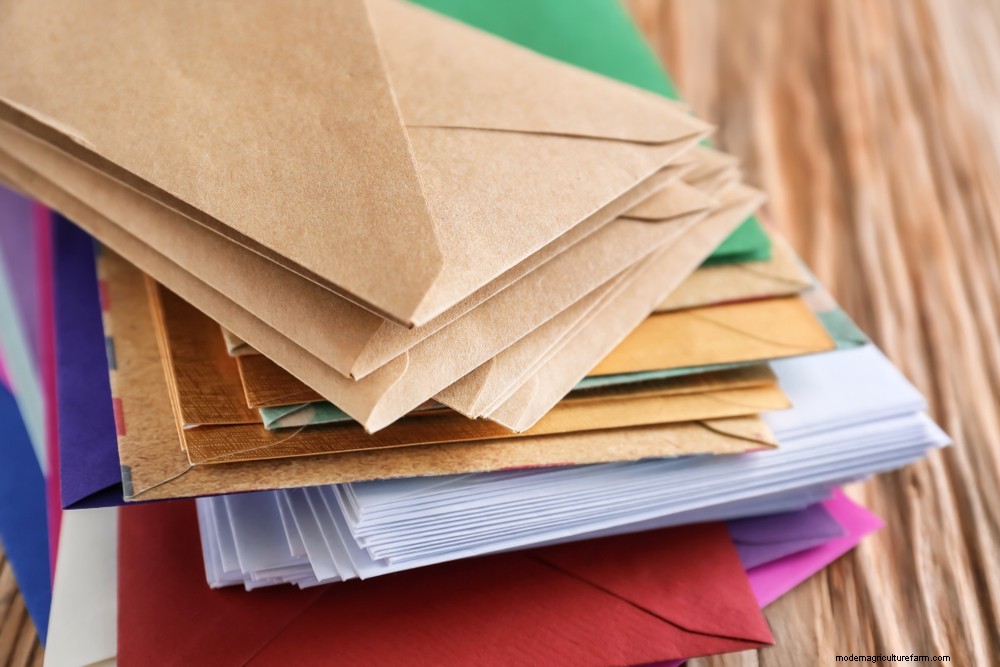
Plastic windows and padding need to be removed before shredding.
Only the non-glossy kind!
An excellent bulky source of carbon, shred or tear up cardboard into 1 to 2 inch squares. There are also many more practical ways to use cardboard in the garden that you may like to try before composting.
Run non-glossy newsprint through the shredder first.
Put unwanted ads to good use in the heap, but only the non-glossy variety.
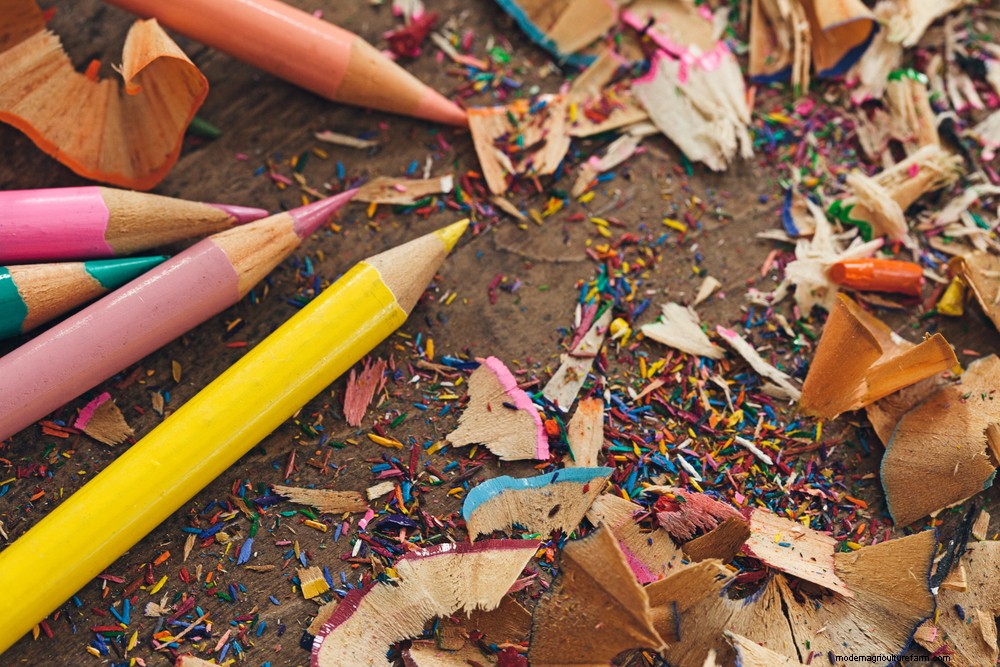
Empty pencil shavings into the bin for a little more carbon.
Adhesive strips on sticky notes, envelopes, and masking tape are typically made with water-based white glue, which is just fine for the compost heap.
The contents of the vacuum canister are often just dust, dirt, and hair.
When you clean with natural products (vinegar, baking soda, lemons, etc.) you can dump the waste water directly on the outdoor heap.
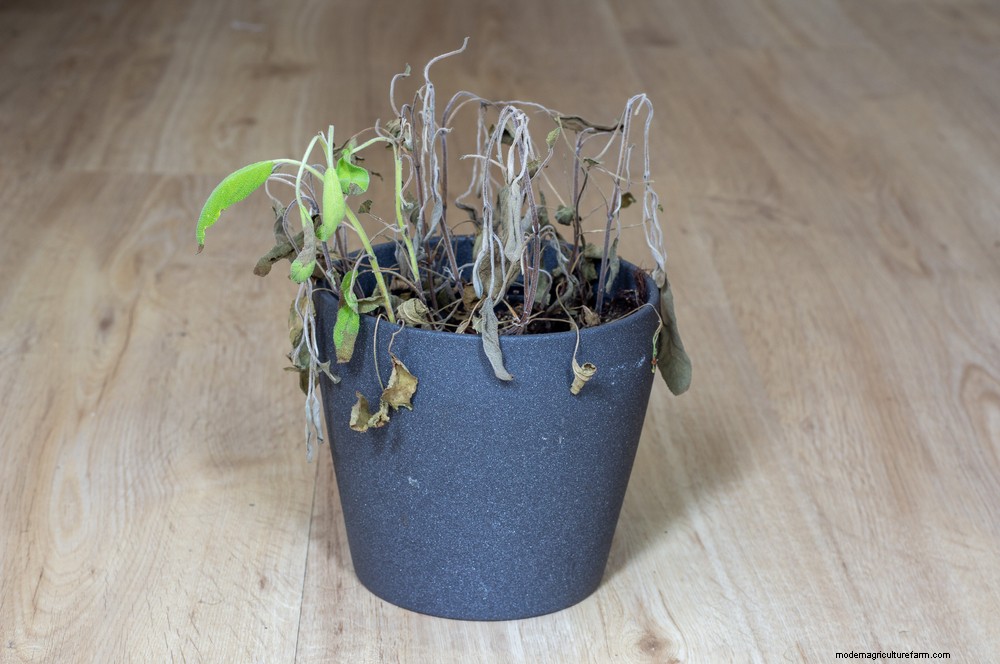
Give your beloved plant a proper burial in the compost pit.
When repotting houseplants, toss the old potting soil in the pile.
Dead foliage and leaf prunings can be added too.
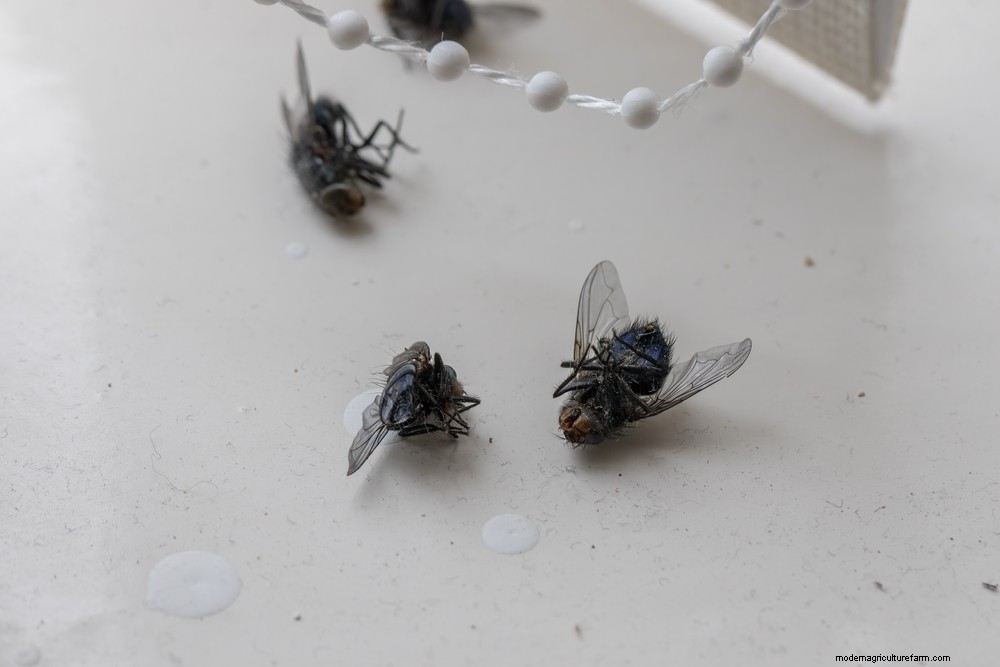
Swatted flies and dead spiders can go in the bin.
Cut flowers that are past their prime can be added as is.
Can be added as is.
Long matches should be broken into shorter lengths before adding.
Tear these up first.
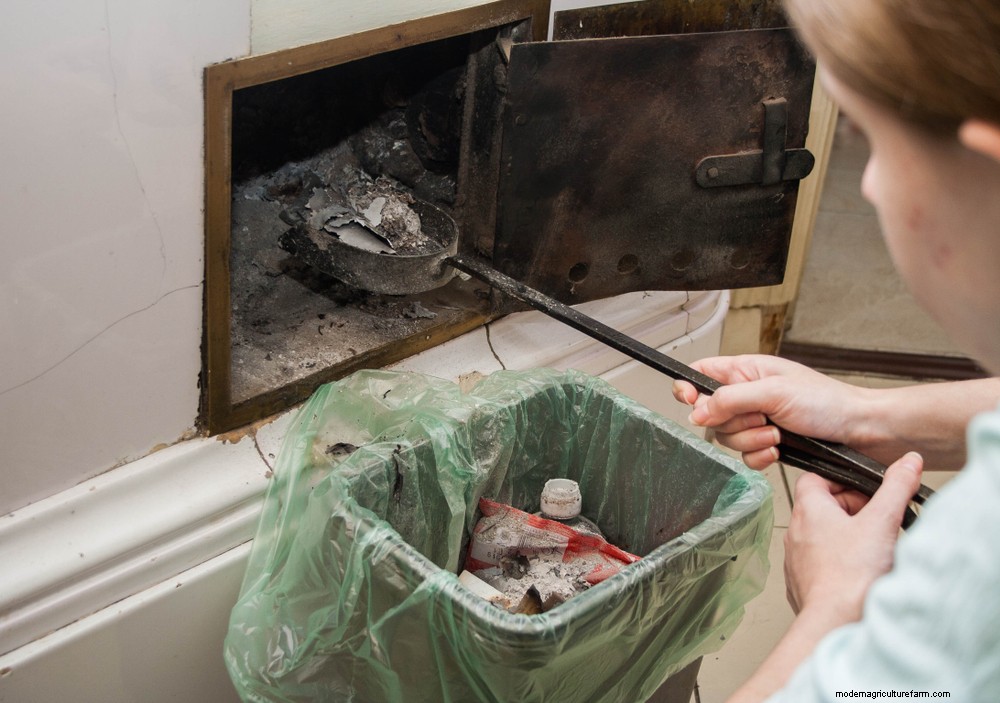
Wood ashes are quite alkaline, so only add these in moderation and consider some of the many other brilliant uses before deciding to compost.
Jack O’ lanterns, wreaths, garlands, and decorative hay bales can be chopped up and added to the pit. If you have a wood chipper, you could even add your Christmas tree!
That endless stream of pet fur can finally be put to good use.
Collect pet nail clippings after a trim to add to the bin.
Old cat and dog food, as well as fish flakes, can be safely added.
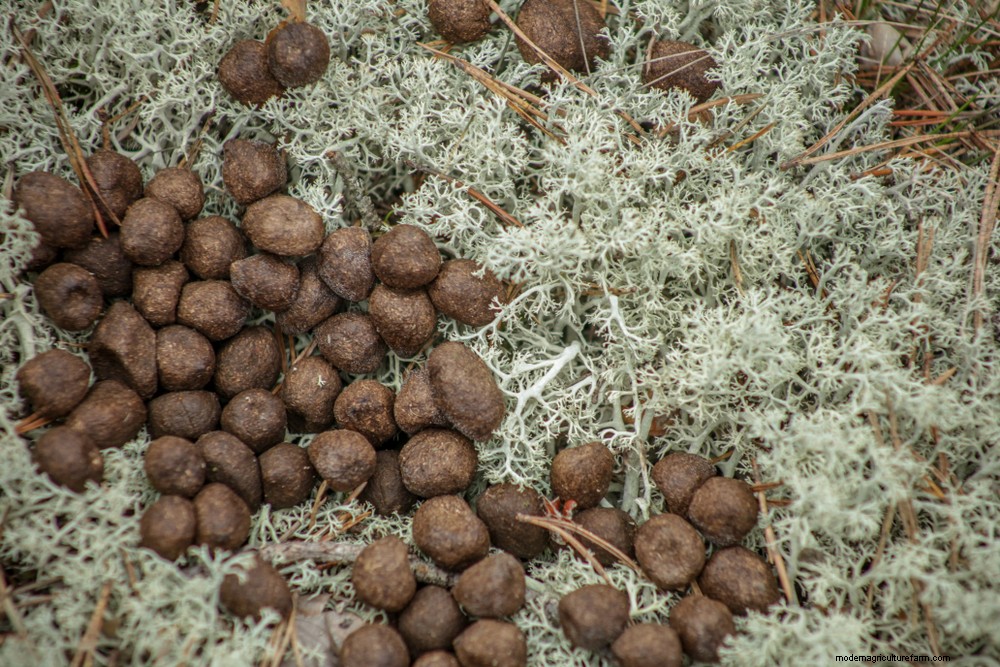
Droppings from rabbits, gerbils, guinea pigs, hamsters, and other vegetarian pets are great fertilizers for the pile.
Fish keepers can also dump the change water from freshwater aquariums directly into the heap.
Bedding and nesting made from paper and wood shavings are totally compostable.
Best added to the pile after they’ve dried out and have been run over with a lawnmower. Alternatively, make a dedicated heap for leaf mold.
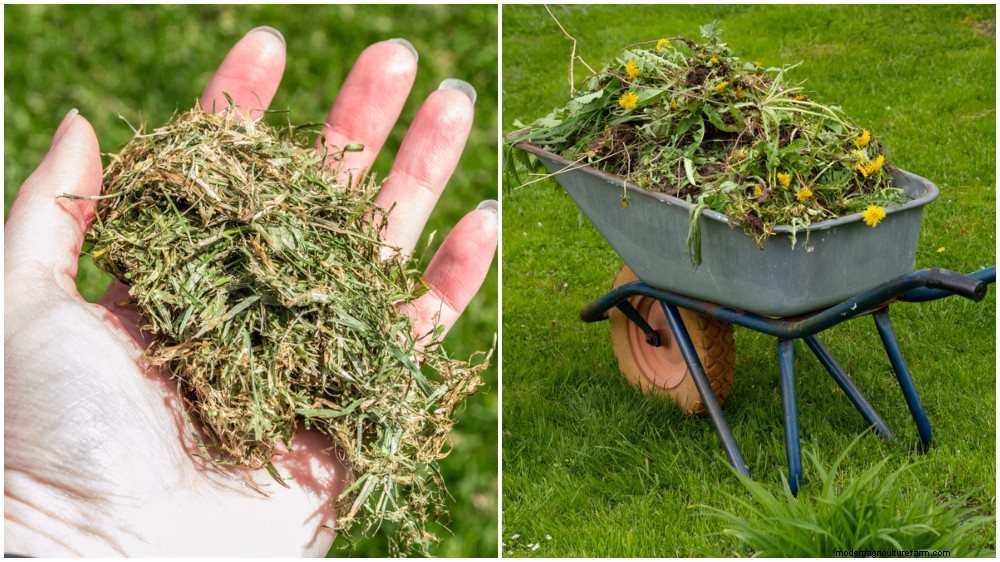
Freshly cut grass clippings are a source of nitrogen. Add them in smaller doses to avoid suffocating the pile. Here are some more ways to use grass clippings.
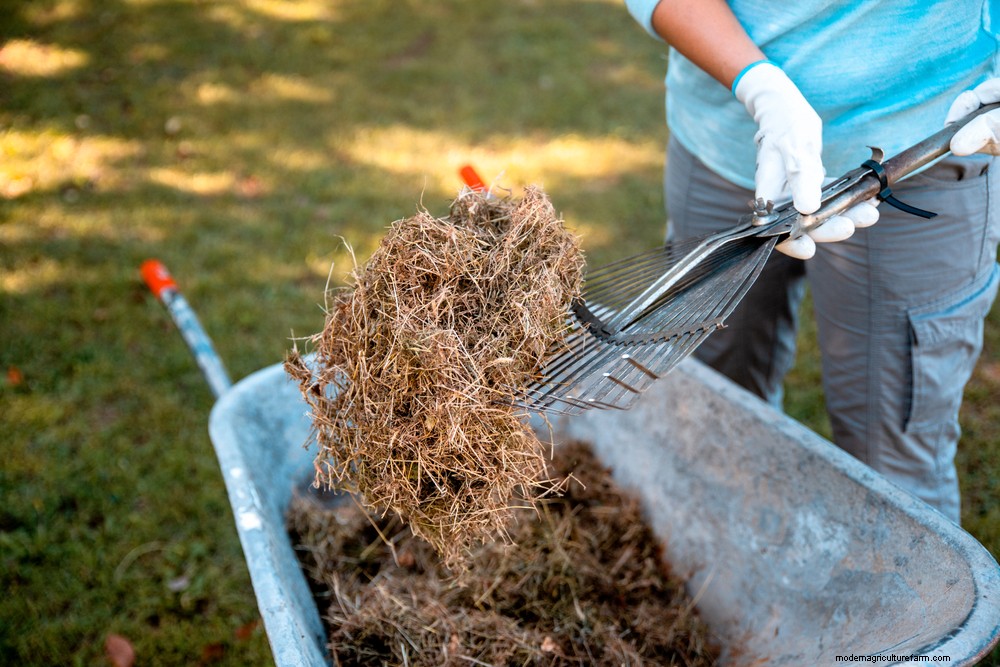
When green grass dries out completely, it becomes a source of carbon.
As with fireplace ashes, untreated wood ash from outdoor fires can be added to the pile in moderation.
Homesteaders and hobby farmers can add chicken, duck, goat, horse, sheep, and cow manure to the pile.
If you have a lot of sod to dispose of, you can make a standalone heap by piling it in layers, roots facing up, and keeping it moist. Otherwise, smaller amounts of sod can be added to the general compost pile.
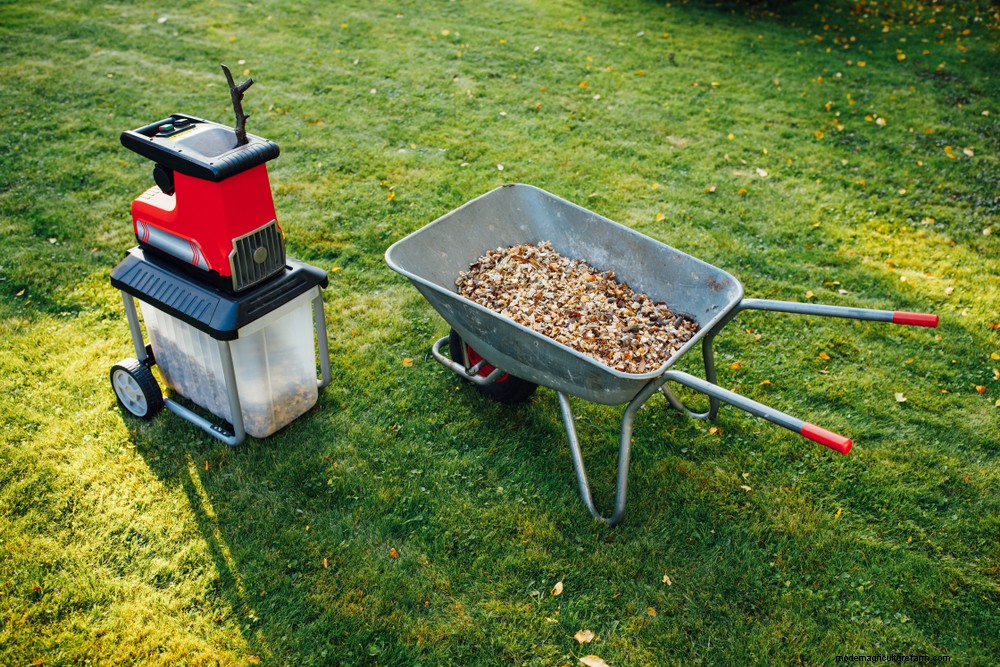
Be sure to chop them up or run them through the chipper.
Yard clean-up in spring is a treasure trove of carbon materials. Chop them up first.
Only add sawdust when it comes from untreated wood.
Larger pieces will need to be chopped up. Wood chips have a number more uses in the garden.
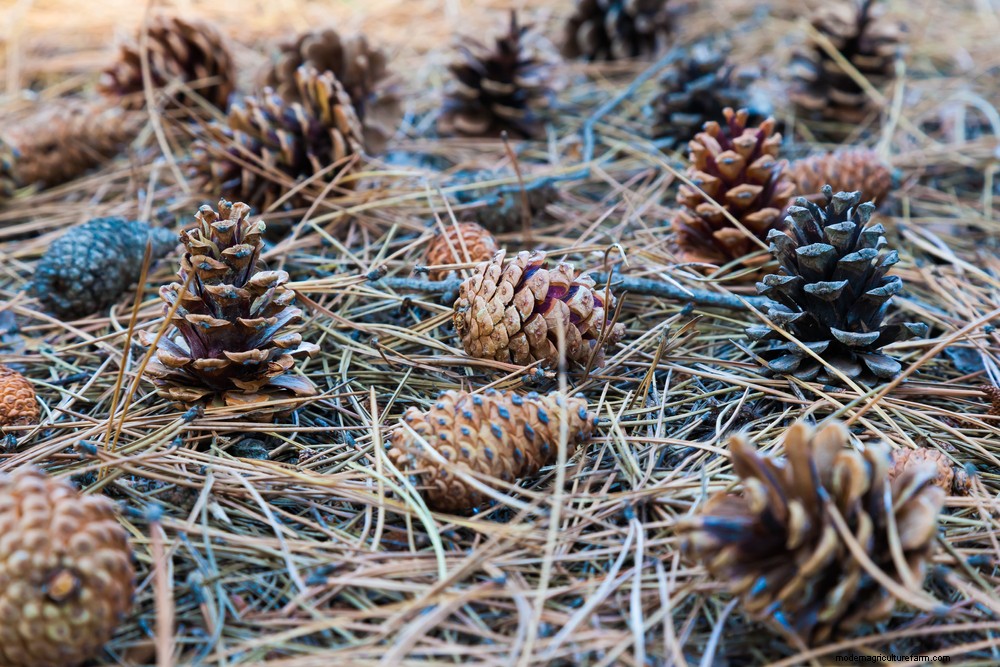
They can take quite a long time to break down but crushed pine cones may be added to the heap if you can’t find a better way to use them.
When dry and brown, pine needles won’t affect the pH of your finished compost. Add them sparingly since they will take some time to break down.
Here are some alternative, and more exciting, use for pine needles.
Perennial plants and shrubs can be added, provided they didn’t perish from disease. Woody types will need to be chopped up first.
Toss annuals in the pit when clearing the garden patch in autumn.
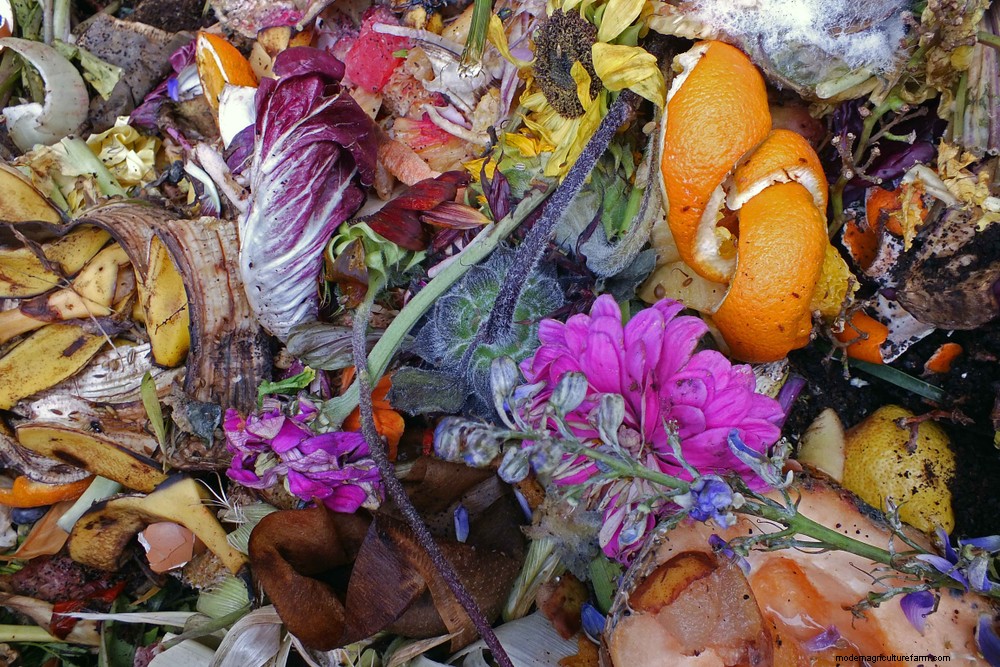
When petals and blossoms drop, sweep them up and add to the pile. Deadheaded flowers can also be added.
Toss carrot, beet, lettuce, onion, and spinach thinnings in the pit – or just eat them.
Hay and straw are both excellent carbon materials that help heat up the pile for faster decomposition.
Cut these up first.
Shred up old burlap bags before adding.
Bird nests are usually made from grass, twigs, feathers, and mud. Break them apart before adding.
It’s perhaps even more important to know what not to put in your home composter. Here are thirteen things way too many people try composting at home, but shouldn’t!
13 Common Things You Really Shouldn’t Compost


