Welcome to Modern Agriculture!

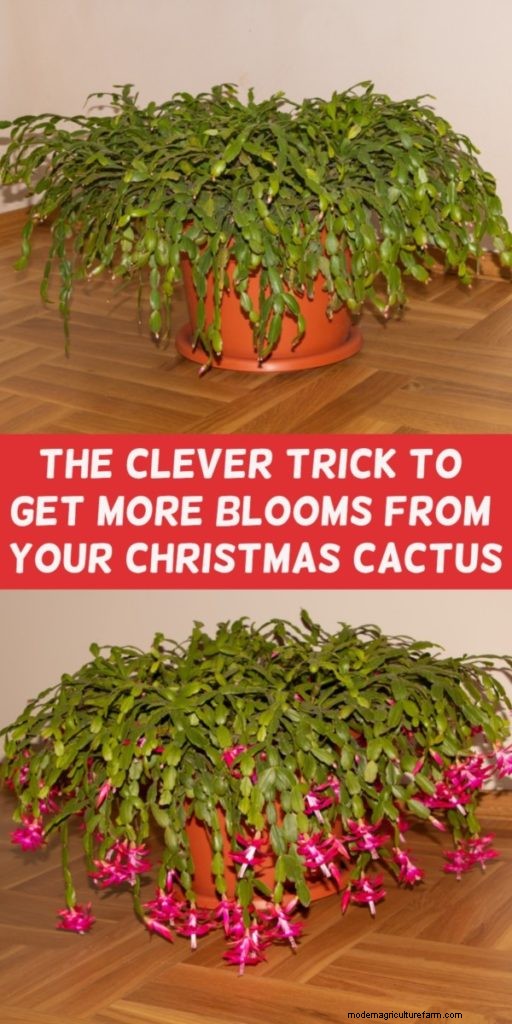
Christmas cactuses are easily one of the most misunderstood houseplants. The poor things have a reputation for never blooming or blooming when they aren’t supposed to.
It seems as though everyone knows someone who has one that’s been in their family for decades. Cuttings from grandma’s treasured plant are passed among family and friends. And it seems that Grandma is the only one who knows how to get the silly thing to bloom.
Related Reading: Why Is My Christmas Cactus Not Flowering? & 12 More Common Problems
However, once you figure out their secret, these beautiful plants will produce colorful blooms for you year after year. Soon you will be the one passing out cuttings from your treasured Christmas cactus. (No need to be a grandmother, although it might help.)
As I mentioned, the most common complaint among Christmas cactus owners is that their plant never blooms or doesn’t bloom anywhere near Christmas.
When it comes to Christmas cactus, we’re actually talking about three different types of cactus all from the Schlumbergera family. At first glance, they may appear to be the same plant but on closer inspection, you can easily distinguish the difference between the three.
As such, they’re commonly known for the holiday they blossom closest to or simply as a holiday cactus.
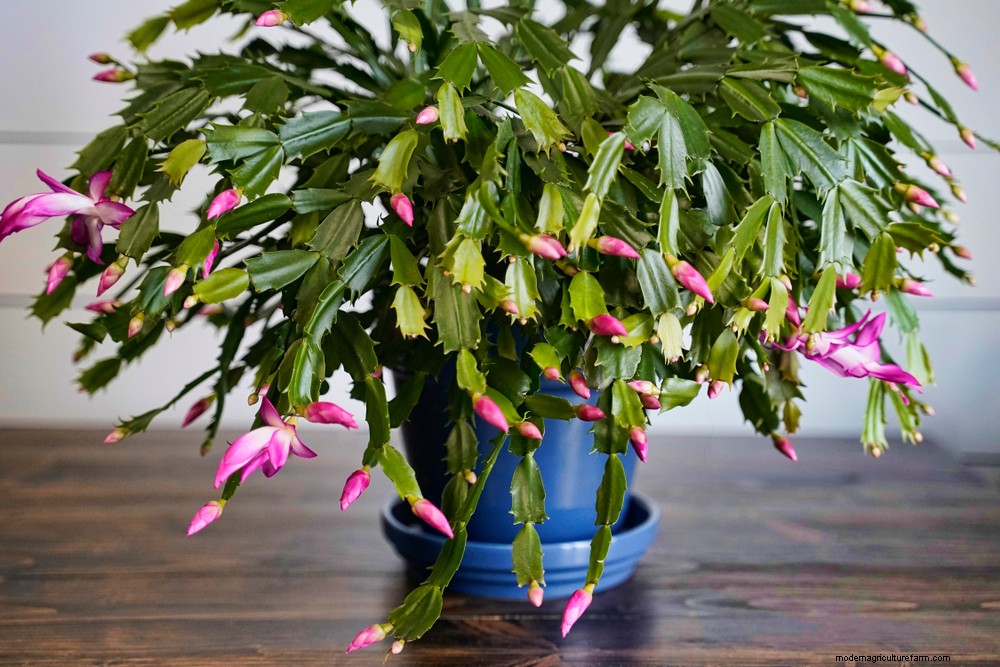
Simply put, they are the easiest for growers to have ready to ship so that they will arrive in stores with buds that are ready to bloom around the holidays. These cacti are what you see flooding every garden center or home improvement store around November.
Later in this article, I’ll show you how to tell which holiday cactus you have. But for now, let’s figure out how to make this plant happy.
Despite being a cactus, their care preferences are more of what you would expect from a tropical plant. Native to Brazil, they generally show up in the crooks of trees and on jagged rocks. Their preferred natural habitat tells us what growing conditions they like best.
Holiday cactuses need lots of bright indirect light. An eastern facing window is a perfect location for your plant. They love the same kind of warmth that we are comfortable in, preferring temps between 60-75 degrees.
These plants can even be grown outside if you live somewhere the temperatures do not fall below 50 degrees. They do best on a porch or under a tree, where they are protected from direct sunlight.
You can put your plant outside during the summer and bring it in when the weather starts to cool down in the fall. Just remember that they do not tolerate cold and frost, so be sure to bring your plant in before the temperature falls below 50 degrees.
As I said earlier, the holiday cactus is more like a tropical plant than a desert-dwelling cactus. Give them a good soaking when you water the plant and let them dry out between waterings.
These guys don’t like wet feet at all and prone to root rot, so it’s essential that their roots don’t sit in water. If your pot sits in a saucer, be sure to dump any excess water out.
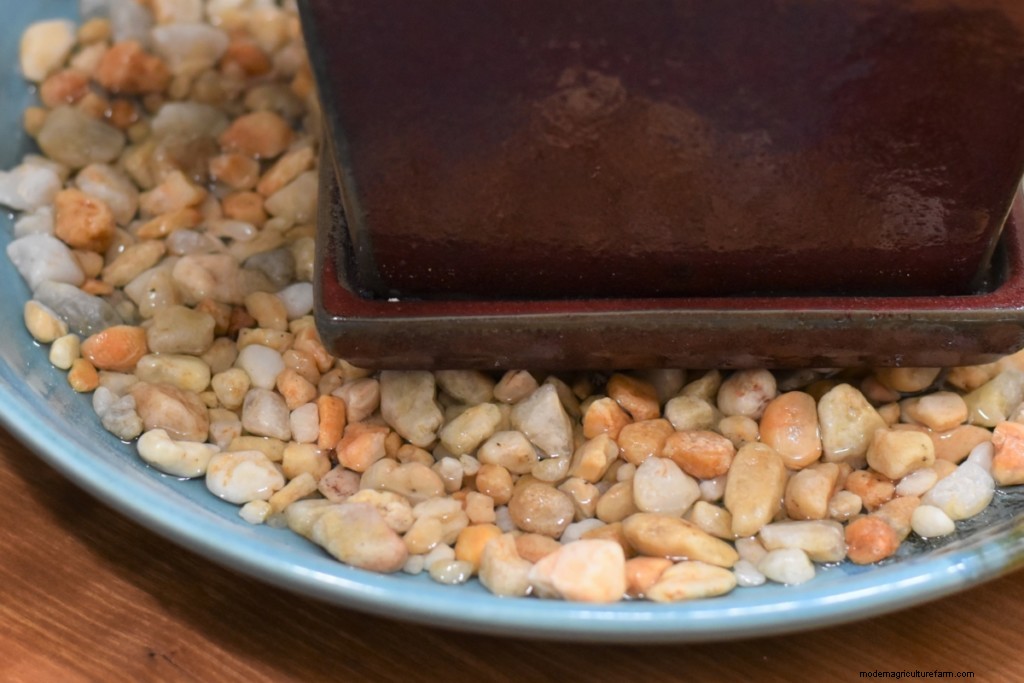
Christmas, Thanksgiving, and Easter cacti prefer a humid environment. If you don’t live in this kind of climate, you can provide your cactus with the humidity it needs by placing the pot on a flat dish or saucer filled with pebbles and water. The water will evaporate and keep your plant happy. Just be sure water is below the stones and the pot isn’t sitting in water.
In their native habitat, these plants don’t grow in soil per se; rather, they grow in spots where dirt and debris would collect. Think about the crook of a tree or a shallow indent in a rock where natural litter would accumulate. They prefer similar soil when potted. Choose a good cactus or succulent potting mix that drains well.
The holiday cacti prefer to be a little root bound, so let them get crowded in their pot. You really only need to repot them every few years. When you do replant them, choose a new container that’s only slightly bigger than the old one.
Feed them with a good houseplant fertilizer. After the plant has finished blooming and once it begins to show new leaf segments, you should fertilize your cactus every couple of weeks. This will support new growth.
While the plant is actively blooming, feed it about once a month.
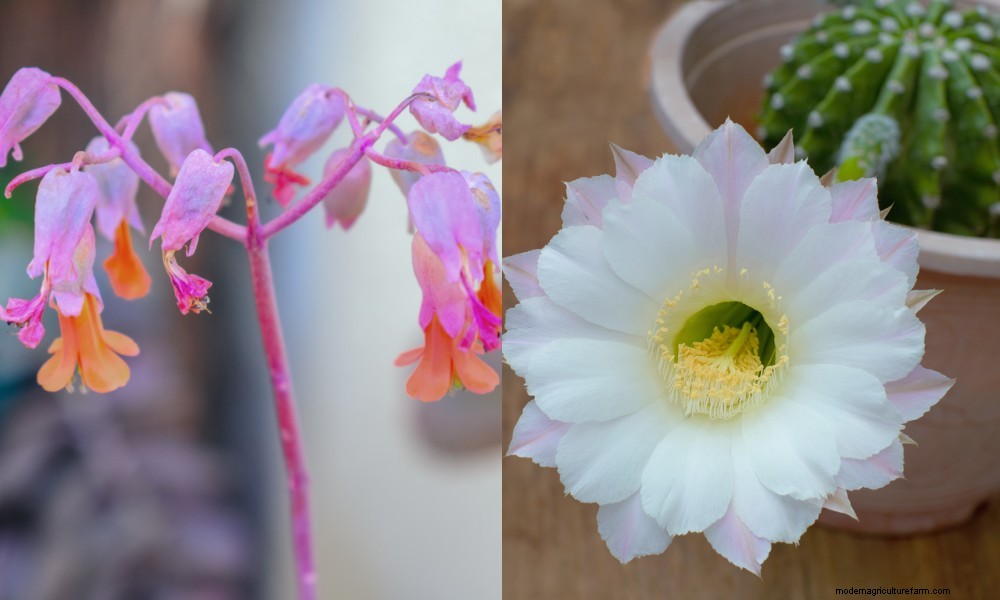
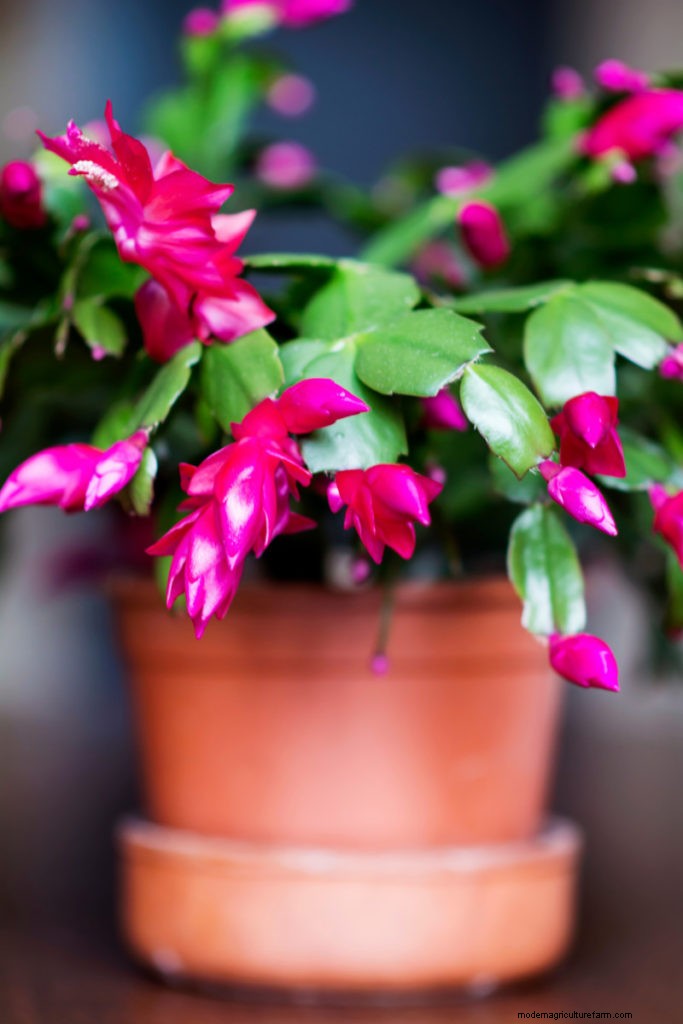
These cactuses have beautiful blooms with delicate petals of pink, fuchsia, orange, white, or even purple. But how do you get these silly things to bloom anyway?
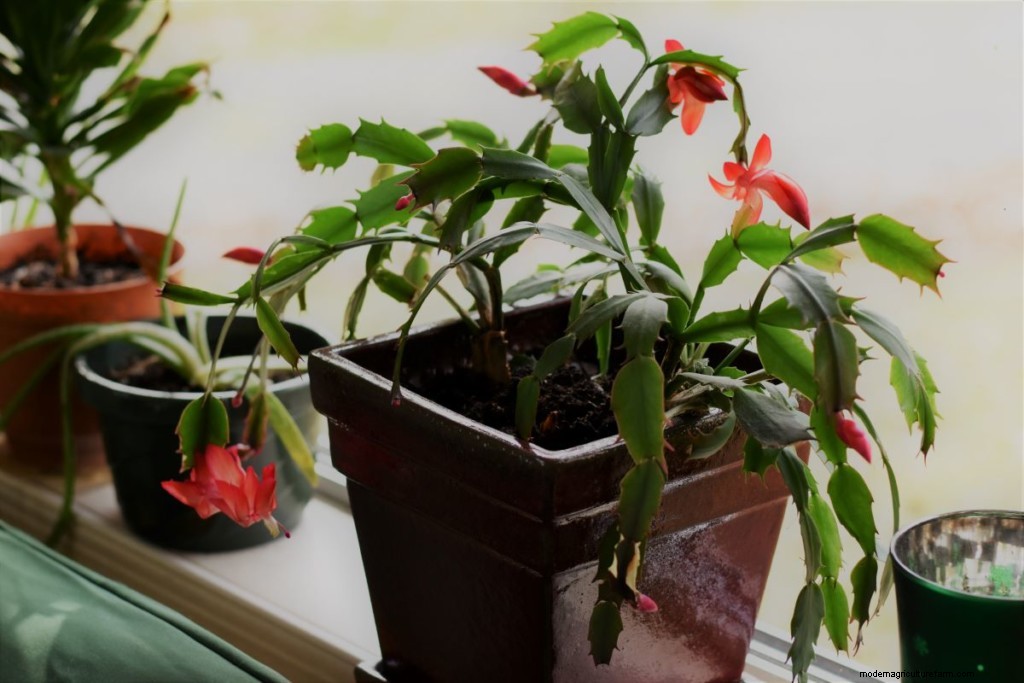
Holiday cactus will bloom after a period of dormancy around four weeks long before their namesake blooming period. You can help this process along by giving it what it needs to bloom – longer, cooler nights.
Keep your plant in the dark for about twelve to fourteen hours a day. If you don’t have a place to put your plant where it will be in the dark, you can cover it gently with a bag or box.
The plant will also need cooler temperatures between 50-55 degrees to set buds.
Once your cactus begins to set buds at the very tip of its segments, you can move the plant back to its usual location.
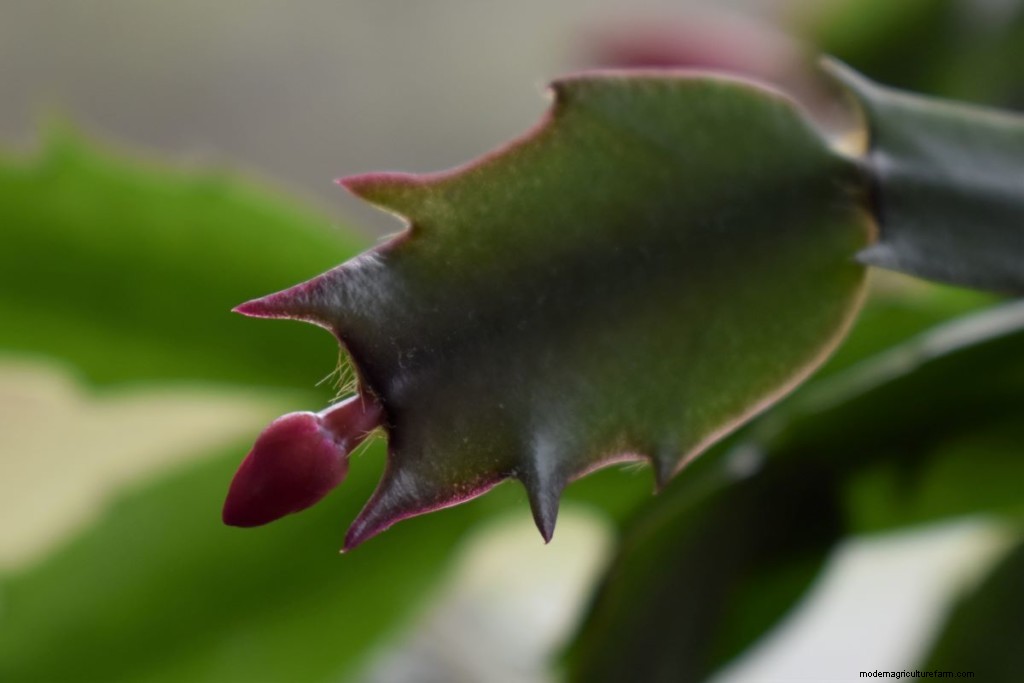
Holiday cactus can be temperamental and drop their buds if disturbed too much. While the plant is budding, be sure to water it regularly, keep it out of drafts and away from heat sources, and try not to move it around a lot.
As long as your plant goes through this dormant phase, your cactus should provide you with beautiful blooms every year.
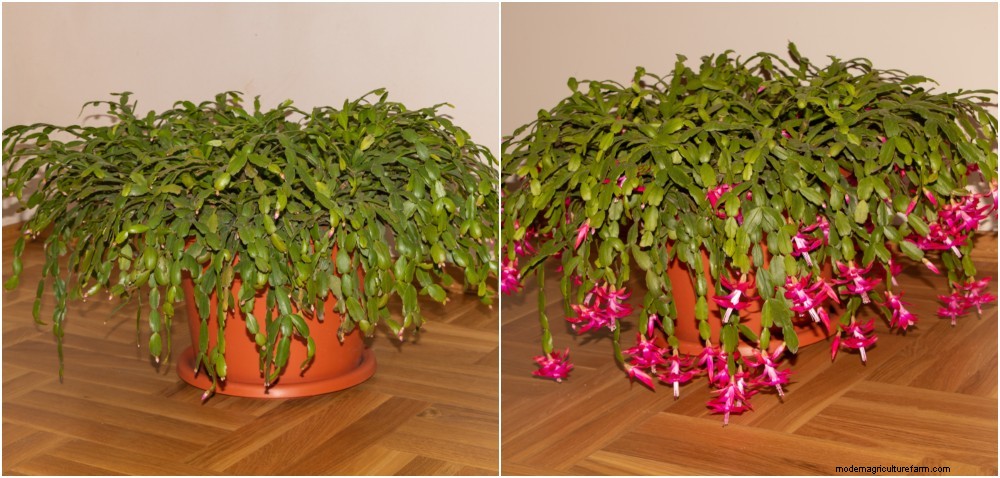
Once your plant has finished blooming, let it rest for a month or two. After the resting period is a good time to trim the plant back if it’s getting too leggy or you don’t like its shape. Trim it back to the desired length by clipping it at the base of a leaf segment with a pair of sterilized scissors.
Save these segments to propagate and share with friends and family. Let the leaf segments callous over for a few days after cutting. Then tuck each section 1” deep into a pot of fresh soil.
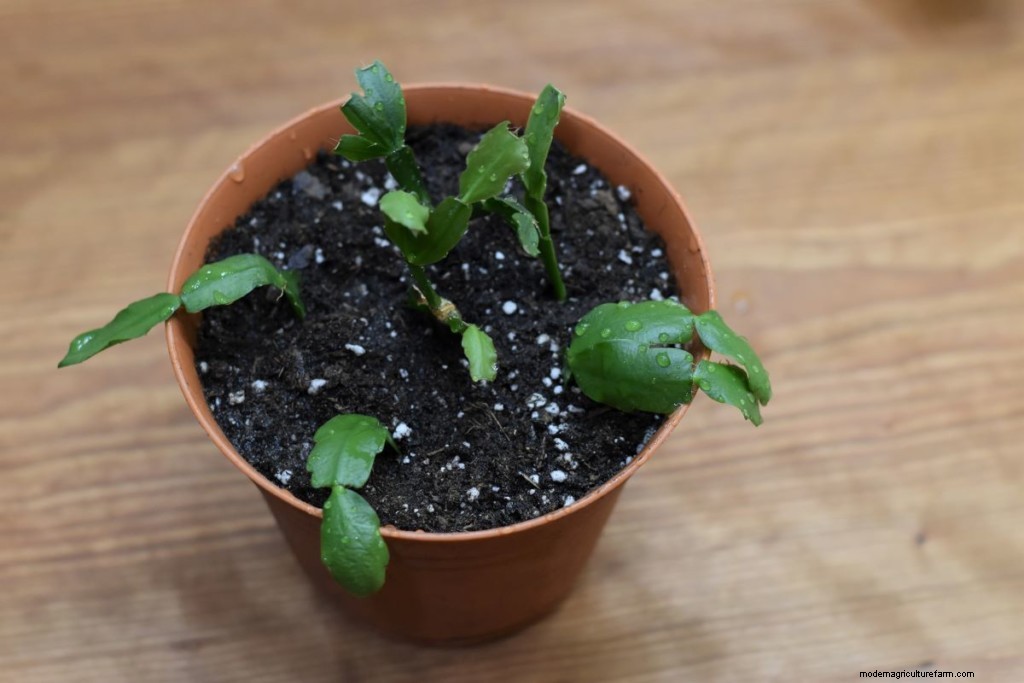
Water them sparingly while they are putting down roots. The plant should be well established within a couple of weeks, at which point you can water it normally.
Take a look at our complete step-by-guide to propagating Christmas cactus – or any other holiday cacti here: How to Propagate Christmas Cactus + 2 Secrets To Big, Blooming Plants
Don’t forget to share with family and friends, especially if you have a true Christmas cactus. They are tough to find!
Holiday cactus are not poisonous to cats and dogs.
These cacti are generally pest-free.
Over-watering can lead to root rot. If your plant starts to look sickly and begins to drop entire segments, stop watering it. You may wish to dig out some of the dirt and expose the roots so they can dry out. Consider using terra cotta or other breathable clay pots for holiday cactus rather than plastic containers.
If your cactus leaves turn a reddish-brown, they may be getting too much sun or not enough water. Move your plant to a location with less direct light and water it a little more.
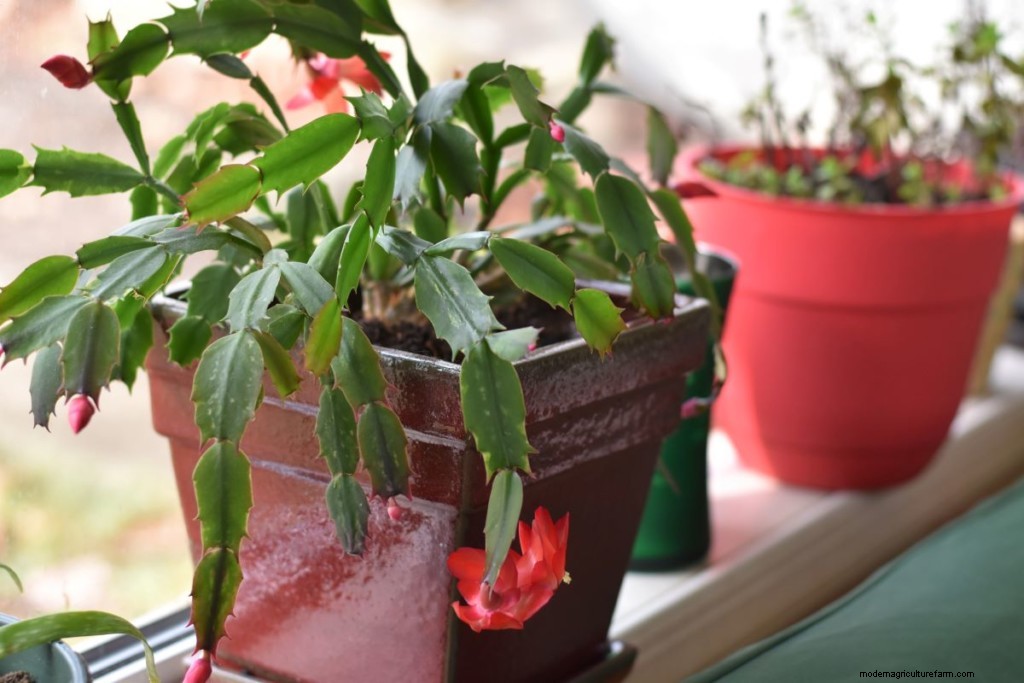
So how do you know which holiday cactus you have? Take a look at their segments.
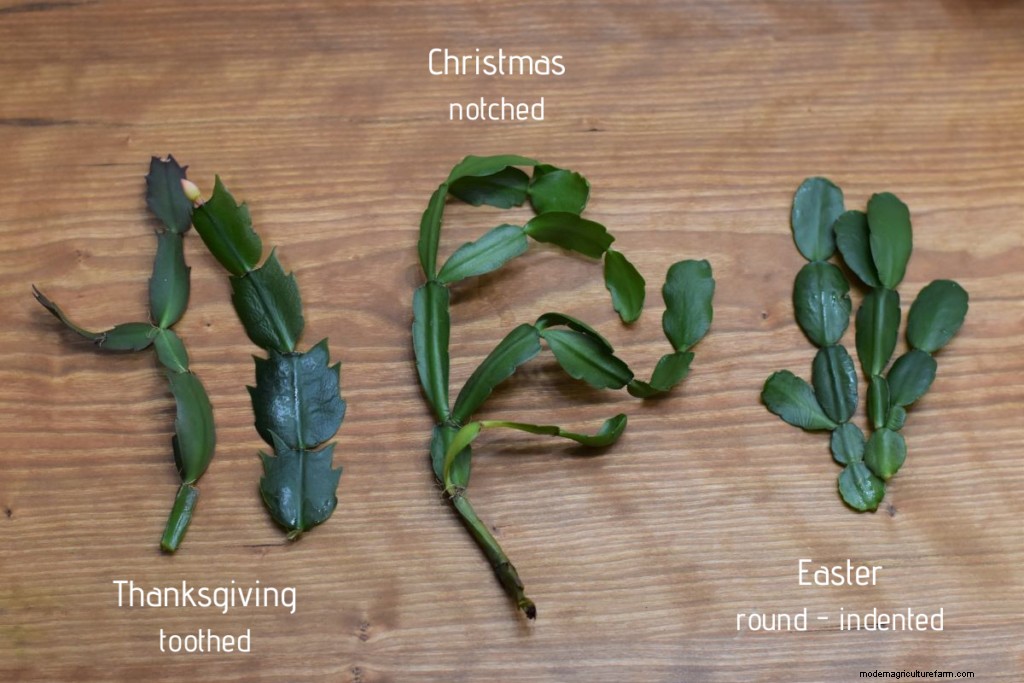
The Thanksgiving variety has pointed teeth at the top of each segment, and the same on their sides. The segment is elongated and slightly boxy.
The Christmas cactus has a similar boxy-shape, but with notched sides, rather than teeth.
Finally, the Easter cactus has very rounded leaf segments with shallow indents on its side.
When they bloom, both the Thanksgiving and Christmas cactus have tube-shaped blooms, whereas the Easter cactus has a more daisy-shaped flower.
With proper care, you will be enjoying the beautiful blooms of your holiday cactus for years to come, maybe even decades. They are incredibly long-lived plants, just made for sharing.