
Welcome to Modern Agriculture!

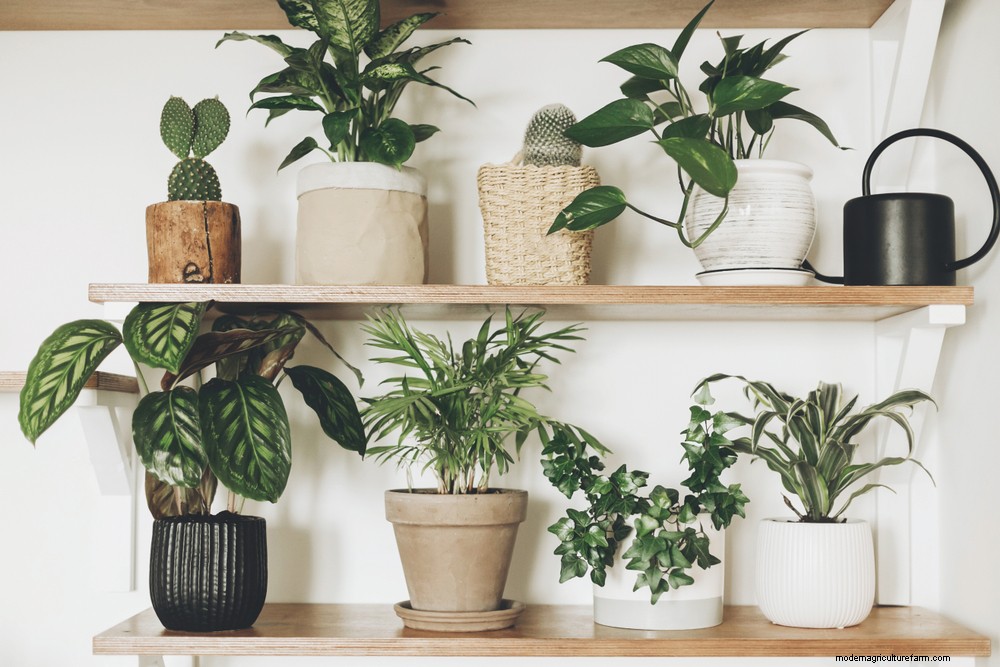
Chris Collins, head of organic horticulture at Garden Organic, is passionate about the positive impact of houseplants on mental health. He believes that as we spend more time indoors this winter, it’s more important than ever to incorporate houseplants in the home for a wellbeing boost. Find out how best to cultivate your houseplants with his tips on winter houseplant care.
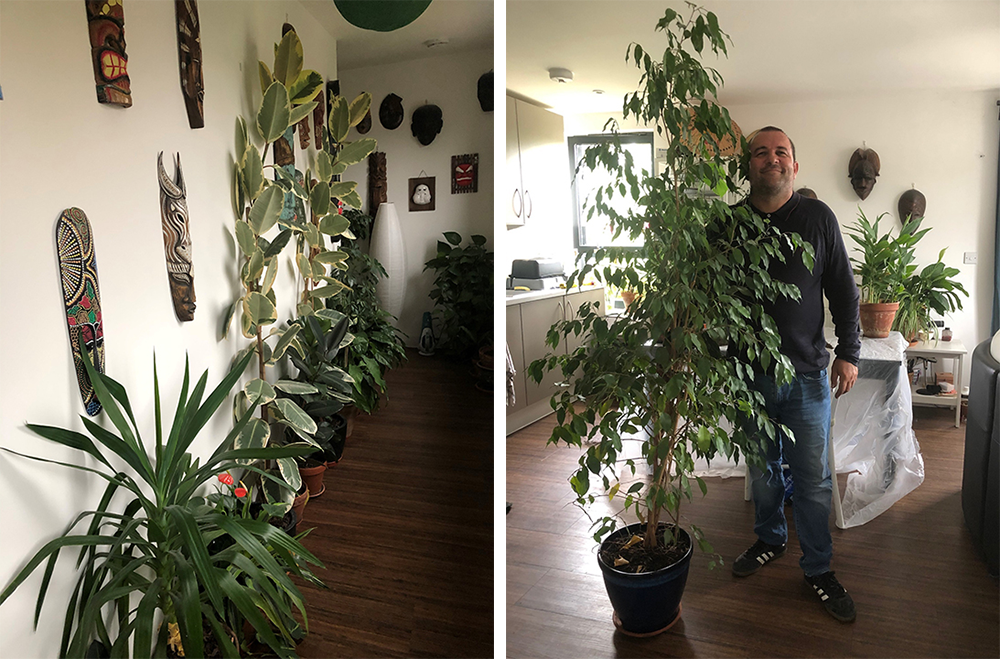
“I wouldn’t be without my houseplants at home,” says Chris. “They’re almost like flatmates. You become familiar with them as individuals as you watch them get bigger, and develop a personal relationship with them. It’s a very simple pleasure.”
“I also really enjoy reading in my ‘rainforest chair’, which sits in a corridor that I’ve filled with houseplants. It really unwinds me in the evenings. These plants soften the hardness of rooms, exuding a feeling of peace. It is easy to take them for granted but at the end of the day I couldn’t imagine life without them.”
Houseplant growth slows dramatically in winter, with the shorter days and lower light levels. Houseplants can handle this without issue but attention to watering and temperature levels is vital.
Sudden changes in temperature will cause leaves to drop or brown around the edges. The solution is usually as simple as making sure you don’t place your plants too close to heat sources such as radiators.
You should water much less over winter – every two or three weeks is a good rule of thumb, though this is species dependent. The dormant nature of houseplants during the coldest months means they will not be drinking nearly as much and any excess water will just sit in the soil.
Make sure you gently press your finger-tips into the soil to check its moisture levels before watering. If the plant is bone-dry, a small drink is required.
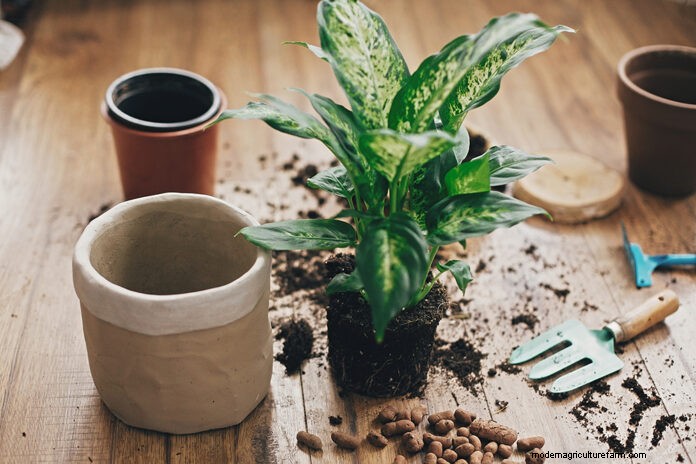
There is no hard and fast rule to repotting houseplants, but I prefer to pot mine on in late winter – around the beginning of March. This gives plants a boost as the new growing season kicks in, allowing them to put on fresh root growth.
I like to keep my growing medium nice and open. I mix in some fine bark, which provides good drainage and prevents the soil from becoming too wet. If a plant is particularly rootbound in its pot, however, it’s no problem to repot in the autumn instead.
Overwatering is the main killer or weakener of houseplants over winter. Often, weakened plants will also be susceptible to pests such as scale, mealy bug or whitefly.
If any of these pests are present, clean them off with a damp cloth and pick over any dead or dying leaves. A good organic liquid feed with diluted seaweed extract toward the end of the summer will also encourage a healthy, more resilient plant.
It is also important to ensure your houseplants are not subjected to sudden temperature changes in winter. With the heating ramped up, keep plants away from the main sources of heat. Equally, make sure they are not in a drafty spot.
It’s quite common for houseplants to be sold in poor compost. Once you’ve got your plants, pot them on into a good peat-free compost mixed with a small amount of bark and loam. If you pot on these plants every March, they will turn into good sized house mates.


