
Welcome to Modern Agriculture!


Head gardener Emma O’Neill has been busy at work in the new organic demonstration plot at Garden Organic’s Ryton Garden in Coventry. After a patchy beginning caused by mounds of hardcore and several lockdowns, the young hedges growing in the pottage garden are now thriving and happy.
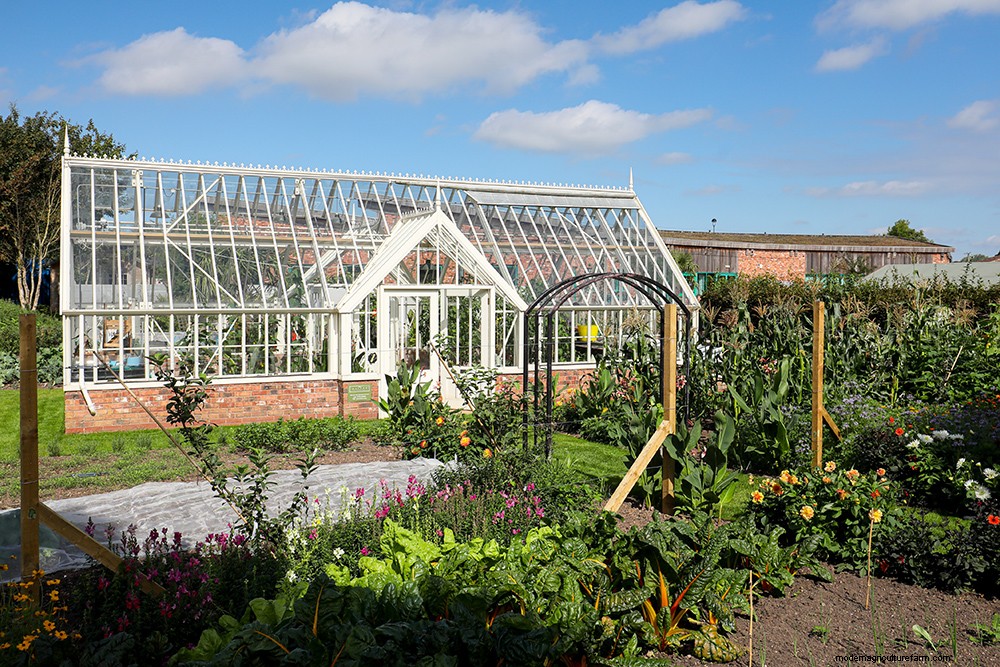
Hedges are used as boundaries in our organic pottage garden. In the centre is a large Alitex glasshouse where we do all the propagation, surrounded by four large beds for crop rotations (two no-dig, and two dug). We’ve also got cordon fruit trees and bushes, a perennial vegetable bed, a pond and a wildlife border.
As a demonstration garden, we want to showcase as many types of hedging plants as possible and prove it’s possible to grow anything the organic way.
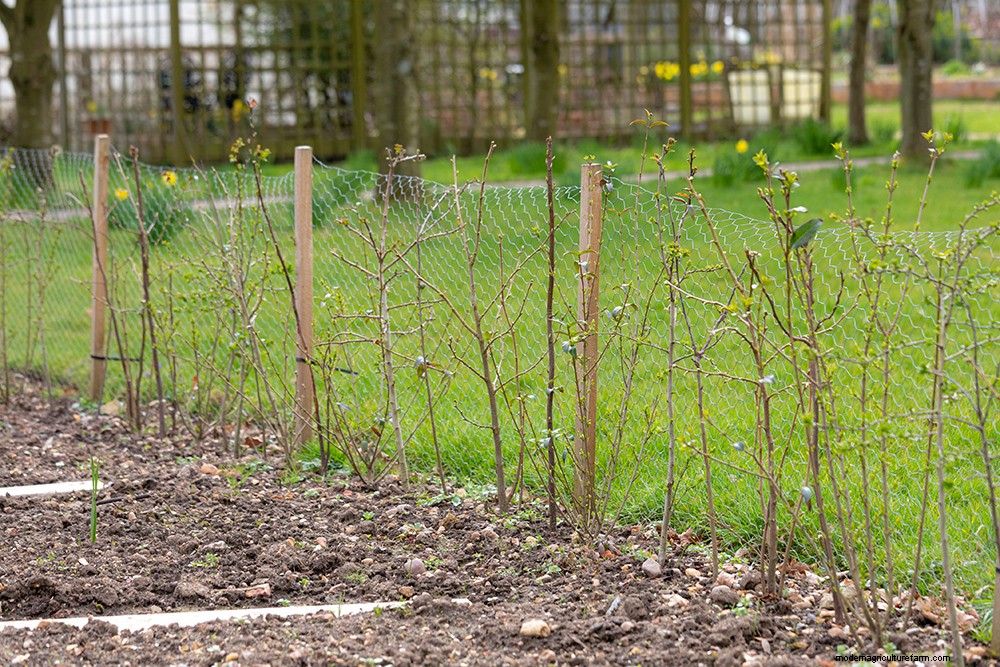
Native hedges are going to do better in your garden because they are suited to the climate and conditions here. It’s also important to support local businesses by buying locally.
Our British native hedge runs the whole length of one side of the garden. It’s a mix of bird cherry, crab apple, hazel, privet and hawthorn in equal proportions. These varieties were recommended as being particularly good for birds and, as organic growers, we need all the help we can get from our feathered friends!
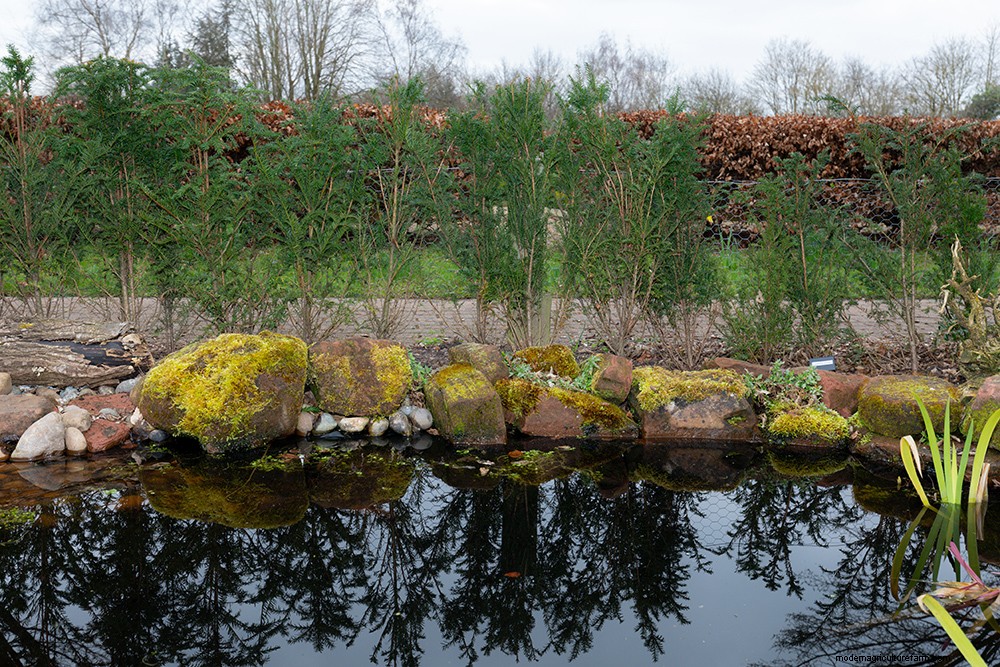
This is an evergreen hedge, which is a good choice if you’re after immediate impact. We picked this and the Thuja hedge to block off the old garden straight away. It’s at the back of the wildlife border so it’s good for shelter and as a wind break.
Another great thing about yews is you can cut into the old wood, so they’re easier to maintain than other conifers.
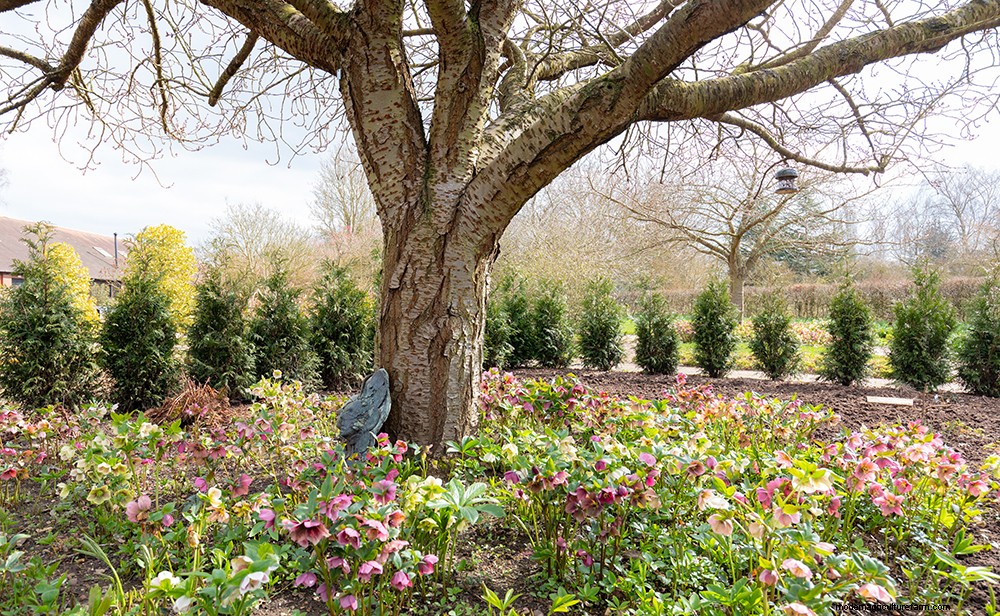
The Thuja hedge is pineapple scented, plus it’s a different type of conifer that will tolerate being pruned. This one is also evergreen.
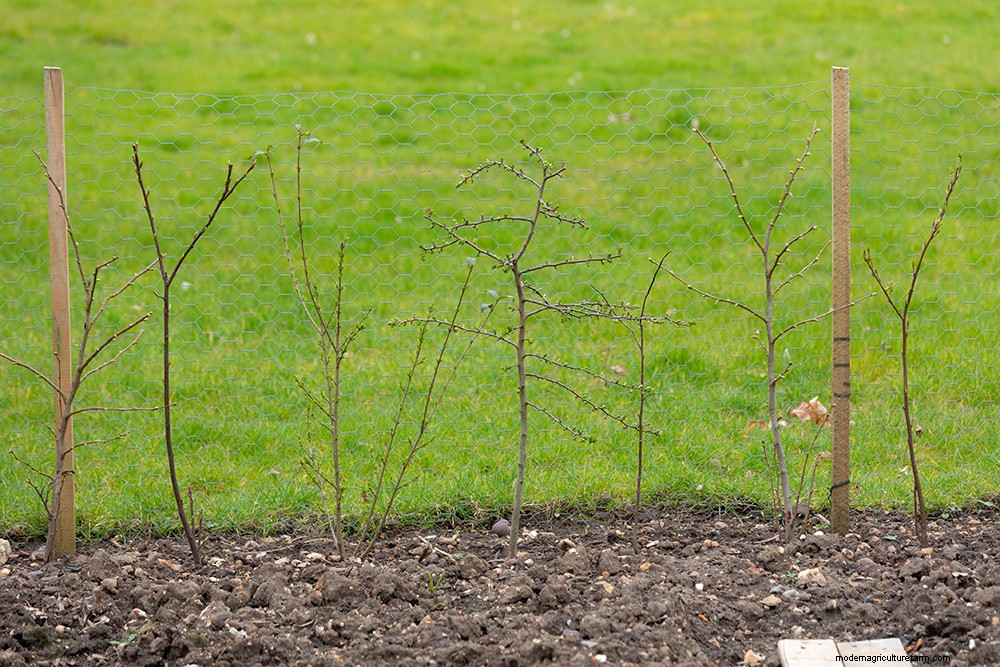
When planting a hedge, many growers pick larger, more developed hedging plants for instant impact, but it makes sense to go smaller if possible. Younger hedges have a less developed root system and will therefore settle in and start growing quicker.
The most important thing is to prepare the ground well. The first national lockdown meant that we could only water the new hedges once a week for several months, but they’ve done surprisingly well because of the work we put in before planting them.
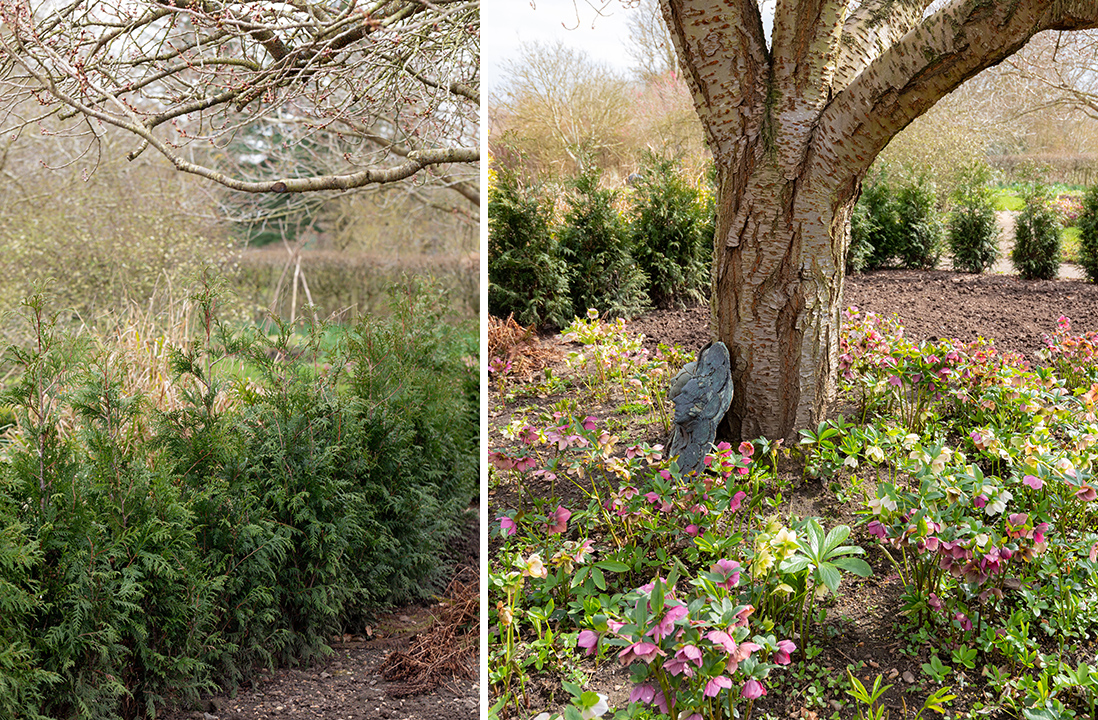
Planting a hedge in your garden is a good idea for several reasons. A hedge will significantly increase the biodiversity in your garden as well as improving the surrounding conditions.
Ryton Organic Gardens is currently closed to visitors while the team finishes the new demonstration garden. Once complete, it will be open to members and the public on open days throughout the year.


