
Welcome to Modern Agriculture!

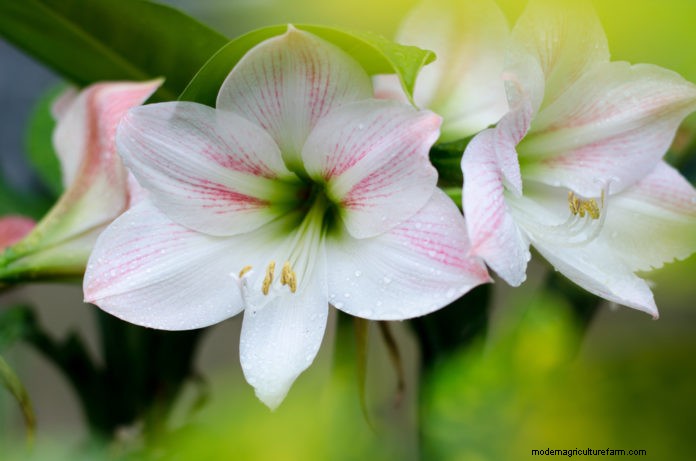
The potted bulbs sold as ‘amaryllis’ at Christmas are really varieties of Hippeastrum, but renaming a Christmas institution is not an easy thing to do so we’ll stick with the name that we all know.
If you’re given one of these bulbs for Christmas, don’t be intimidated. It’s very straightforward to coax them from a bulb with a tiny green shoot to a towering plant producing large, colourful trumpets of flowers.
Once you’ve taken it out of its festive wrapping, here’s what to do to your amaryllis bulb in order to get some beautiful flowers. Follow the same instructions if you’re potting up a bulb hoping it will be in bloom in time for Christmas. Amaryllis take between 6-8 weeks to flower, so pot up by mid-November to get flowers in time.
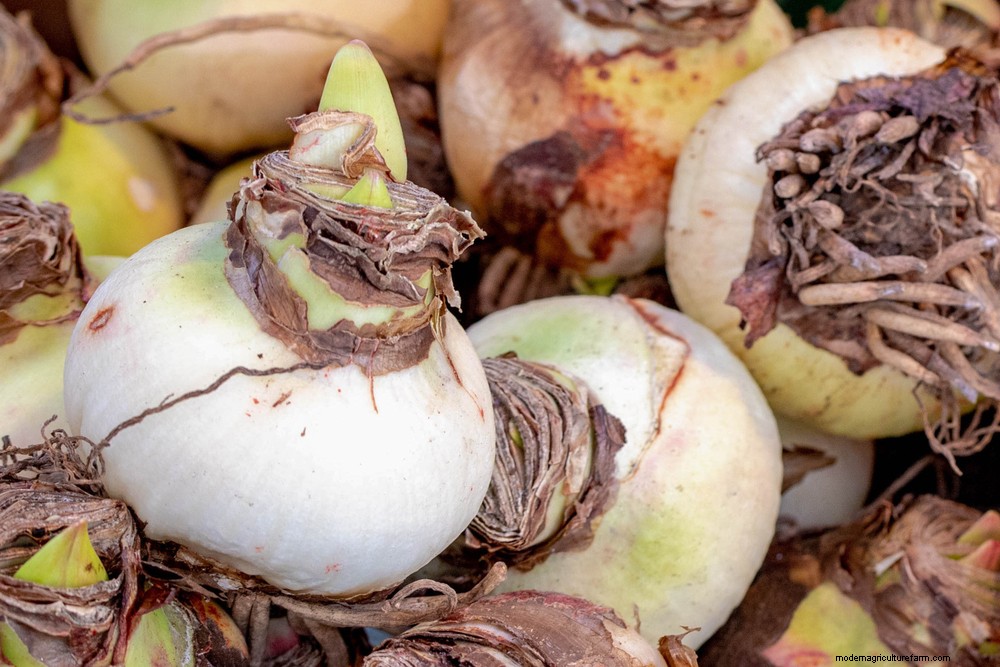
After the flowers have faded, cut back the flower stalk to the base. Continue to water and give the bulb an occasional feed – the leaves will continue to grow. During summer, you can move the pots outside to a sheltered part of the garden where the bulbs will continue to grow.
In early autumn – around mid to late September – the aim is to induce the bulbs into dormancy, so move them to a cool place and cut back on the amount of water they’re given so they dry out. The leaves will turn yellow and start to wither, at which point you can remove them. Keep them like this for one to two months, then bring them into the house and start to water again, triggering them back into growth. It’s worth remembering that most amaryllis naturally flower in spring, rather than Christmas – it’s only specially prepared bulbs that flower in time for the festive period – so don’t be surprised if the bulbs flower ‘late’ in subsequent years.
Don’t forget to sign up for our monthly The English Gardener newsletter, bringing you all the practical gardening advice you need throughout the year. Sign up on the right of this article.
Need plants or gardening kit? Visit our directory of suppliers.


