
Welcome to Modern Agriculture!

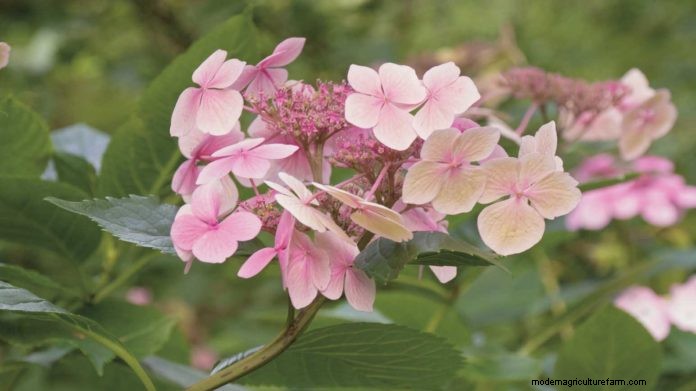
Using plants to add colour into your garden is one of the easiest ways to give your garden an instant lift and make it feel summery even when the sun doesn’t shine. As gardeners we often spend time waiting for seeds to grow and plants to flower in an effort to create the perfect landscape but it doesn’t have to be time-consuming.
There are plenty of bright flowers and foliage that can be added quickly and easily to pots and flowerbeds to add a quick splash of colour and keep your garden looking good all year round.
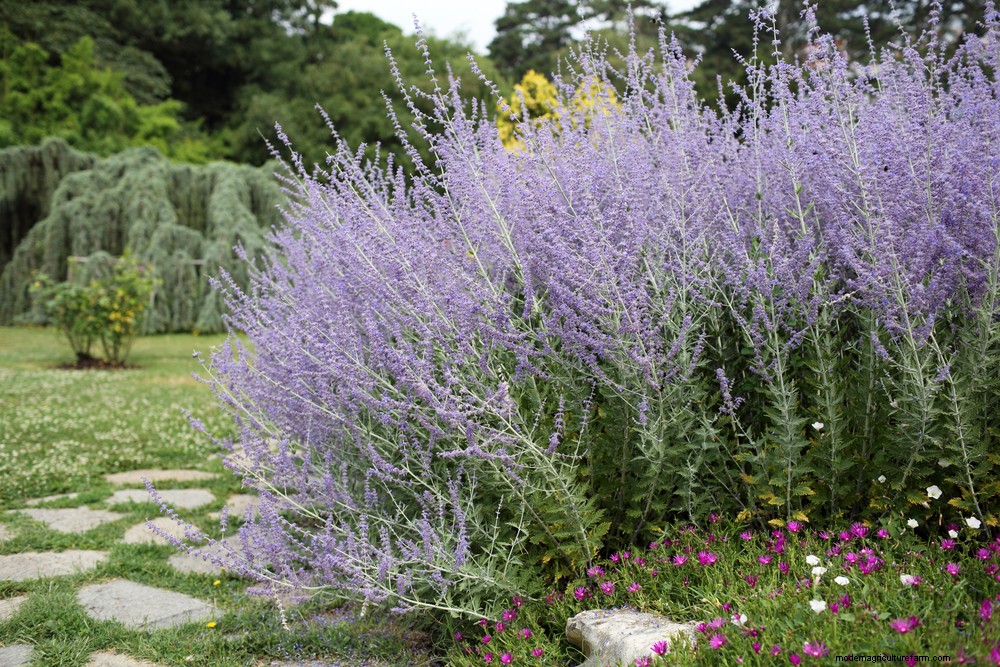
To create some real impact, use plants that sprint into action, filling your borders quickly and effectively. Silver-leaved plants go for it in our climate, so use as many as you can to get your garden shimmering; Convolvulus and lavenders are ideal. Cistus, with its abundant blooms will work hard for you even on very poor soil, whilst Perovskia and Caryopteris will grow large quickly but can be cut back hard each spring so they don’t get out of control.
Combine these with grasses such as Miscanthus or Stipa that will quickly grow to heights of about two metres giving your garden some vertical height. Anemanthele lessoniana with its shades of gold and copper will add a wonderful contrast to other plants.
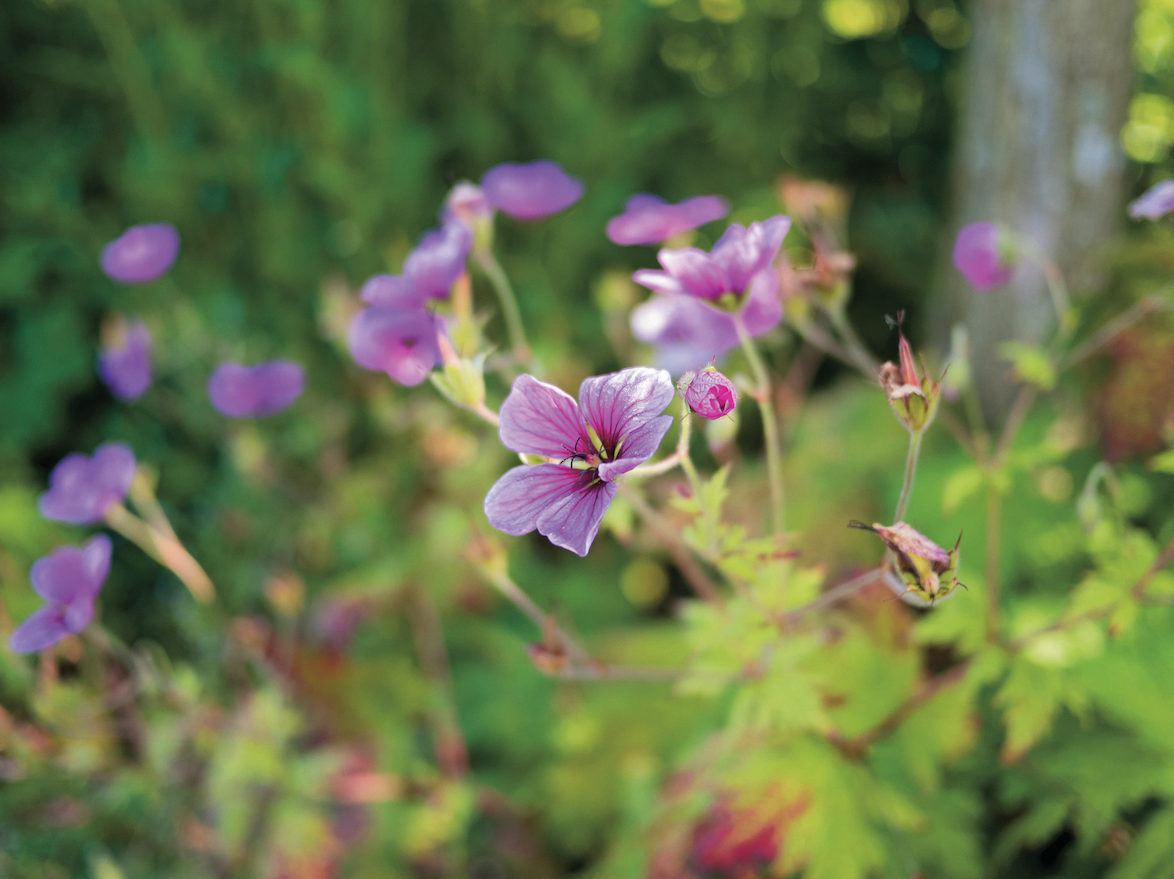
Hardy Geraniums bulk up quickly at ground level to form blankets of bloom. Sprinkle in the vigorous catmint Nepeta ‘Six Hill’s Giant’ with a smattering of Crocosmia Lucifer and so long as you’ve prepared the ground well, you’ll have a fabulous border with just a day’s work.
Colourful bedding plants in pots and hanging baskets are another easy way to give your garden an instant lift and provide colour throughout the seasons. Cram in Regal lilies (Lilium regale) whose perfume flows from wide white trumpets of bloom, scented-leafed Pelargoniums and long-flowering varieties including Nasturtiums and Petunias.
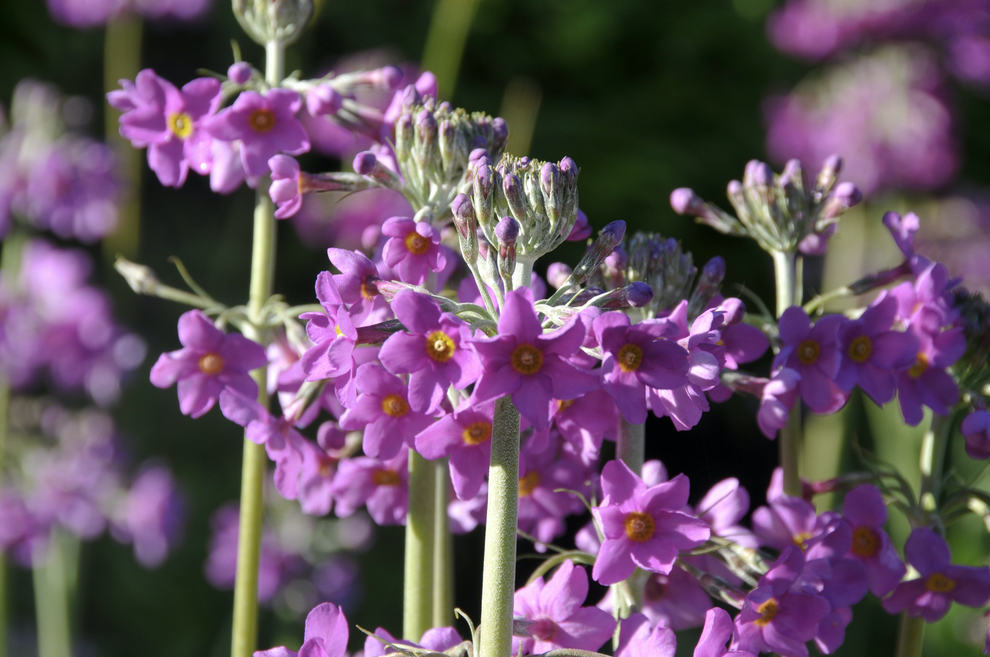
Asiatic primulas are one of my favourite plants for adding a wonderful palate of colour to the garden throughout the spring and summer – Primula Beesiana, P. Bulleyana and P. Japonica are all plants of great beauty and colour – and don’t forget about annuals. These one-hit wonders are quick to grow and their flowers will create instant drama. Try the exotic orange of Lion’s ear (Leonotis leonurus), brilliant red and yellow marigolds or a vibrant red poppy (Papaver rhoeas).
For year round colour beyond flowers look to plants with vibrant foliage, bark or berries. Amelanchier lamarckii is a beautiful small tree that will provide colour throughout the seasons from white flowers in the spring to dark red fruit in the summer and a brilliant orange-red foliage in the autumn. Even in winter the grey bark is spectacular with the winter sun on it and will add a whole new dimension to your garden’s colour scheme.

Want to know how to add colour in the garden with autumn perennials? Click here.
Looking to add colour to the winter garden? Click here.
To use trees to add colour to your garden, click here.

