
Welcome to Modern Agriculture!

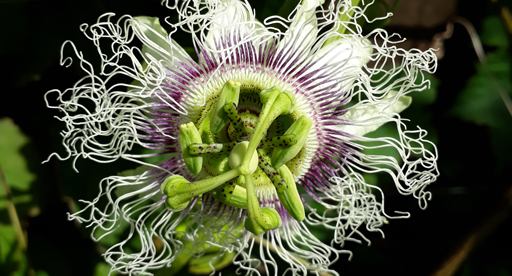
Follow our full guide below to a bumper crop of homegrown passionfruit.
The summer favourite of passionfruit grows well in the warmest parts of New Zealand. The climbing vine and striking flowers make it an attractive (and delicious!) addition to the garden.
Passionfruit is a vigorous, climbing vine that clings by curly tendrils to almost any support. It can grow very quickly under good conditions - up to six metres in one year. The evergreen leaves of the vine provide a shelter for the fragrant exotic looking white and purple flowers that appear on the new growth.
Passionfruit flowers are a striking flower with a prominent central structure designed to attract pollinating insects. The fruit are small and round with a tough rind that is smooth and waxy. The colour of the rind ranges from purple to yellow and orange. This protective exterior hold ups to 200 small, dark seeds. The unique flavour is a combination of tangy, musky, sweet and tart that is popular in desserts!
Plant vines in full sun except in very hot areas, where partial shade is preferable. The vines grow in many soil types, but light to heavy sandy loams, pH 6.5-7.5, are the most suitable. Passionfruit require excellent drainage and the soil should be rich in organic matter. Dig in organic matter like Tui Sheep Pellets and compost to your soil before planting. If the soil is too acidic, apply Tui Lime.
The purple passionfruit is subtropical and therefore prefers a frost-free climate. The vines may lose some leaves in the cool winters. Passionfruit will grow well in containers but require a structure to support the vine.
Black Beauty - flowers are white and purple and fruit is egg shaped, dark purple with juicy yellow-orange pulp filled with small black seeds. Black Beauty is self fertile and can grow 1.5-7 metres per year once established. Fruit changes from green to dark purple when ready and is harvested from March to June.
Giant Granadilla - the very large, showy red, purple and white flowers are fragrant and hang from the vine because of their weight. Oval 30cm fruit turns a rich golden green with a fruity aroma when ripe, in summer to late autumn. A vigorous evergreen vine with deep green leaves, it can grow 17m in a single season. Self fertile and insect pollinated, however hand pollination can increase fruit set.
Sweet Granadilla - has a very attractive white and purple flowers followed by large, round orange fruit. The pulp is delicious and juicy. A self fertile variety that is fast growing.
Red Banana (sometimes called Vanilla) - large, red flowers followed by oblong yellow fruit and sweet, juicy, aromatic pulp. Red Banana needs a long, warm summer to ripen. Hand pollination will help with fruit set. Closely related to the banana passionfruit, but not as vigorous.
Banana passionfruit is classed as a noxious weed, so is not recommended to grow in the home garden.
Plant passionfruit between mid-spring and mid-summer, or even later in very favourable conditions. Plant vines next to a sheltered wall, trellis, or deck sheltered from the wind. If planting more than one, space vines no less than two metres apart. Passionfruit vines can fruit about 18 months after the vine has been planted.
Check plant labels for individual planting instructions. The best times to plant are early in the morning or late in the day, so the plants aren’t exposed to the hot sun straight away.
Planting passionfruit in the garden:
Planting passionfruit in pots and containers:
Feed your plants and they will feed you. Passionfruit do a lot of growing in a short space of time so replenishing nutrients ensures they will grow to their full potential.
Feed regularly through spring and summer with a balanced fertiliser, one not too rich in nitrogen. Tui Citrus Food or Tui General Fertiliser are good as they contain potassium to help improve flowering and fruiting. Once fruiting has finished in late summer/early autumn, feed again, unless you are in a frost prone area as you don’t want to push new soft growth that could get frosted - wait until early spring.
Regular watering will keep a vine flowering and fruiting well. Water requirement is high when fruit are approaching maturity. During a dry summer, deep watering is required. If the soil is dry fruit may shrivel and fall early.
After recipe inspiration? Try Janine's tasty Passionfruit and Coconut Tart here >


