
Welcome to Modern Agriculture!

Sunflowers have a way of making gardens brighter and happier. They make beautiful and summery cut flowers for vases and bouquets. Sunflowers are also an excellent source of food for the wildlife in your area. Bees, butterflies, and other pollinators will frequent the blooms for nectar. And birds appreciate the flower for their seeds, especially later in the season as they dry. (Of course, you might want to save some of those seeds for yourself, too.)
With more than 70 sunflower varieties to choose from, it’s not hard to find a few favorites to grow in your own garden. Once you see how easy and beautiful they are, you’ll have sunflowers on your shortlist year after year.
| Botanical name | Helianthus annuus |
|---|---|
| Common name | Sunflower |
| Plant type | Annual |
| Size | 1-10 feet |
| Sun exposure | Full sun |
| Soil type | Loamy, sandy |
| Soil pH | Neutral to slightly acidic |
| Bloom time | 80-100 days |
| Flower color | Yellow, orange, red, multi-colors |
| Hardiness | Zone 2-11 |
| Native Area | Americas |
Sunflowers are an easy annual to get started in your garden. You'll often see them in planting kits because they have such a high success rate. Here are a few tips for planting your own sunflowers, no matter how you plan to grow them.
You can sow seeds directly in the ground or start them indoors, depending on where you live and when you want to start them.
If it’s early in the season or you just want to give your seeds a head start to help them germinate faster, here’s a trick: Mist the seeds, cover them with a paper towel, and put them in a sunny window for a day or two. Then, plant them about 1-2 inches deep and at least 6 inches apart (if growing directly outside). Water, wait for them to sprout, and keep them going in a warm, sunny location. If you overseeded, be sure to thin your sunflowers out so they don’t get crowded. Weed around your sunflowers regularly so they don’t take nutrients away from your new plants.
It’s not always easy to find sunflower plants at your local garden center, but if you do, scoop them up. Oftentimes, garden centers will offer unique sunflower varieties as plants, but once they’re gone, they’re gone.
When planting starter plants, you’ll love being weeks ahead, compared to starting seeds indoors or directly in the ground. Be sure the danger of frost has passed in your area, then plant your sunflower in a hole a little bit wider and deeper than the container it’s currently growing in. Water every few days, and keep the area weeded.
You can grow sunflowers in containers, just like many other annuals. To start, it helps to know how tall your sunflower variety will reach—you don’t want to be growing a 6-foot sunflower in a 6-inch pot. Sunflowers make great additions to larger container “recipes.” For instance, you might plan to grow a sunflower as your centerpiece with trailing flowers like petunias below. Choose a well-draining container, pick a sunny location, and keep it watered regularly.
Sunflowers are low-maintenance, kid-friendly, and easy to grow from seed. Still, like any plant, they require the right amount of sunlight, good-quality soil, and an ideal climate.
When it comes to light for sunflowers, you can’t go wrong with a “more is better” approach. As a baseline, these flowers need about 6-8 hours of sunlight per day. Without ample light, they will be smaller in size and won’t produce blooms. If growing sunflowers on a porch, deck, or patio, you might have to move your plants to get them enough sun.
When starting sunflowers indoors or in containers, it’s best to evaluate your soil and ensure it is high quality. Out in the garden, prioritize well-draining soil. Sunflowers don’t need fertilizer, but if you know your soil is lacking nutrients, you can definitely add. Adding organic matter can benefit the plants, as well.
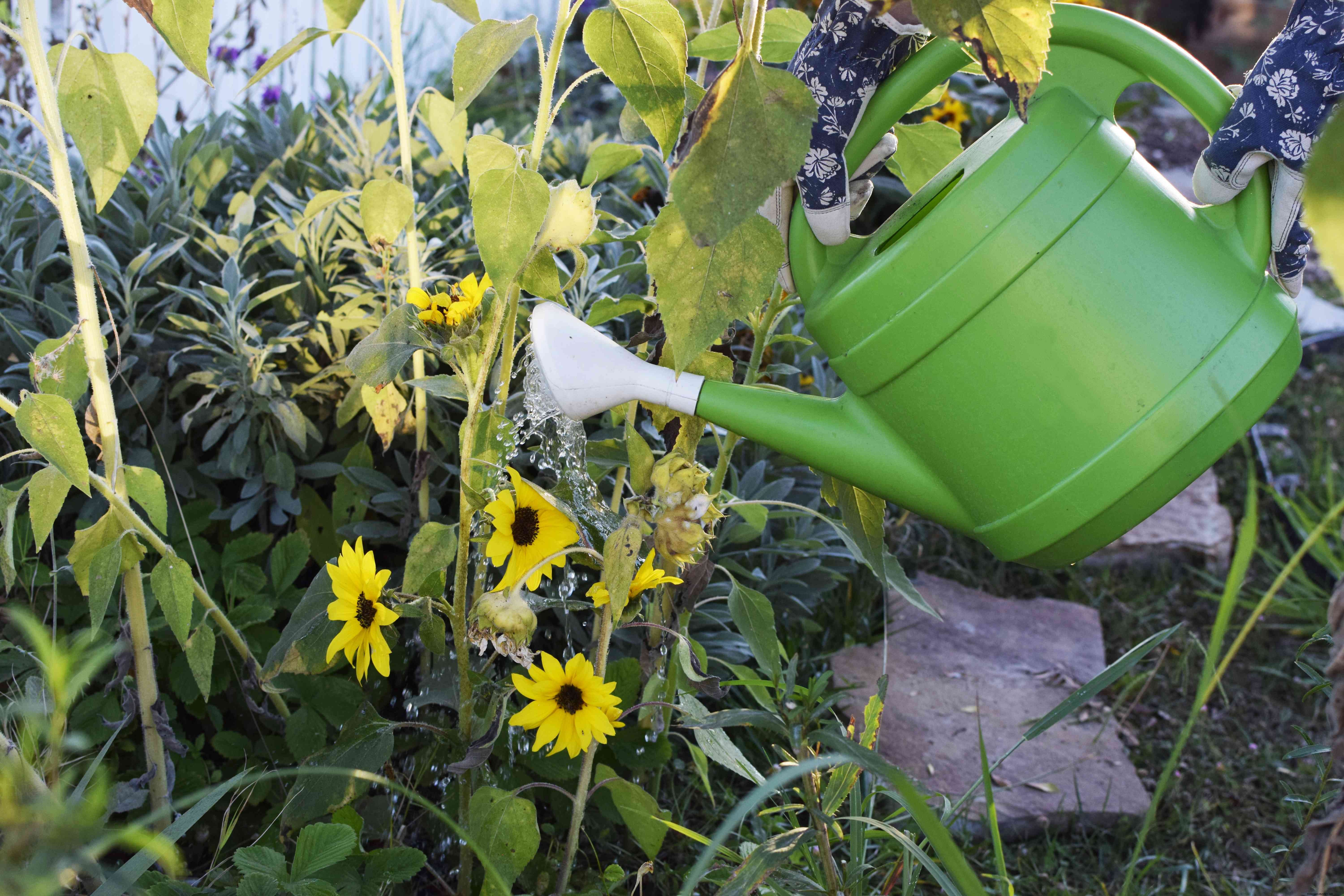
Even though sunflowers need regular watering, avoid giving them water every day; this can lead to something called wet feet and root rot. Water them deeply and thoroughly every few days or so. This is good for their deep roots because they’ll hold onto the water and use it as needed.
Sunflowers enjoy temperatures between 70-80 degrees F. However, they definitely can make it in higher temperatures as they can thrive in warm, humid conditions. While sunflowers can handle some drought-like conditions with their deep roots, don’t let them go too long without water.
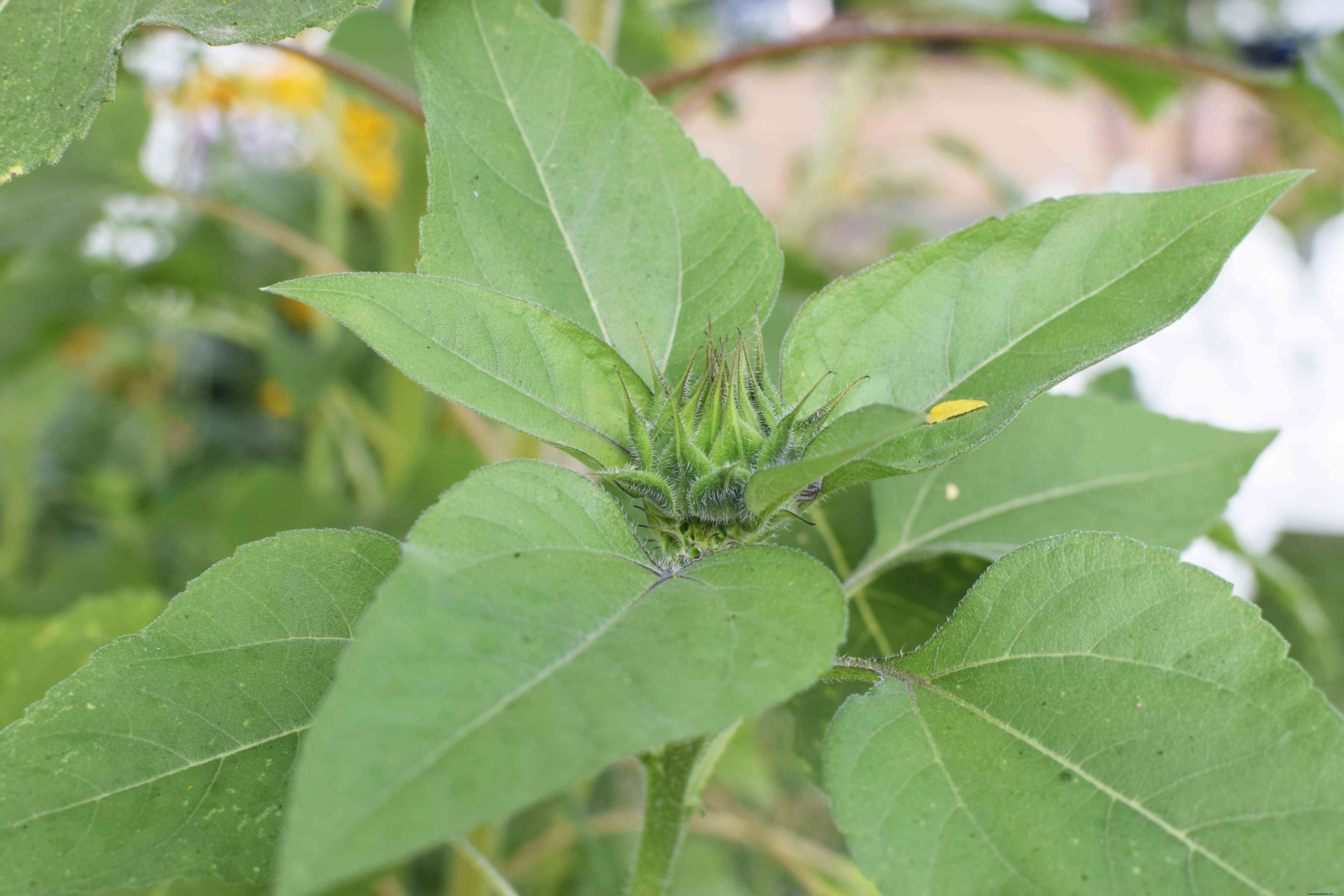
You might find beetles or grasshoppers on your sunflowers, but for the most part, they are fairly harmless unless you find them in large quantities. One of the few pests to watch out for is moths, which may lay their eggs on the sunflower and destroy your garden progress. For diseases, keep an eye out for rust, wilt, or powdery mildew. Try to catch the problem early on and remove it from the plant as quickly as possible.
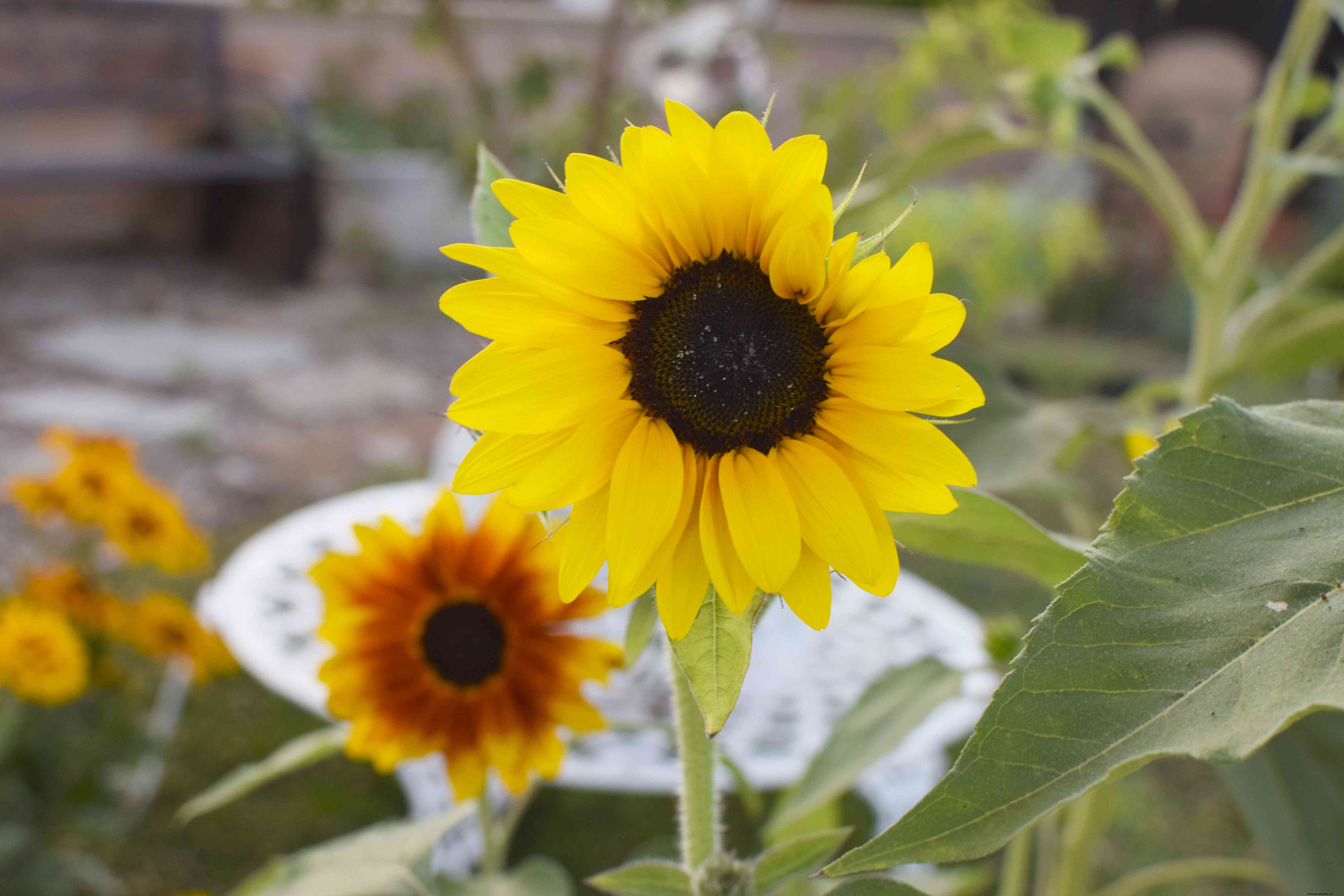
Walk down the seed aisle at your local garden center, and you'll find a dozen or more awesome varieties of sunflower. Look online or try a specialty seed company, and you’ll find even more. Here are some cultivars to look for within each of these groupings.
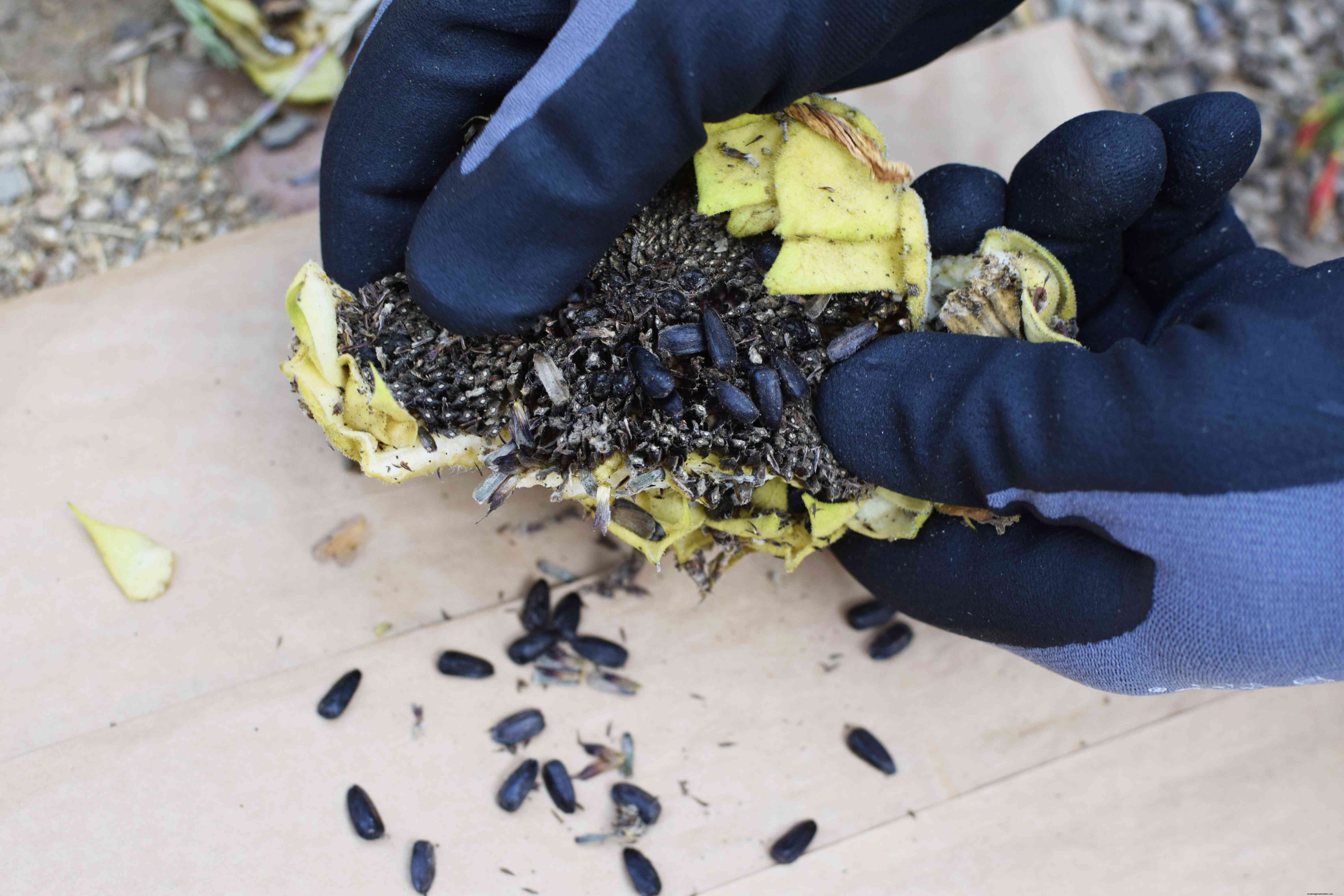
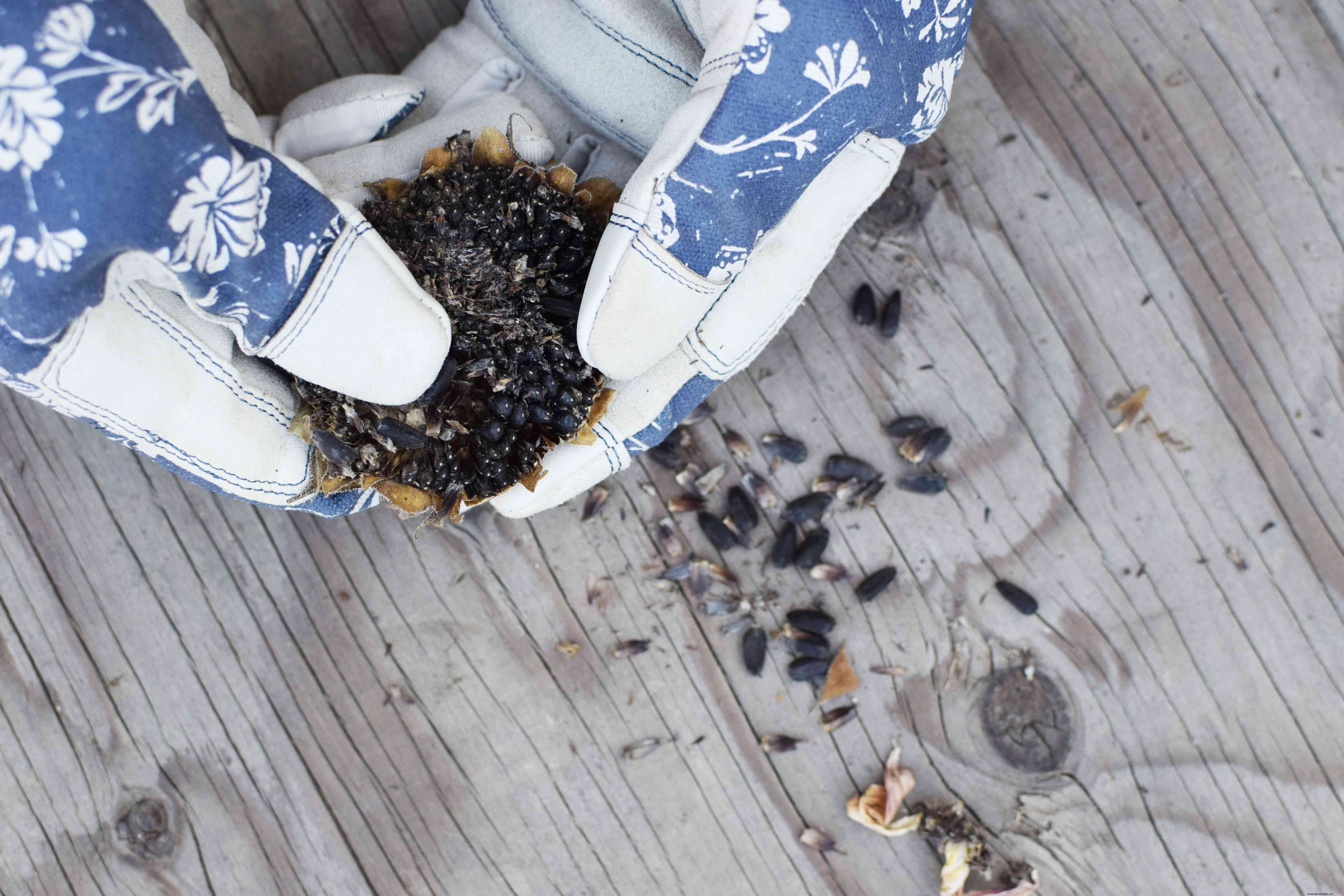
One of the greatest parts about growing sunflowers is when it’s time to harvest them. If you're growing large, seed-producing sunflowers, then it’s fun to eat them for yourself or to put them out for the birds. If you want to let the birds have them, then just keep the sunflowers on the plants. They will dry out as the season goes on, and the birds will find them on their own.
If you want to eat them yourself, you can just pull the seeds out on your own and dry them. Another option is to cut the seed heads off, wrap them with a paper bag, and then hang them upside down. As the seeds dry, they’ll fall off and you can eat them when you’re ready. This method is actually a good way to save seeds from any of your sunflowers. All seeds can be saved from one season to the next to keep your sunflowers growing.


