
Welcome to Modern Agriculture!

Raised bed gardening is a fantastic way to grow food. However, like any garden it needs some care and maintenance. One of the best ways to keep your raised bed healthy and fertile is by planting cover crops in the winter.
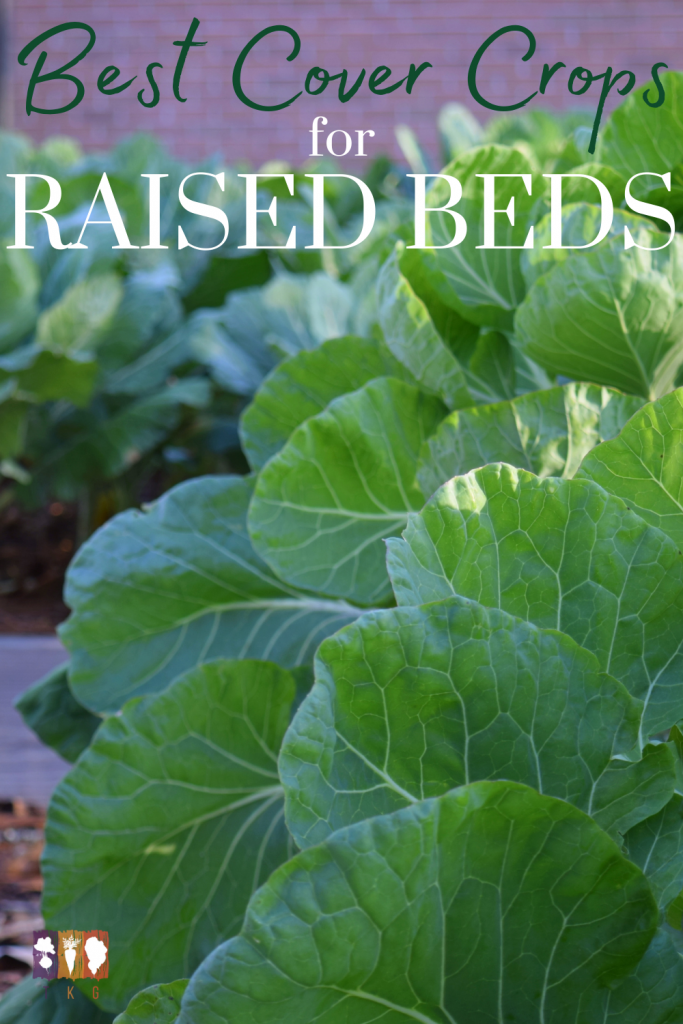
Cover crops are plants that protect the soil from erosion, help prevent weeds from growing in your gardens, improve soil fertility, and provide nutrients for other plants in your garden.
This post may contain affiliate links, which simply means I may earn a commission off of links at no extra cost to you. Thank you for supporting my site!
They don’t have to be grown with the intention of harvesting for food. In fact, many cover crops can simply be worked back into the soil when you’re ready.
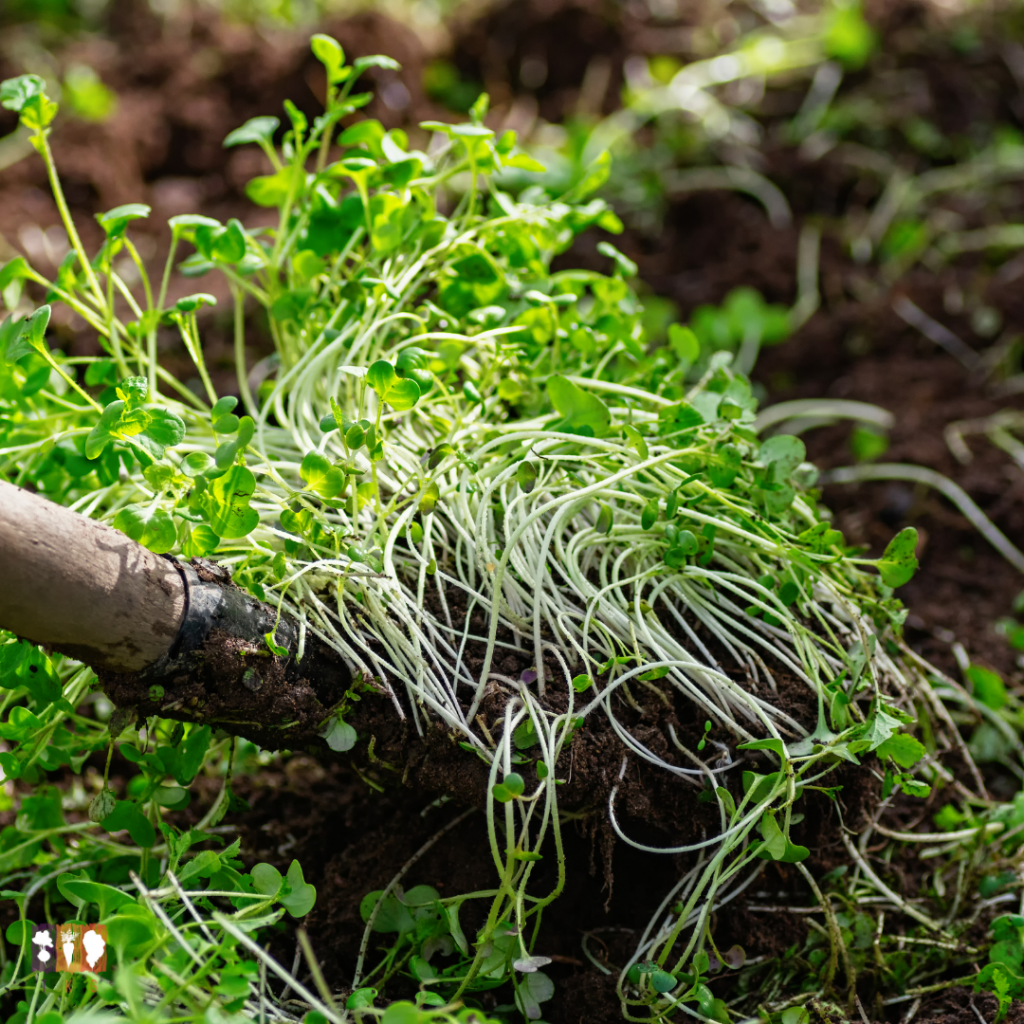
Cover crops can also be grown and harvested as a green manure, which is when you cut the plants down before they set seed. You can drop the harvested portion on top of your soil to let it break down or add it to the compost pile. (Learn how to compost here!)
No one wants extra work, so what benefits do cover crops provide for raised beds (and traditional row gardens)?
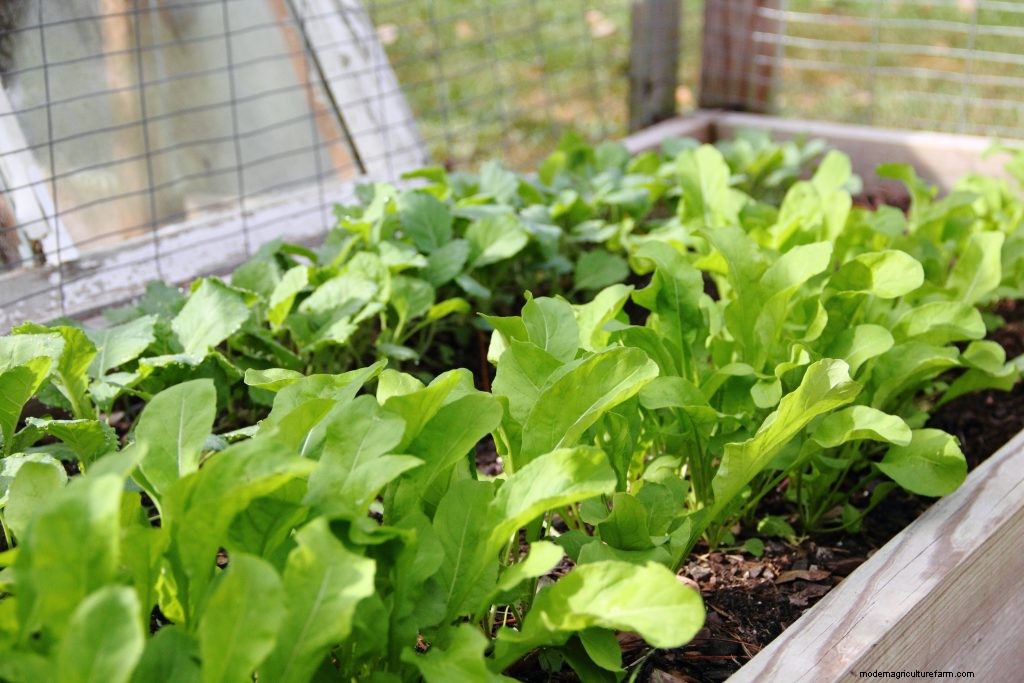
When choosing a cover crop, consider the time of year and what you will be planting in your garden. While I prefer to use cover crops in the fall and winter, they can still be grown other times of year as well.
If you plan to grow vegetables along with cover crops, make sure they won’t interfere with each other or compete too much for nutrients. You can even mix certain plants together like oats and rye if it works well for both of their growth.
For winter cover crops, plant after the fall harvest but before winter sets in. You want seeds to have the opportunity to germinate.
For summer cover crops, plant them mid-spring for an established summer presence.
If you are planning on planting cover crops in raised beds in the spring to turn in summer, choose cover crops that will grow quickly and produce a lot of biomass to keep your soil covered or mulched best. There are many great options for summer covers but some include
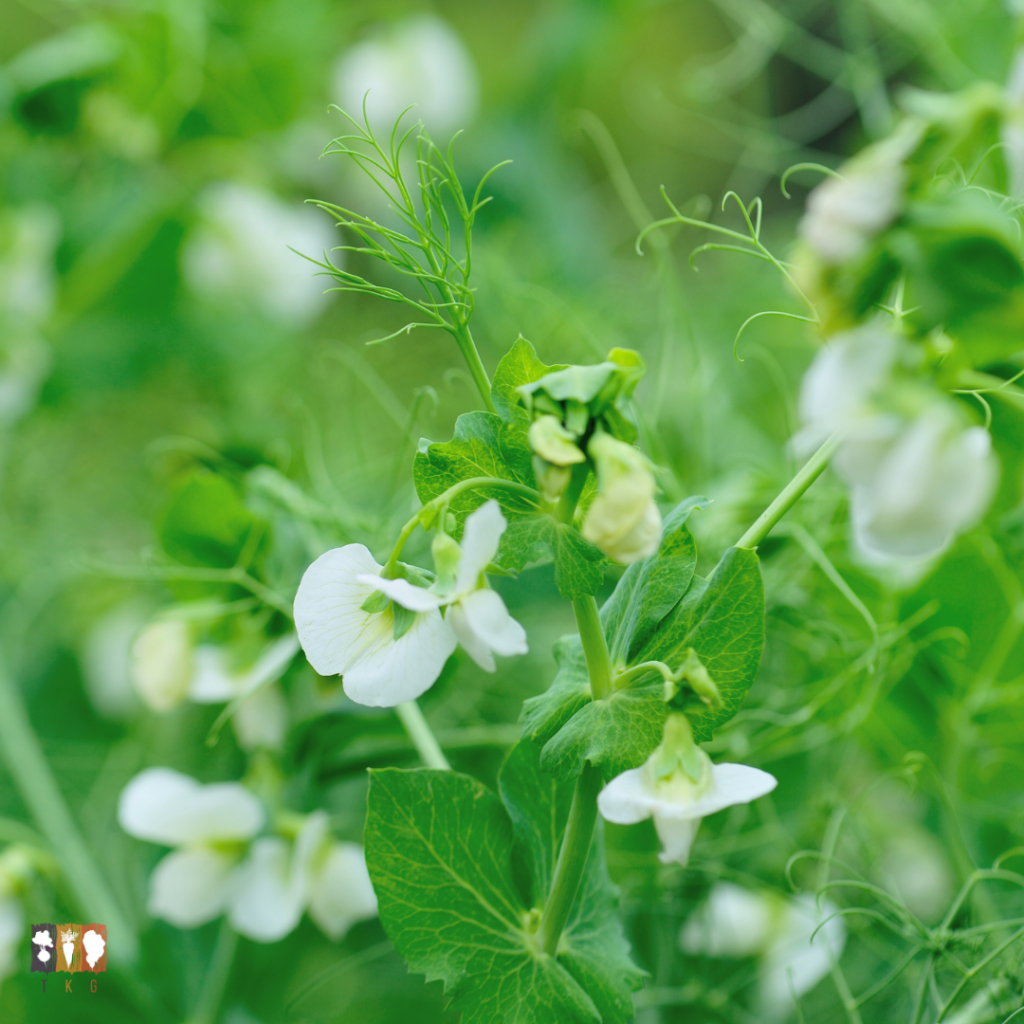
If you are planning on planting cover crops in the winter, choose cover crops that will grow quickly but also survive cold weather or can handle being covered with snow or ice at times. Some great options include
I also enjoy planting collards, turnip greens, and mustard greens as both a harvest crop for eating in the winter and a cover crop. Simply plant more than you need and harvest some, while cutting the others for green manure.
When should you turn in your cover crops? The best time to turn in the cover crop is when they are green and still coming up. You want to avoid waiting until your crop is flowering or going to seed.
In a raised bed, there’s no need for tilling. Simply cut down the part of the plant above ground, and leave the roots in place. Another option is to turn over the crop into the soil, trying not to disturb the soil too much.
The green manure from cover crops also encourages beneficial insects and pollinators while the plants are still growing. Then it has a variety of uses once it’s been cut!
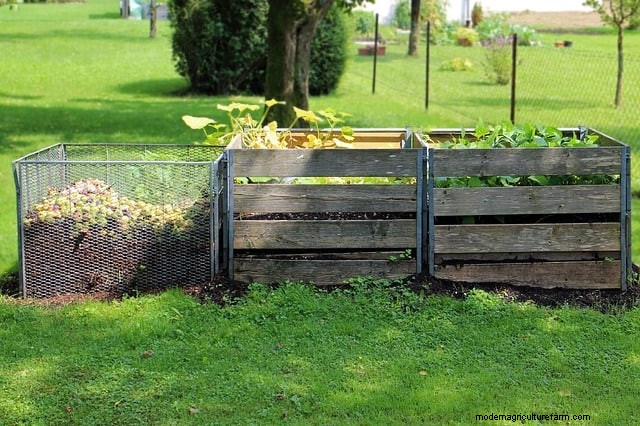
What can I do with a green manure? You can dig them into the soil before they go to seed, or you could simply let them decompose on top of your bed as mulch. There’s no wrong way! As I mentioned before, you can also add to a compost pile if there’s no sign of pest damage or disease.
I’d love to know how using a cover crop in your garden has improved the soil, or if you have used something else as a cover crop. Have a great week and happy gardening!


