Welcome to Modern Agriculture!

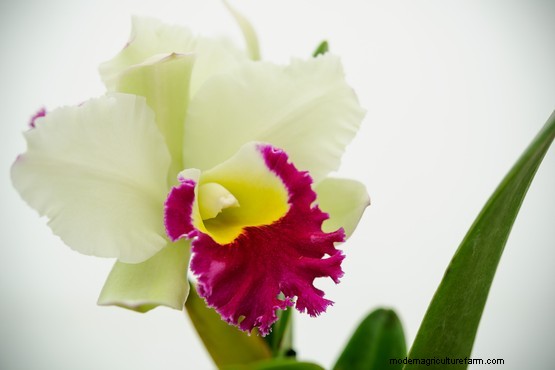
Cattleya orchids are tropical plants that produce exotic, glamorous, often frilled flowers. They’re traditionally used as corsages for special occasions. There are 70 species, mostly from south and central America, but many more hybrids are grown as houseplants.
More on growing orchids:
Cattleyas are epiphytic plants and, in their native habitats, grow clinging to trees and rocks, taking nutrients and moisture from the warm, humid conditions of the surrounding rainforest. It’s possible to mimic these rainforest conditions when growing cattleyas as indoor plants. The flower stems produce between two and eight flowers, depending on the variety of cattleya and there are many different colours to choose from, so they are well worth the effort.
Grow gorgeous cattleya orchids, with the help of our Grow Guide, below.
Grow cattleya orchids in a warm, bright spot, but away from direct sunlight, particularly through the summer. Minimum night temperatures of 10-15ºC are needed, along with a slightly humid atmosphere. Some air movement from a fan is recommended.
Cattleya orchids grow well in pots with bark and rocks or perlite, which is as close as we can get to recreating their natural growing conditions. You can mix up your own or buy commercially made compost. Cattleyas can be grown in normal terracotta pots, but grow better when space is restricted, so don’t choose a pot that’s much bigger than the root ball.
Cattleya flower stems develop from a pseudobulb that grows from a new bud at the base of the plant. Mature plants may have lots of pseudobulbs – if there are over eight, you can divide the thick rhizome to make two plants for potting on. Divide when the plant isn’t in flower.
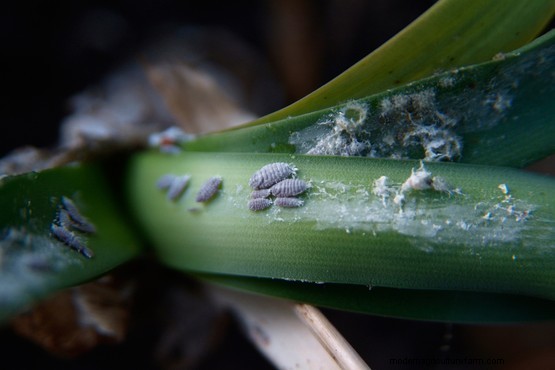
Look out for mealybug or scale insects. Both are small sap-feeders and can be tricky to spot, often choosing to lodge themselves in crevices, so inspect closely. Heavy infestations of either are difficult to treat, so you may be better off getting rid of the plant. You could also try a biological control such as ladybirds or parasitic wasps.
From March to September water cattleyas twice a week. Feed with orchid fertiliser every two weeks. In winter, water when the compost looks dry – it’s better to under- rather than overwater. Cut back the new flower spike after flowering. Repot your orchid every two to three years, although not because plants look pot-bound. When you see the roots wrapping around the base of the plant it’s the way plants might grow in the wild if they were clinging onto a rock or tree.
Relate content: Advice on caring for orchids