
Welcome to Modern Agriculture!

The Viola genus includes a huge range of plants, from seasonal colourful garden pansies to perennial species.
Violas tend to have small flowers and tolerate heat, with a long flowering season from early summer to early autumn. Pansies have larger, more intensely coloured blooms and are most commonly used as winter bedding.
However, there are so many to violas to choose from that you can find one to suit every garden situation from hanging baskets and patio containers, to woodland borders. Many viola flowers are edible and make a beautiful addition to salads.
Take a look at our handy viola Grow Guide, below.
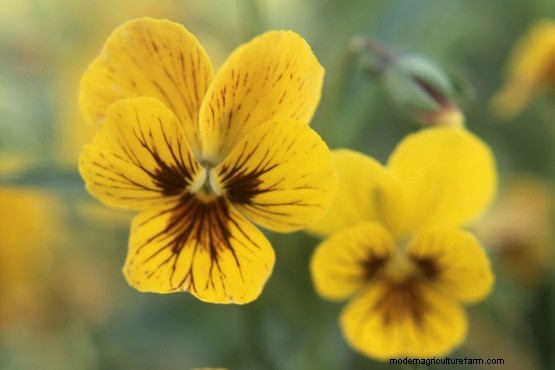
Grow violas in moist but well-drained soil, in partial shade.
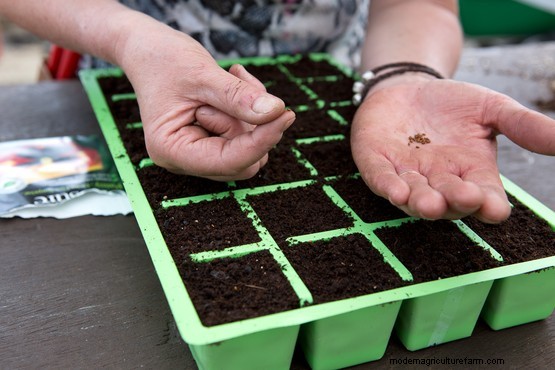
It’s possible to grow violas from seed. Sow lightly in a tray of seed compost, and pot on when seedlings are large enough to handle. If buying viola plants, dig a small hole, add a sprinkling of grit and well-rotted garden compost, plus a spoonful of mycorrhizal fungi and water in well.
Follow our guide to sowing seed indoors.
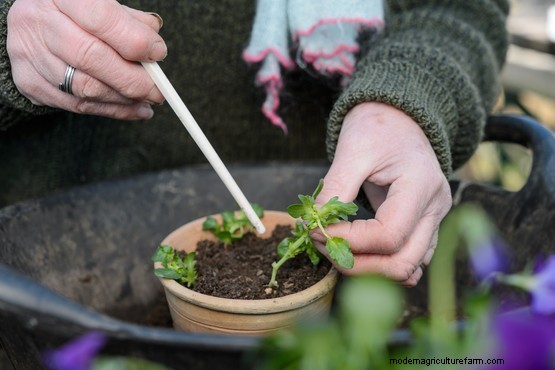
Propagate perennial Viola varieties by division. Dig up clumps in autumn, pull apart gently and replant in fresh compost to grown on, or straight into the soil in a different part of the garden.
Violas are easy to grow and generally free from garden pests and diseases.
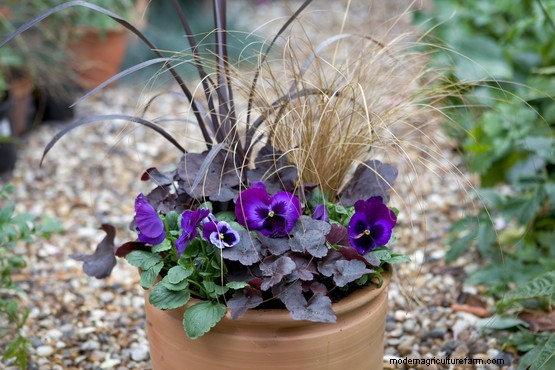
Violas will flower over a long period of time, if you deadhead spent blooms regularly. Water regularly if growing in containers. In early summer, trim untidy looking plants back to encourage further flowering. Divide perennial plants in September to invigorate them.


