Welcome to Modern Agriculture!

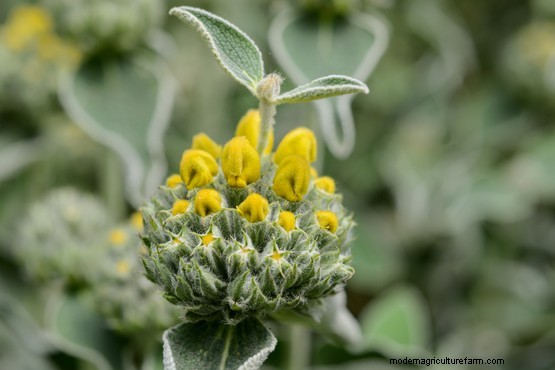
Phlomis is a summer-flowering shrub or perennial from the Mediterranean. Also known as Jerusalem sage, the leaves are very similar to the herb, but have no scent and aren’t edible. There are different variations, all with distinctive hooded flowers that appear in whorls around the stems. Most are yellow, but some flower in pink or mauve. They thrive in sunshine and well-drained soil and are perfect for coastal gardens and dry borders. The dried seedheads work well in the winter border, making the perfect winter silhouettes.
Browse our practical guide to growing phlomis, below.
Grow phlomis in moist but well-drained soil in full sun to partial shade.
Being Mediterranean, drought-tolerant plants, phlomis will not tolerate winter wet. Therefore, add plenty of grit to the planting hole to improve drainage.
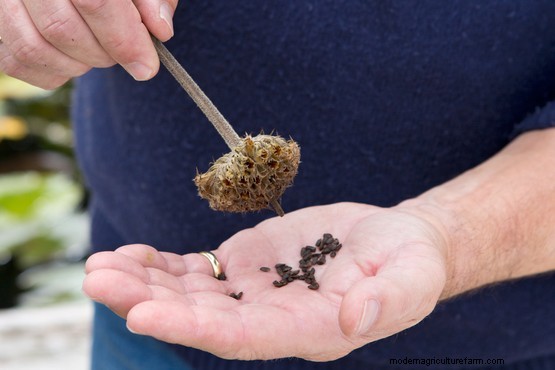
Perennial phlomis can be propagated by division in spring, while cuttings can be taken from shrubby phlomis. You can also save seed of some species, in autumn.
Here, Alan Titchmarsh explains how to save seeds from phlomis and other plants:
Phlomis are generally disease-free and not very attractive to pests, other than leafhoppers that will suck sap from the leaves. However, these are unlikely to do the plant harm.
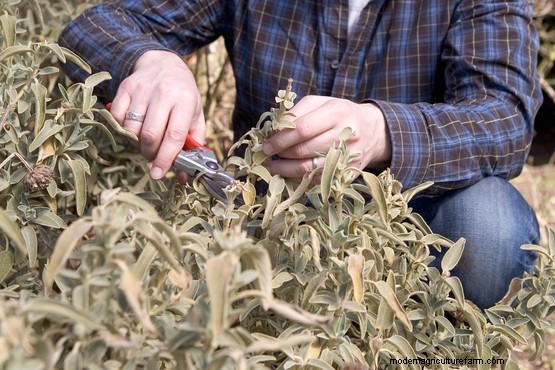
Phlomis can be a little untidy in their shape, so cut plants back in spring to contain them.