Welcome to Modern Agriculture!

Japanese maples are well loved for their attractive, filigree leaves and dramatic autumn colour. The leaves of some species turn wonderful shades of orange, yellow, red and even purple, before falling. Japanese maples are among the best trees for small gardens and some make very good trees for pots.
Japanese maples grow to different heights. Gauging the eventual height of a Japanese maple can be tricky. They are very slow growing and take many years to reach their maximum height. When choosing your Japanese maple, ask the nursery for its ‘mature height details’, as this will give you a better picture of how it will look in 20-50 years’ time.
Grow Japanese maples in moist but well-drained soil, ideally slightly sandy, acidic soil, in a sheltered spot out of the way of prevailing winds. Most Japanese maples tolerate full sun or shade, but variegated types do best in partial shade.
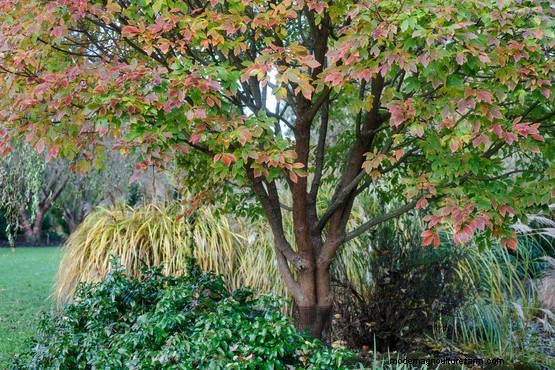
Although hardy, Japanese maples do best in a sheltered position. In a windy spot, your acer’s delicate, finely divided leaves may be damaged throughout the year, and then blown off the tree in autumn before its colourful display is finished.
Japanese maples grow in nearly any soil apart from a waterlogged one. For best results grow in a sandy, slightly acidic soil.
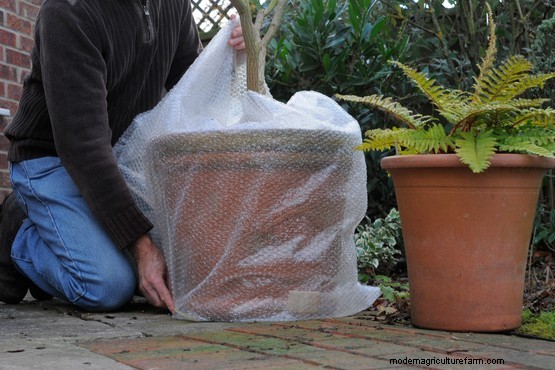
Full sun to partial shade is ideal for most Japanese maples, but variegated types do best in light shade. If growing Japanese maples in pots, you may need to wrap the pot with fleece or bubblewrap to protect the rootball from frost.
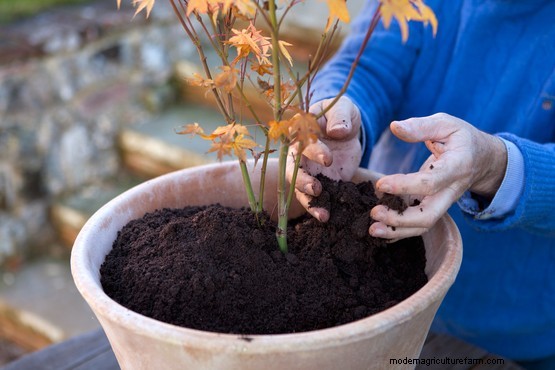
As with all trees and shrubs, the best time to plant Japanese maples is autumn or spring. Dig a generous planting hole and incorporate some well-rotted organic matter. Position the plant ensuring it’s planted at the same depth it was in the pot, backfill and firm in. Water in well. Stake larger specimens for support.
When growing Japanese maples in pots, choose a tree or shrub compost or a loam-based compost such as John Innes No. 2. Ensure your pot has drainage holes. Firm your Japanese maple in well. Water well and, if planting in spring, feed with a slow-release fertiliser.
Japanese maples are easy to care for. They don’t require any pruning unless you want to improve its shape or need to remove dead or dying stems. Prune only in the dormant season (after it has shed its leaves) as at any other time of year the plant will bleed sap, which can be unsightly.
Japanese maples are shallow rooted so avoid growing plants around its immediate growing area, as these can compete with your acer for water and nutrients.
Repot potted Japanese maples every two to three years. Apply a slow-release fertiliser every spring. In cooler regions in autumn, you may need to wrap your pot in fleece or bubble wrap to protect it from frost.
Find out more on when and how to repot your Japanese maple, in our Quick Tips video:
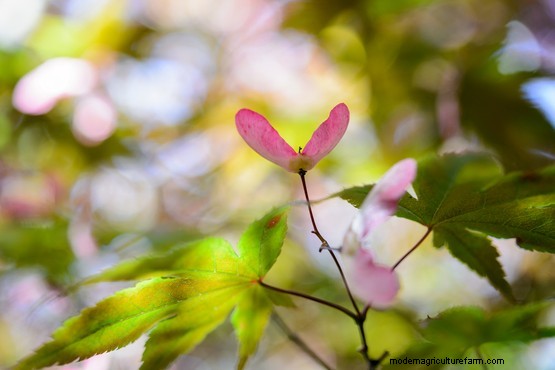
Japanese maples can be grown from seed but this is a lengthy process. Seed should be sown fresh in autumn. Place the seed in a pot of seed compost and cover with a sprinkling of soil. Place in a cold frame and wait for signs of growth.
Japanese maples in pots can be susceptible to vine weevil attack. Repot using loam-based compost, ensureing no grubs remain around the rootball when replanting. Add a thick layer of pebbles over the surface of the compost, to help prevent the female vine weevils from laying their eggs.
Japanese maples may also be susceptible to horse chestnut scale insect, which does very little damage but looks unsightly.
A more common problem is damage to the foliage from wind. Plants in pots have a higher risk of suffering from this. To resolve this, move pot-grown acers to a more sheltered spot. The ideal windbreak is a hedge as it will filter the wind – solid walls and fences can cause gusts of winds to be stronger and more damaging.