
Welcome to Modern Agriculture!

All plants are classified into a genus, such as Bellis or Iris, which is part of a wider plant family, such as Asteraceae or Iridaceae. Plants (genera) in the same family share physical characteristics that can help us identify them. For example, plants in the Asteraceae (daisy) family usually form the shape of a daisy, while those in the Fabaceae (pea and bean) family hold their seeds in a pod such as a pea or bean.
Learning to identify plant families will help you notice similarities between plants, understand their growth habits and growing requirements, and even identify seedlings.
Browse our collection of plant families, below.
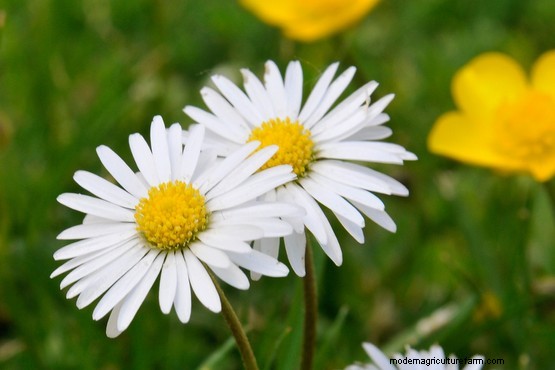
Plants in the daisy family include sunflowers, daisies, dandelions and dahlias. But they also include plants that don’t look like daisies, including echinops and yarrows.
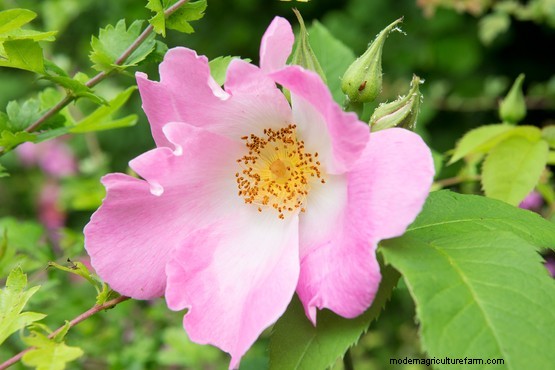
The rose family is home to many garden favourites and edible crops. It includes roses but also many fruit genera, such as apples, pears, blackberries, apricots and raspberries. Plants can be identified by their open, bowl-shaped flowers with five petals and a cluster of stamens at the centre.
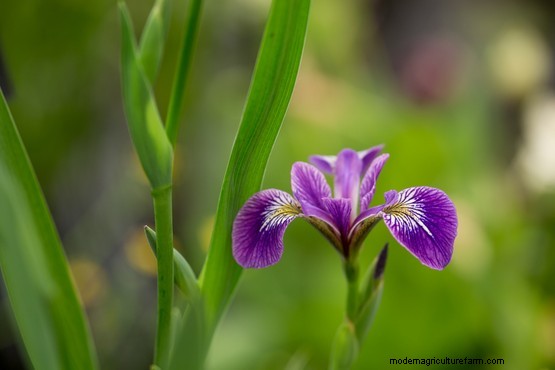
The Iris plant family contains irises but also other bulbs, corms and rhizomes including crocus and gladiolus. Plants in this family have their flower parts in multiples of three: three sepals, three true petals and three stamens.
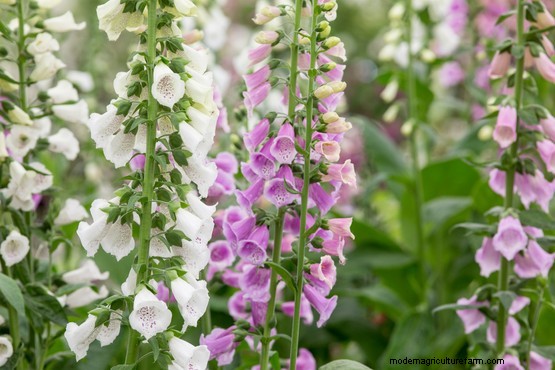
The figwort family includes a variety of plants, including figwort, foxglove, penstemon and buddleja. Many plants in this family have two-lipped, tubular flowers, often born on long spires.

Plants in the Saxifragaceae family are typically perennial and herbaceous. The most well-known garden genera include Saxifraga, Heuchera, Astilbe, Rodgersia and Tiarella.
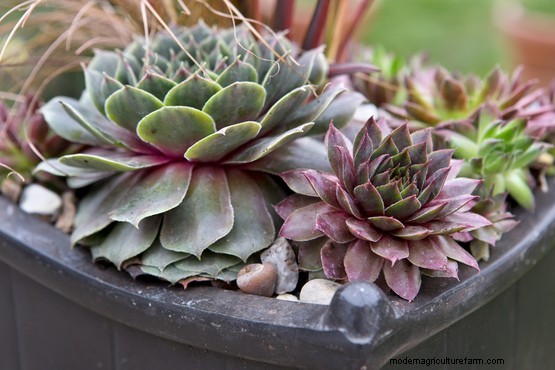
The stonecrop family comprises fleshy, succulent, plants, which store water in the leaves and ae extremely drought-tolerant. They include Aeonium, Crassula, Echeveria, and Sempervivum.
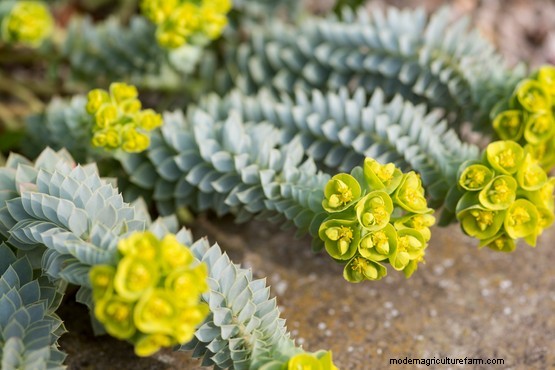
The spurge family is a huge family that contains spurges such as Euphorbia, but also cassava and some woody shrubs and trees. Many plants in this family have toxic leaves, fruit or sap.
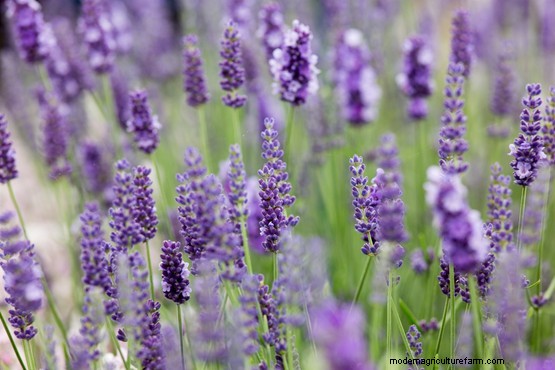
The mint family contains familiar garden herbs such as lavender, basil, mint, oregano, thyme and rosemary. Most plants in this family have aromatic foliage and many are grown for their culinary and medicinal properties because of the oils produced when the leaves and flowers are crushed or distilled.
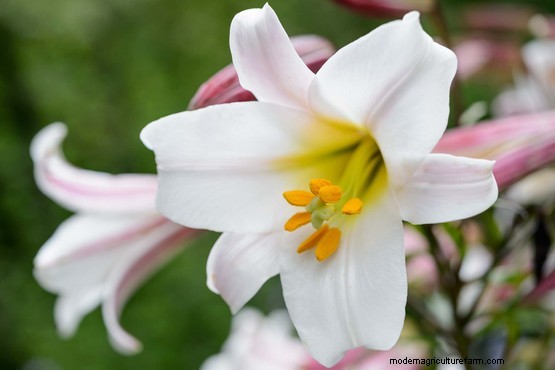
Plants in the lily family typically have elaborate blooms, as plants in this family have evolved a close relationship with pollinators. For this reason, many popular garden plants are members of the lily family, including Erythronium, fritillary, lily and tulip.
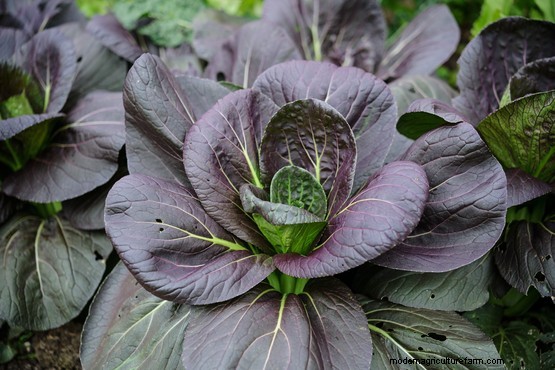
The mustard family is well known for its edible crops, or brassicas, including cabbages, cauliflower, broccoli and kale, as well as radish and turnip. But there are plenty of ornamental plants in this family, too.

The buttercup, family includes many popular garden plants, including clematis, delphinium and aquilegia. The family takes its name from the latin, rana, which means ‘little frog’, because a lot of the plants thrive in damp places.


