
Welcome to Modern Agriculture!

Our bees and butterflies, and other pollinating insects, such as moths and hoverflies, need your help. As more land is built on and paved over, there’s less for them to eat, and they’re increasingly reliant on gardens to provide them with pollen and nectar. But you can help them by growing open-flowered, nectar-rich plants. You don’t need lots of space – a small area, 1m square, is enough to host a whole range of plants, and if you choose carefully, these plants will provide a banquet of blooms all year round. Having a variety of flowers in bloom for as long as possible will ensure there’s food for pollinators all year, from spring right through to winter.
Browse our pick of the best plants for pollinators in summer and autumn, below.
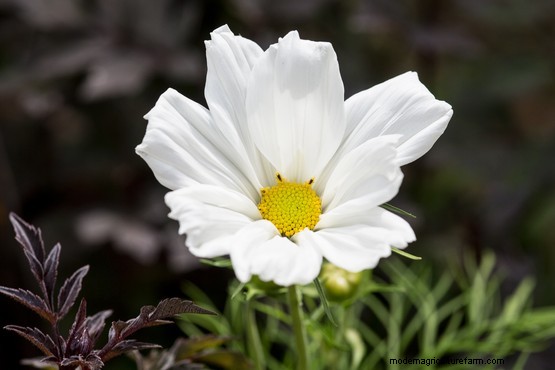
Cosmos flower from June until the first frosts. Either sow directly into the ground in late spring or sow in small pots to give them a head start against slugs. Alternatively, buy young plants and plant them out after the last frosts.
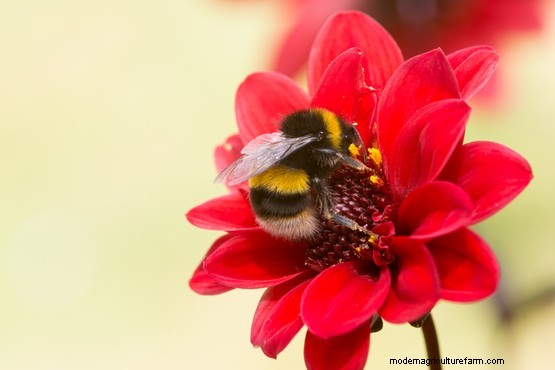
Dahlias bloom from mid-summer until the first frosts. Look for varieties with simple open flowers, such as those with ‘Bishop’ in the name, which allow bees, hoverflies and butterflies to access the nectar and pollen easily. Buy potted plants and keep undercover somewhere frost-free until late May-June.
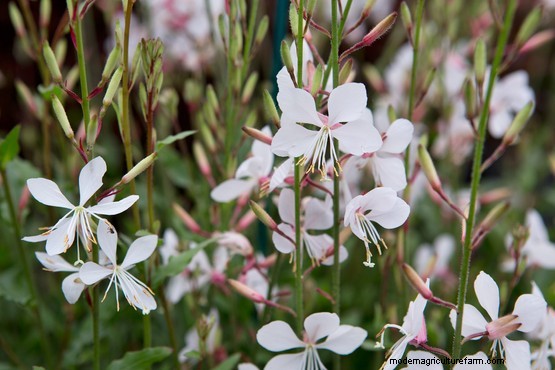
Gaura flowers are useful for a range of pollinators, including moths, as the fragrant blooms attract night-flying insects. Buy as young plants and they will flower throughout summer.
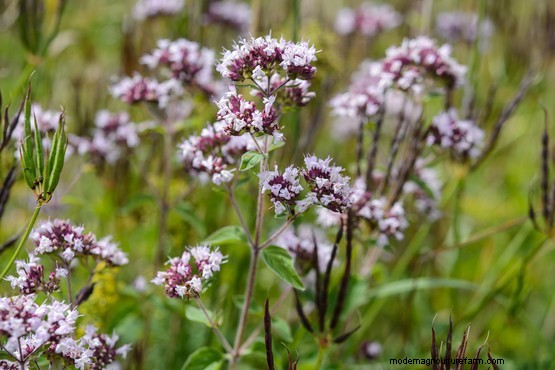
Nectar-rich wild marjoram (oregano) is a hot favourite with all pollinators. Pinch out the top of the stem down to the third pair of leaves to encourage the plants to become bushy.
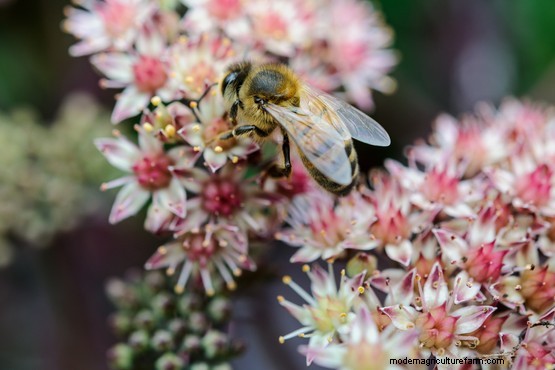
A valuable source of late nectar at the end of summer and throughout autumn, Hylotelephium (formerly sedum) is particularly favoured by male bumblebees and butterflies. Plant small plants of this perennial in spring and they will burst into bloom in August, then die back in winter and regrow next year.
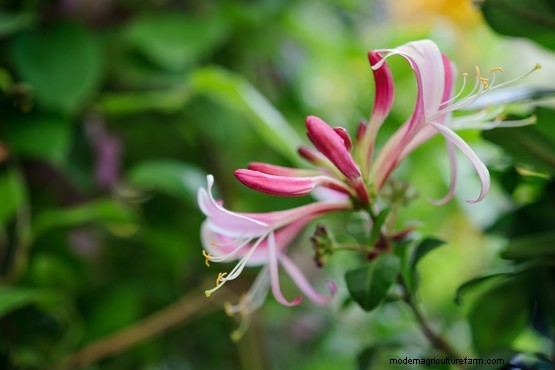
Honeysuckle comes into flower in mid-summer. Its blooms are rich in nectar for long-tailed bumblebees and butterflies, and have a strong nocturnal scent to attract night-pollinating moths. What’s more, its leaves are used by caterpillars of the 20-plume moth. Plant at the base of an obelisk or trellis and tie in the stems to guide it.
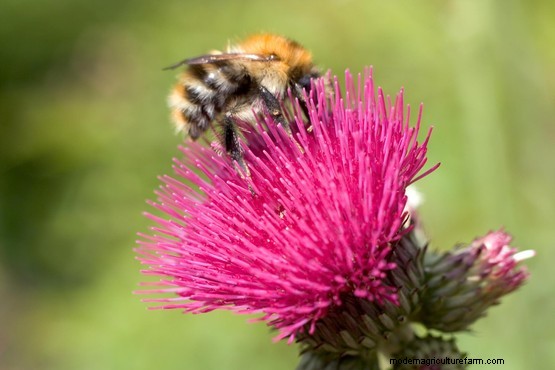
To draw pollinators into your garden you need as many nectar-rich flowers as possible, and to keep the flowers coming you need to grow strong plants.
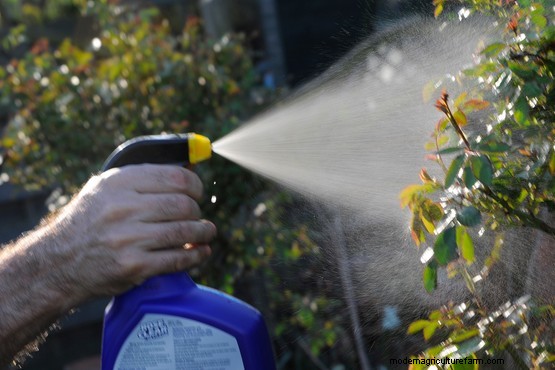
Your plants might attract insects that you are less keen on, such as aphids (greenfly and blackfly). It can be tempting
to resort to a chemical spray, but many of these kill insects indiscriminately – including the pollinators you’re trying to
help. Plus, many garden pests are actually food for pollinators – aphids, for example, are the main diet of hoverfly larvae.
Aim to buy plants that have been grown without pesticides – ask the garden centre or nursery if you’re unsure or buy online from an organic nursery. If you must kill aphids, squash them with your fingers, or squirt them off plant stems with your garden hose, rather than spraying.


