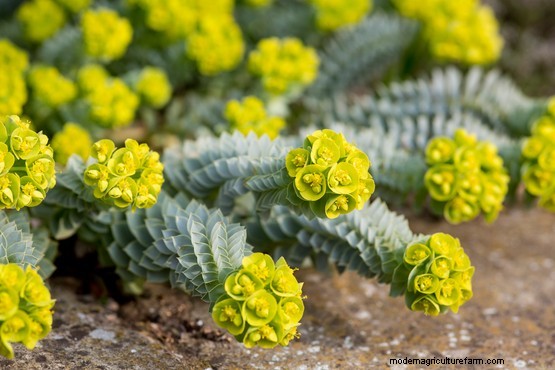
Welcome to Modern Agriculture!

Euphorbia is a large genus, with plants ranging from Christmas poinsettias and cowboy cacti, to large shrubs like Euphorbia mellifera. The shrubby hardy varieties make excellent garden plants for a range of situations, depending on their size and preference.
Euphorbias are easy to grow and look exotic and striking all year round. They add structure and texture to a mixed planting scheme, making them a great companion for colourful shrubs and perennials.
Grow euphorbias in moist but well-drained soil in sun to partial shade. use them as a foil for other bright colours or as part of a woodland scheme. Mulch annually with leaf mould.
More on growing euphorbias:
Find out how to grow euphorbias, in our detailed Grow Guide, below.
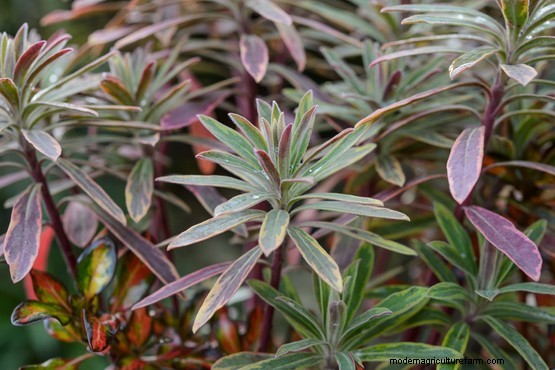
Euphorbias generally require a sunny position and fertile, well-drained soil. However, some varieties are shade tolerant and will thrive beneath trees and shrubs, as ground cover.
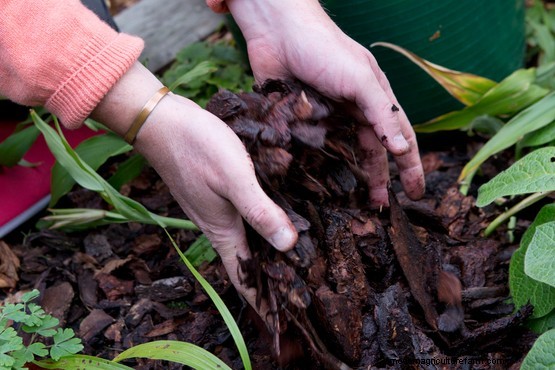
When planting pot-grown euphorbias, dig a generous hole and add some compost or leaf mould. After firming in your euphorbia, water well and mulch to keep in moisture and prevent weeds.
Here, Monty Don recommends two excellent euphorbia varieties and details how and where to plant them. He also gives tips on how to propagate euphorbias from cuttings.
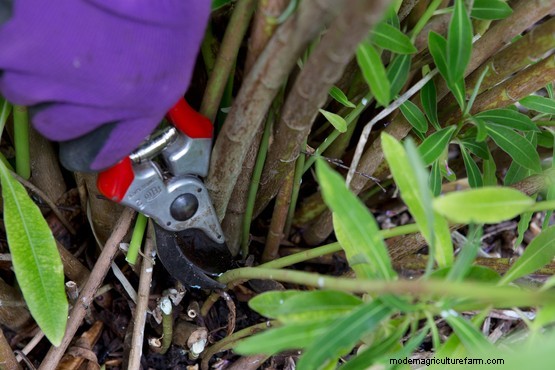
Euphorbias do not require feeding or special care as long as the growing conditions are right. It’s a good idea to cut back flowering stems after the blooms have faded. However, you must always wear gloves when working with euphorbias, as their milky sap irritates the skin and eyes, and is poisonous if ingested.
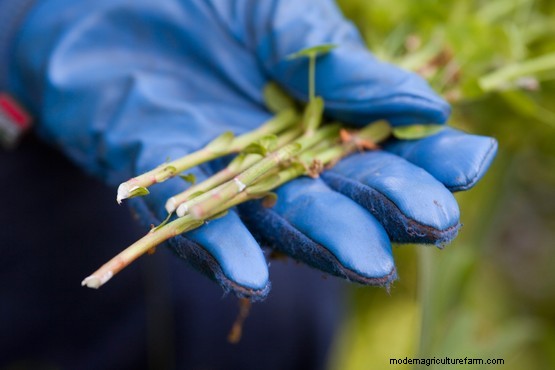
Propagate euphorbias by taking cuttings in spring. Make sure you wear gloves to protect you from the sap.
Find out how easy and rewarding it is to propagate euphorbias by taking cuttings of Euphorbia characias subsp. wulfenii in spring. Monty Don shares tips on how to keep the cuttings fresh, how to plant them and how to protect your hands from the irritant sap:
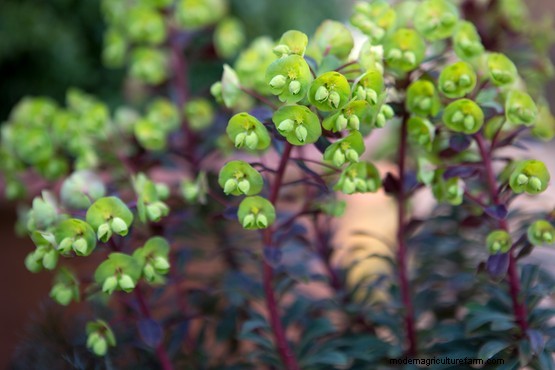
Euphorbias do not suffer from any particular pests and diseases.