Welcome to Modern Agriculture!

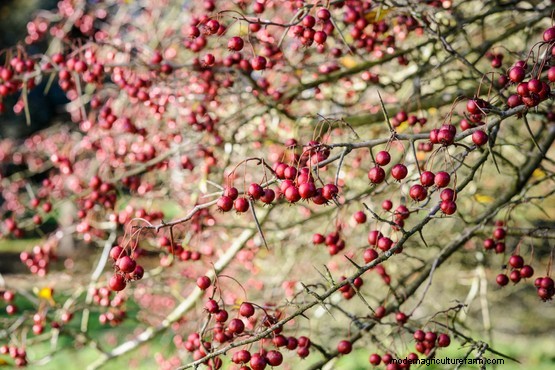
Hawthorn (Crataegus) is synonymous with late spring, when its white and pink blossoms mark the changing season. We have two native hawthorns in the UK – Crataegus monogyna and Crataegus laevigata. Both grow individually as a small tree and are also used in hedging, either on their own or in a mix with other native hedgerow plants. The leaves, flowers and fruit (also known as ‘haws’) eaten by a number of wildlife species, and its dense thorny habit provides a safe nesting place for birds. Hawthorns make a good screen or specimen tree and are among the best trees for small gardens.
Hawthorns are full hardy, so will suit most garden locations. Ideally plant in moist but well-drained soil in full sun to partial shade.
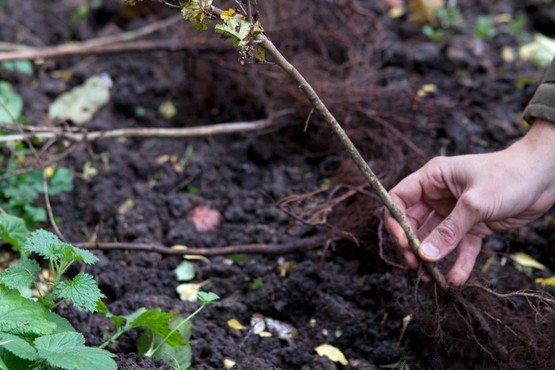
Hawthorns are best planted when dormant, from autumn to spring, as bare-root trees or hedging plants.
The best method of propagating hawthorns is from seed, saved from the haws or berries. It takes a long time, but start by mashing the berries to extract the seed and mix with sand. Sow in fine compost mixed with leaf mould, in pots. Keep well watered and seeds will germinate in around 18 months.
In this video clip from Gardeners’ World, Carol Klein shows you how to gather rose hips and hawthorn berries in autumn, then explains how to stratify them to encourage germination a couple of weeks later:
Hawthorns are pretty tough and disease resistant.
Hawthorns do not need much aftercare or pruning, unless you’re growing them as part of a hedge.