
Welcome to Modern Agriculture!

House plants have the ability to purify the air. Indeed, a study conducted by Nasa in 1989 concluded that some plants are better for purifying the air than others, removing harmful toxins such as formaldehyde, benzine and other toxins found in cleaning products, paints and flame-retardants commonly found in the modern home.
It makes sense, therefore, to grow air purifying plants in the bedroom. Not only will the presence of plants create the perfect environment for dropping off to sleep, but the combination of extra oxygen, and an absence of toxins, will give you the best chance of a good night’s rest.
More on growing house plants:
Browse our list of the best house plants for a bedroom, below.
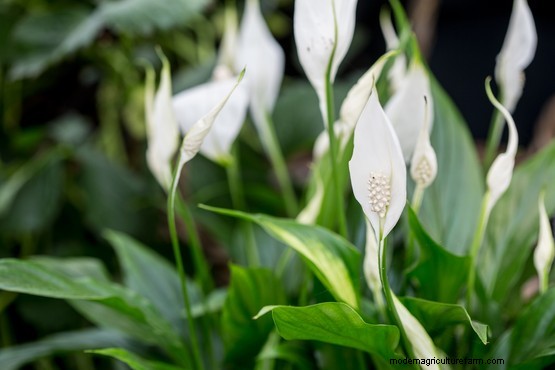
NASA research found that the peace lily, Spathiphyllum wallisii, to be one of the best air purifying plants. It removes toxic gases like benzene, formaldehyde, and carbon monoxide from the air. It’s a good looking plant, too, bearing dark green, glossy leaves, and white flower ‘spathes. Grow in bright light out of direct sunlight, and mist regularly to increase humidity.
Height x Spread: 60cm x 30cm
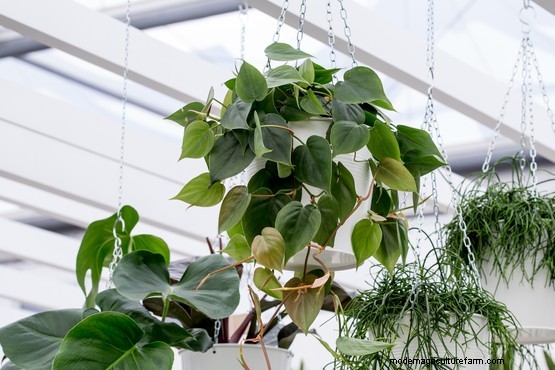
Several philodendrons were tested in the NASA study, and were found to remove formaldehyde from the air. Many heart-leaved varieties like Philodendron scandens, pictured, can be grown in a hanging pot, from which its leaves can trail attractively.
H x S: 20cm x 80cm
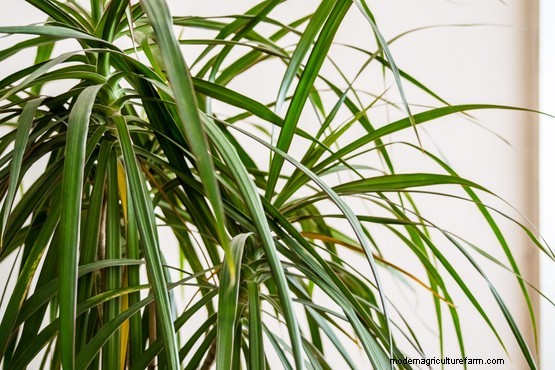
A wide range of pollutants can be absorbed by dragon plant, dracaena. It also helps to clean the air of harmful cigarette smoke particles. Grow in a bright spot out of direct sunlight. It’s useful for adding height to an indoor plant display.
H x S: 2m x 30cm
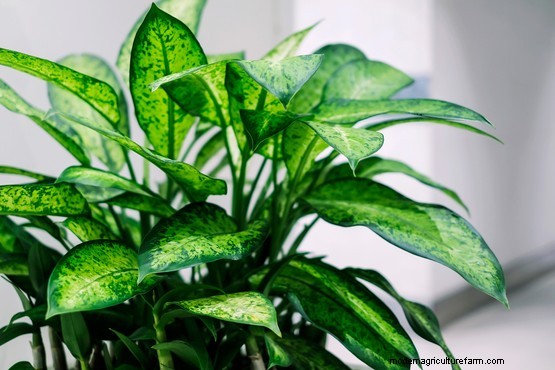
Dumb cane, Dieffenbachia, is known for its air purifying qualities. It has large, variegated leaves in shades of green with distinct patterning. Grow out of direct sunlight in free-draining soil. Note that the sap of this plant is an irritant, so take care not to get any on your skin.
H x S: 1.5m x 50cm
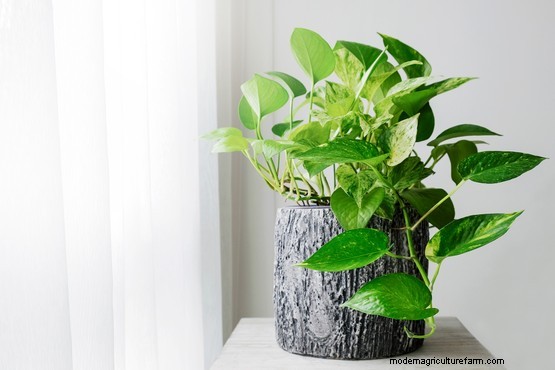
Golden pothos, Epipremnum aureum, is another winner in the Nasa study, being shown to remove benzene, fomaldeyde, xylene and toluene from the air. It’s easy to grow – grow it up a coconut fibre support or let it hang down from a shelf.
H x S: 2m x 50cm
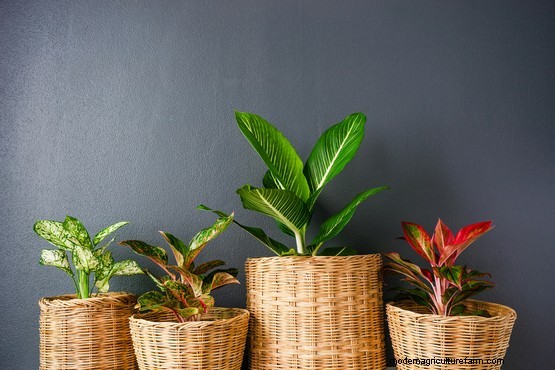
Chinese evergreen, Aglaonema spp, is an attractive plant with green leaves with prominent cream veining. It sucks fomaldehyde and benzene from the air, and is easy to care for. Grow in bright light out of direct sunlight.
H x S: 50cm x 30cm
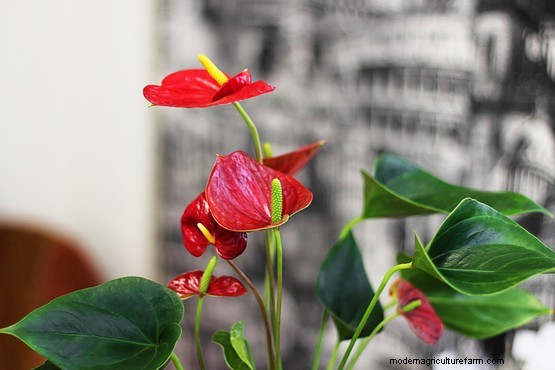
Beautiful anthurium is one of the few house plants bearing flowers over a long period. Its glossy green leaves give way to red ‘spathes’. It’s native to tropical forest regions of South America, and so thrives in warm, humid environments. It removes a number of toxins from the air, including formaldehyde.
H x S: 60cm x 40cm
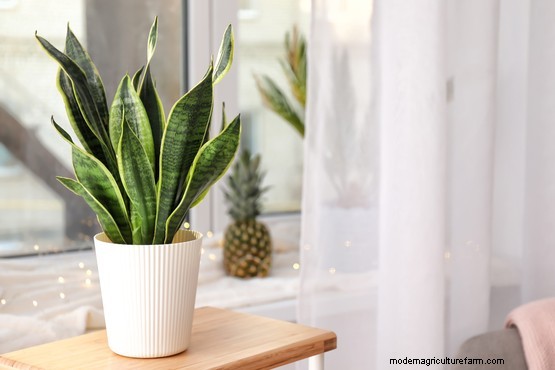
Snake plant, Sansevieria trifasciata, was shown to remove nearly all toxins in the NASA study, proving it invaluable in the home and bedroom. It’s easy to grow, too. It does best out of direct sunlight but will tolerate shade. Water sparingly.
H x S: 75cm x 30cm
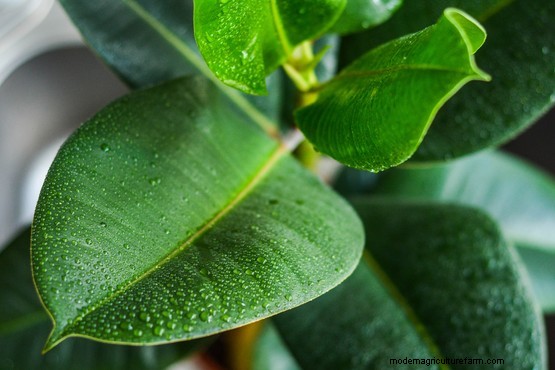
While not as effective as removing toxins as its cousin, Ficus benjamina, the rubber plant, Ficus elastica, has great air purifying properties, including the removal of formaldehyde. This large, impressive house plant is easy to care for – grow in moist but well-drained compost out of direct sunlight.
H x S: 2m x 1m
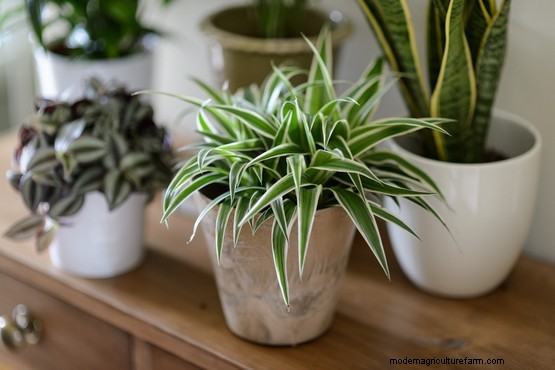
The humble spider plant has great air purifying qualities, and it reproduces readily, meaning you acn grow a spider plant in every room of your house for the same price as just one plant. It’s shown to remove formaldehyde, xylene and toluene from the atmosphere, making it the perfect bedroom house plant.
H x S: 20cm x 30cm


