Welcome to Modern Agriculture!

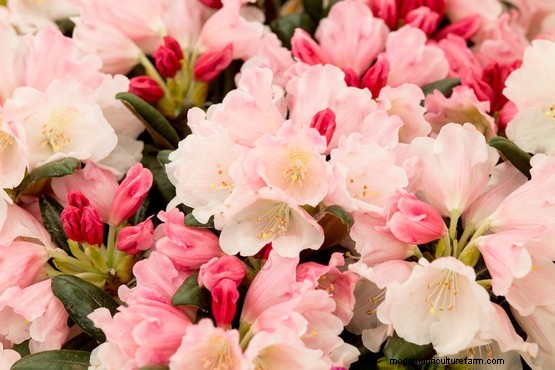
Rhododendrons are popular flowering shrubs. There are thousands of colourful rhododendron cultivars to choose from in a range of sizes to suit larger gardens or containers. From large blousy blooms in pinks and purples through to more fiery reds, oranges and yellows, rhododendrons are guaranteed to put on a good show of flowers in early summer, as long as you provide the right acidic growing conditions. Many rhododendrons are evergreen, but deciduous varieties will also provide good autumn colour.
Rhododendrons are often grown alongside azaleas. Once categorised as different species, rhododendrons and azaleas are now placed together in the Rhododendron genus. They share many characteristics but there are some differences:
Rhododendrons are perfect for growing at the edge of a woodland border or shady spot. Plant them in humus-rich acidic soil in a sheltered spot in partial shade or full sun. Mulch rhododendrons annually and water well with rainwater.
While unlikely, if ingested by pets, all parts of azaleas and rhododendrons cause nausea, vomiting, depression, difficulty breathing and even coma. They can be fatal to dogs if eaten in large enough quantities.
More on growing rhododendrons:
Botanical name: Rhododendron
Common name: Rhododendron
Plant type: Shrub, Evergreen
Flower colours: Pink, purple, red, orange, yellow
Plant in: March-April, September-December
Flowers in: April-July
Take cuttings: July-August
Prune in: March
Sun exposure: Full sun, dappled shade, partial shade
Hardiness: Hardy
Soil type: Well drained / light / sandy / clay / heavy / moist / acidic
Wildlife: Known for attracting bees
Toxicity: Can be toxic to cats, dogs, horses and livestock
Preferred growing conditions vary slightly depending on the variety.
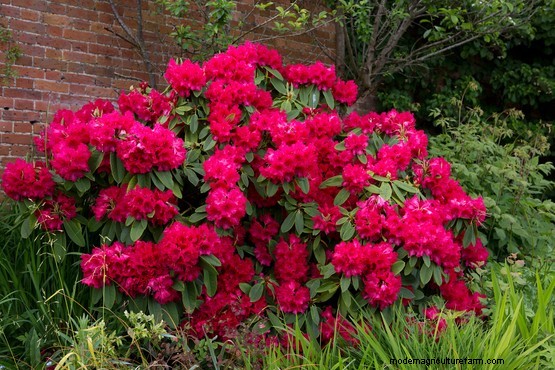
Grow rhododendrons only if you have neutral to acidic soil – use a test kit to measure the pH of your soil and check neighbouring gardens to see if rhododendrons or other acid-loving plants grow well in your area. Then, chose a sheltered spot in partial shade to full sun. Many rhododendrons suit planting at the edge of a woodland border or shady area. Dwarf alpine rhododendrons work well in rock gardens. Smaller varieties look best at the front of a border, or in pots.
All rhododendrons require humus-rich, neutral to acidic soil that’s moist but well-drained. Use peat-free ericaceous compost for pots. Rhododendrons are shallow-rooted plants, so make sure the roots are just below the soil’s surface. Dig a hole that’s wider than it’s deep and back fill with leaf mould and peat-free ericaceous compost. Water well.
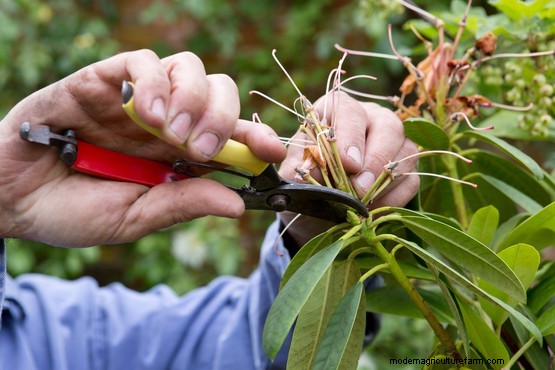
Mulch rhododendrons in borders annually with an acidic mix of leaf mould, peat-free ericaceous compost or conifer bark chippings. For container-grown rhododendrons, replace the top layer of compost with fresh peat-free ericaceous compost, or repot completely in spring and feed with an ericaceous fertiliser. Water with rainwater as much as possible – tap water might contain too much calcium. There should be little or no need to prune, but deadheading spent blooms after flowering can improve the appearance of your shrub.
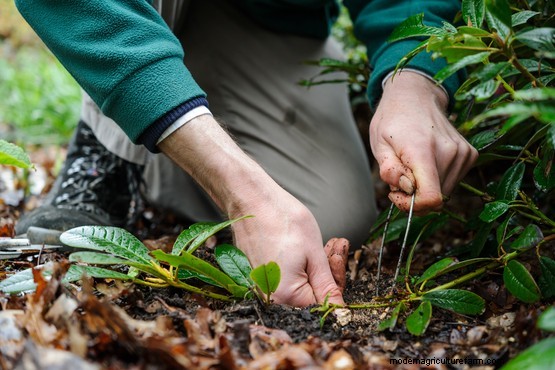
Species rhododendrons can be grown from seed, but cultivars should be propagated from cuttings and layering. Take heel cuttings of rhododendrons in late summer and autumn. Layering rhododendrons involves taking a low-growing branch and pegging it to the ground so it can take root. This is best done in late-summer.
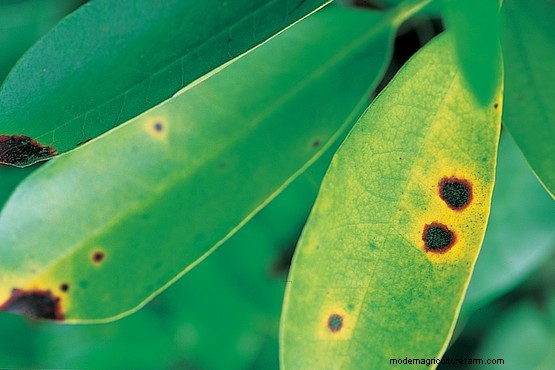
There are no pests affecting rhododendrons. However, the fungal disease rhododendron leaf spot can affect the leaves, causing them to drop.
Rhododenron ponticum is on the invasive plant list, so should not be planted in gardens and should be removed where possible.
Sometimes rhododendrons stop flowering. Find out why, and how to resolve the problem, in our Quick Tips video:
Rhododendrons sometimes succumb to over-watering. Too much water around the rootball prevents the roots from being able to take up vita nutrients and can, effectively ‘suffocate’ the plant. However, under-watering can also kill rhododendrons. Their roots are shallow, meaning they don’t have a large tap root with which to draw water up from deep in the soil. Other reasons for sick or dead rhododendrons include planting too deeply (remember rhododendrons are shallow-rooted) and applying too much fertiliser.
To revive a sick rhododendron, first check its roots, and replant it if it’s growing in too wet or dry soil, or if planted too deeply. Then, prune away damaged stems. Water sparingly and apply an ericaceous liquid feed as the flower buds are developing in spring, only.