
Welcome to Modern Agriculture!

Shasta daisy, Leucanthemum x superbum is a long-time gardeners’ favourite. It’s named after the snow-white peak of Mount Shasta, in California, where the plant was originally bred – the whiteness of the flowers is said to resemble the white of the peak. Today there are many varieties of shasta daisy that have been bred for improved performance such as flowering for longer periods, different flower shapes and a greater range of plant sizes, including compact varieties suitable for pots. Most varieties bear large, white daisy-type flowers with a yellow centre, but some bear cream and yellow blooms, which can be single, semi-double or fully double, and may have quilled or frilled petals.
Shasta daisy is tough and easy to grow, and flowers from early summer to early autumn. It makes an excellent cut flower and is good for attracting pollinating insects.
Grow shasta daisy in any reasonable soil, in full sun or light shade. Keep watered until established and feed and mulch annually. Stake tall-growing varieties in spring and remove faded flower stems during summer. Cut back dead growth to the ground anytime during autumn to early spring. Divide large, established clumps from autumn to early spring.
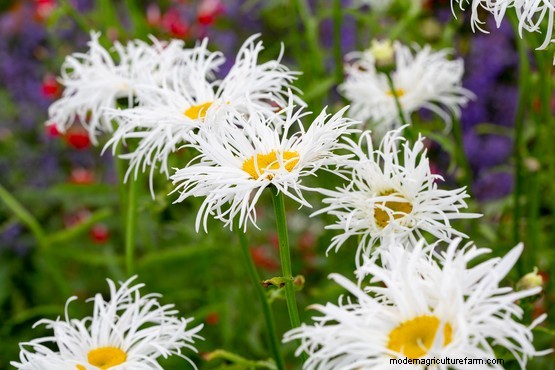
Plant shasta daisy in fertile, well-drained soil in borders. Full sun gives the best flowers though partial shade still gives reasonably good results. Grow compact varieties in pots or towards the front of a border.
Ideally plant shasta daisy in autumn, during mild spells in winter, or early spring. Summer planting is fine so long as plants are kept watered until established. Plant into good soil or improve poor ground before planting by adding organic matter. Firm in thoroughly, water in, and keep watered until established. For pots, use a potting compost containing loam (such as a John Innes type).
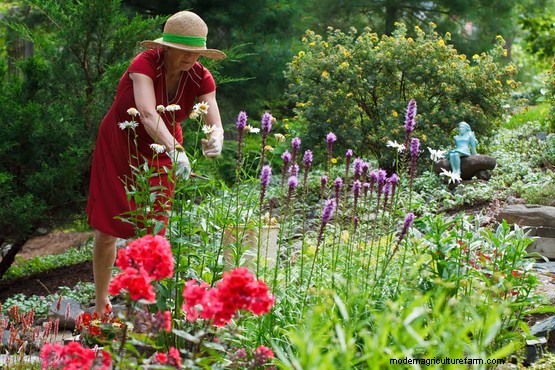
Shasta daisy is a vigorous perennial and benefits from an annual mulch of compost or manure, and a late winter/early spring feed with slow-release fertilizer. Support tall-growing varieties, ideally with grow-through supports put in place during spring that quickly become hidden. Either buy ready-made ones, make your own from canes and string or use twiggy hazel stems bent over or around the clump. Deadhead regularly by cutting flowered stems to the base.
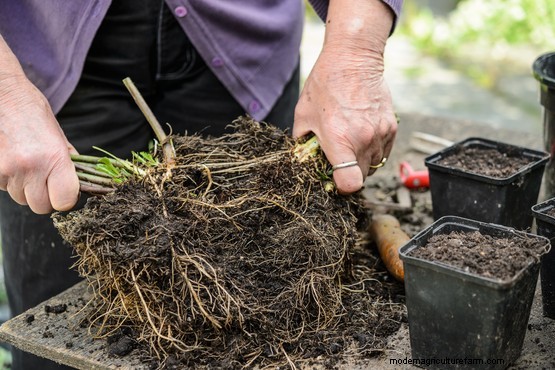
Shasta daisy is vigorous and forms large clumps within several years. Propagate by dividing clumps every three to five years, preferably in early spring. This also rejuvenates older plants that have become congested.
Shasta daisy is generally trouble free once established.


