
Welcome to Modern Agriculture!

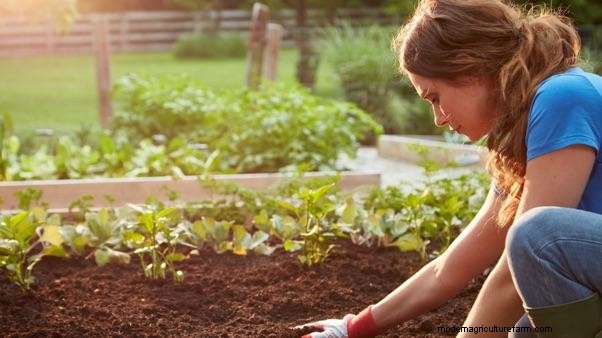
Gardening organically means embracing simplicity (and Mother Nature) in the way you grow your favorite veggies and herbs. But it doesn’t mean you should expect wimpy plants and a smaller harvest, as a popular organic gardening myth would have you believe.
This myth may have taken shape thanks to complaints from eager yet inexperienced organic first-timers who ended up with a poor performing garden. Newbie gardening mistakes—like not knowing the importance of building good soil, choosing the wrong plants for your region, underestimating how often to water and feed, and not paying much post-planting attention to the garden—can certainly lead to weak plants and a so-so harvest. Unfortunately, organic gardening practices can be an easy scapegoat for these problems. (Not sure what it means to garden organically? Find out by reading What is Organic Gardening?)
The truth? The “organic means settling for less” garden myth is just that: a myth. Going organic can actually be one of the best garden decisions you’ll ever make. (See our Benefits of Organic Gardening article for more on that.) With careful attention to soil preparation and plant selection, regular watering and feeding with the right plant food, and frequent walks around the garden to check on your plants —all good habits for any gardener—you can grow robust organic plants that produce impressive harvests!
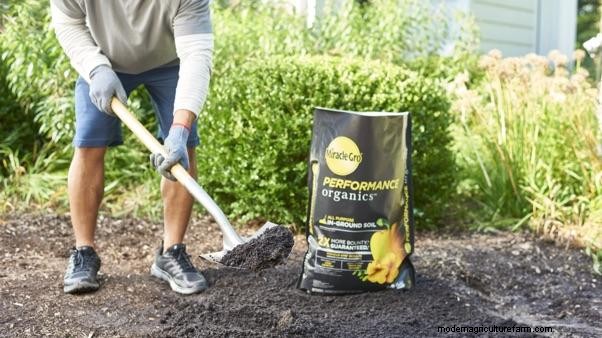
Let’s talk a little more about prepping the soil. Most plants are happiest in soil that’s rich with organic matter and has a balanced texture that gives roots a place to grab hold and soak up nutrients while allowing excess water to drain. To create that ideal soil environment in an in-ground organic garden, blend Miracle-Gro® Performance Organics® All Purpose In-Ground Soil with the top layer of your native soil. If you’re gardening in indoor or outdoor containers, fill them with Miracle-Gro® Performance Organics® All Purpose Container Mix. (Growing in raised beds? Use a 50-50 mixture of In-Ground Soil and Container Mix.) Both are enriched with aged compost and provide just the right organic nutrition to get plants off to a strong start—so strong, in fact, that they’re guaranteed to deliver up to twice the harvest (vs. unfed plants) during the growing season.
Once your soil is ready, plant it up a variety of strong, vigorous, USDA-Certified Organic young plants from Bonnie Plants® Organics. That way, you won’t have to sit around waiting for seeds to sprout—you’ll already be well on your way to harvest. (Is this your first organic gardening experience? Read our quick overview of growing tips and techniques in How to Grow an Organic Garden.)
Remember, care doesn’t end just because your plants are in the ground. Be sure to water your organic garden regularly—don’t just depend on rain, especially in the summertime. Whenever the top inch of soil is dry, it’s time to give your plants a thorough soaking. If you see plants beginning to wilt, that’s a good sign that you need to reach for the hose or watering can.
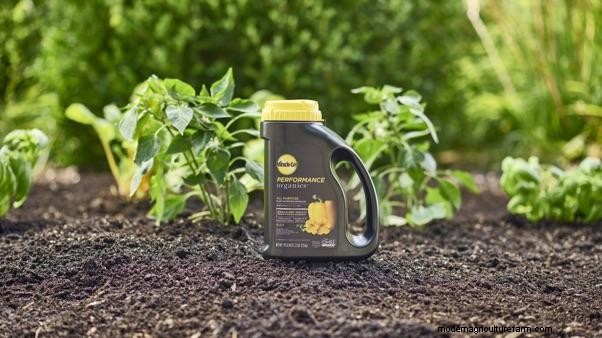
The other thing to keep in mind (and this is crucial) is that, if you want them to be productive, organic gardens need to be fed regularly throughout the growing season. After all, just like kids, plants need plenty of the right kind of nutrition in order to flourish! A month after planting, sprinkle Miracle Gro® Performance Organics® All Purpose Plant Nutrition Granules evenly around your plants. Gently work the granules into the soil, then water to start feeding. Make sure to follow all of the directions on the label.
Finally, don’t forget to keep a watchful eye on your organic garden so you can quickly spot invading pests before they do any lasting damage. If you do see insects on your plants, though, don’t panic. Not all insects are pests—in fact, many of them are important for the health of your organic garden. Good guys like wasps, butterflies, bees, and flies are beneficial pollinators, and dragonflies, green lacewings, and some beetles (like ladybugs) dine on damaging aphids, mites, and slugs. If you do spot bad bugs in the garden, consider removing them by hand, spraying them with a hose, setting natural traps, or treating plants with an organic pest control spray.
Whether you’re just getting started with organic gardening or thinking about making the switch, choosing to grow organically can deliver the kind of bountiful harvest you’ve always dreamed of. (Take that, organic gardening myth!) And now that we’ve set the record straight, you can stop worrying and start planting.

