
Welcome to Modern Agriculture!

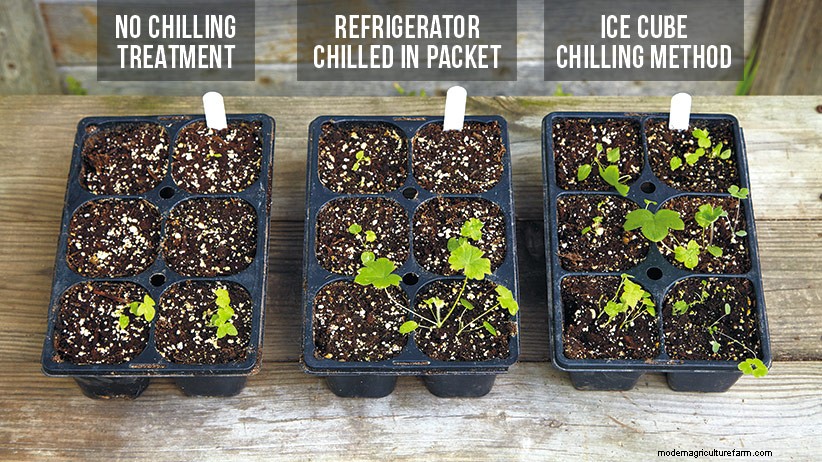
Have you ever found some seeds are trickier to get growing than others? If you’ve ever carefully planted some seeds into the right soil with the right amount of water and still no new plants sprung from the ground, it could be as simple as adding one more step to your planting regime: Prechill your seeds (also known as stratification) for better germination.
Some seeds are tough to start because of naturally-occurring germination inhibitors, such as waxes, hormones, oils or heavy seed coats, that keep the seed from sprouting at the wrong time. We've included a list of seeds that need to be prechilled before planting below.
Prechilling seeds mimics the process that happens in nature: Perennial seeds are dropped on the ground, freeze in winter, get washed by melting snow and rain, and finally break dormancy and sprout in the spring. If you collect seeds yourself and bring them inside, your seeds won’t get the cold temperature they need to germinate. And sometimes you might purchase seeds that recommend a chilling period on the package.
So how do you prechill your seeds? We have three different methods below. Read through the steps for each and decide which is best for you!
The simplest way to achieve a cool period for your seeds is to direct-sow in the ground after a killing frost in late fall to midwinter. The later you sow, the more likely the seed will stay dormant until it is warm enough to germinate. In fact, many people even sow Oriental poppies on top of snow — as it melts, the tiny seeds sink to the ground and start growing as soon as the weather warms a bit.
You Might Also Like:
Sow Seeds Outdoors in Winter with the Milk Jug Method
Seed-Starting Tips from Our Readers
Sowing Poppy Seeds in Winter
When to Start Seeds Indoors
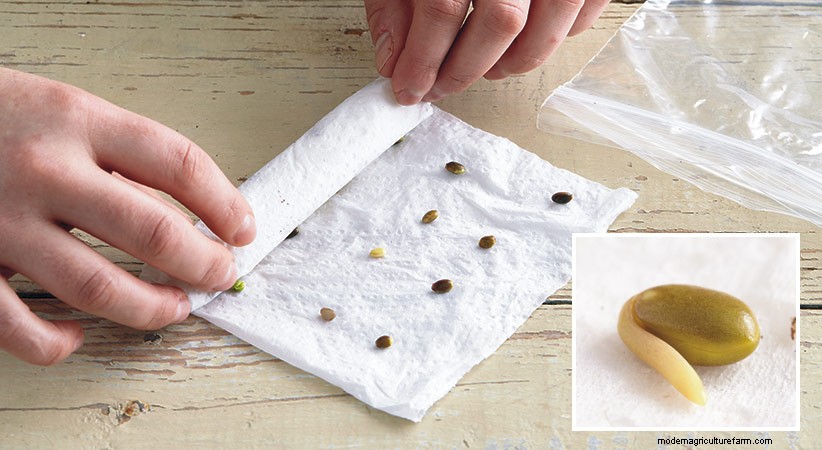
Maybe you’re not ready to plant outside, or you want to get a head start by sowing seed indoors. Though you can chill seeds by just placing the paper packet in the refrigerator, you’ll get better results if the seed is damp. Moisture helps prepare the seed for germination.
For instance, the lupine seeds in the photo above have a hard coat that needs to be nicked with a nail clippers and soaked overnight to soften. Roll them into a damp paper towel so they stay moist, then place them in a plastic bag to chill in the refrigerator for seven days to stratify.
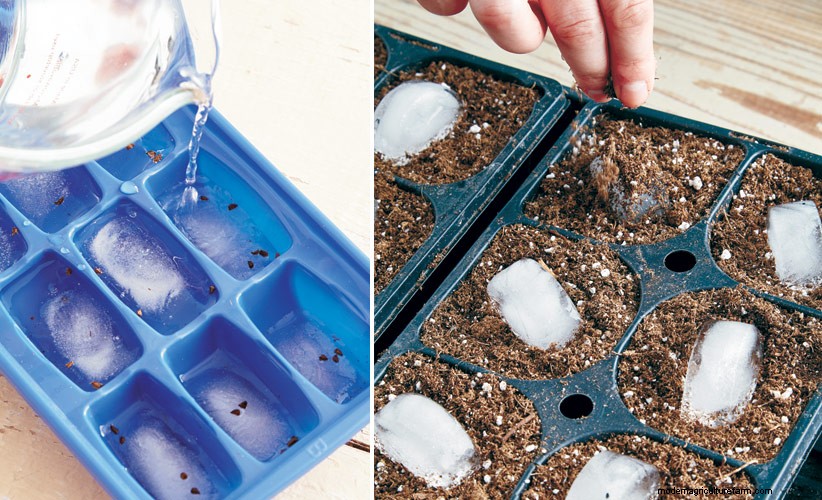
Running out of time to plant? Try freezing seeds inside an ice cube for a fast stratification. Don’t freeze seed just in a package unless it has a thick coat or the moisture content is low, because water in the embryo cells can burst when frozen. But encasing it in ice protects the seed from freezing damage.
You Might Also Like:
How to Sow Seeds Outdoors
Garden Design Ideas
Perennial Seeds to Sow in Fall


