
Welcome to Modern Agriculture!

Siberian irises are beautiful, spring-blooming perennials that are easy to care for but need division every few years to grow and look their best. You can go over a few Siberian iris division basics below then watch this video of Siberian iris collector Kris Jurik as she divides a clump that grew too large for its space.
If your plant isn’t flowering as well as it used to and has developed an empty crater in the center, it’s time to divide. Depending on how quick-growing a variety is, you may need to do this every 3 to 5 years.
The best time to divide is in fall. Early spring works just fine, too, but you might miss out on blooms that year. It’s simple to do but because Siberian iris roots are so dense, it can be hard work.
You Might Also Like:
Dividing Perennials with an Dead Center
How to Divide 45 Favorite Perennials
Growing Peonies
How to Plant Perennials in Four Simple Steps
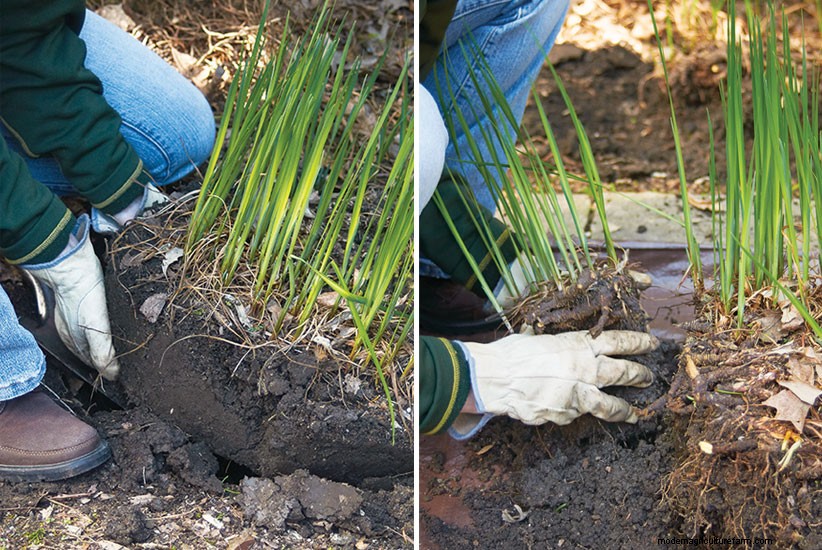
Dividing Siberian iris is pretty simple — the biggest challenge can be getting through the dense root system if you have a large plant.
If you don't want to dig the entire clump, you can also clean dead foliage and rhizomes out from the empty center and fill it in with soil. It may take a few years, but the plant will gradually grow back into that space and start flowering again.
If plants don't need division but you'd like to share some, simply put a spade in at the edge of the clump and dig out a piece to pass along. Fill the hole with soil.

![When To Cut Back And Divide Iris [And How To Do That]](https://modernagriculturefarm.com/article/uploadfiles/202211/2022111709431885_S.png)
![Best Knife For Dividing Plants [And How To]](https://modernagriculturefarm.com/article/uploadfiles/202211/2022111709564518_S.png)