
Welcome to Modern Agriculture!

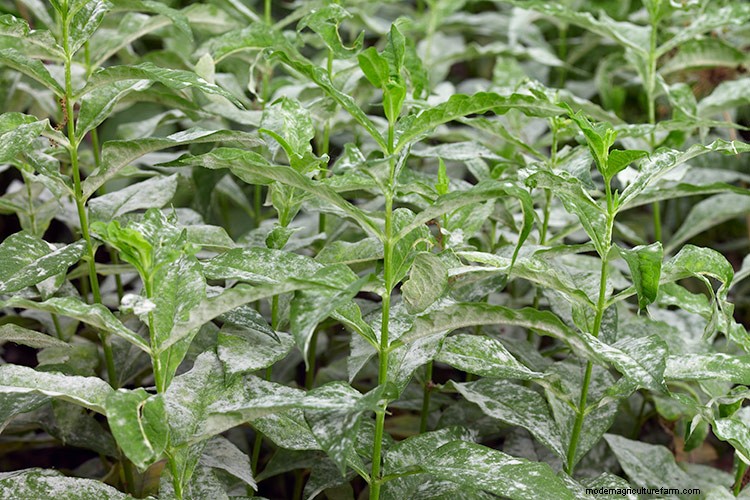
There really is a fungus among us. Several, actually. Black spot, powdery mildew and damping off are all common fungal diseases that every gardener has to deal with from time to time.
Of course, you can choose plants that are resistant to fungal diseases, and cleaning up fallen leaves and spreading fresh mulch every spring will help, too. But sometimes it’s not enough. However, a quick sweep through your kitchen cupboards, and you might find just what you need to fight against these persistent diseases without chemicals. All of the recipes here are nontoxic and won’t harm kids, pets, wildlife or insects. Plus, they’re inexpensive and made from common ingredients, so you might not even have to make a trip to the store. Scroll on to learn more about making each recipe.
You Might Also Like:
Fight These Common Garden Weeds
4 Easy Ways to Get Rid of Slugs in the Garden
Common Hosta Problems
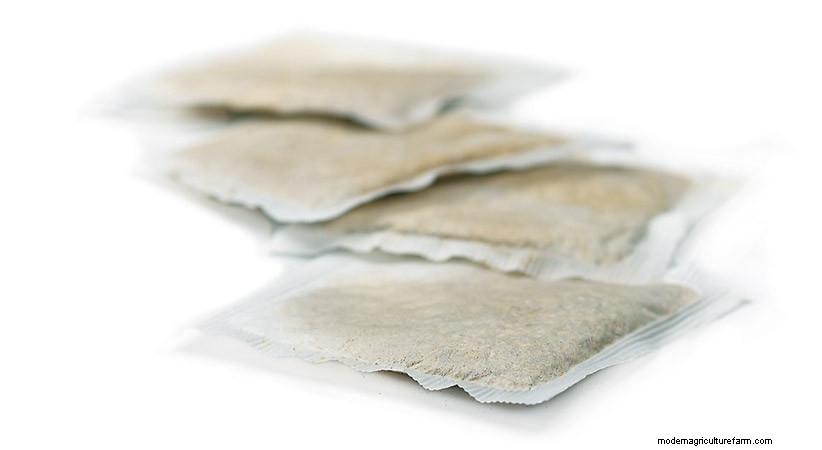
When you’re starting seedlings, you hate to see them die from damping off — when the tops of seedlings just fall over because the stem has rotted. Chamomile tea contains sulfur, which fights this fungus.
Soak the chamomile tea bag in cool water for 15 to 20 minutes. Mist the solution over seedlings and young plants, or use it to water flats from the bottom.
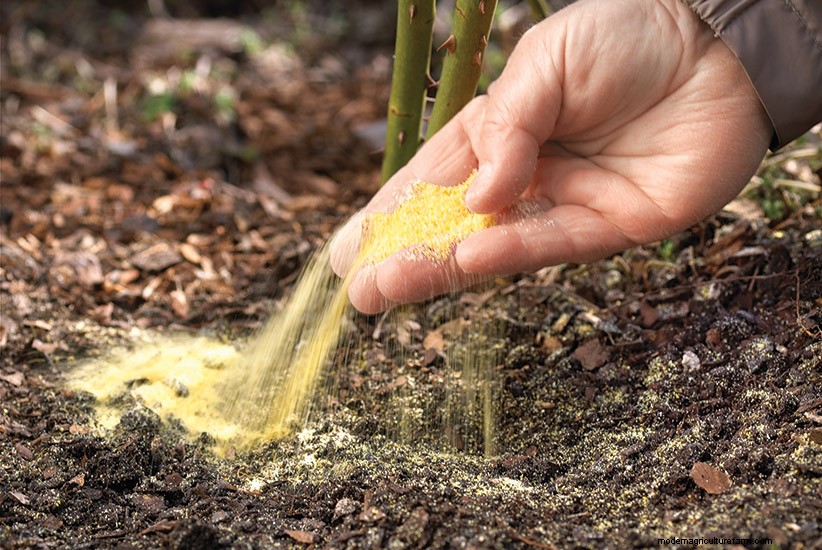
This home remedy is said to promote the growth of a good fungus that competes with the fungi that cause diseases, such as black spot. Corn meal gives plants a few extra nutrients, too!
Sprinkle ½ cup of corn meal around every plant, then cover it with a layer of bark mulch.
You Might Also Like:
Can I Use Wood Chip Mulch from a Tree Service?
How to Avoid Basil Downy Mildew
What to Do About Boxwood Blight
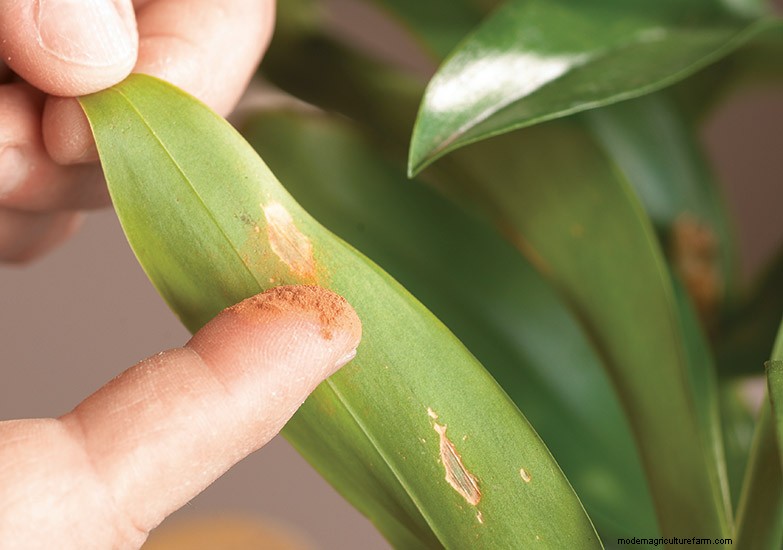
Orchid growers use cinnamon to fight fungal leaf spots. It is also useful to stop damping off in seedlings.
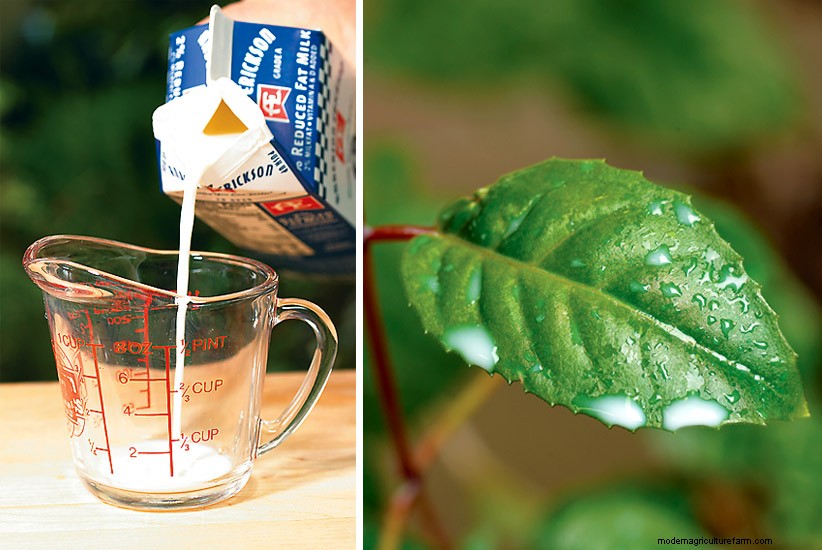
It’s hard to believe that something as mild as milk could fight fungus, but it does. The theory is that it coats leaves so spores can’t embed themselves in the leaf surface, although proteins or lactic acid may play a role, too.
Shake this mixture well and spray it on the plants until the leaves drip. When you’re done, discard the leftovers. This spray can help cut down on powdery mildew if you treat plants before you see symptoms.
Try it on garden phlox (Phlox paniculata), bee balm (Monarda didyma), cucumbers and other vine crops. Unlike some fungicides, it’s safe to use on plants with fuzzy leaves. (And no, it doesn’t smell!)
You Might Also Like:
Tomato Plant Problems
Troubleshooting Your Bearded Irises
Deer Resistant Plants
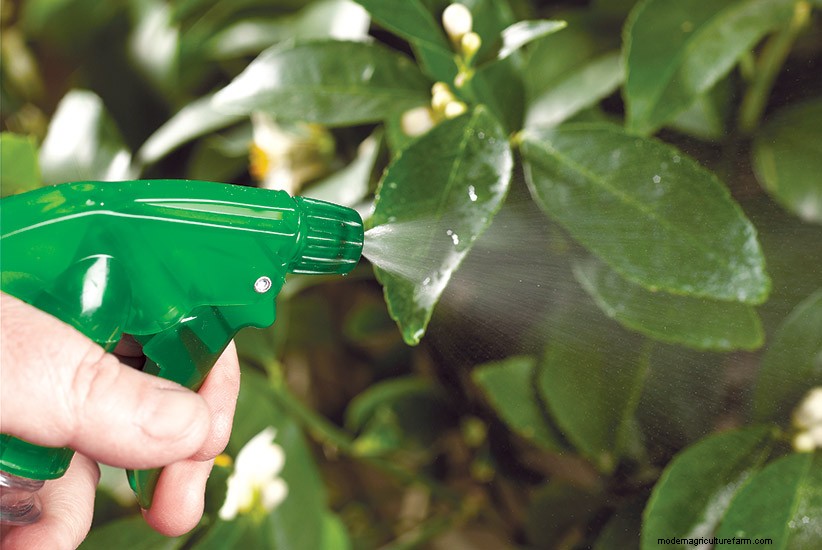
If you love roses (Rosa hybrids), you dread the arrival of black spot. Here’s something to help keep this condition at bay.
Combine the listed ingredients in a spray bottle, shake it thoroughly and apply to the tops and undersides of leaves. Use it on cloudy days or in the evening, as this mixture can burn foliage on a hot, sunny day. It works best if you spray plants before you see symptoms, although if the leaves already have a few blotches, it’ll keep black spot from getting worse.


