Welcome to Modern Agriculture!

Knowing how to clean terracotta pots properly is a useful skill for any gardener. And although it may seem simple, there are some tricks and tips to take on board.
There are all kinds of containers available, but terracotta ones are a classic choice and very widely used. Ensuring they're kept clean will help keep your container gardening ideas looking their best. But, it's also beneficial for plant health, as it reduces the risk of pests and diseases becoming a problem.
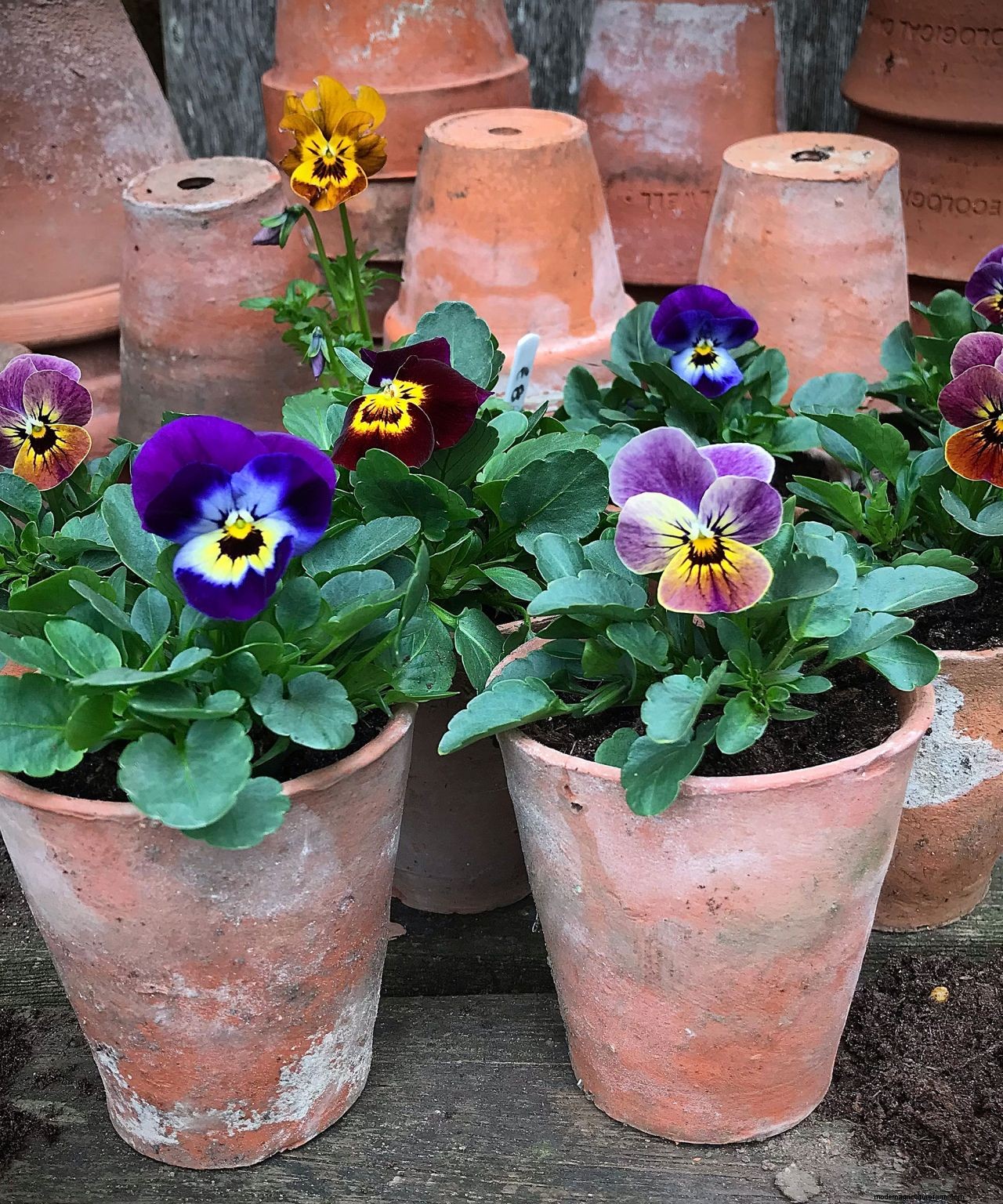
Learning how to clean terracotta garden planters is super straightforward and well worth doing. Just follow these steps:
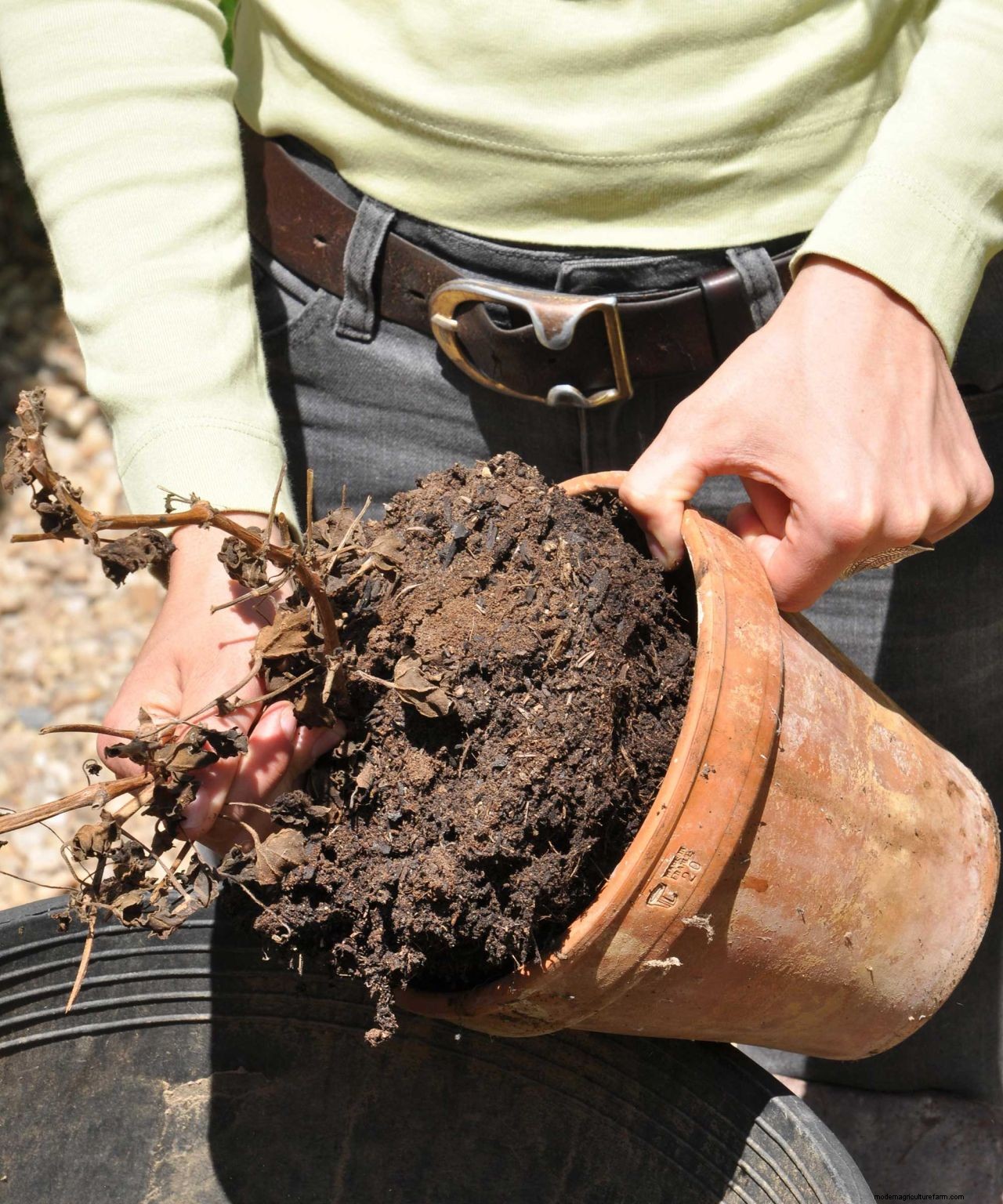
'Once your plant has reached the end of the flowering period or you need to repot it, it is important to make sure that your terracotta planters are cleaned for the new growing season ahead,' says the experts at Woodlodge.
If you're putting your pots into storage – in the shed or garage, for instance – it's wise to clean them beforehand. In fact, not doing so is a common container gardening mistake that's easily avoided. As the RHS (opens in new tab) says, 'Undisturbed pots can be breeding grounds for pests and diseases – especially baby slugs.'
If you're not keen on the idea of using bleach in your garden, white vinegar can make an effective and budget-friendly alternative. Simply dilute a small amount with warm water (1 cup of 5% acidity white vinegar for every 3–4 cups of water should do the job). Then, leave your pots to soak in the solution before giving them a good scrub (again, wearing gloves) and a rinse.
Some gardeners also use it to spot-treat particularly stubborn stains, by saturating a cloth with neat vinegar and wiping them down before rinsing well.
Just like with bleach, be careful not to pour the solution over any precious plants or your lawn once you've finished with it, as it can harm them. In fact, some gardeners use vinegar as a cheap way to get rid of weeds.
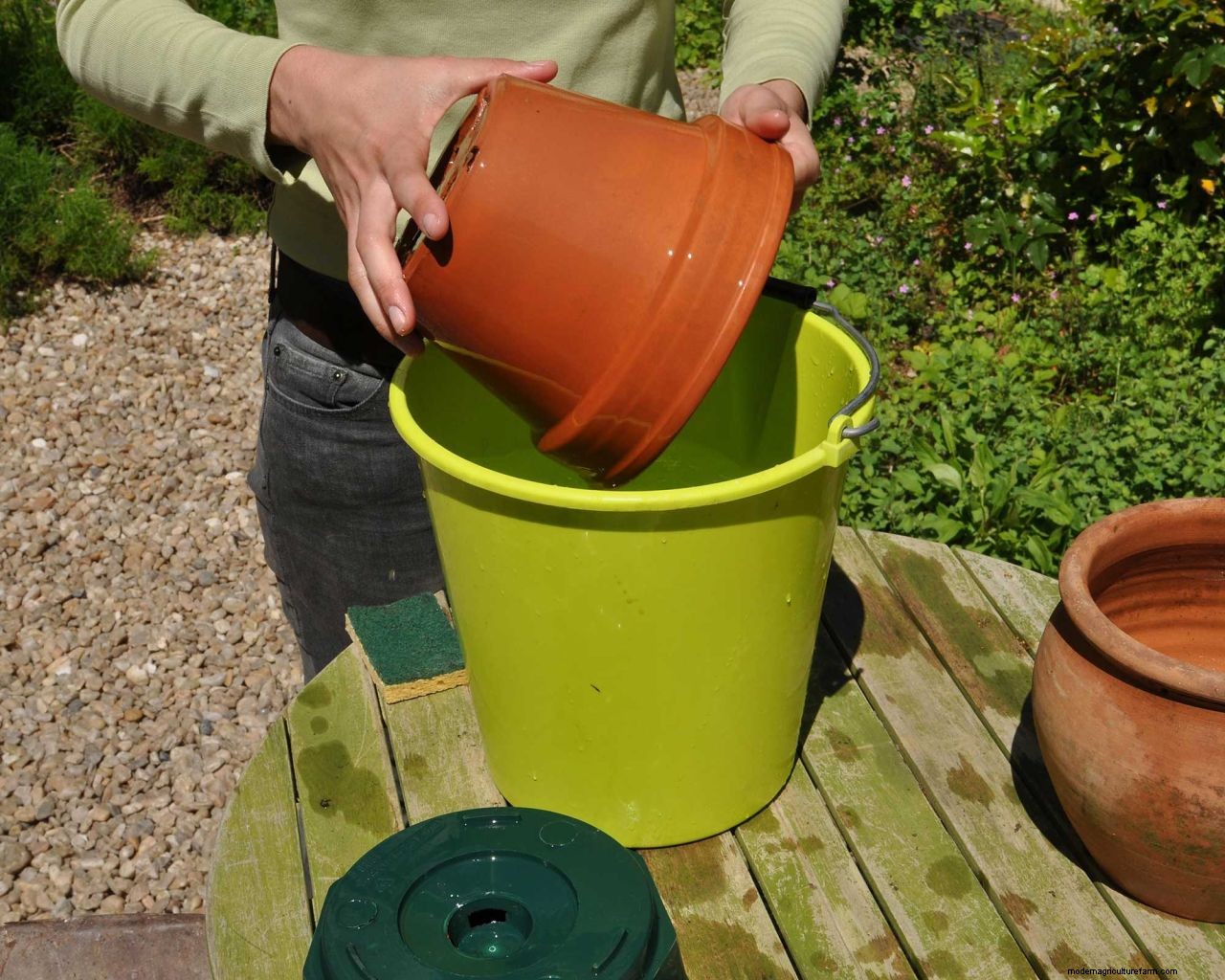
Over time, terracotta pots can develop a white 'crust'. This is a build-up of chemical deposits and salts from tap water and fertilizers.
Using vinegar or bleach as directed above can help remove this (but never combine the two as doing so creates a toxic chlorine gas which can be very dangerous). Watering plants with rainwater instead of tap water can slow down the process of it happening again.
If you quite like the vintage, 'distressed' look, you can always recreate it with exterior paint.
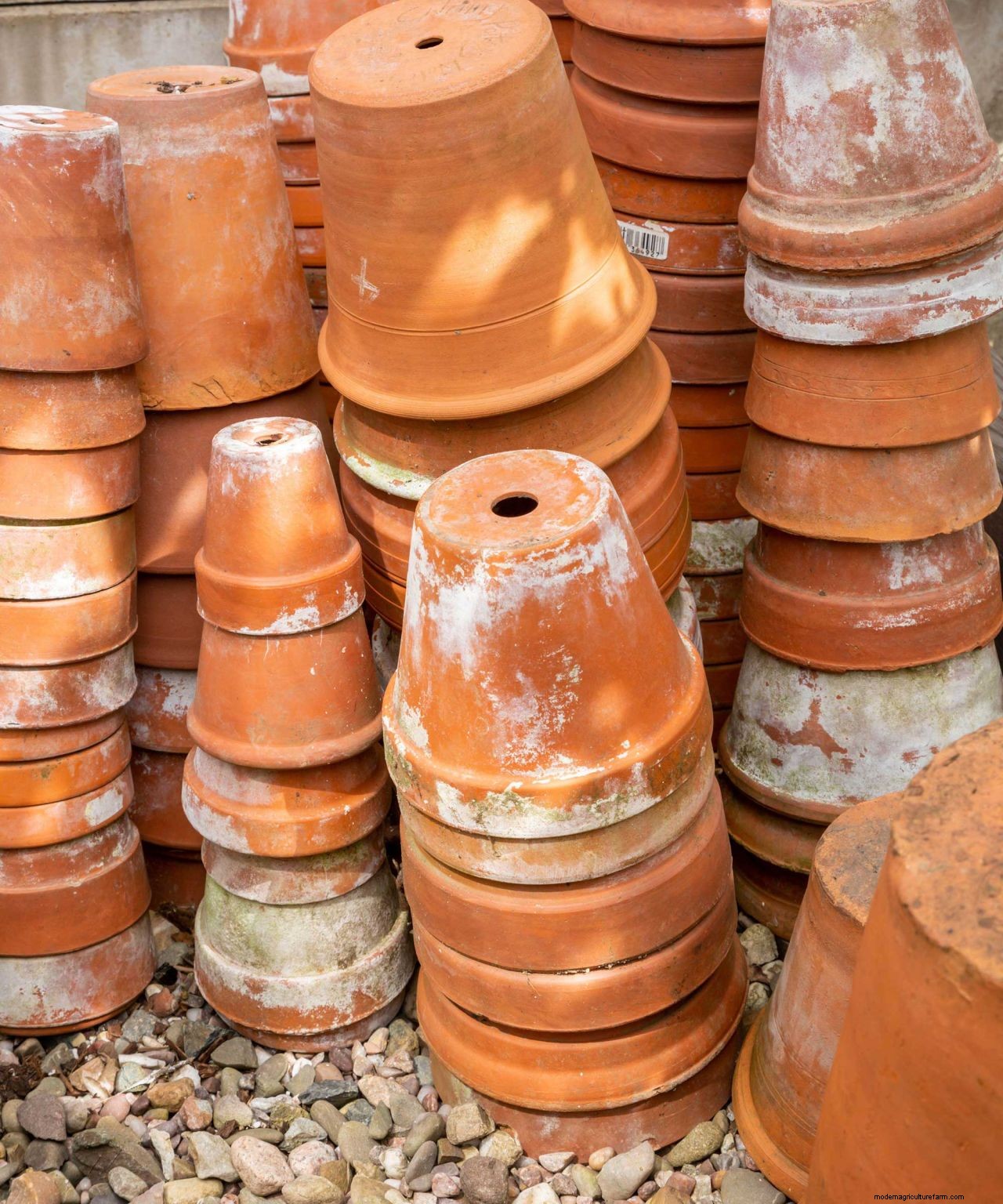
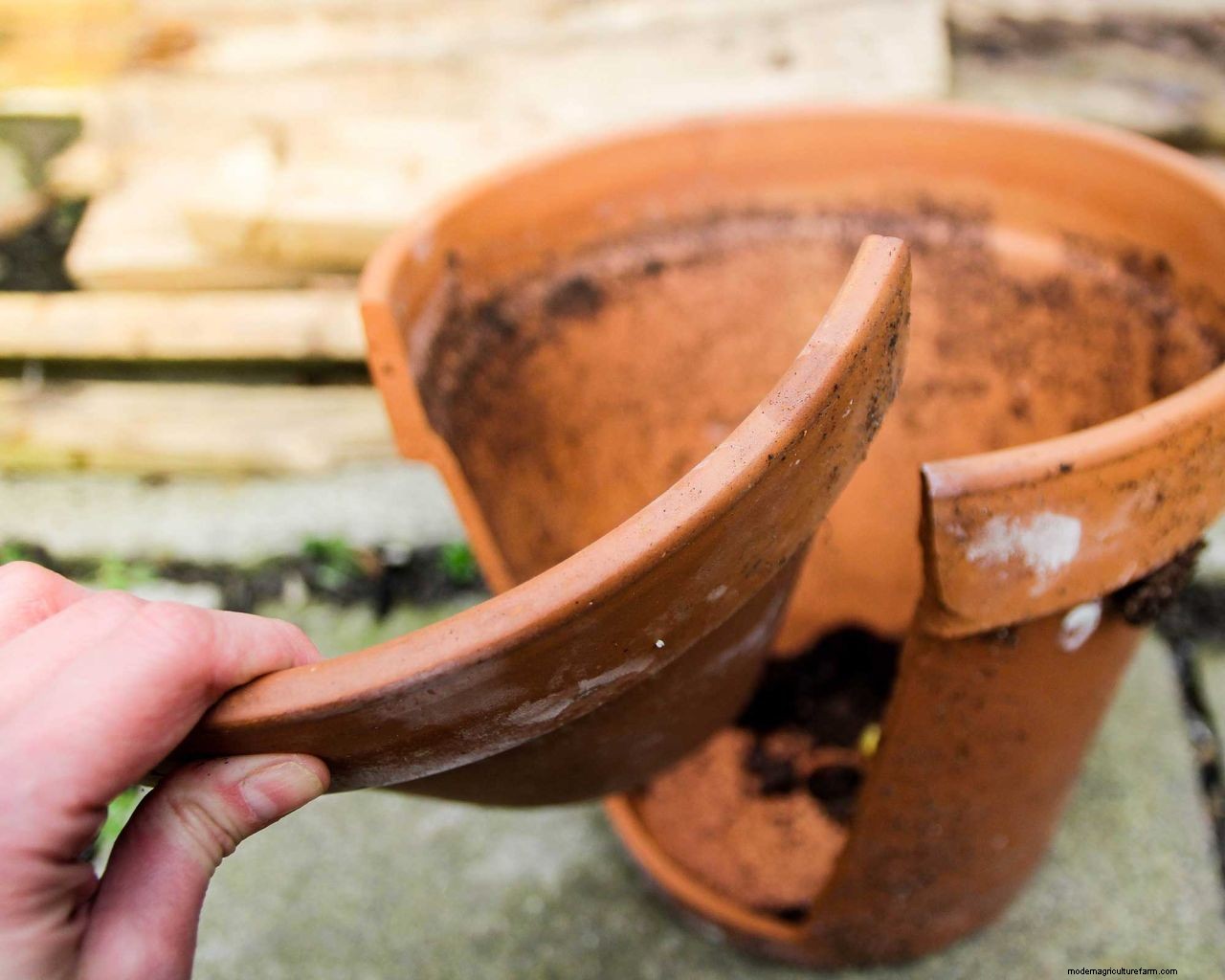
Don't throw all your broken terracotta pots away – they can be useful.
The pieces can be used as 'crocks' if placed at the bottom of other containers. This will create better drainage and therefore help to prevent compost from becoming waterlogged and plants' roots to rot.
You could also use them in creative ways around your plot – for cheap garden edging or for plant labels, for instance.