
Welcome to Modern Agriculture!

Want to find out how to grow echinacea? With our advice, you’ll soon realize just how simple it is to grow these flowers for a brilliant splash of late summer and autumn color.
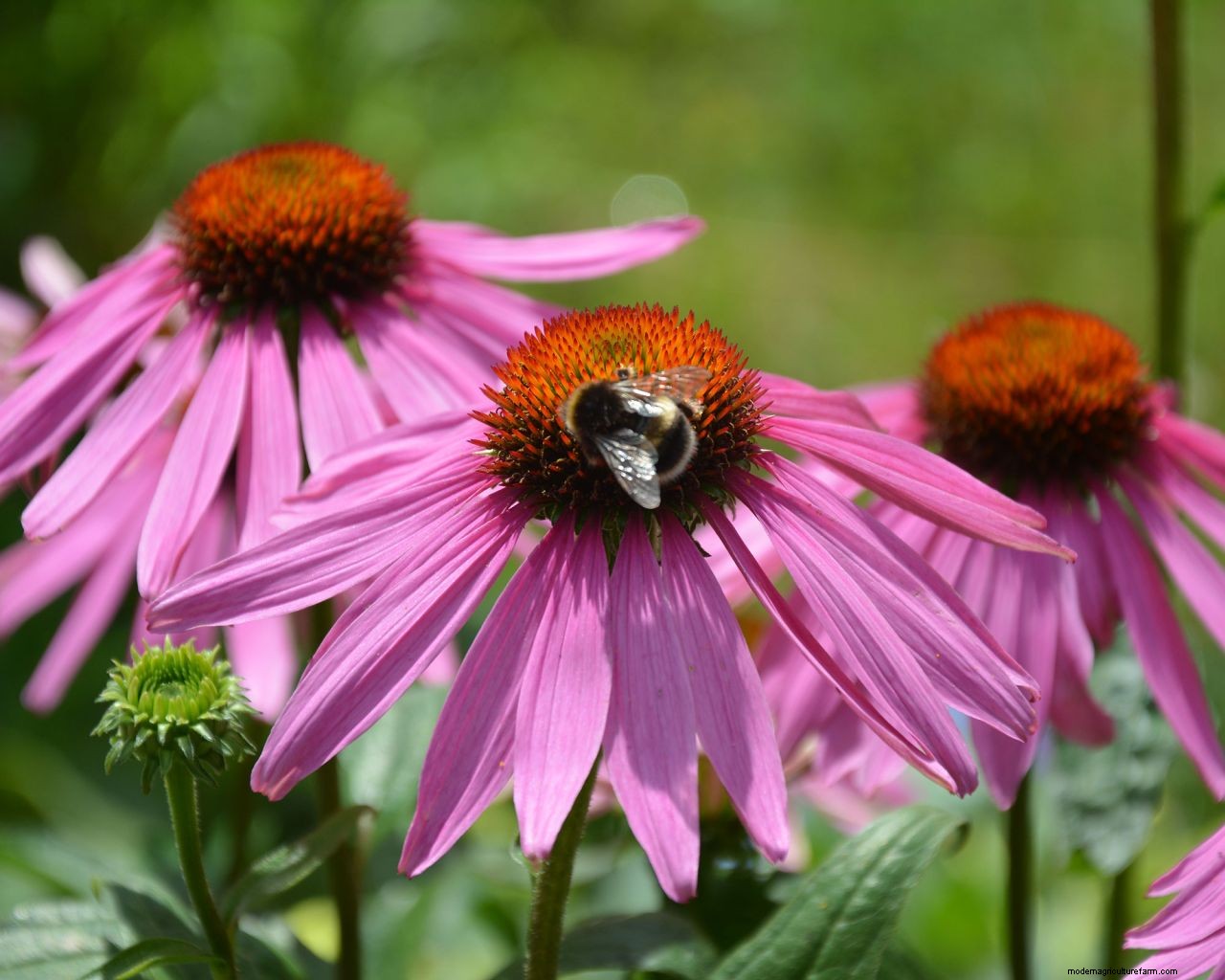
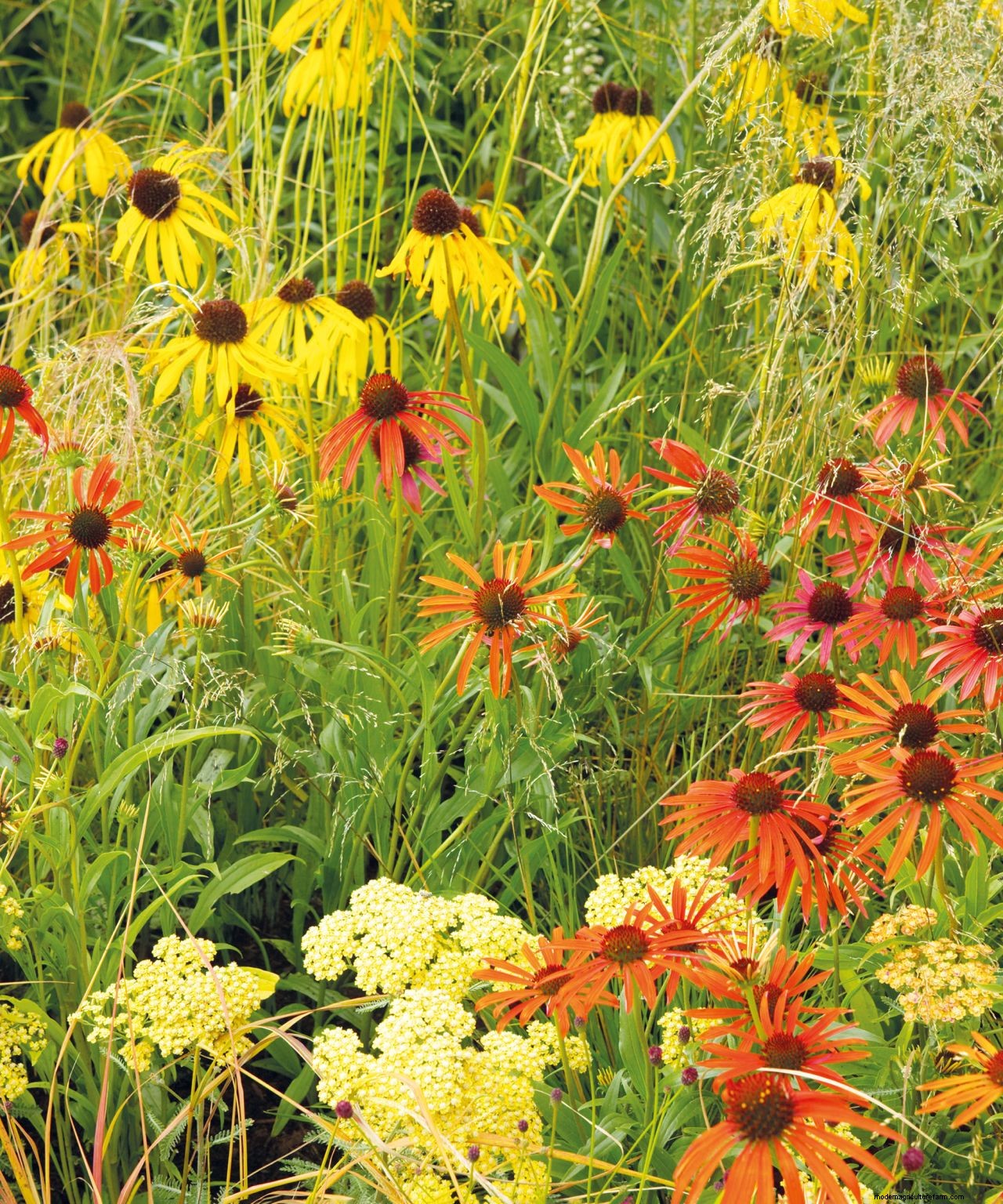
Echinacea (or coneflowers as they're often known) are now a familiar sight with their large plum purple and dusky pink daisy-like blooms from July to October. They are the stars of the show in any prairie-style planting scheme, as well as wild flower meadows, especially as they're natives of North America. This means their natural glamour and nectar-rich flowers are a welcome addition to herbaceous, mixed or prairie-style plantings.
The petals burst open in spectacular stars then droop downwards into a shuttlecock shape as summer stretches on. These vivid flowers will see you right through the summer season and up to the first touch of frost. Even then the sculptural seed heads will add pleasing shapes to your flowerbed ideas.
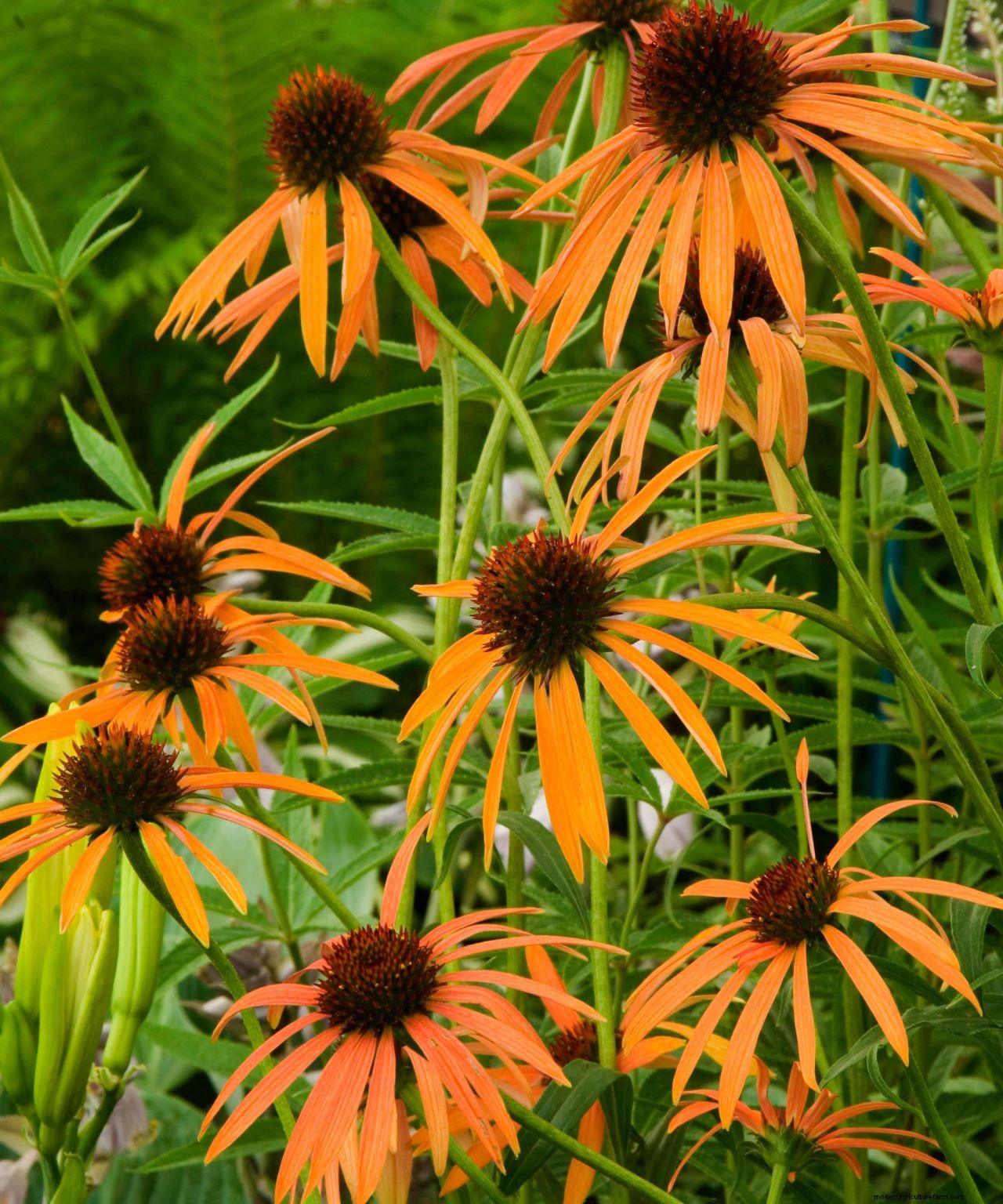
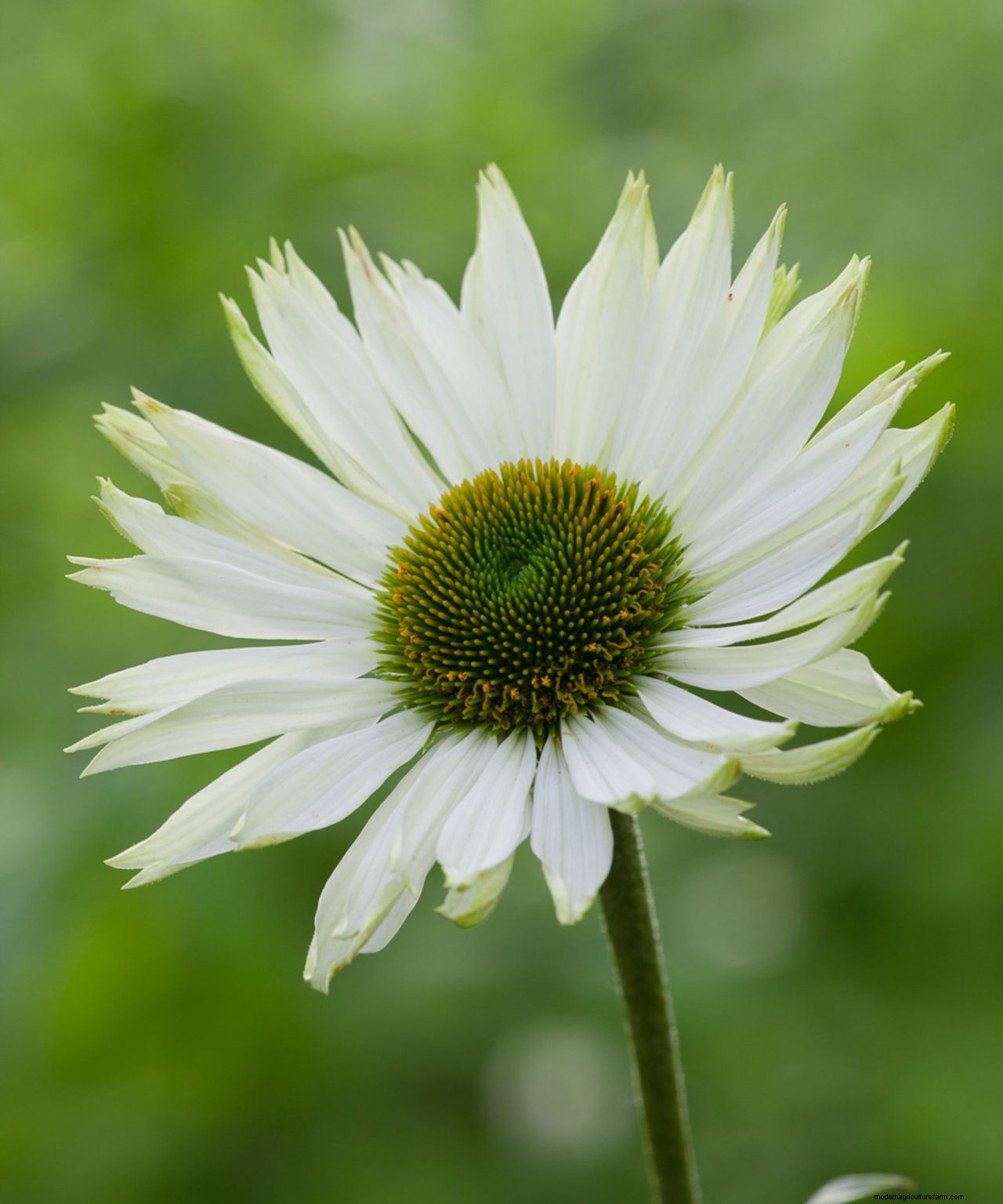
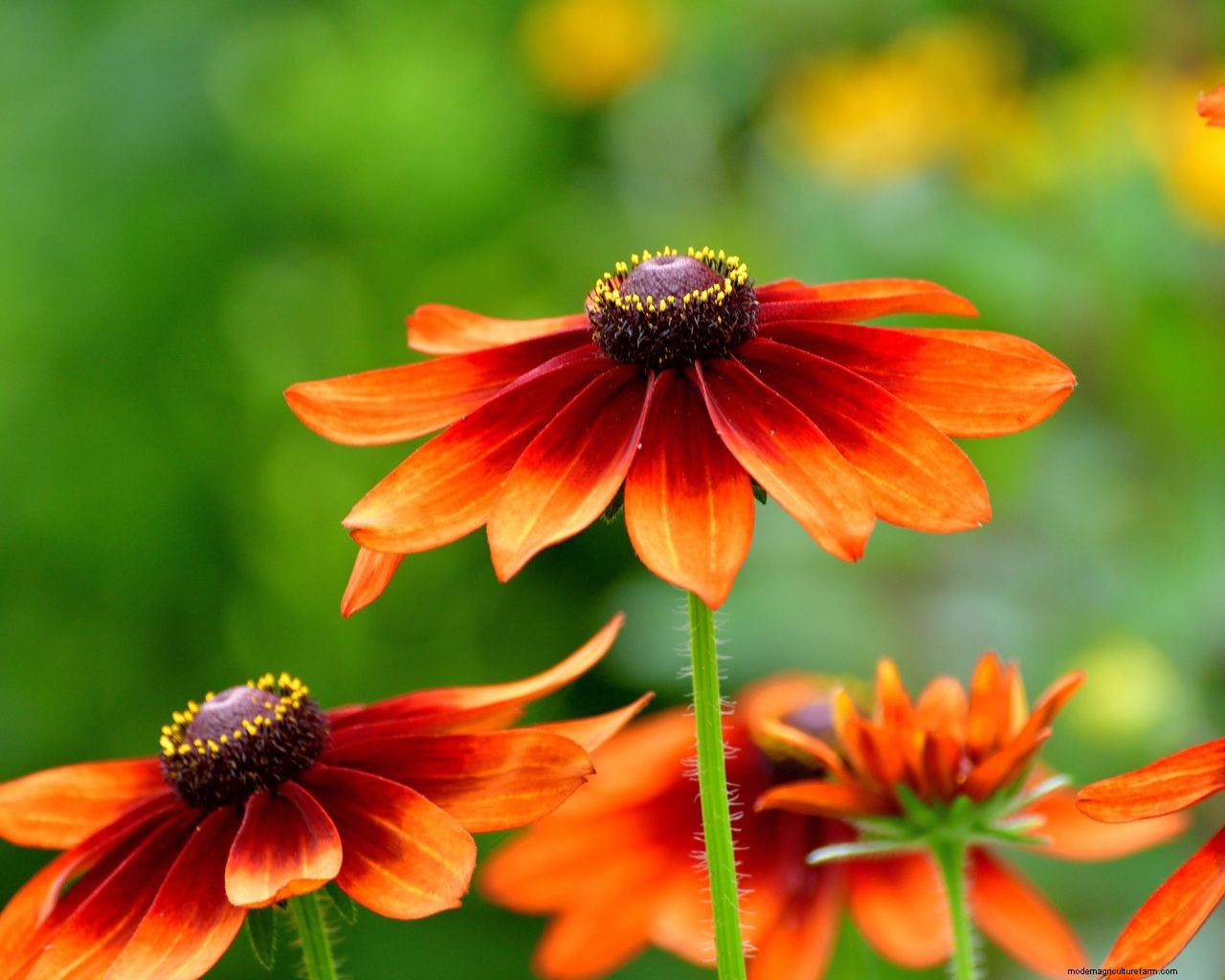
Plant breeders have been hard at work, delivering a wider range of colors including shades of lime green, tangerine, apricot and mango. There are now tufty-looking double blooms and compact cultivars such as pink ‘Kim’s Knee High’ that work well in smaller spaces and containers. There are also marbled ones like ‘Art’s Pride’ that mix pink and orange in a flamboyant color show. There are so many options that you'll be spoiled for choice when it comes to how to grow echinacea.
It's easy to learn how to grow echinacea from seed in spring or autumn for planting out next year, so this is a great option to go for. They’re inexpensive and readily available from a wide range of suppliers. Here's how to do it:
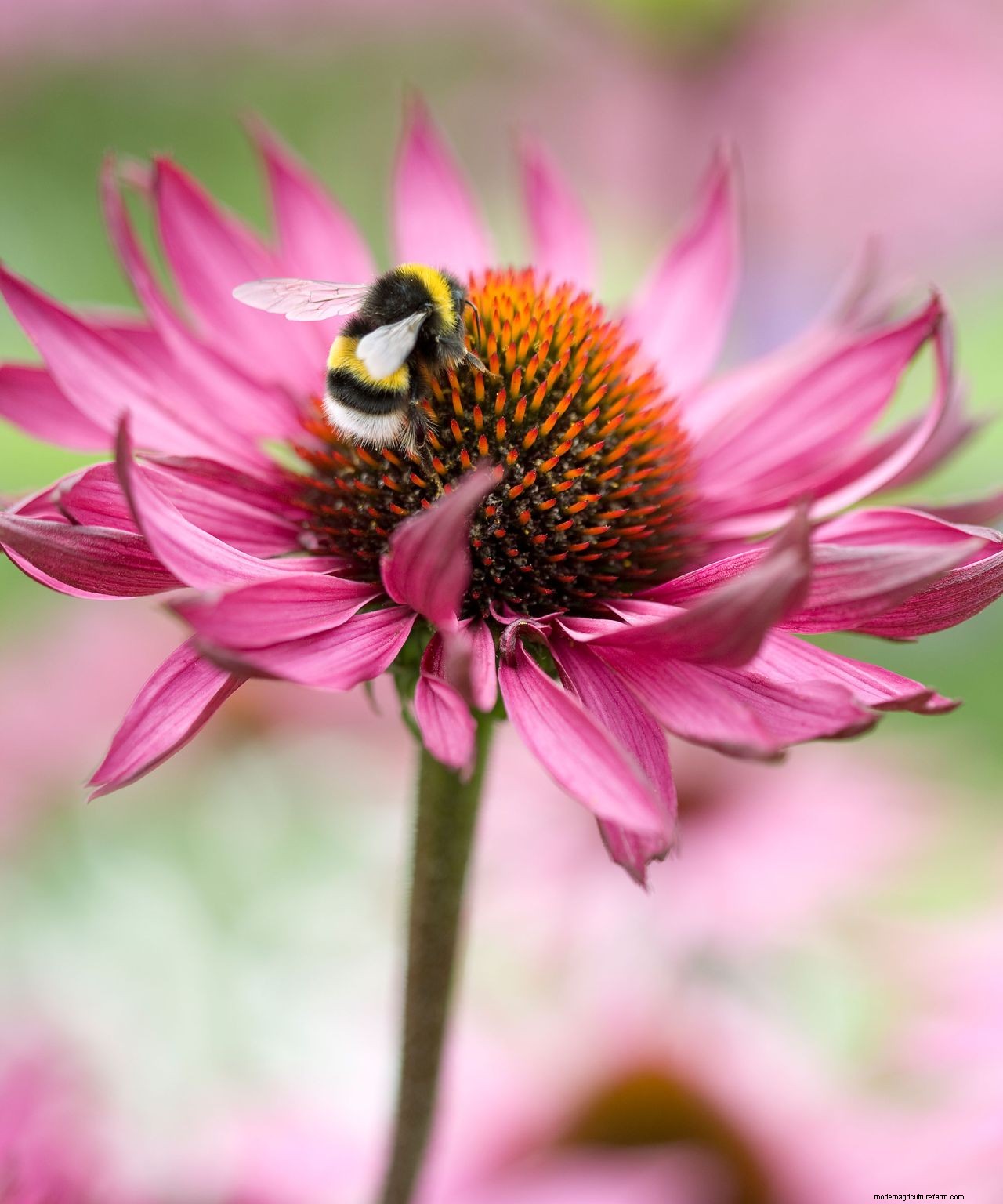
Echinacea plants need time to put down roots before their first winter. Plant in spring or up to early fall (September) as long as plants are watered during any dry spells.
Pre-soak your potted plant so it's well moisturized before it goes in the ground. Dig a hole twice as wide as the pot that the plant comes in and the same depth. Remove the plant from the pot and place it in the hole. Firm in gently all around with soil, then water in well.
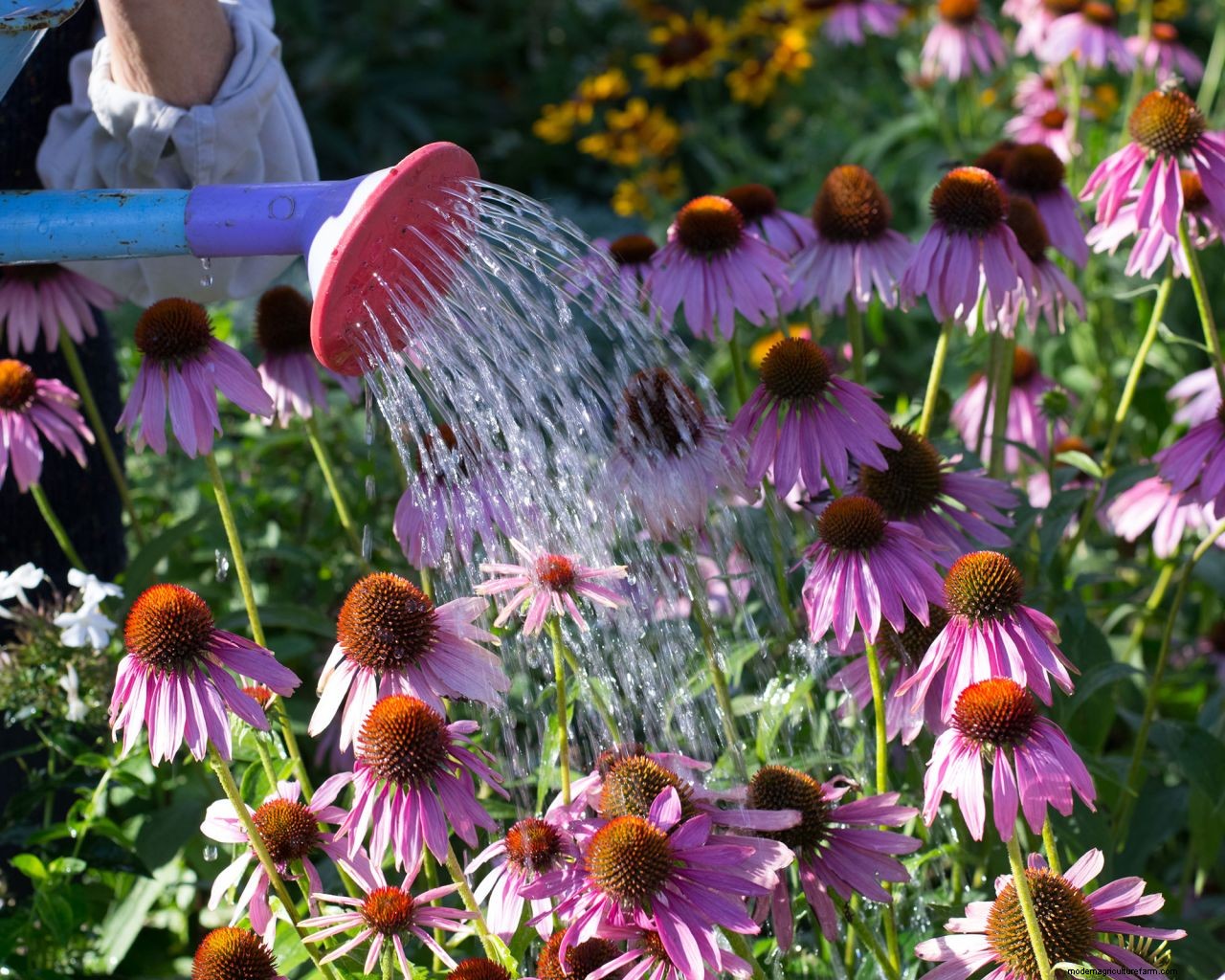
Water coneflowers well from May to September, and keep an eye on them if it gets particularly hot as they won’t thrive if the soil dries out.
Mulching established plants over moist soil in late spring or early summer is a good way to keep your plants healthy. Echinacea resent disturbance, so avoid moving them around in your garden layout too.
It's worth knowing that even quite small plants will overwinter better in their pots than planted out in late autumn or winter.
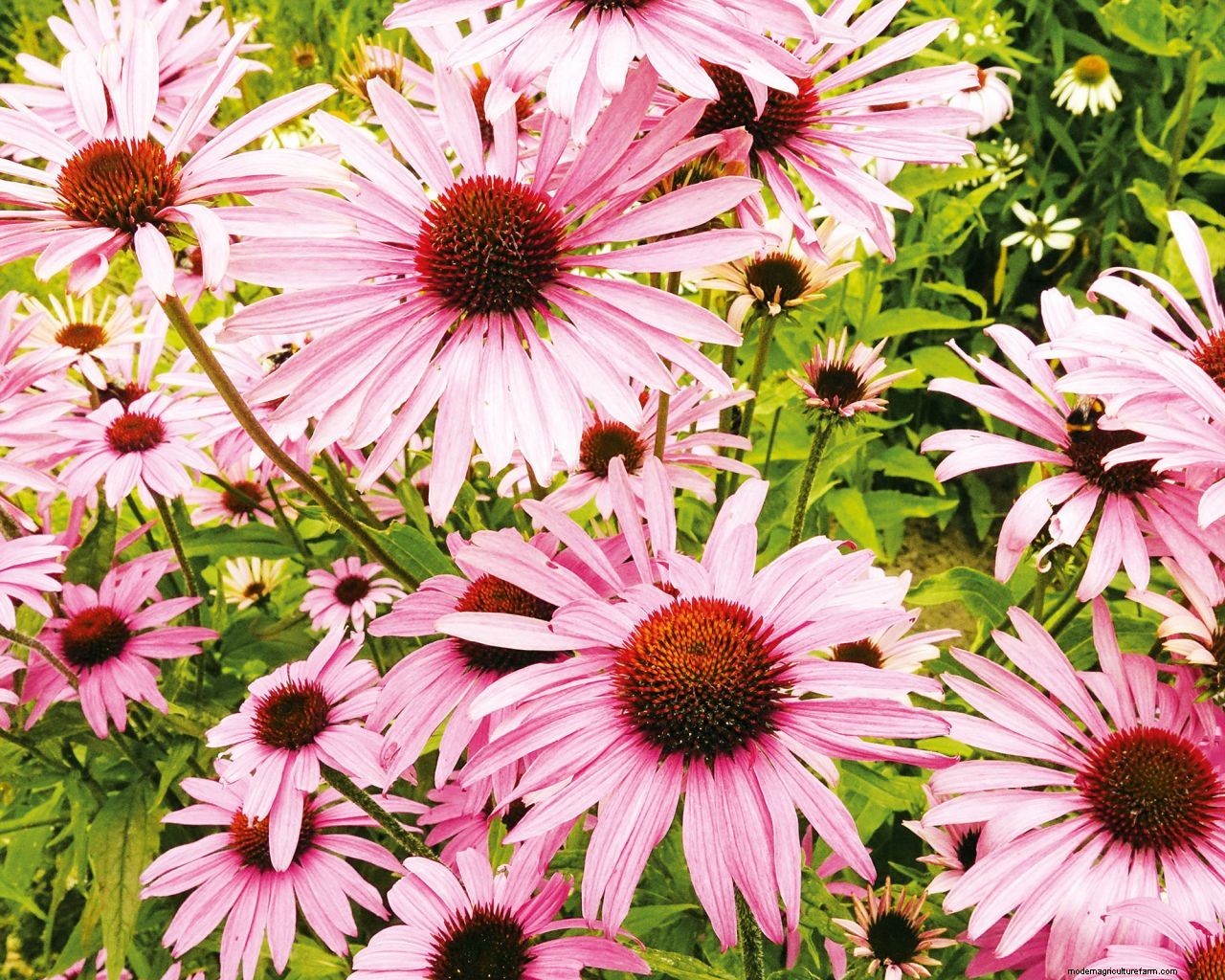
Echinacea grow best if you put them in a spot where they will get plenty of light. They love warm and sunny conditions and are completely hardy so can stay out all year round. They will tolerate some shade but it’s not their preferred spot.
They’re pretty easy going and will grow in most kinds of soil types, as long as it's not waterlogged or doesn’t completely dry out. They are fast growers and will self-seed profusely then pop up where you least expect it. And the more fertile the soil, the more they will thrive.
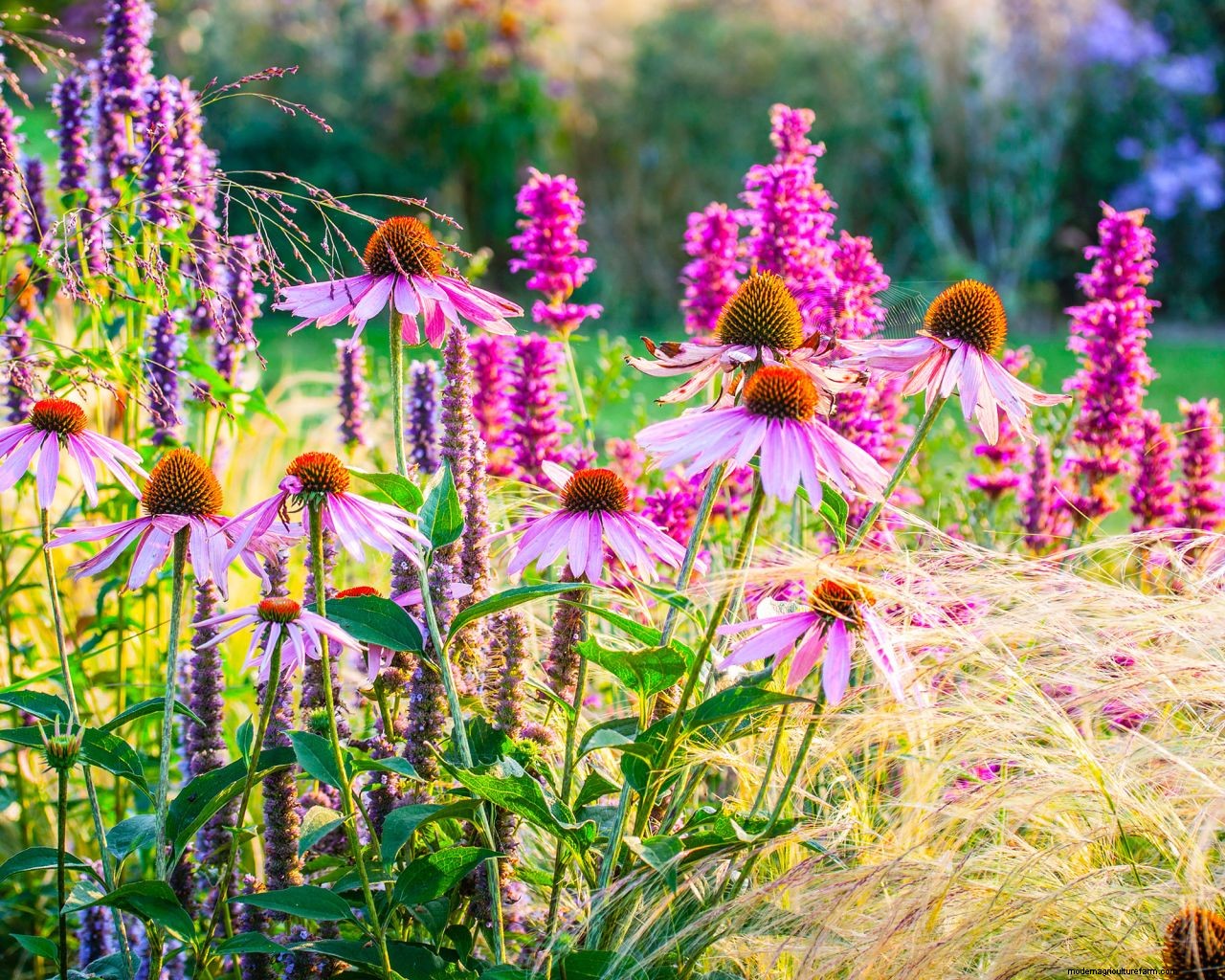
Several echinacea plants look best grouped together in clumps of three or five to make an impact in the middle of a garden border.
Echinacea does not always flower well in its first year. Plant out in early fall (September or October) if you want the best chance of a good display the following year.
If you plant them in early spring (after the final frost) as part of your spring garden jobs, echinacea will germinate in about three to four weeks and produce leaves in three months but can take up to two years to actually produce blooms.
Yes, echinacea will come back every year and very often in the strangest of places as they are such prolific self seeders.
Echinacea is a hardy perennial that survives very cold winters. Plants become dormant in winter and re-emerge in spring, when you should cut them back for best results in the summer.
The fact that how to grow echinacea is so straightforward is a big part of the attraction with these perennial favorites.
Delightful echinacea do well in pots as well as garden borders, provided there’s plenty of room for them to thrive. Choose a deep container to plant them in and position it where they will get plenty of sunlight.
If you have heavy clay soil that may become waterlogged it’s probably better to grow echinacea as part of your container gardening ideas. Use a multi-purpose potting compost such as John Innes No 3 with plenty of added horticultural grit for free draining.
Echinacea are naturally drought tolerant plants, which is good news as containers tend to dry out much more quickly than garden beds, but you don’t want them to dry out too much. Water them whenever the top of the soil dries out.
To cut down on the need for watering plants, and to give the plant plenty of room to establish itself, opt for the biggest container possible.
If you are taking our how to grow echinacea advice and growing yours in large clumps in the border to achieve the best effect, you should think about dividing up your plants in spring. They won't necessarily enjoy it but it's a good thing to do to create more for planting in the loose and naturalistic drifts that are so fashionable at the moment.
Take care when you start the division process, and use a knife to help separate portions of plant if necessary.
Like most herbaceous perennials, echinacea should propagate well from basal cuttings taken off new spring growth. Make them 4-5in (10-13cm) long and cover with ventilated polythene out of full sun to root.
Try root cuttings in autumn too, setting thicker roots upright in pots and thinner ones horizontally in trays.
Want more advice on how to get plants for free? Our guide on how to take cuttings from plants has lots of tips to get you started.
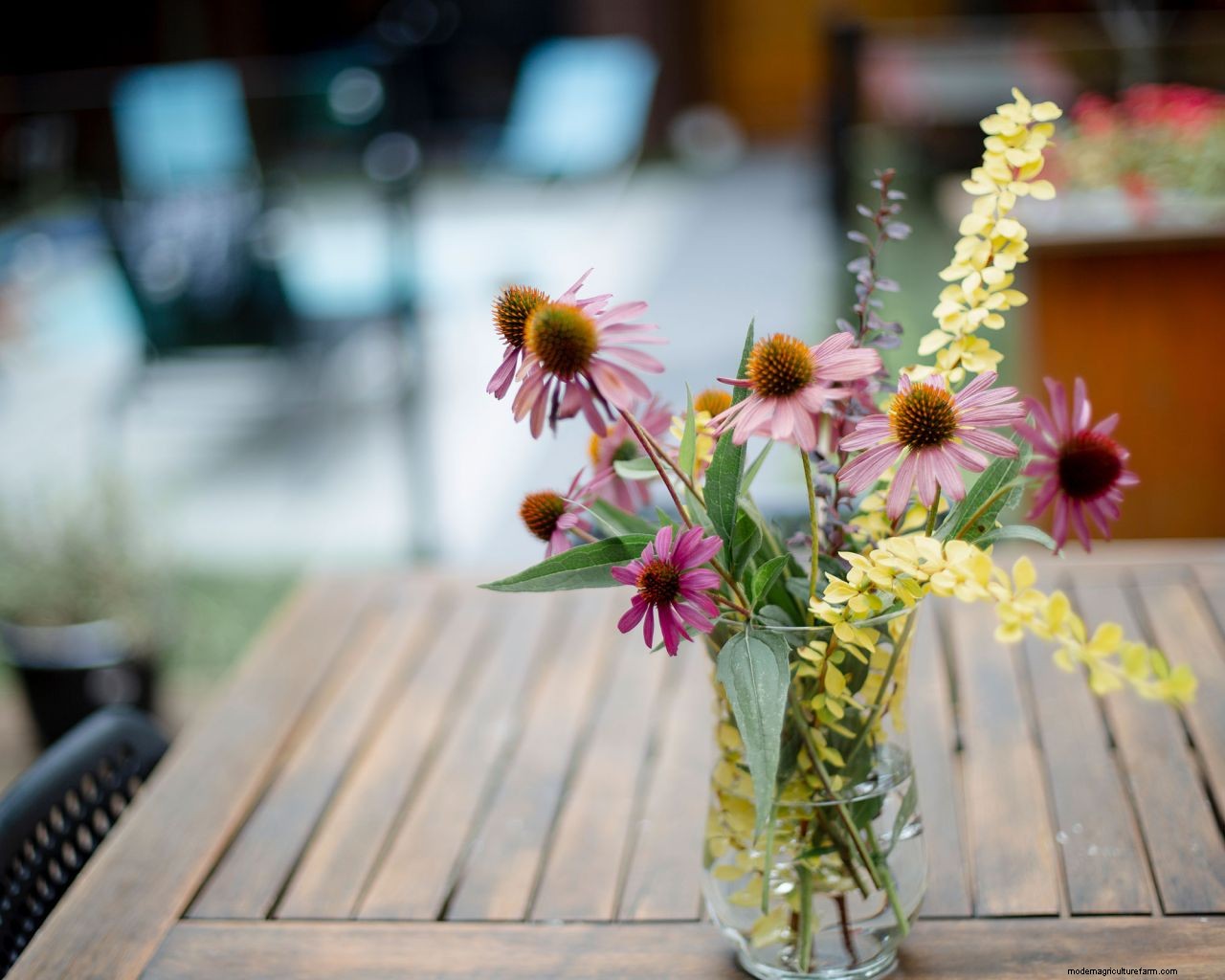
Echinacea are a great option if you're looking for the best cutting garden flowers. They look great styled as single blooms in individual vases or as part of a softer natural arrangement with cosmos, veronica and summer foliage from the garden. They are also one of the longest lasting cut flowers, and stay looking good for up to three weeks if you change the water regularly.
Here's how to get the best results:
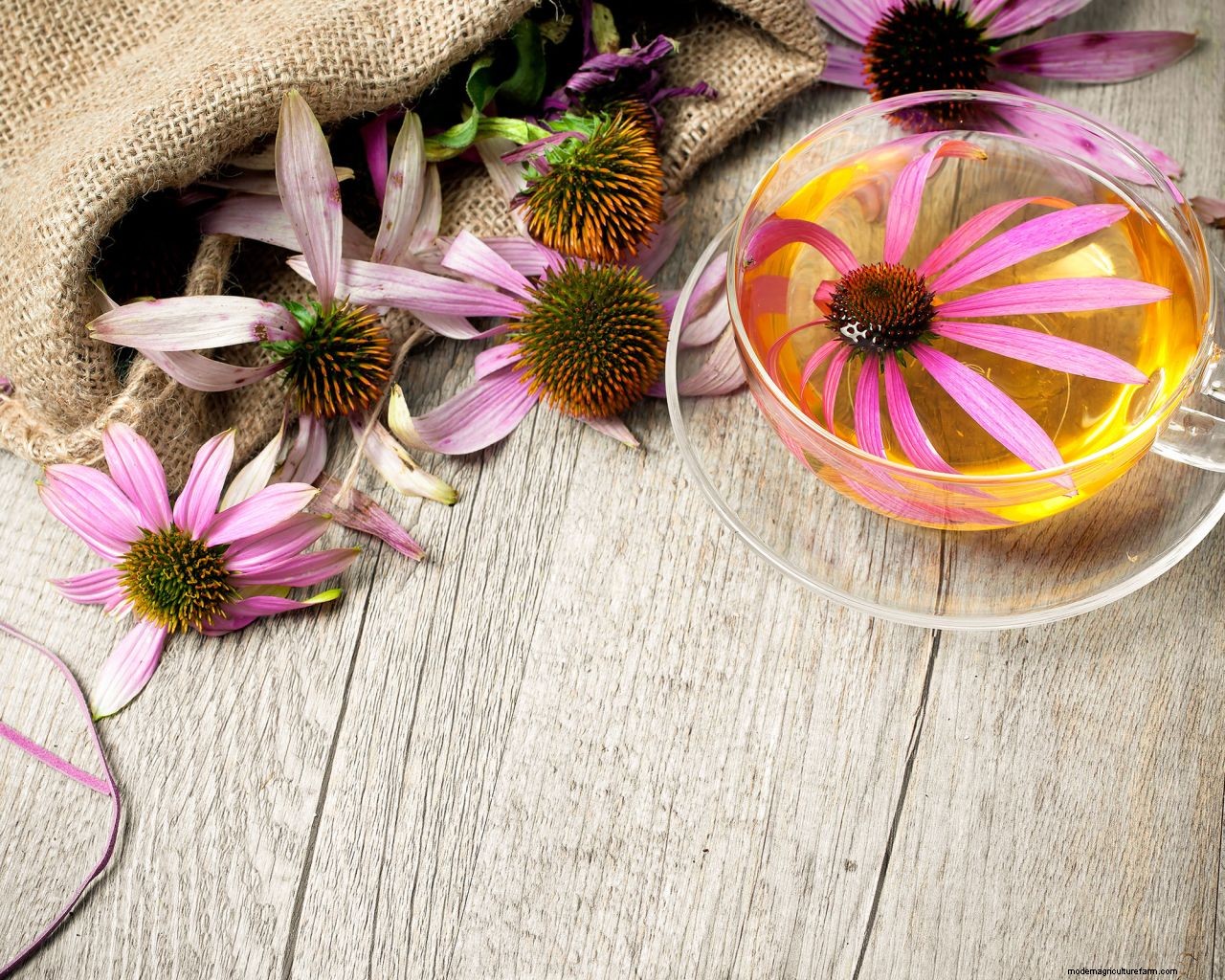
Native Americans have used echinacea for centuries to treat various ailments. Today, it’s best known as an over-the-counter herbal remedy for the common cold or flu. However, it’s also used to treat pain, inflammation, migraines and other health issues.
Both the plant’s upper parts and roots are used in tablets, tinctures, extracts and herbal teas. If you're interested there are lots of other ideas for how to grow your own herbal tea.
Keen to get your hands on some seeds or plants now that you've learned how to grow echinacea? For generous drifts of echinacea, sow seeds or buy inexpensive plug plants from garden centers or online. Our quicklinks below will take you straight to the leading suppliers.
Where to buy echinacea seeds and plants in the UK:
Where to buy echinacea seeds and plants in the US:
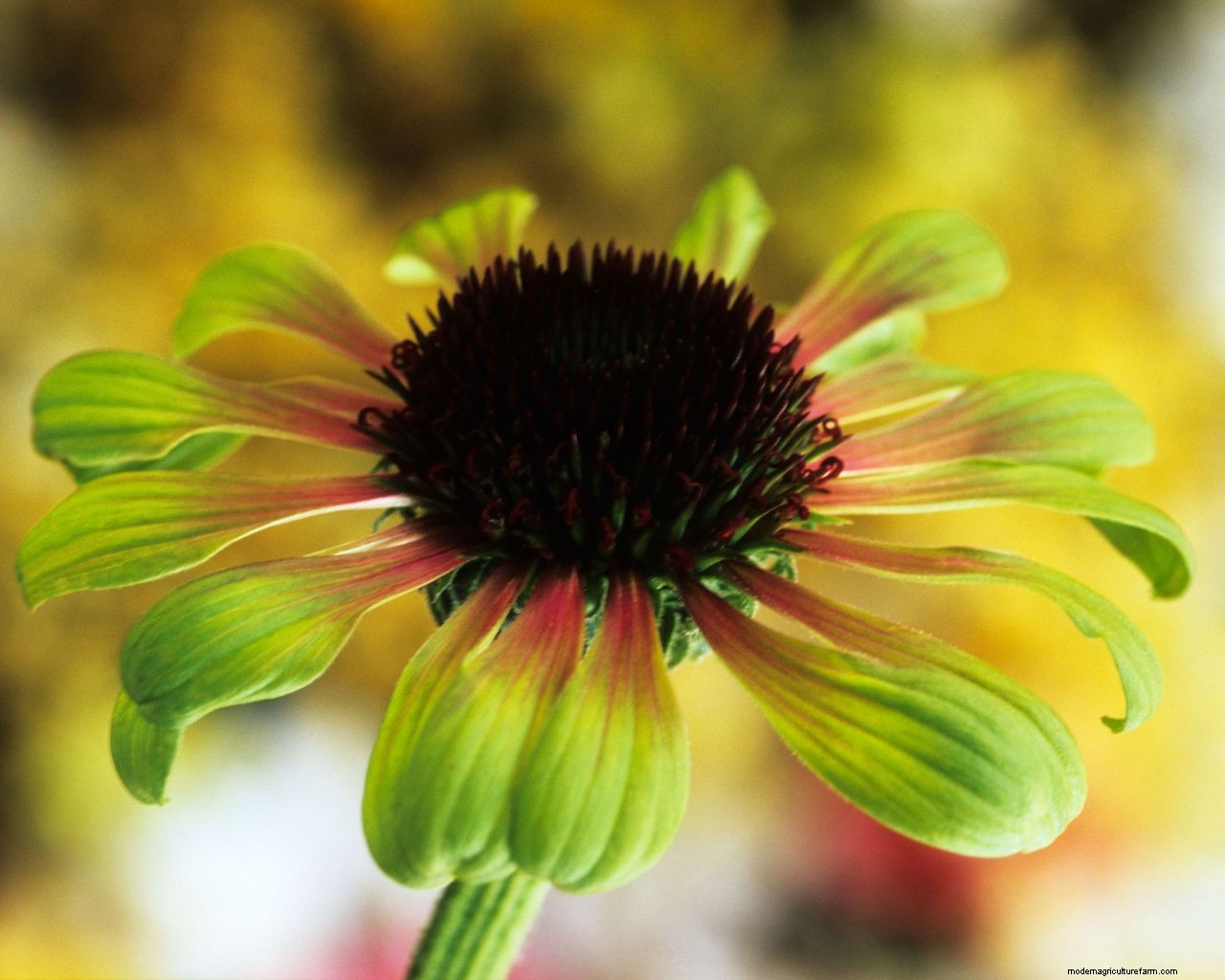
Graceful lime green petals flushed pink from the central cone mean this is a cutting garden favorite as it looks fabulous in a vase too. The flowers gradually take on a soft pink flush as they fade.
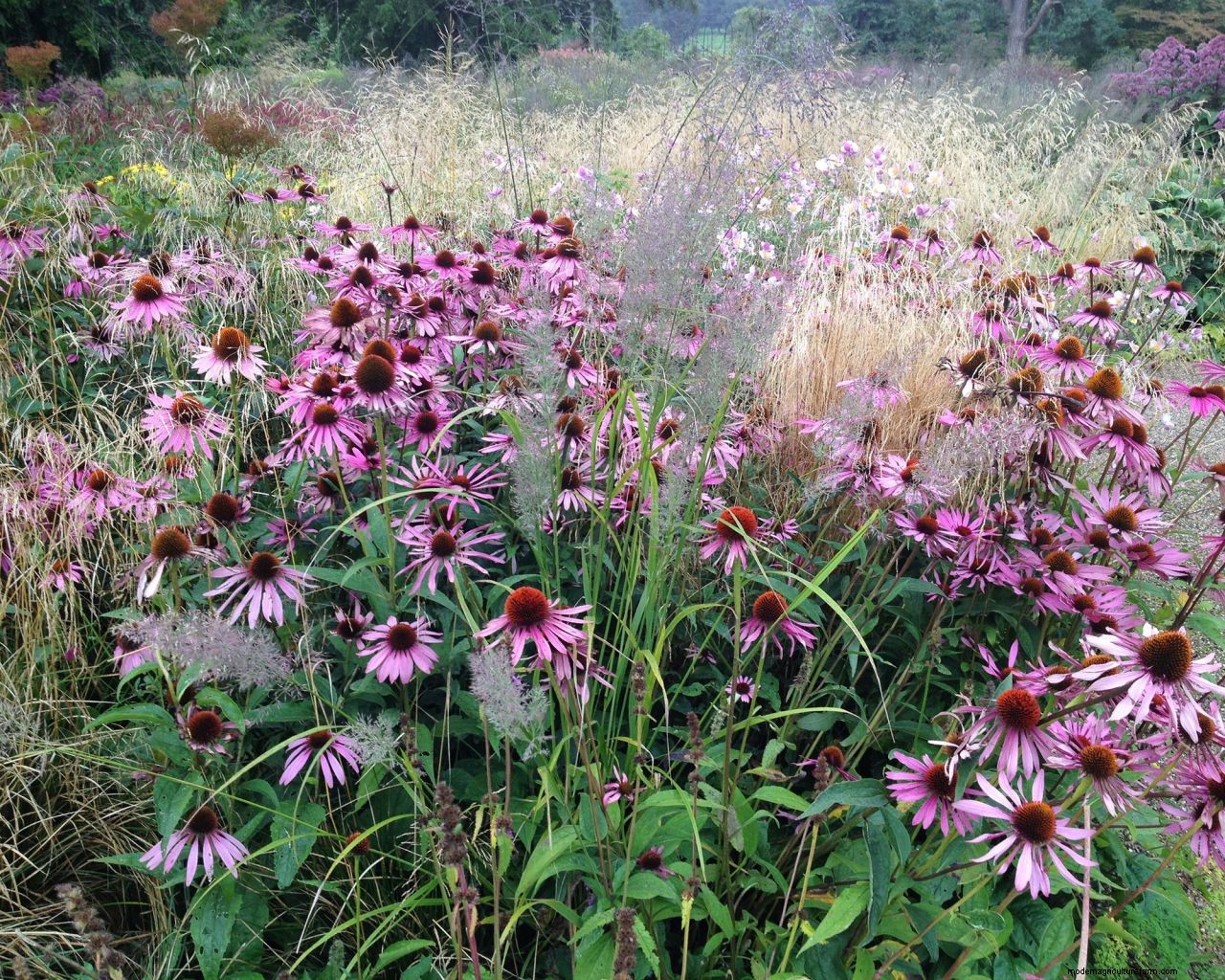
This delivers the classic golden centred pink daisies you think of when it comes to echinacea. An improved form of the purple ‘Magnus’ coneflower, with giant flowers on tall stems from the start of summer until late fall.
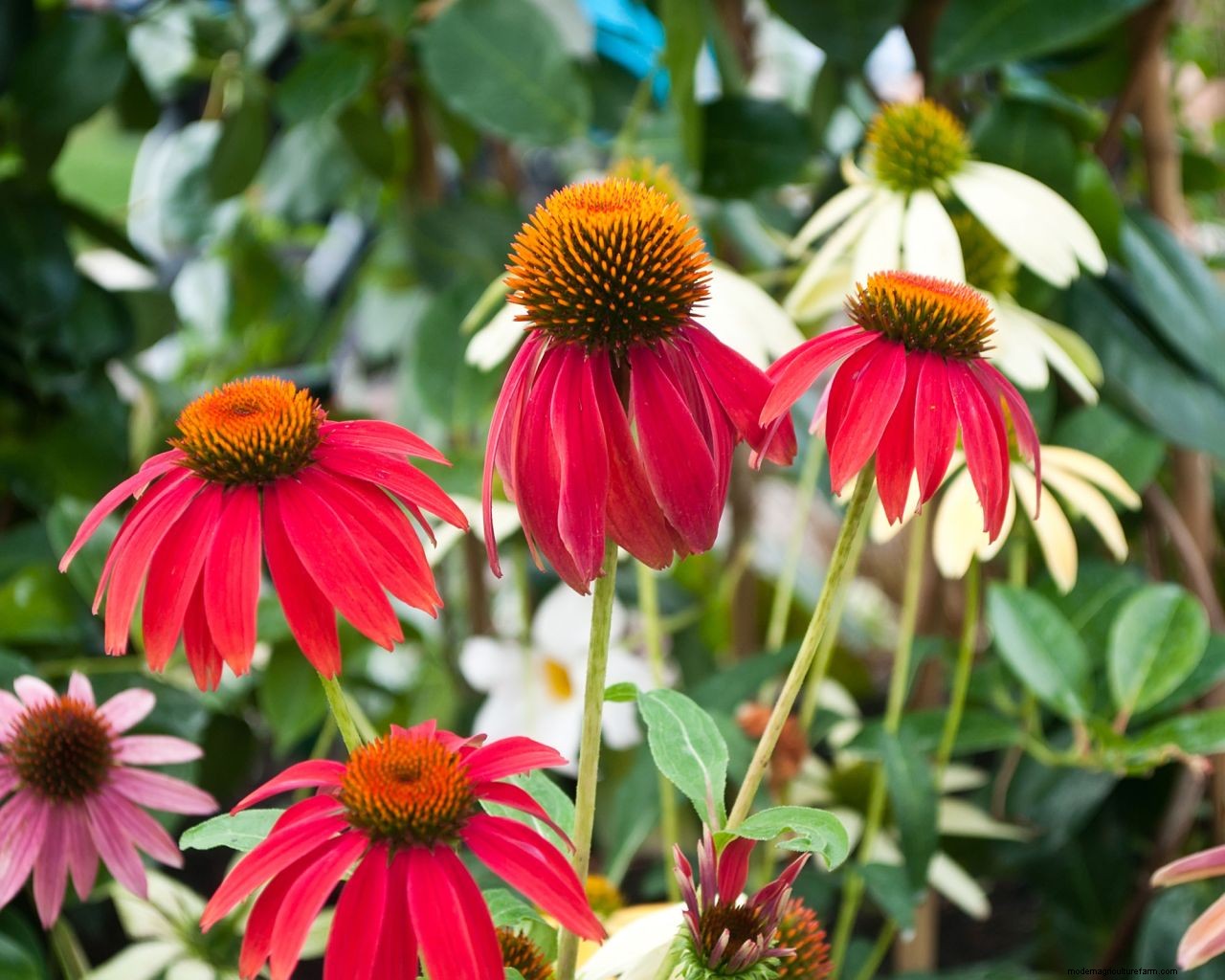
This paintbox variety comes in a range of sought-after colours such as red, orange, purple and scarlet. A vibrant coneflower, this has a super branching habit that produces many more flowers per plant than other varieties. The flowers are great for cutting too.
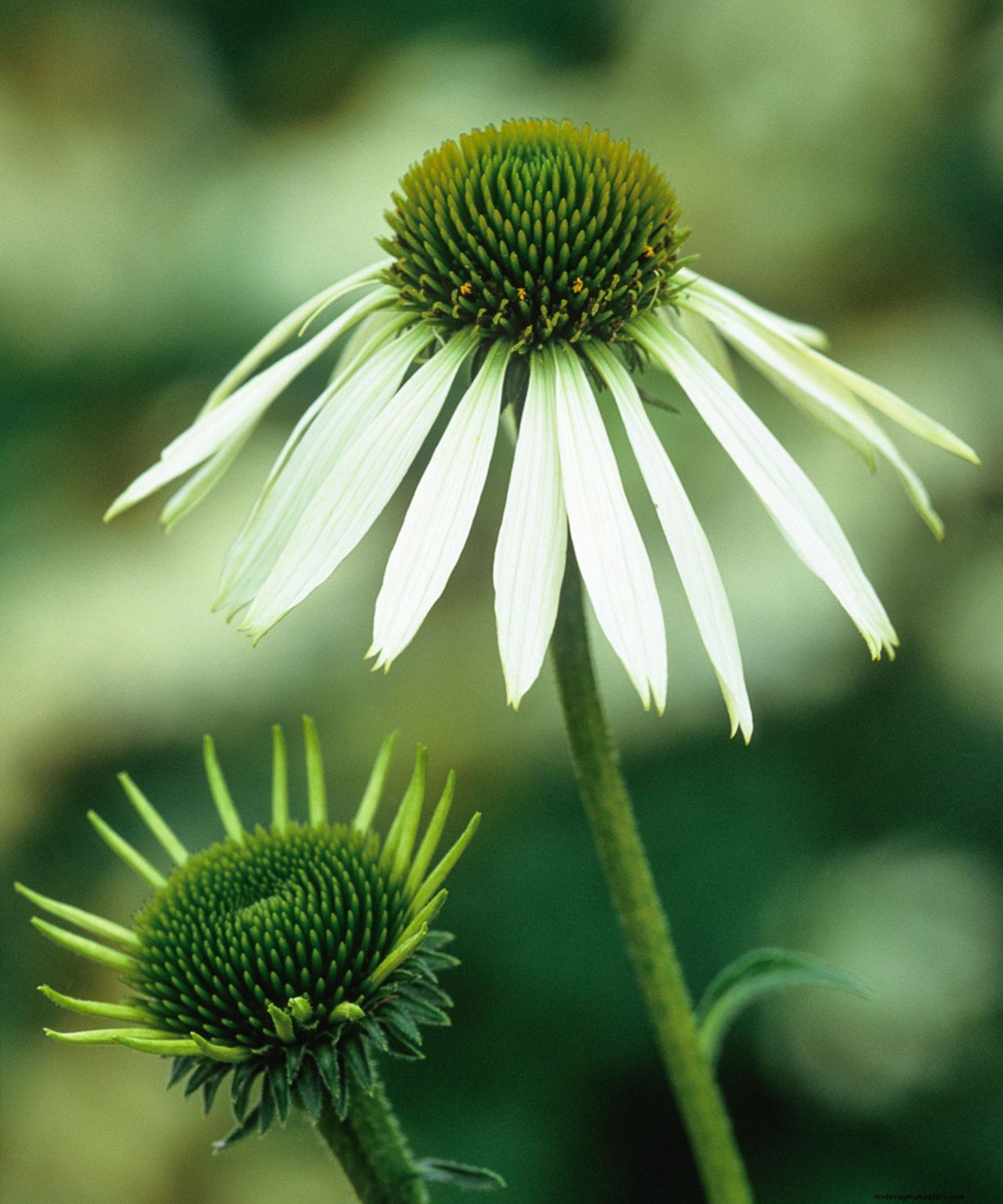
For long flowering white daisies with lime-hued cones choose ’White Swan’. Bold, white flowers with drooping petals reveal burnished, orange-brown cone-shaped centres from June to September. Try planting it in bold drifts among ornamental grasses where it will extend the season of interest in your garden.


