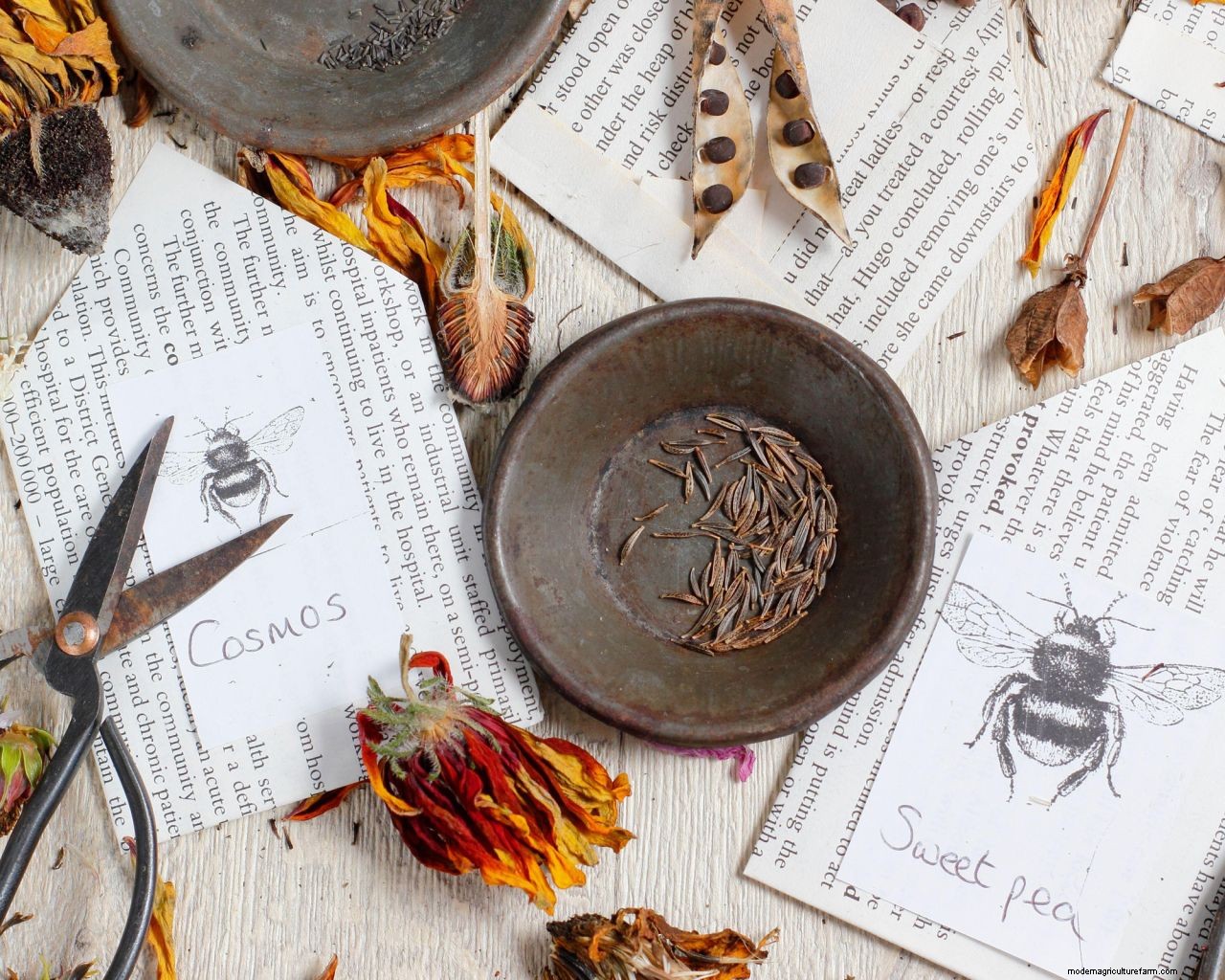
Welcome to Modern Agriculture!

Make the most of your garden’s bounty by collecting seeds from flowers. It’s a super simple garden task and undertaking it means you will have new plants for the future which grow well in your plot without having to shop and pay for them.
There’s another reason you might want to get into the habit of collecting seeds. They’re ideal for swapping with gardening friends and family so you can share what you grow and receive the benefits of others’ cultivation.
Like the idea of being a seed collector? Once armed with the knowledge of how to grow flowers from seeds plus our guide, you’ll be ready to get started.
If you're looking for free garden ideas, then getting new plants with no financial expenditure, and for very little effort, is number one on our list of the benefits of collecting seeds from flowers. The seeds will be useful for you in the future, or you can exchange them with a fellow gardener, or just give them away if you’re feeling benevolent.
The space you need for storing seeds is, of course, minimal, so even those with limited room for any garden storage ideas to stash them in can follow this money-saving strategy.
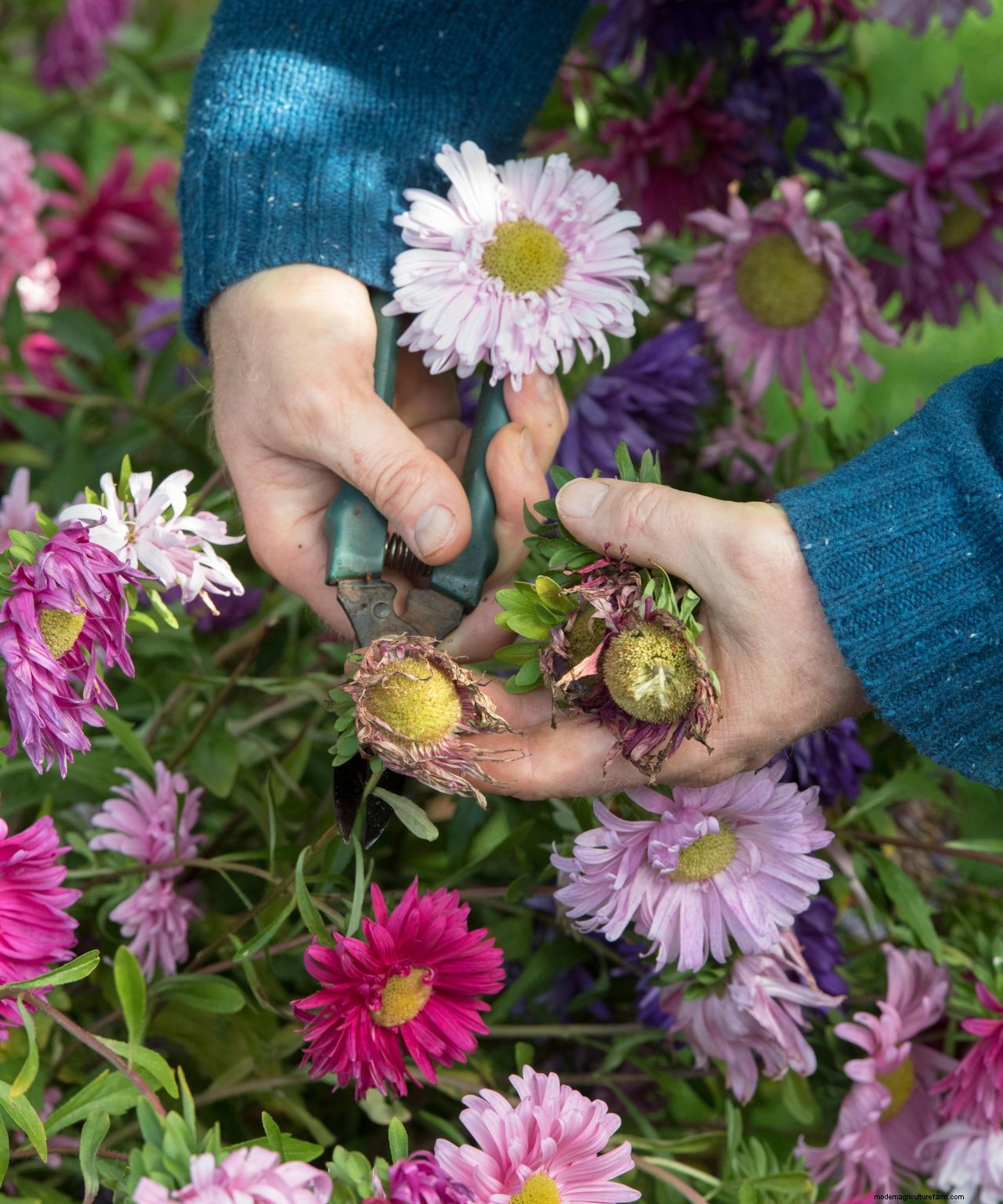
You can collect seeds from many flowers in your garden borders. Annuals produce plentiful quantities of seed, but you could also collect it from biennials and perennials.
One important thing to bear in mind if you’re going to start, however, is that plants don’t always ‘come true’ from seed – that is, look like the parent plant. Seedlings from a hybrid produce highly variable results.
The takeaway? If you like the idea of collecting seeds, when you are buying seed packets to add new varieties of plants your flowerbed ideas, go for those identified as heirloom or heritage seeds, and avoid those with the label F1, which shows two different plants have been crossed to create a hybrid. 'If you
For optimum results from the seeds you collect, it’s also important to be selective about the individual plants in your backyard from which you harvest, going for the best. It’s the flowers that are the most vigorous and healthy that you should target.
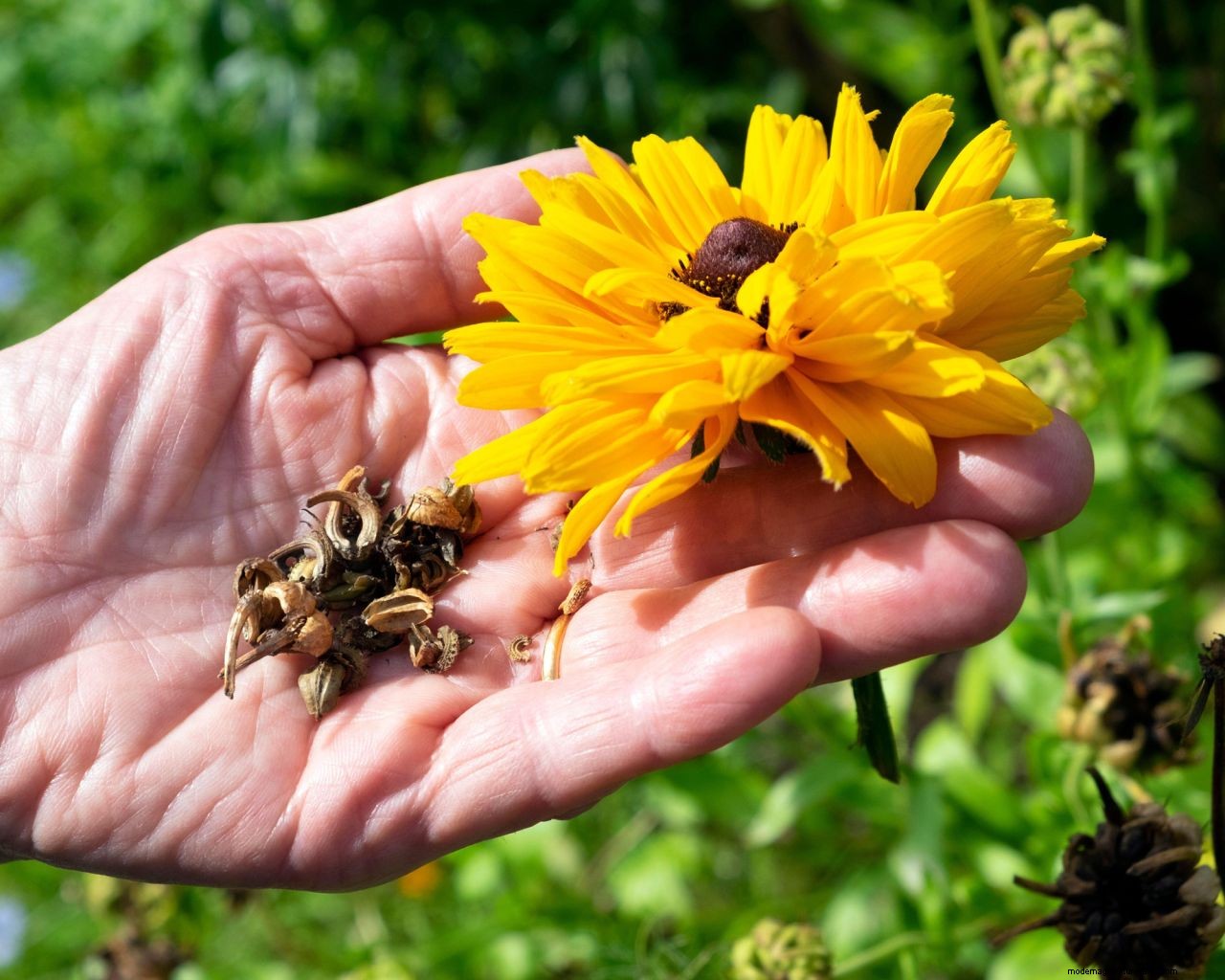
You can collect ripe seeds from flowers during the growing season, but you’ll be busiest doing so in late summer and fall in the case of most annuals. Wait too long and the seeds will be dispersed naturally and therefore you will need to be vigilant so that you get the timing right once flowers start to die back. As a rough guide, seeds are ripe around two months after the plants have first flowered.
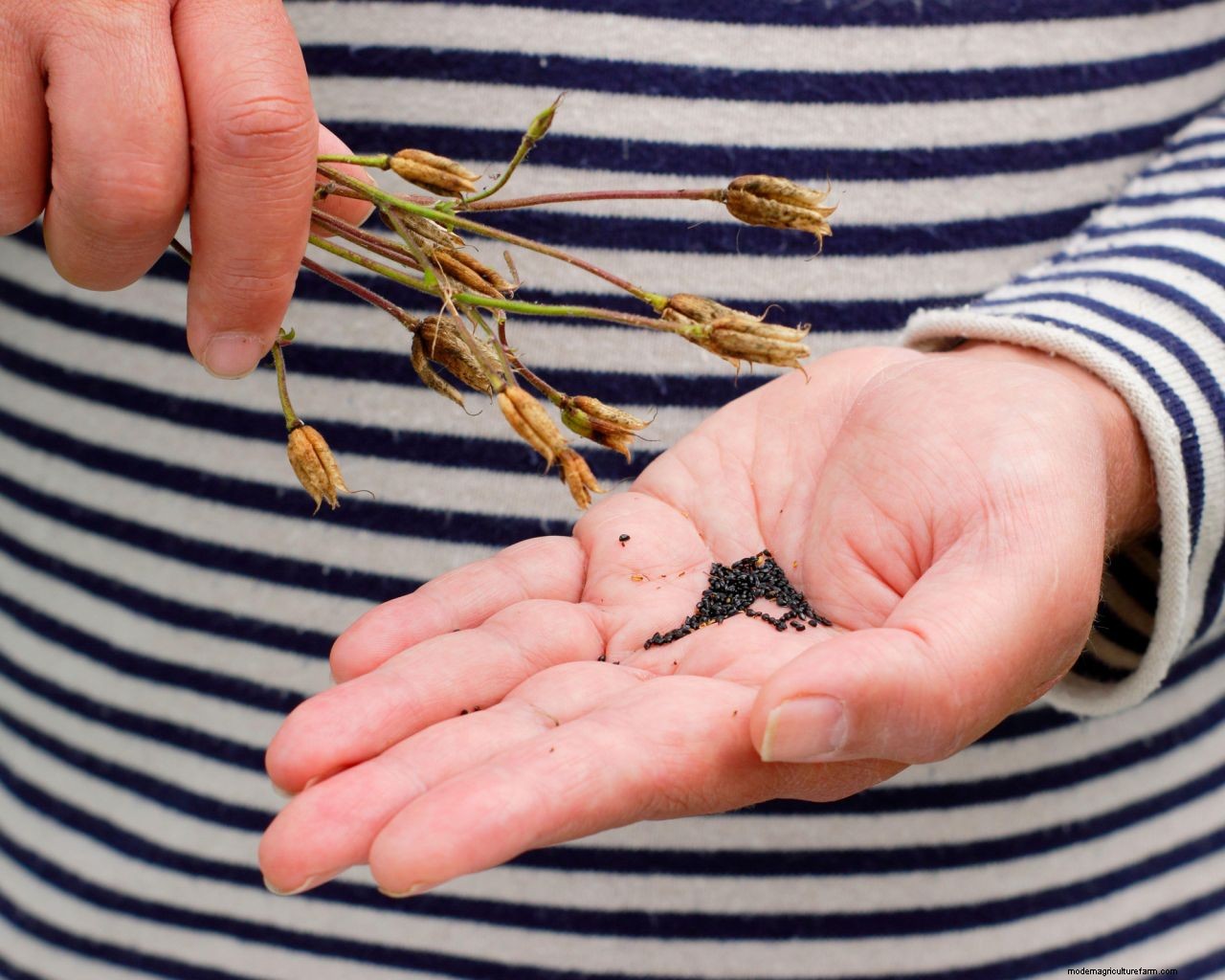
When you’re collecting seeds from flowers look for the seed heads to change from green to brown and split open easily. You can also feel a flower head gently with your hand and, if seed falls readily, you’ll know that it’s time for collection. If seeds are stored inside the seed head – think poppies, for example – you’ll be able to hear the rattle of the seeds and know you can collect them.
'Make sure you watch your flowers from day to day as they can ripen overnight and scatter their contents when your back is turned,' warns Ruth Hayes, gardening editor for Amateur Gardening.
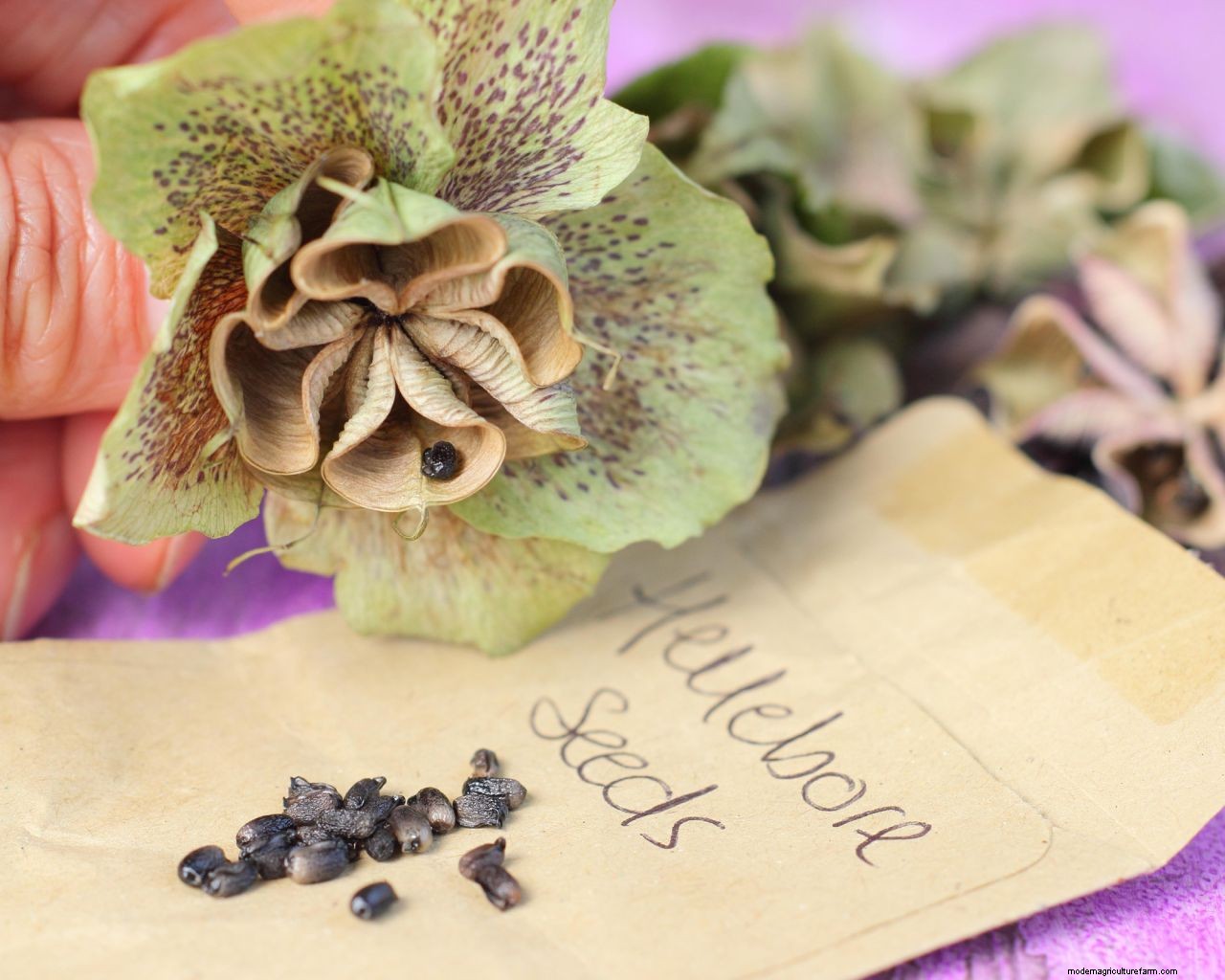
Collecting seeds from flowers is a really easy job. On his website (opens in new tab), gardening expert, author and broadcaster Monty Don recommends getting yourself prepared with some brown paper envelopes of A5 size, that’s 5.8 by 8.3 inches, or 148 by 210mm. Bags are fine to use instead, but to avoid moisture, don’t use plastic versions and opt for paper. Here's how to do it:
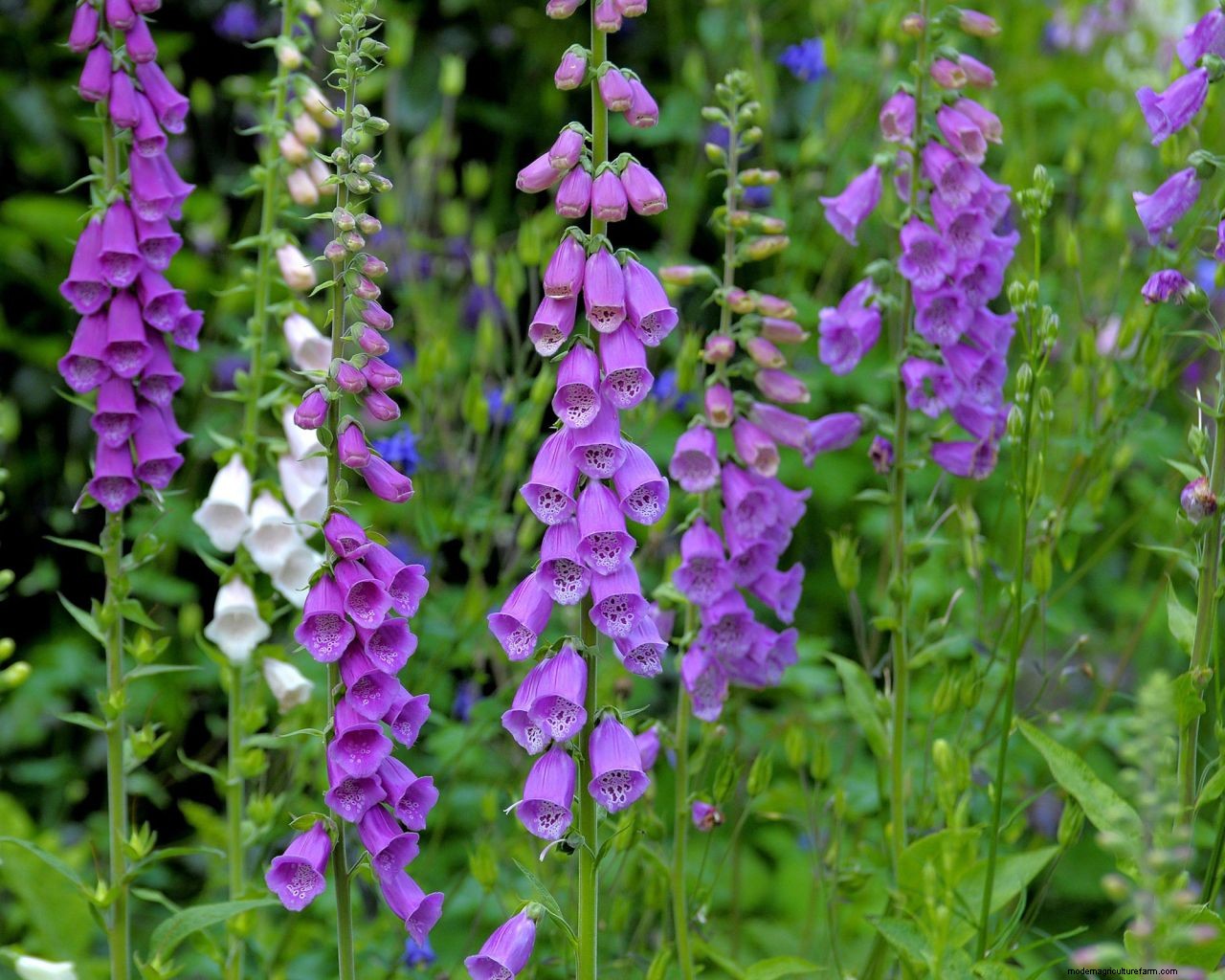
According to gardening expert Ruth Hayes of Amateur Gardening, the following options are really easy to grow and are good choices if you're interested in collecting seeds from flowers.
Followed Monty Don’s advice and put away the seeds you collected into a cool, dry place? Wait a couple of weeks and they should be dry, he says.
After that, Monty says they can be sieved, cleaned and stored in sealed packets. Need to put the seeds away for a while? Monty recommends putting them into a plastic tub that has a tight lid, then putting them into the refrigerator.