Welcome to Modern Agriculture!

Learning how to make leaf mould should definitely be on your list of autumn garden jobs. It's really easy to do and there are so many benefits. Plus, it won't cost you a penny.
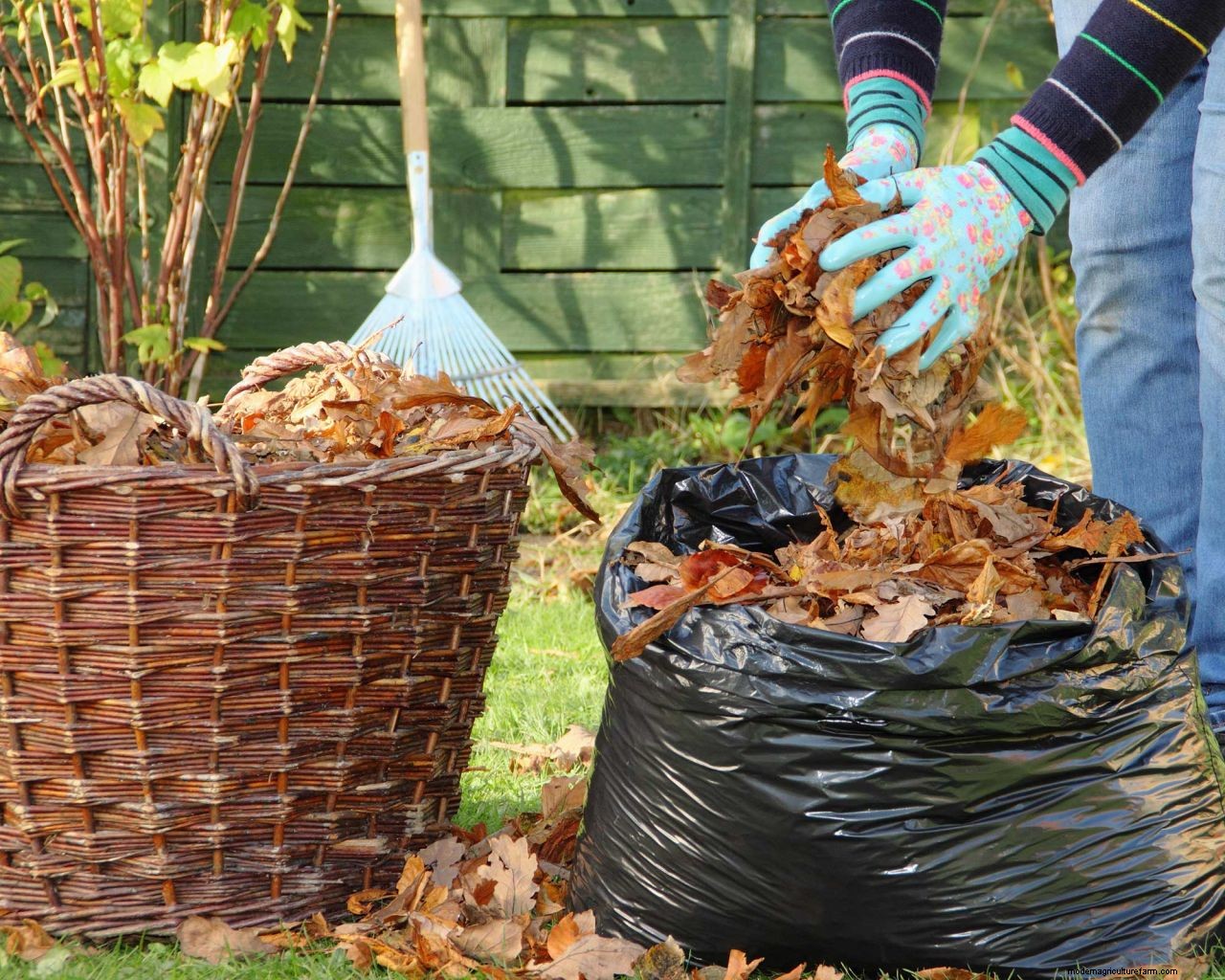
That thick layer of fallen leaves covering your lawn, flowerbeds and paths needs to be swept up anyway. Otherwise, it will smother grass, encourage mould on plants, is slippery underfoot, and is a haven for slugs and snails. But, instead of chucking the spent leaves on the compost heap or disposing of them another way, why not store them in a bin bag or leaf mould bin? This will allow them to break down into the wonderful humus-rich soil conditioner known as leaf mould, that you can use all around the garden.
To help you get started with your own, we've brought together lots of top tips on how to make it, where to use it, and why it's so beneficial for your backyard. And if you want to have a go at composting, too, we've got a separate guide that has everything you need to know.
Small quantities of leaves can be added to your ordinary compost pile (you can find the best compost bin for your budget in our buying guide). But, the vast piles we get in autumn would upset the balance. For this reason, they're best treated separately and used to create leaf mould.
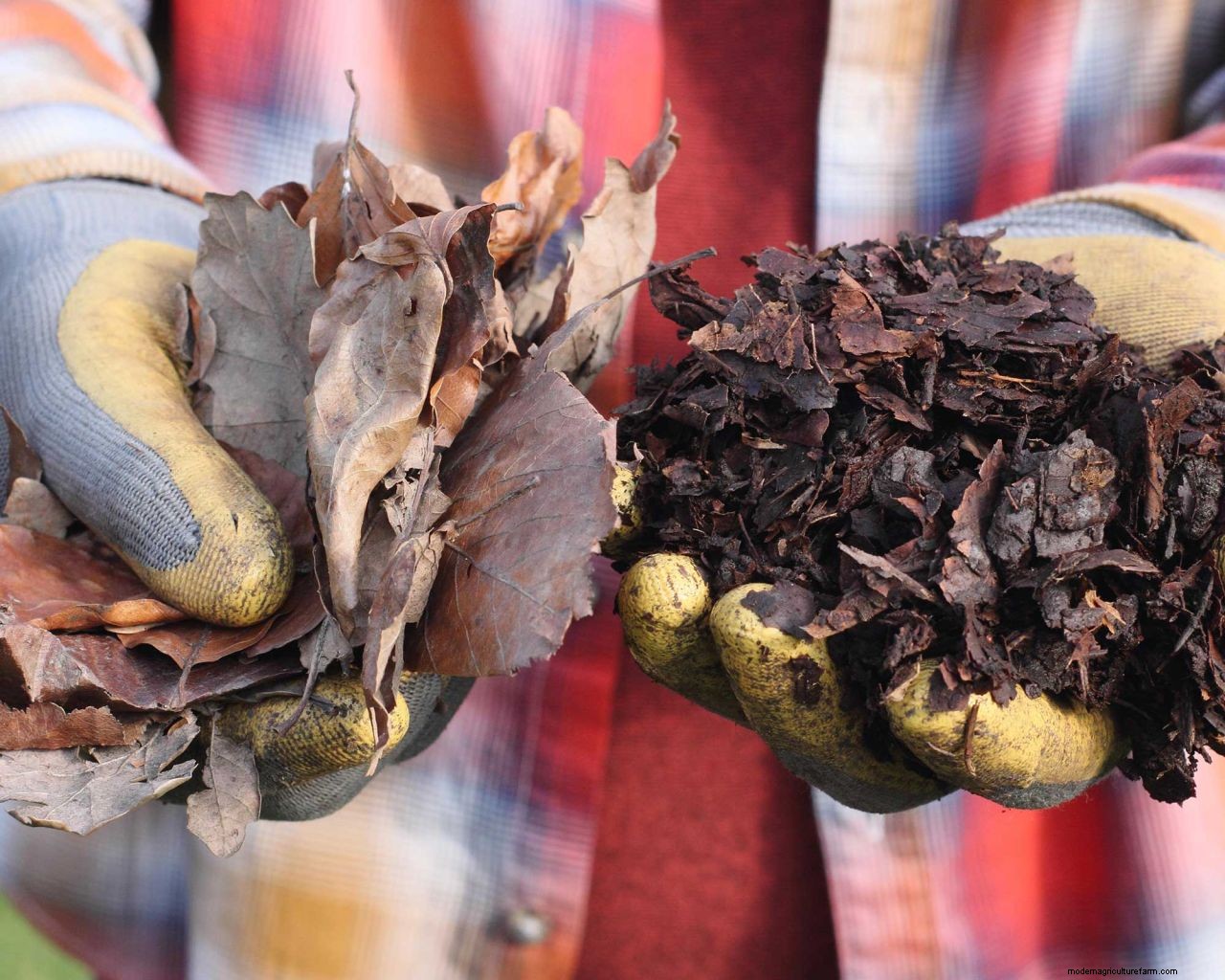
Essentially, leaf mould is where leaves are collected and stockpiled en masse, and then allowed to break down naturally over the next year or so by fungi. This is different from normal garden compost, which depends on the action of bacteria. During that time, nothing else is added to the mix and it doesn't really need tinkering with like traditional compost. In fact, once it's bagged up (or piled up in a bin), you can pretty much forget about it until it's ready to use.
Eventually, you'll be rewarded with lots of lovely, crumbly stuff to use in the garden.
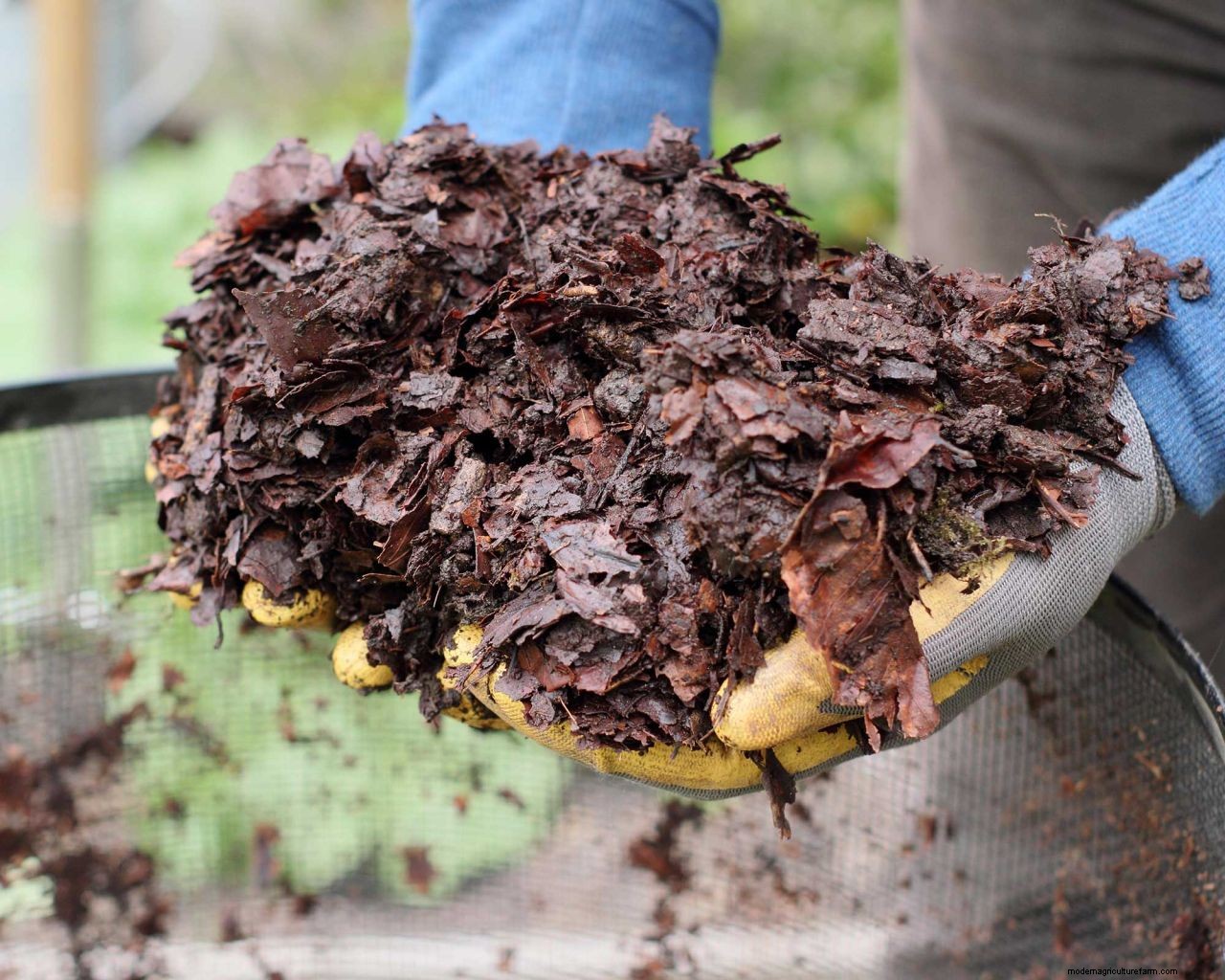
Leaf mould isn't rich in nutrients like normal compost, but it is still beneficial. For starters, it's excellent for mulching flowerbeds and borders. 'It suppresses weeds and its dark tones offset winter plants,' says Ruth Hayes, gardening editor of Amateur Gardening.
It can also be combined and sieved with homemade compost to make a perfect sowing and growing mixture. 'Sieve it extremely finely for tiny seeds,' says Ruth.
Leaf mould is a useful soil improver, too. 'Dig it into your beds to improve the water-holding properties of thin, sandy soils and break up claggy clay soil,' says Ruth.
Finally, if you're looking for wildlife garden ideas, leaf mould is definitely one to try. 'Leaf bins are a haven for invertebrates as well as hedgehogs, toads, and slow worms,' adds Ruth. 'Take care when forking them over not to injure or disturb any residents.'
The best leaves to use for leaf mould are small types from oak, beech, hornbeam, lime and hazel trees, all of which break down easily.
Thicker leaves like sycamore, walnut, and horse chestnut take longer. However, 'you can speed up the process by shredding them or going over them with a lawn mower before collection,' says Ruth Hayes of Amateur Gardening.
'Evergreen leaves are best shredded and added to your compost heap, where they will break down faster than in a leaf mould bin,' she continues. 'Keep pine needles in a separate place and use them as mulch for ericaceous plants that thrive in acid soils. They mainly drop in spring, unlike deciduous leaves.'
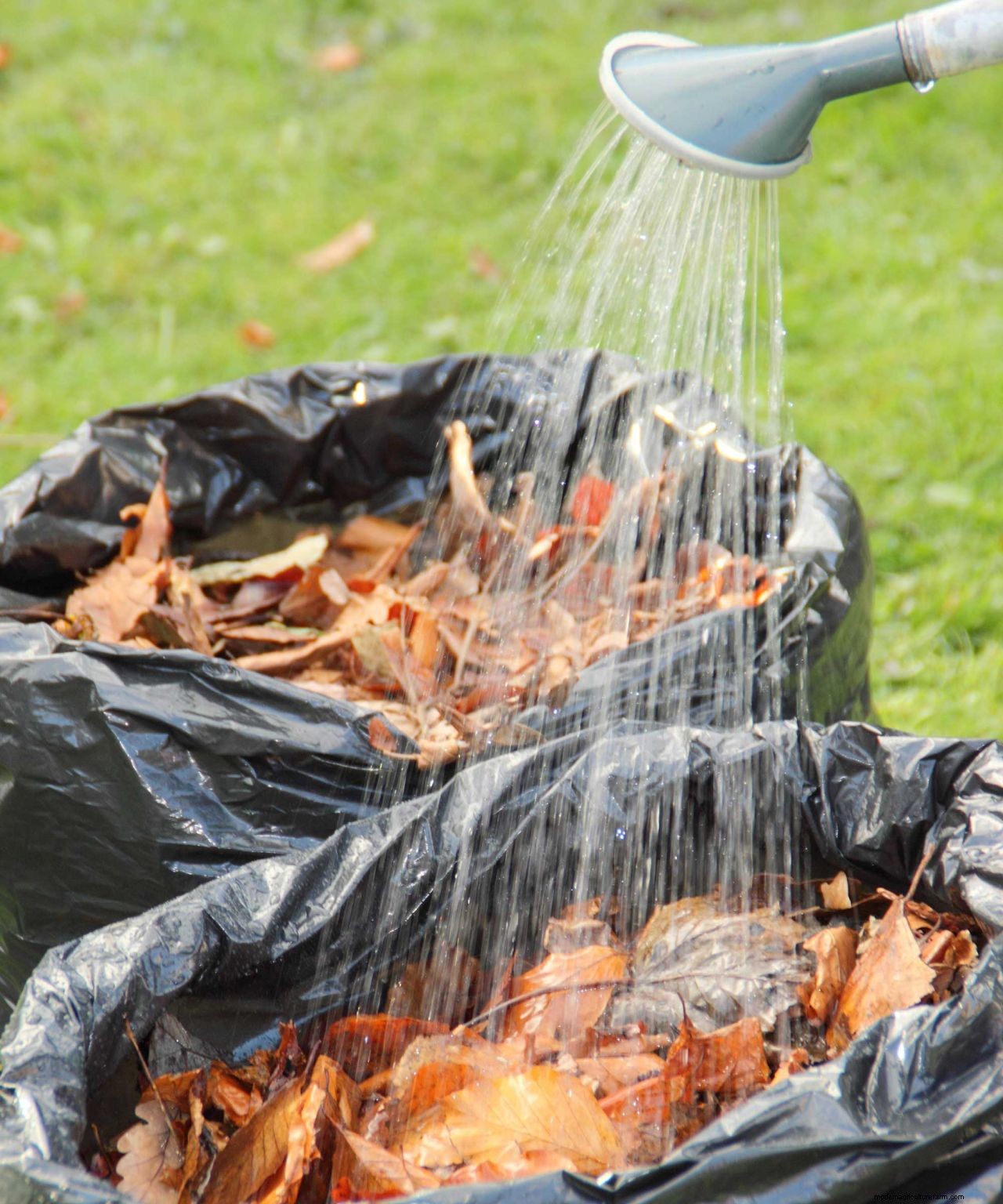
You can store your leaves in a dedicated leaf mould bin rather than in bags. It's simple to do:
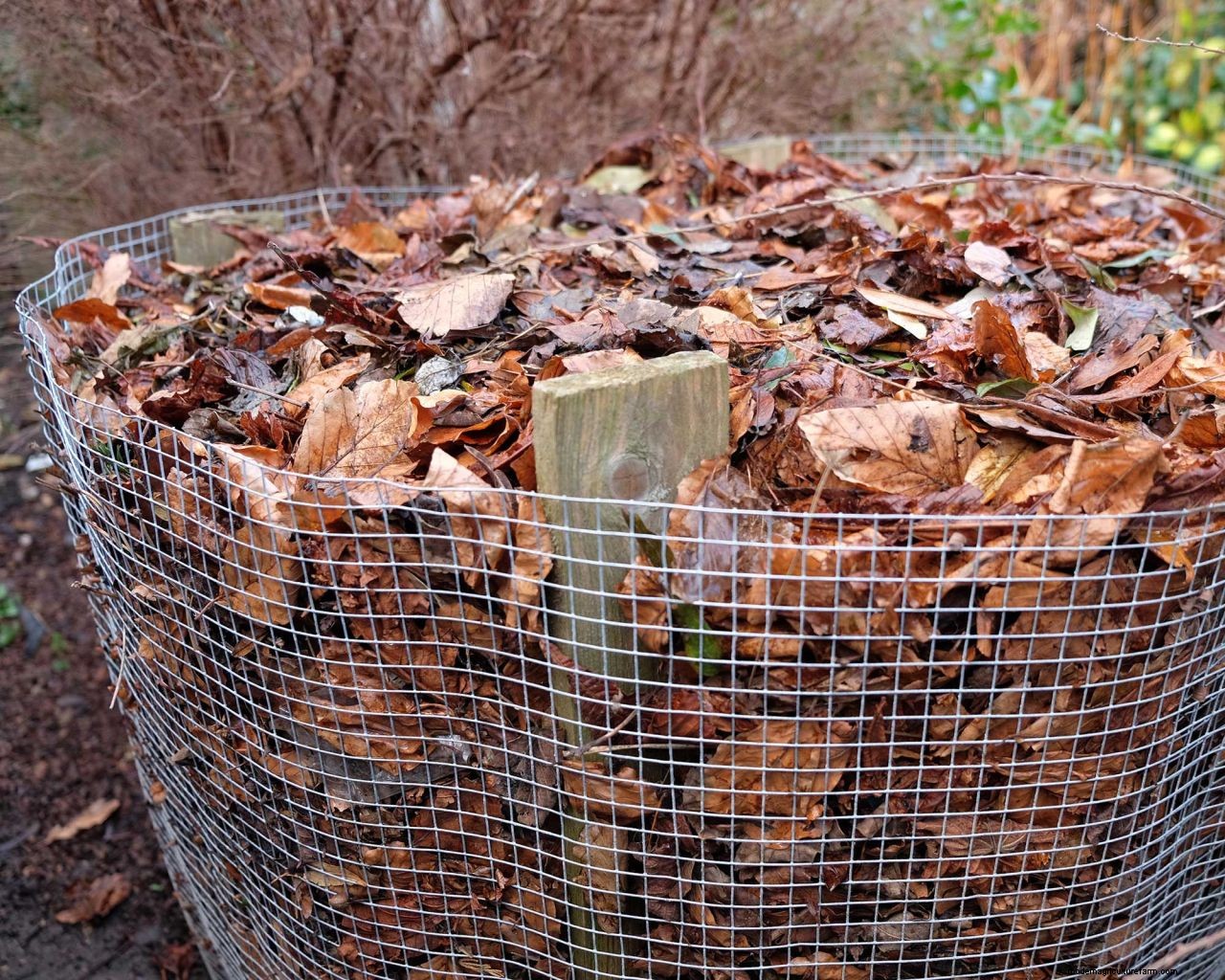
Although it's not strictly necessary to turn the leaf mould as you would compost, it can help the decomposition process, particularly if yours is taking longer than expected.
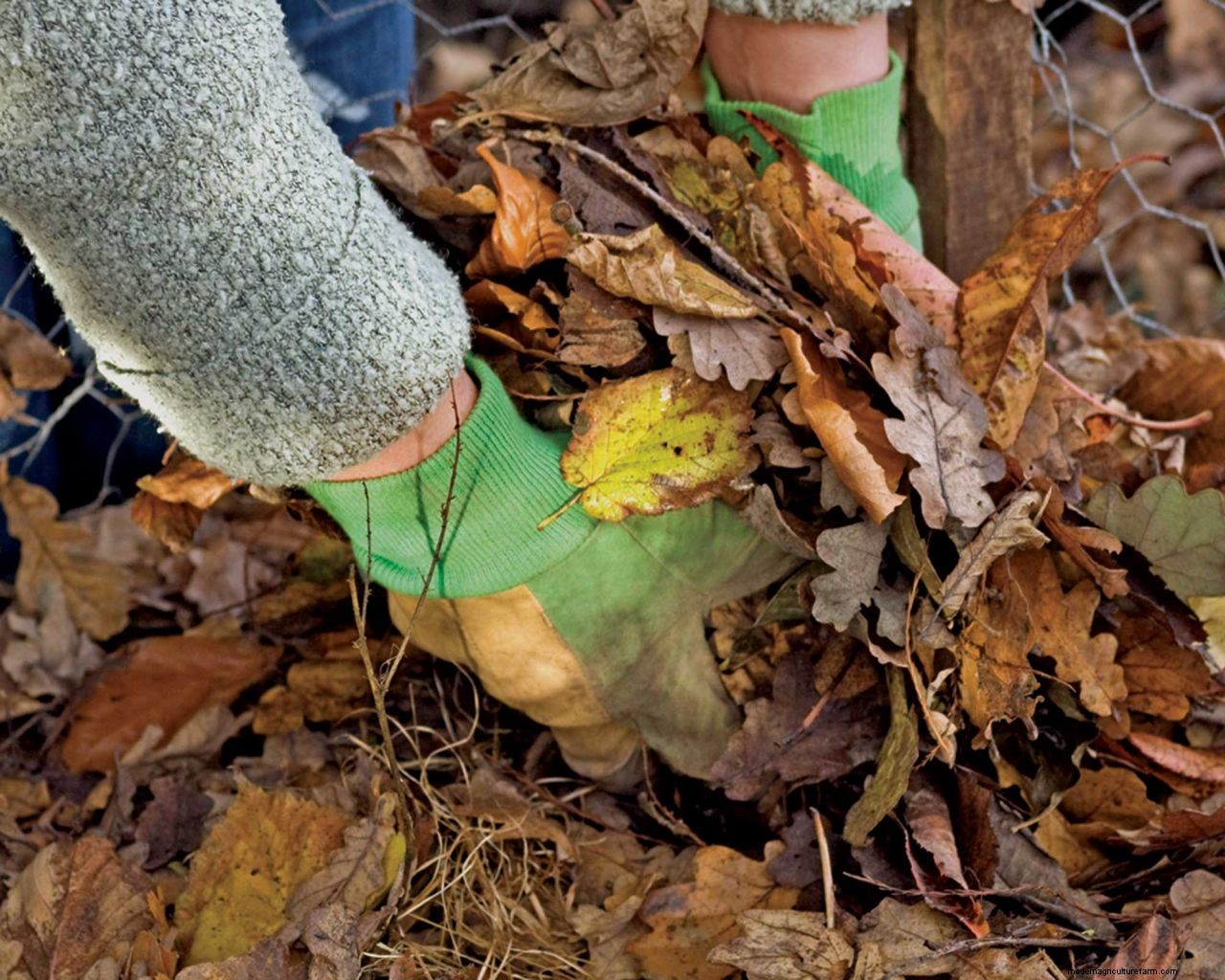
If you're making your leaf mould in a bin liner, simply give it a good shake every few weeks or so. If you're using a bin, use a garden fork to carefully turn it.
It's worth bearing in mind that leaf mould can become invested with weeds. If this happens, you can then spread the weeds around your garden accidentally when you go to use it.
For this reason, try to avoid using leaf mould on very formal areas of the garden where weeds would be a problem, as advises the RHS (opens in new tab).
If you do need to tackle the pesky intruders (and most gardeners inevitably do at some point), our guides on how to get rid of weeds and how to get rid of lawn weeds will come in handy.