Welcome to Modern Agriculture!

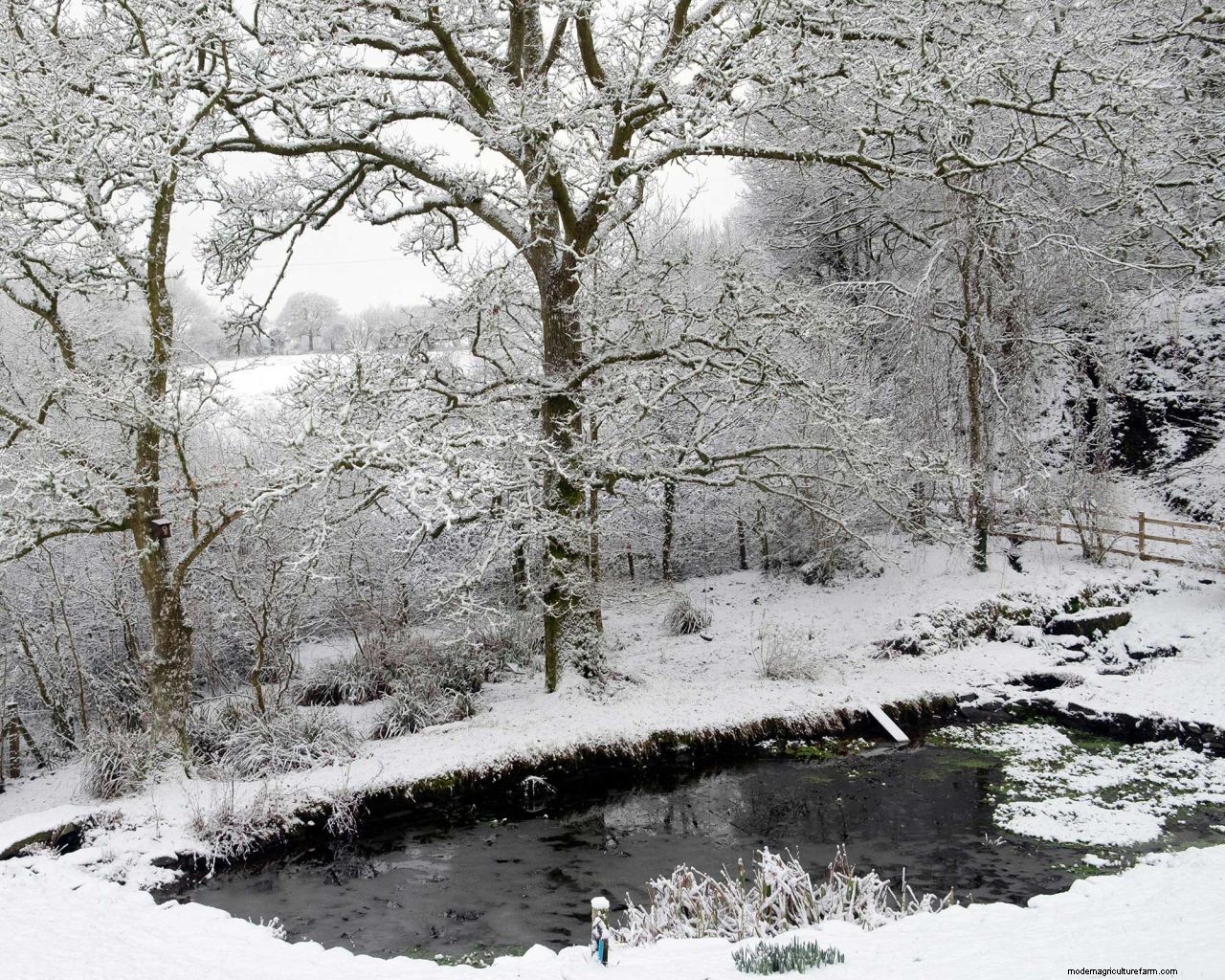
Have you wondered about heating a pond in winter? As the temperatures drop, it may be on your mind, particularly if you have fish.
There are lots of beautiful winter garden ideas to elevate your plot over the cooler months. But, with the harsher conditions, there are also many practical jobs to be done. Many plants have to be protected, pools need to be winterized, and outdoor furniture may need putting into storage, for instance. And your pond can benefit from a bit of preparation, too, before cold weather really sets in.
Heating a pond isn't always necessary, but if you live somewhere particularly cold and have fish, it can be a worthwhile task. We've rounded up ways for heating a pond in winter below, plus more top tips on how to keep your fish healthy throughout the season.
Do you always have to heat a garden pond? No. In fact, for many gardeners, it really won't be necessary, even for those who have a few resident goldfish or koi.
For starters, these cold-blooded fish are winter hardy, so they can cope with cold temperatures and the odd freeze as long as there's enough oxygen. This is where a de-icer can come in handy – but even just melting a hole in the ice with warm water can do the trick.
If, however, you have very cold winters and/or particularly expensive fish (or ones that are more suited to warmer climates), then you might prefer to heat your pond as a precaution. Heating a pond can also reduce the stress on the structure itself, preventing the pipes and other systems from freezing and becoming damaged.
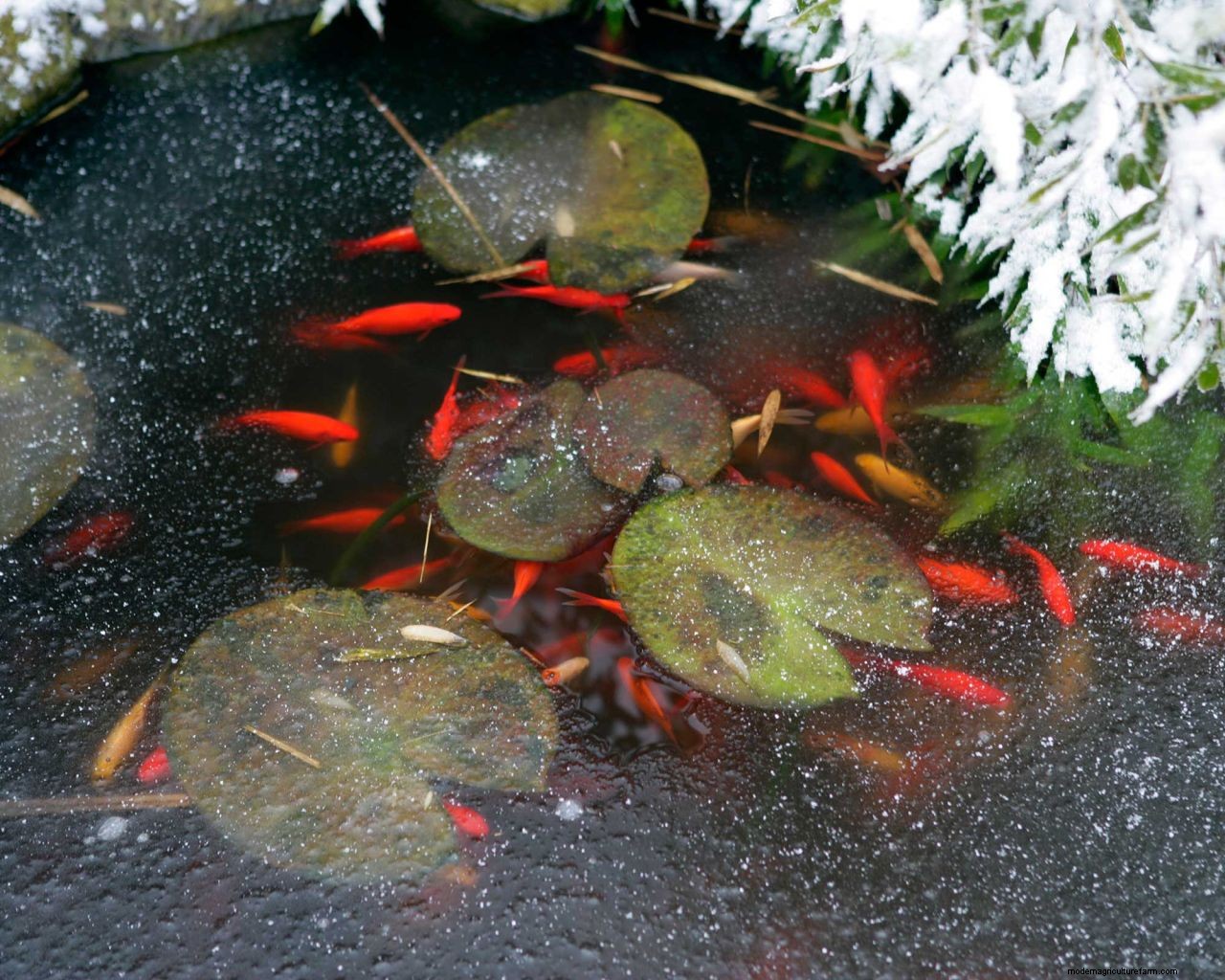
There are a few ways for heating a pond in winter – some simpler than others. We've rounded up the most common approaches below. And, if you're looking for more tips on how to prepare a garden for winter, you'll find plenty of advice in our dedicated guide.
Just like using one of the best patio heaters to keep you feeling cozy outdoors through winter, you can also invest in an electric heater to keep your fish warm.
'An electric heater is one of the most popular heating systems for a garden pond,' explains Samantha Jones, a gardening expert at MyJobQuote.co.uk (opens in new tab). However, unless you have a very small pond, you may need more than one if you want to heat the entire thing. 'They are typically designed for fish tanks,' she says.
But, even in larger ponds, just one or two can be very effective at creating warm pockets of water for fish to hibernate in. And the best part is, all you need to do is plug the heaters into an outdoor socket, so installation couldn't be easier. If you're a fan of low-maintenance garden ideas, look for one with a temperature control and automatic shut-off function to prevent it from overheating – particularly if you're using it in smaller ponds.
Position the heater at the deepest part of your pond for the best results. If you place it closer to the surface (or near any pumps), the heat will be lost more quickly. Pair with a floating de-icer (see below) to allow toxic gases to be released and oxygen in, and you have a relatively budget-friendly and easy-to-install set-up to help your fish over winter.
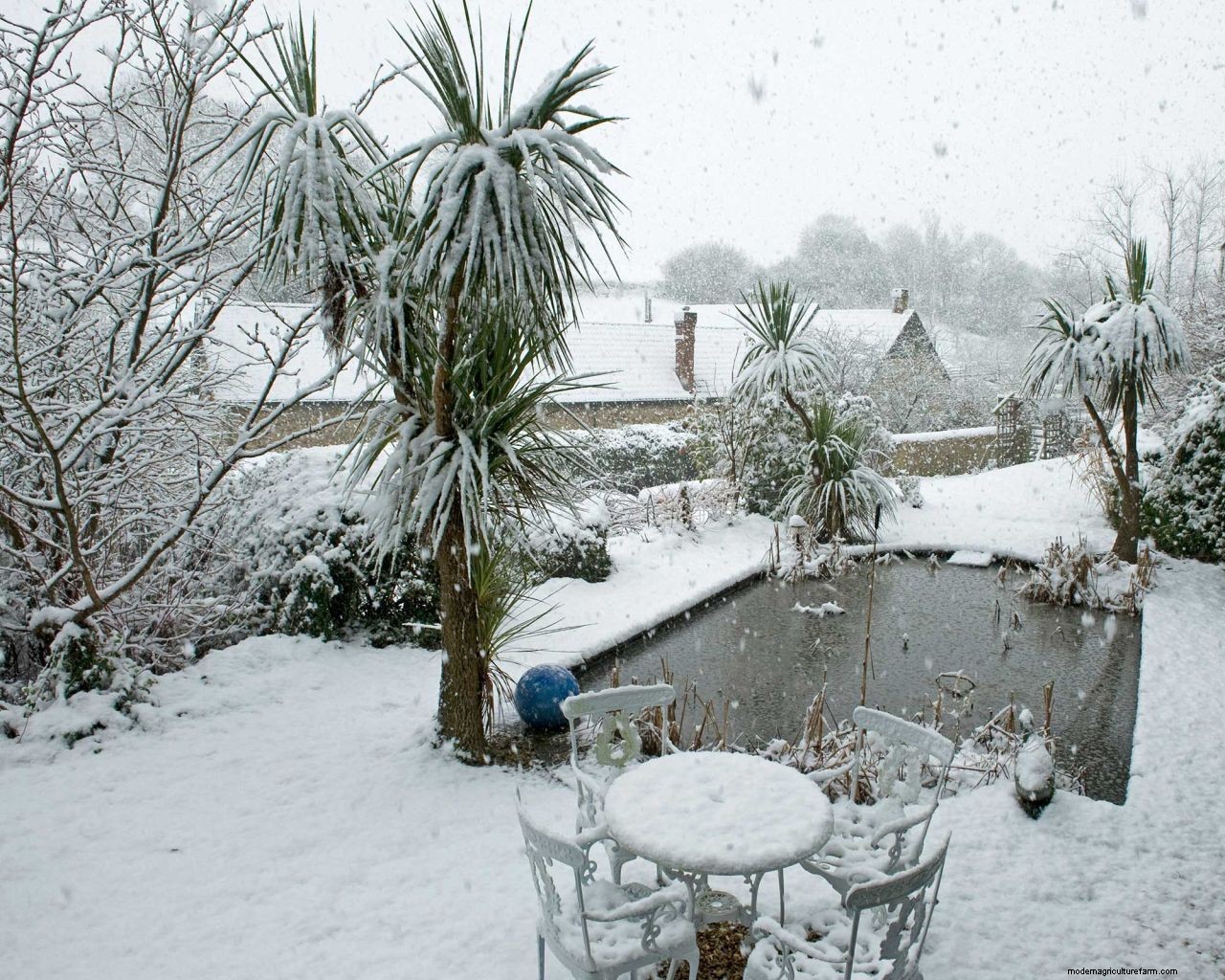
This method has a higher purchase and installation cost (you'll need a professional to set it up for you), but after that, it's generally quite economical to run – cheaper than electric heaters. It's also a good way to heat larger ponds.
So how does it work? Well, the exchanger is hooked up to a boiler. In some cases, this can be your household boiler, but in others you may need to buy a separate unit. Then, pond water is pumped through it, heating up as it does so.
A thermostat can be used in conjunction with this approach, which will activate the boiler when the pond starts to get too cold.
Another electricity-powered option for heating a pond in winter is an in-line heater.
The system is installed within your pond's plumbing – generally after the pump. Water is pushed through a heating chamber before returning to the rest of the pond.
They're good for larger ponds (and are often used by koi breeders). But, in smaller ponds, these models can be prone to making the water too warm, or temperatures to quickly spike, so caution is advised. A thermostat can help with controlling the temperature.
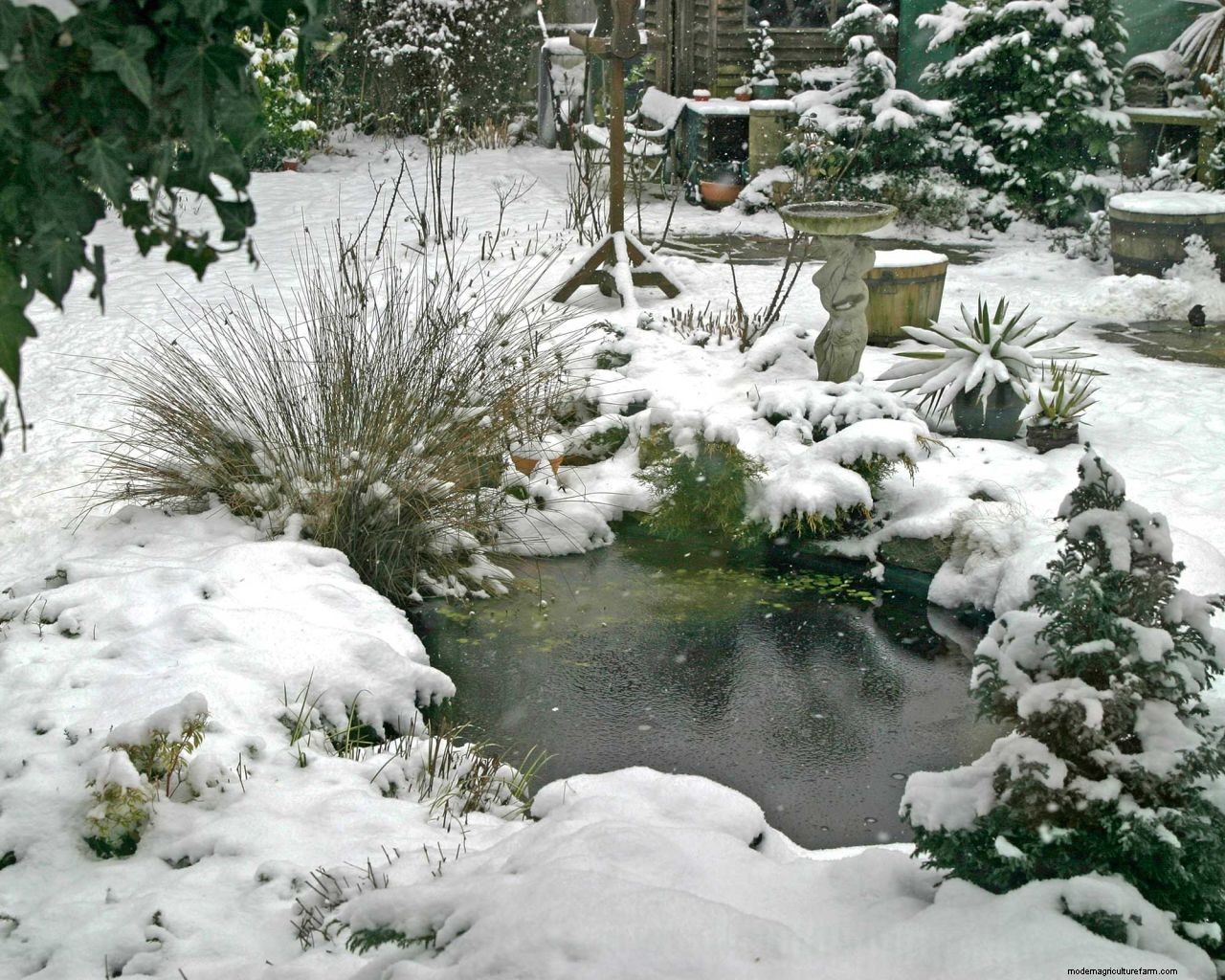
While the above approaches are more effective at actually heating a pond, if you only need a little insulation, a pond cover might just do the job. In a way, it's similar to the methods of protecting plants from frost, such as wrapping them with fleece or putting them in a greenhouse.
A pond cover will keep cold winter winds at bay which helps the water hold its heat, and – bonus point – will also keep leaves and debris out. Rather than allowing a cover to directly rest on the water, go for one that is supported by beams or straps to allow space for gas exchange and stop rain or snow from weighing it down.
There are pre-made structures available to buy. However, some people make their own, often with polycarbonate sheets – just remember to leave a small gap for oxygen to get in and toxins to get out.
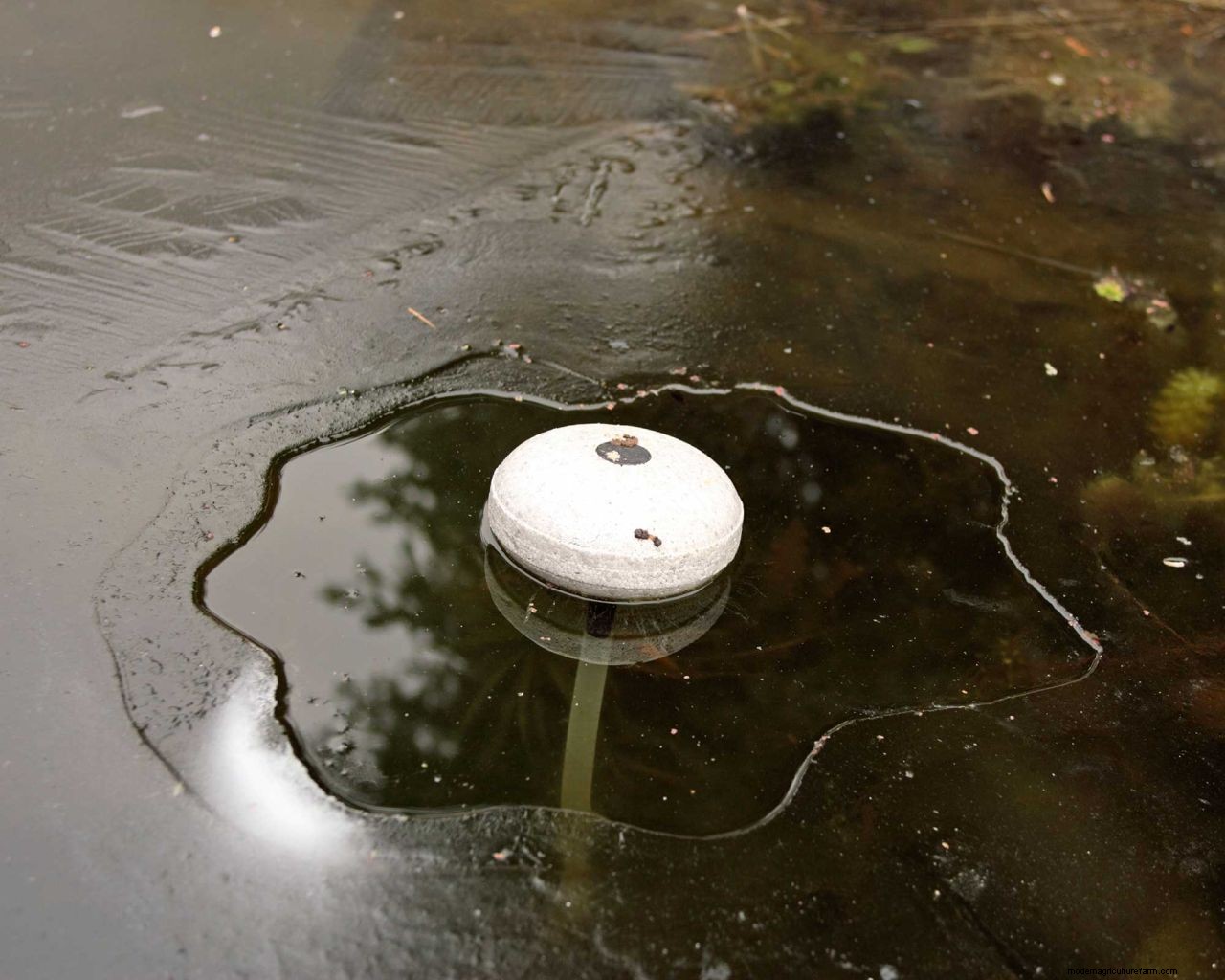
We mentioned de-icers above, and although they won't really warm your pond, they are a very useful addition for keeping your fish healthy through winter.
A floating de-icer 'is designed to prevent any frost from forming,' explains Samantha. 'This is important as even the smallest layer of frost can block out any oxygen and can therefore kill any fish in the pond.' It will also allow harmful gases to escape, and beneficial bacteria to continue to thrive in your pond's eco-system.
Some de-icers will simply create a small air hole in the ice, while some will stop ice from forming completely (depending on the model, your climate, and the size of your pond). Either way, they tend to be very effective.
Some of these devices also feature thermostatic control. This stops them from overheating, thus protecting your fish from being exposed to high temperatures, as Samantha explains. You can find a selection of de-icers on Amazon (opens in new tab).
Even if you don't need to heat your pond throughout winter, there are other ways you can help your fish:
If you're looking for more advice for giving animals and wildlife a helping hand throughout the colder months, then our guide on feeding birds in winter may also come in useful.