
Welcome to Modern Agriculture!

Wondering how to winterize a pool? You'll find all the tips and tricks you need in this guide.
Pool ideas are a wonderful addition to a garden throughout the summer months. However, if you're not planning on using yours during winter, winterization is vital for keeping it in top condition and protecting it from the elements.
'Winterization is a term used for preparing your pool for the winter, and it is a process that can help ensure that your pool does not become damaged and your equipment is protected during the colder months of the year,' explains the SPATA (opens in new tab) (The Swimming Pool & Allied Trade Association) team. They share all their top tips on how to winterize a pool below, including when to get started and how to open it back up again in spring.
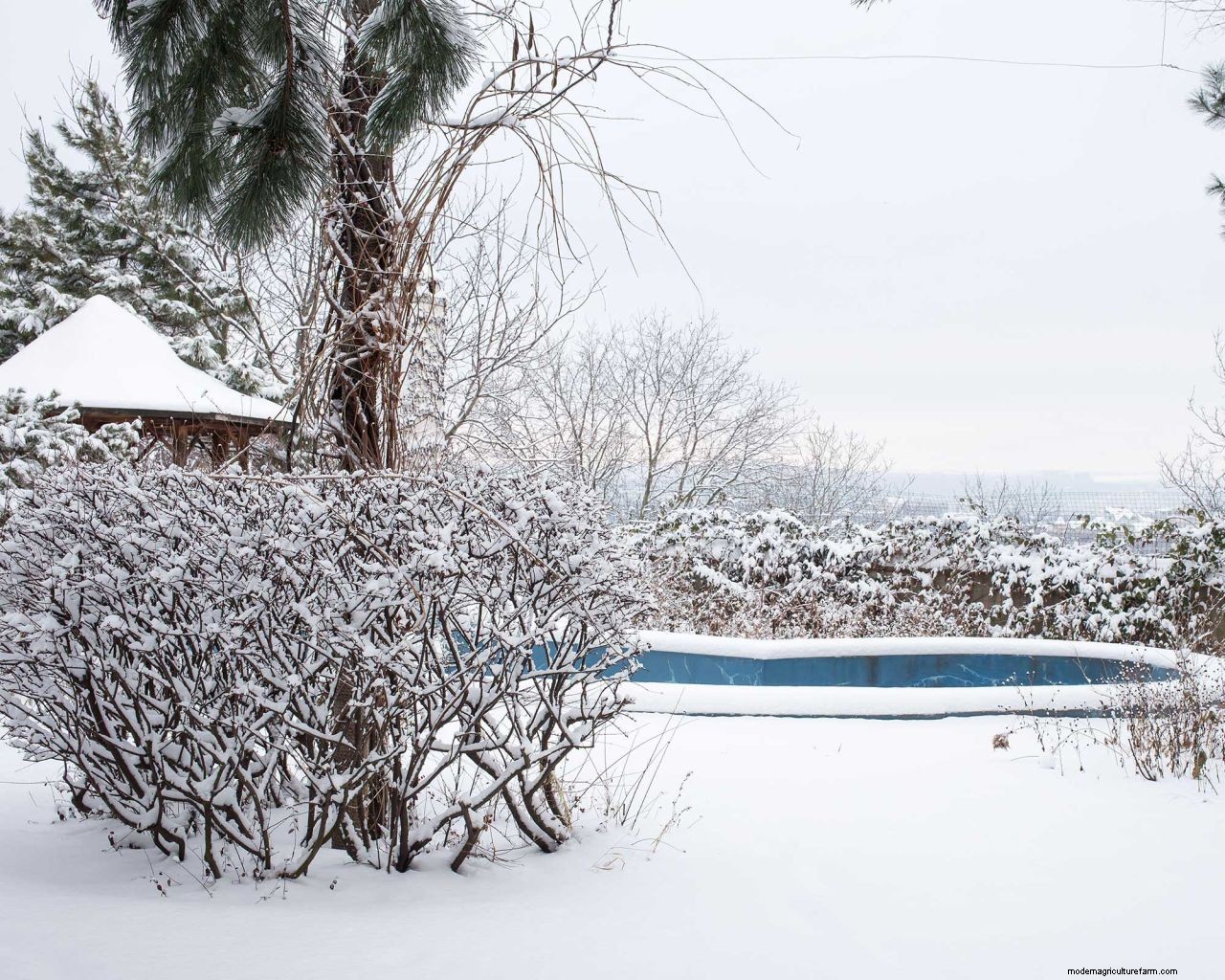
SPATA recommends hiring a contractor to carry out the work for winterizing a pool. 'It means a professional eye will be cast over the systems, and any servicing, repairs, etc., can be carried out over the winter shutdown,' they say. However, it can still be useful to know the basics in how to winterize a pool – and this guide explains all.
'Once the swimming season has finished, you must prepare for winter and the coming months of inactivity – winterization,' says SPATA. 'The weather usually starts to turn colder in the UK between the end of September to the beginning of October.
'It is vital to winterize your swimming pool before the frost begins,' they advise. By the time it has become cold enough for ice to form in the water, it is often too late, and damage to your equipment could already have been done.
'You must prepare for the cold weather and guard against frost damage, as severe frosts can burst pipes, heaters, and filters,' they explain. 'In addition, if any major work is needed for your pool, then the winter is the time to plan it.'
'The pool should be run and disinfected correctly right up until it is winterized, even if the heating is turned off,' they continue. Once winterized, algae will not stop growing, but the level of regular pool maintenance required is very much less than during the spring/summer season.
'There are no hard and fast rules governing the actual date of winterizing,' they continue. 'However, the lower the ambient temperature becomes, the more expensive the heating becomes.' And, 'should you have a lot of trees around the pool, you may wish to leave the closedown date until after the leaves have fallen,' they add.
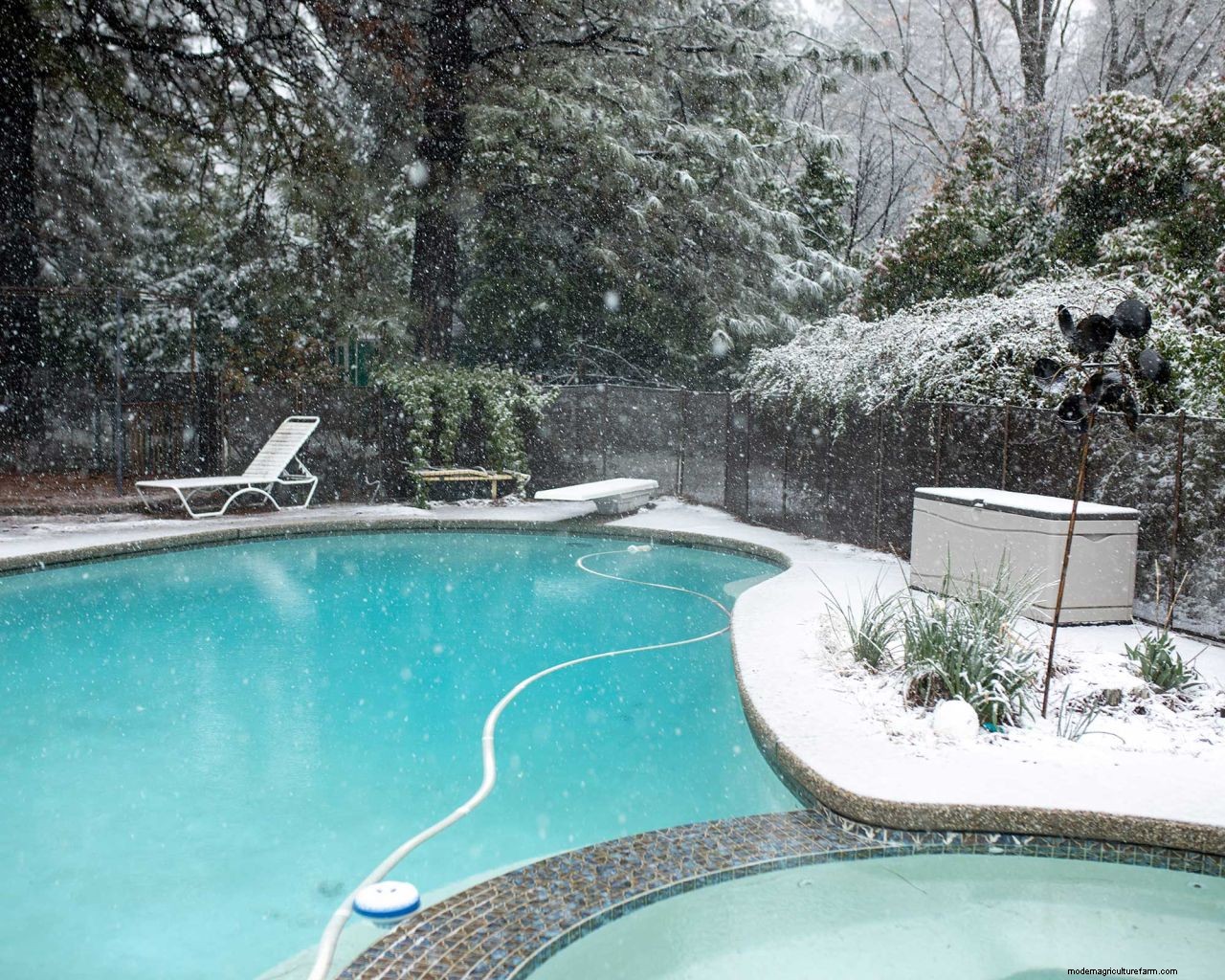
There are two different approaches for winterizing a pool, as SPATA explains. One entails switching everything off, while with the other, your pump stays on yet only activates for an hour or so each day (or more if conditions are freezing). Either one has pros and cons, which can be explained to you by your professional contractor.
As well as the core process for winterizing a pool (explained below), there are some other jobs that need doing to prepare the space for the colder months:
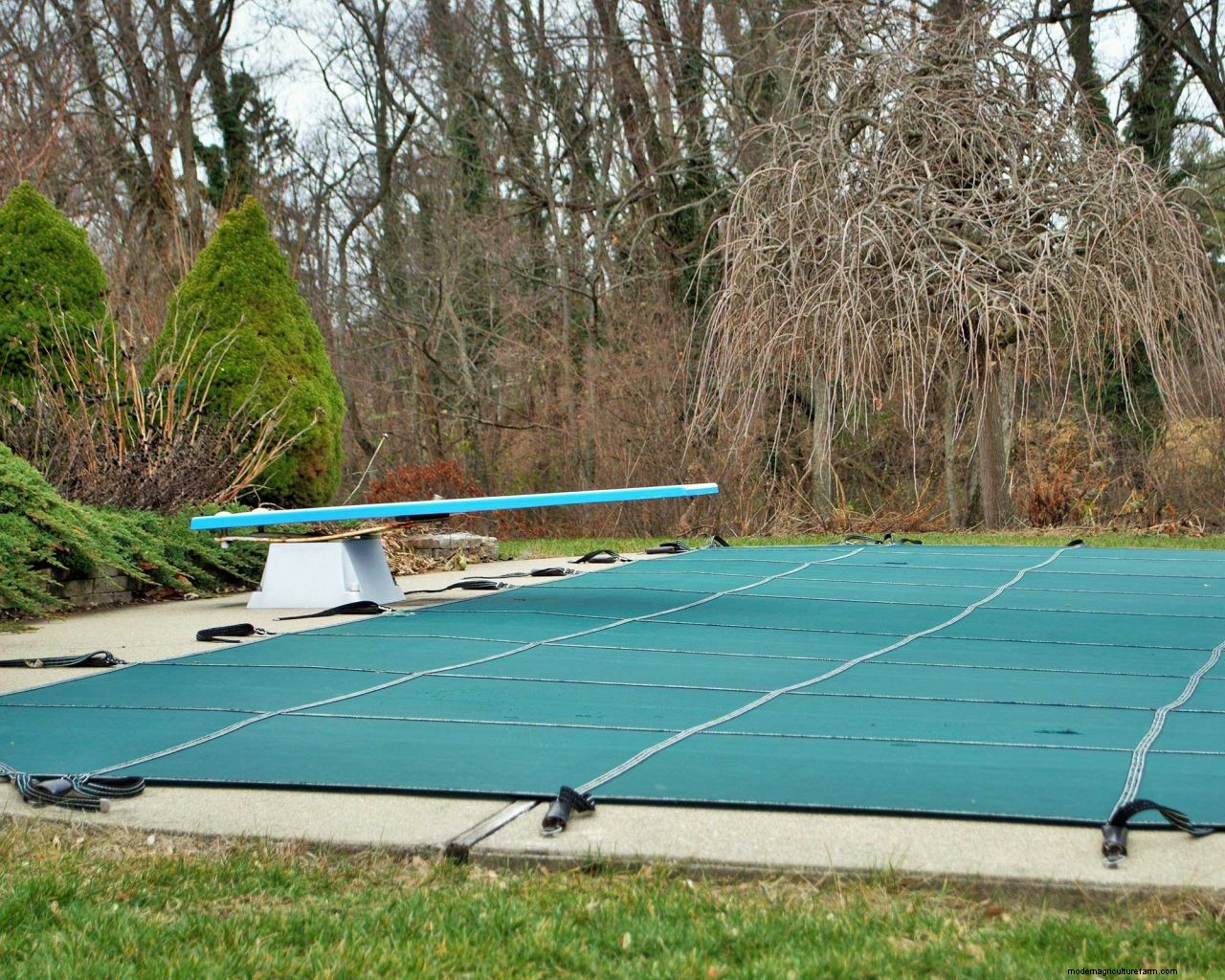
Now, for the winterization process itself. The first option is simply to switch off the power on all systems and lower the water level, then amend the water condition with chemicals when needed. One of the pros of this approach is that it won't consume electricity over the season.
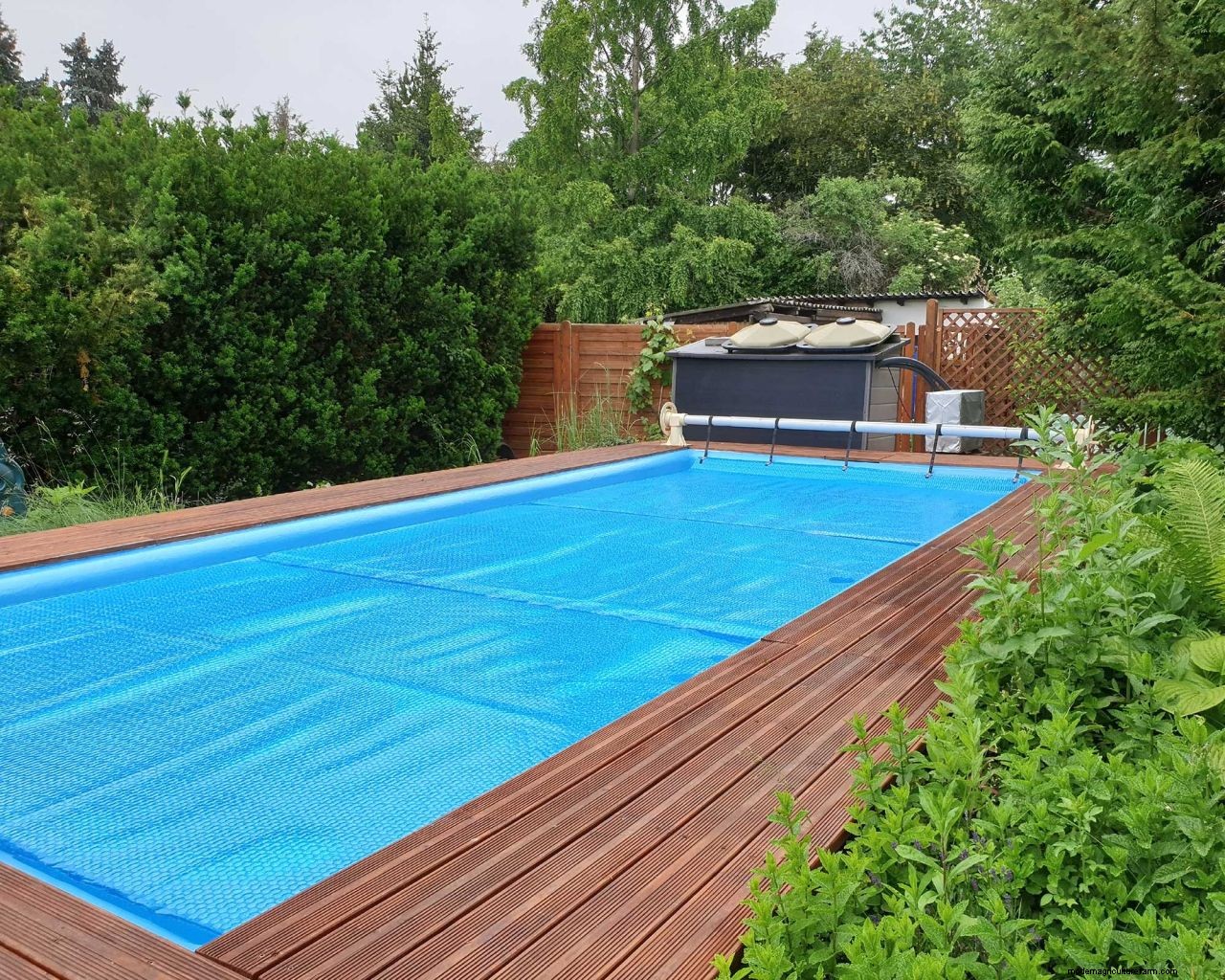
The second approach for winterizing a pool requires the installation of a frost-stat. Using this method often means that opening the pool back up again in spring is quicker and easier.
Once winter is over, you will, of course, need to get your pool up and running again as part of your spring garden jobs. This process is called recommissioning.
'There are no hard and fast rules laid down as to when to do this; it is entirely up to you,' says SPATA. However, they suggest the following factors to be taken into consideration...
Firstly, if you're hiring a professional, make sure to book in early to avoid the springtime rush. Remember, 'when the pool is recommissioned, you do not have to start the heater immediately if the weather is not quite right.'
Secondly, be aware that once the weather becomes warmer, algae will start to grow faster. 'Having a winter cover on the pool will be no deterrent, and you will have to begin chemically treating the water. As a guide, once the lawn starts to grow, the algae in the pool will also be growing.'
SPATA also notes that it is beneficial to top up the pool water above the operational level before the recommissioning work is done.
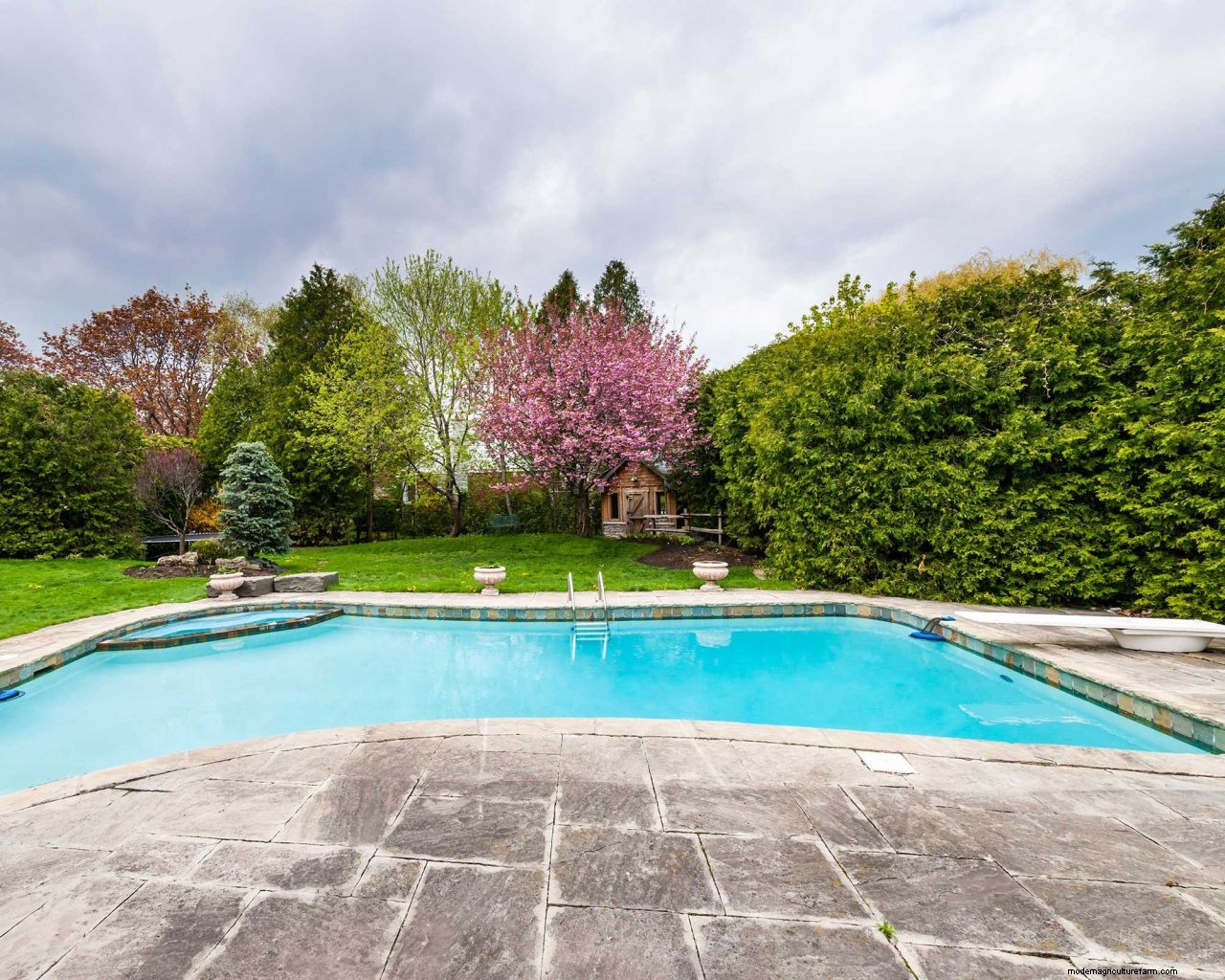
When it comes to the recommissioning process itself, they share the following steps as a general guide:
'Once the pool has been recommissioned, it is a good idea to run the filter continually for the first few days, backwashing daily, to thoroughly clean and make the water shine,' adds SPATA. 'After that, you can revert to the normal regular weekly routine.'


