
Welcome to Modern Agriculture!

Cooler weather is on the way, which means it's time to consider how and when to plant tulip bulbs – one of the best spring flowers out there.
With their glossy petals and vibrant colors, tulips bring so much to the springtime garden. These wonderfully versatile plants are happy in both pots and borders. And, some can even be naturalized in lawns and rockeries to create a stunning display alongside snowdrops, narcissi and other spring delights. When it comes to planting bulbs, tulips should definitely be on your list this autumn.
From rippled raspberry pink to burnished orange or rich plum, tulips come in a vast array of colors and shapes. With a little know-how, they are inexpensive and easy to grow, and they can transform a spring garden from drab to dramatic. The only problem will be choosing which ones you like best, as there are over 3,000 registered varieties!
To help you get started, we've brought together tons of top tips on when and how to plant tulip bulbs, including advice for container growing, pest control, and what to do with them when they've finished flowering.
First of all, you'll need to know when to plant tulip bulbs.
You will see tulip bulbs on sale in supermarkets and garden centers from early September, but the best time to plant them out is in late October and November, or even December. If you've already learned how to plant daffodil bulbs, you might think this is quite late. It's true that tulips are planted later than other spring bulbs, and there is a good reason for it.
Tulip bulbs go in later as a few hard frosts can help guard them against a disease called tulip fire (also known as tulip blight). Tulip fire rots the bulbs and causes the leaves to develop a twisted, scorched look. There are no chemical controls for this, so if you've had this problem with previous tulip bulbs, don't plant tulip bulbs in the same soil for at least three years.
Gardening expert Monty Don (opens in new tab) considers November as the ideal tulip-planting time, saying: 'This is, to my mind, the most important and best job of the month. It is actually something that can be done at any time between now and Christmas, although the earlier they get into the ground the earlier they will flower.'
It's absolutely fine to buy bulbs as soon as you see them each year (you don't want to miss out on the perfect buy after all), but it is worth holding back for a few weeks before putting them in the ground. Store them in a cool, dark place until you are ready to plant.
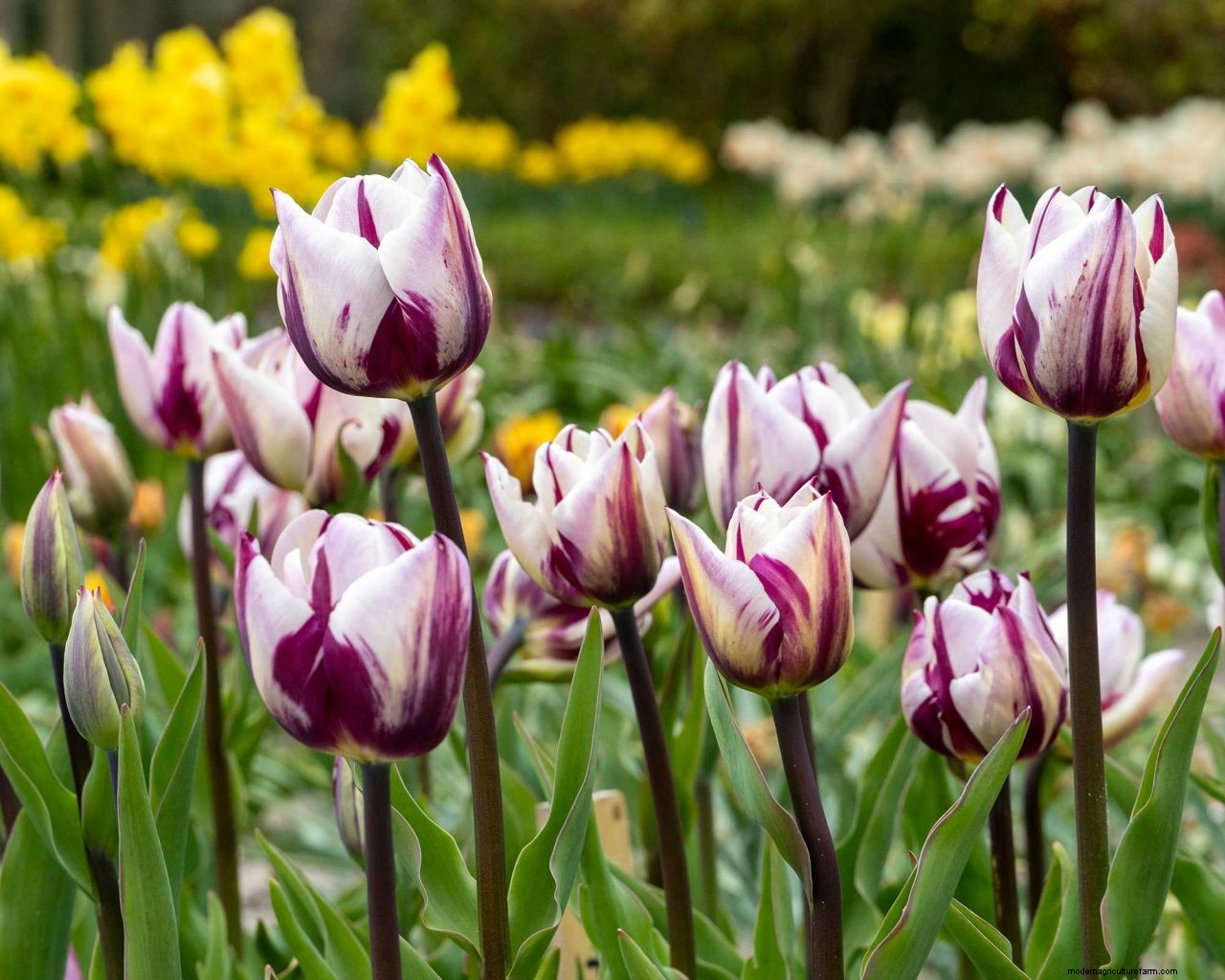
There are some 75 species of tulip and around 3,000 varieties, so it can feel overwhelming to find the right types of tulips for your garden. A good starting point is to buy flowers according to the style of your plot and your personality. There is a tulip to suit everyone.
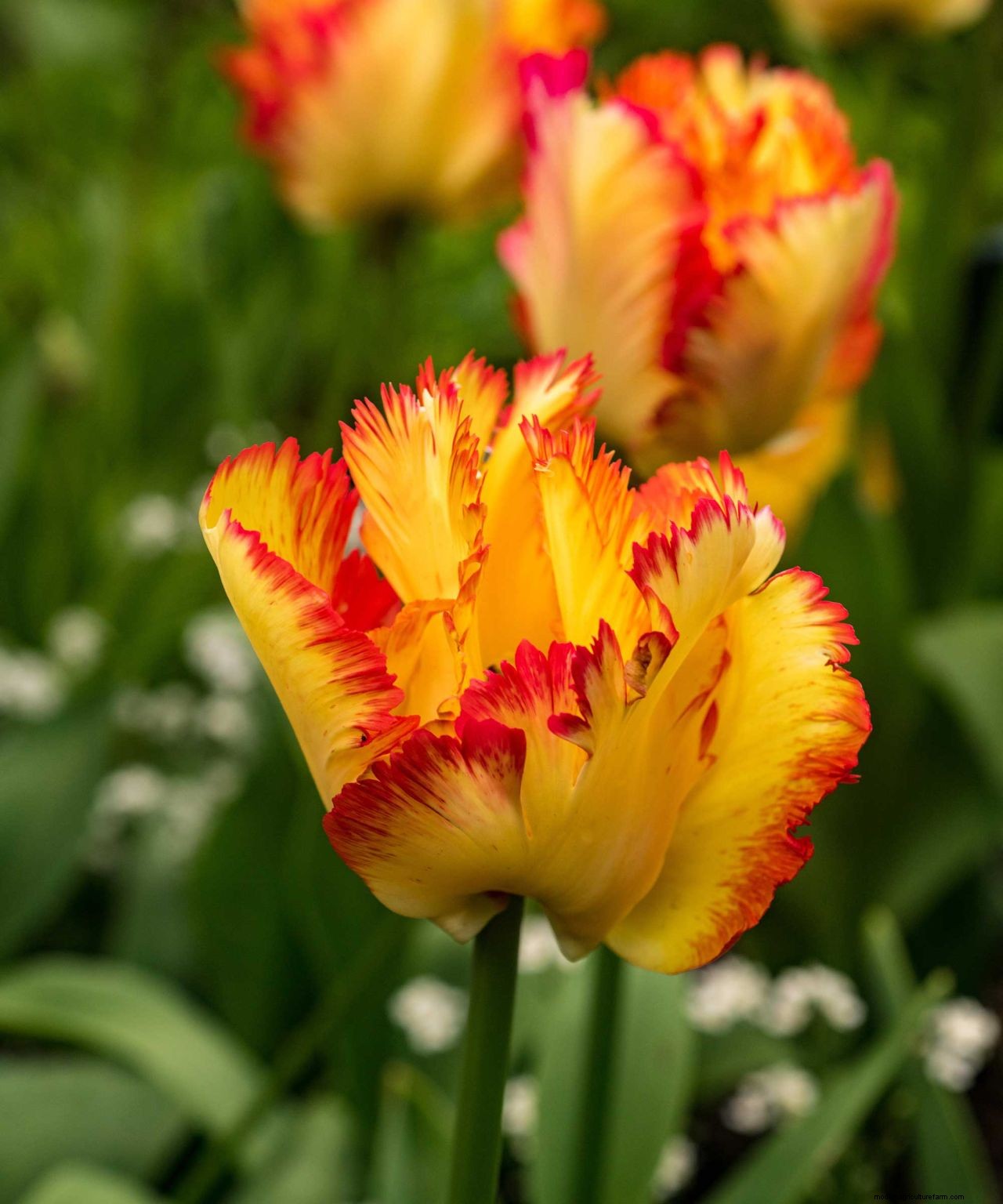
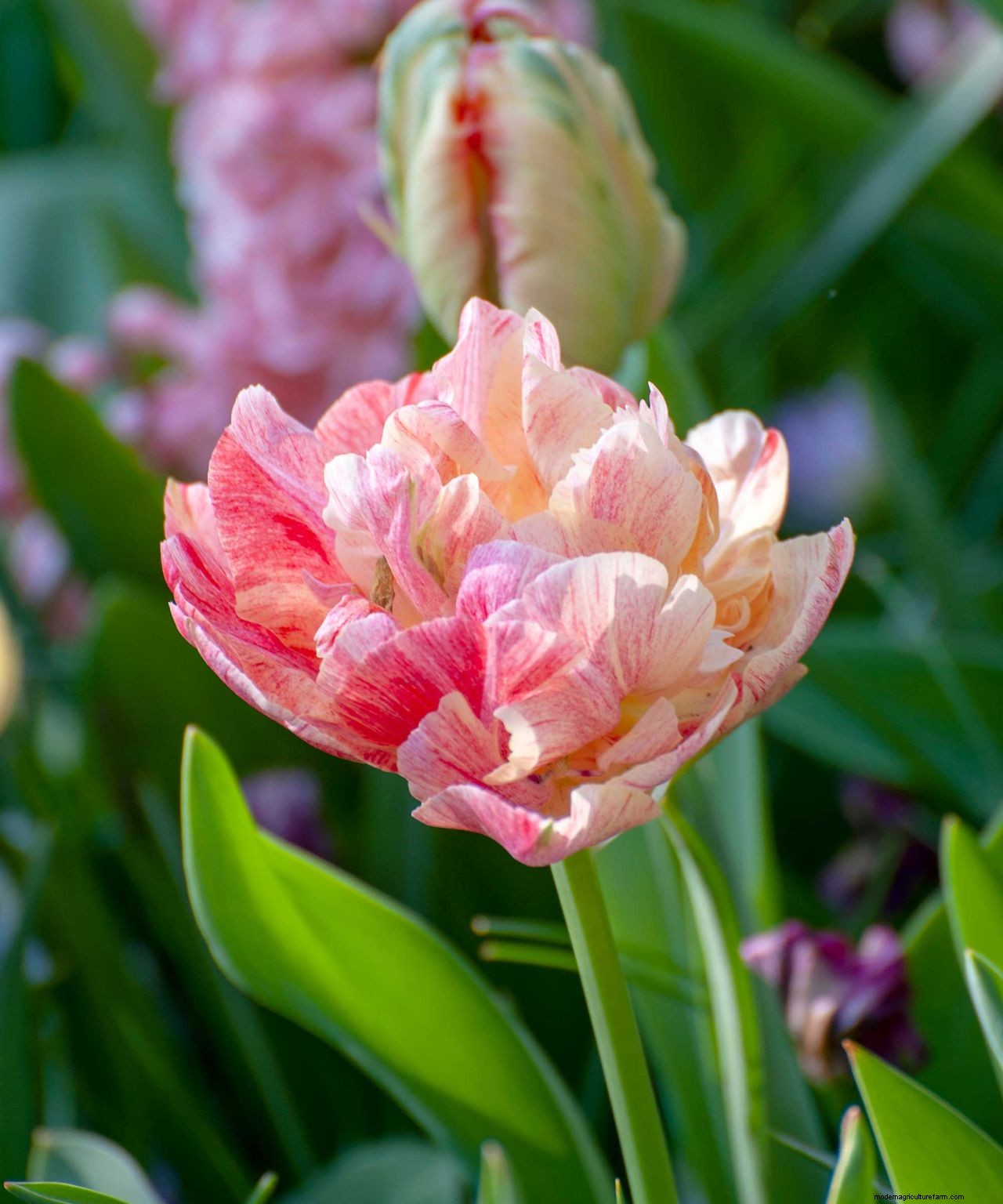
Some tulips have small, upright flowers. Then, there are double ones with a broader silhouette, and for extravagant frills and shot-silk colors, parrot tulips come into their own.
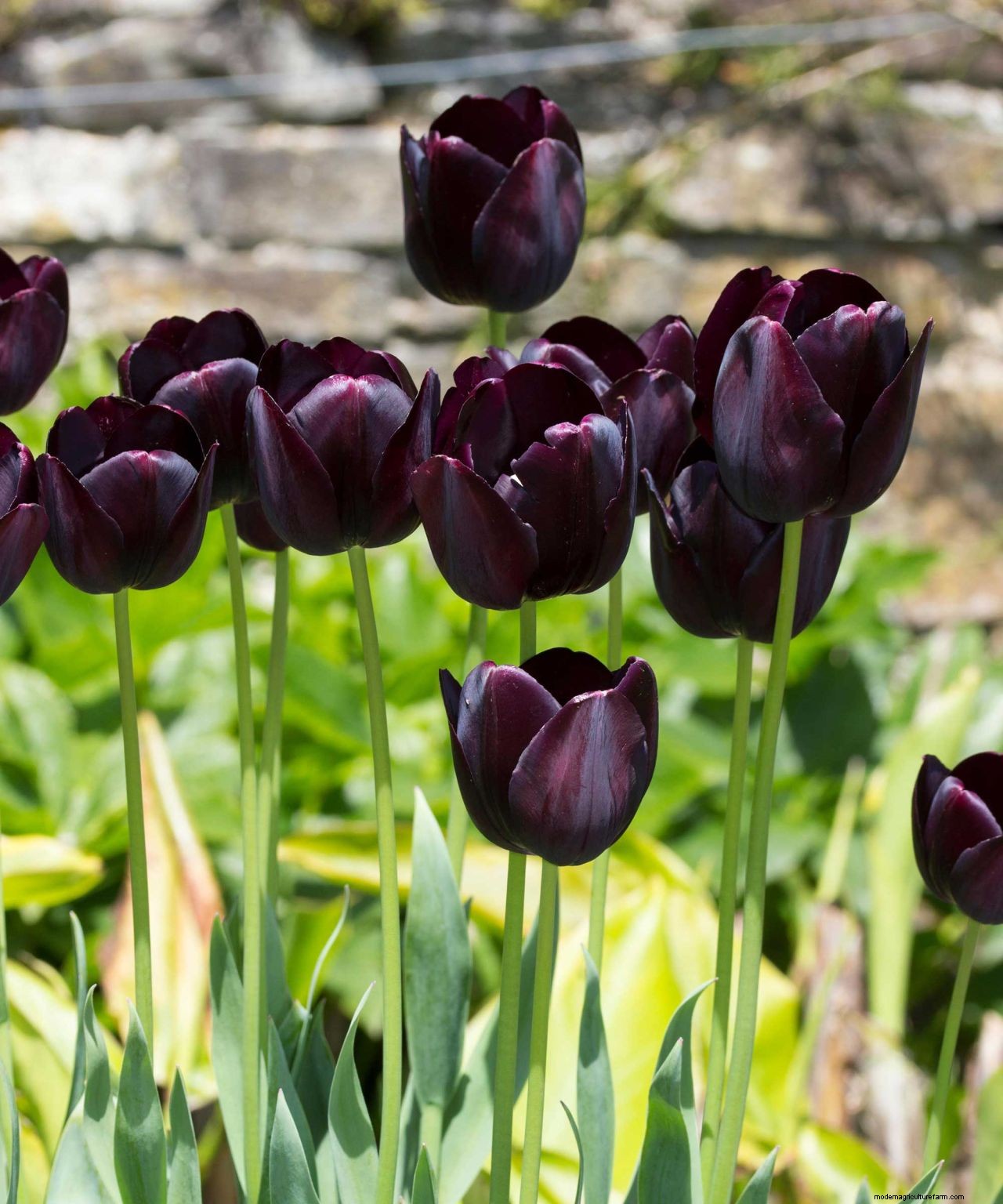
For a romantic cottage garden, go for the generous blooms of double- and peony-flowered tulips and the frilly parrot varieties. 'Shirley' is a soft blush pink-lilac with darker ripples, or go for the large flowers of 'Bella Blush', which looks effective planted in a mass. For a dramatic statement, 'Queen of the Night' with its dark purple-black petals looks super-stylish on its own, or it can be planted alongside a contrasting color such as orange or white.
For a clean, modern look, go for more upright forms, such as the lily-flowered and single-cup tulips. Try a pure white tulip, such as 'White Triumphator' which has slim, elegantly-shaped petals. 'White Mountain' has double flowers with a cup-like shape, whereas 'White Dream' has blooms in the shape of a bowl.
If you'd like to create a more exotic-looking scheme, go for bold brights or tulips that look like they have been plucked from a jungle. 'Attila Graffiti' is a rich magenta torch while Tulipa acuminata looks alien and wonderful. For plots that follow a hot garden color scheme, 'Ballerina' is a beautiful slim orange flower on a tall stem. 'Yellow Flight' is a punchy yellow, and 'Caribbean Parrot' blends the two shades. Or, try 'Orange Princess' for peony-shaped flowers in two tones.
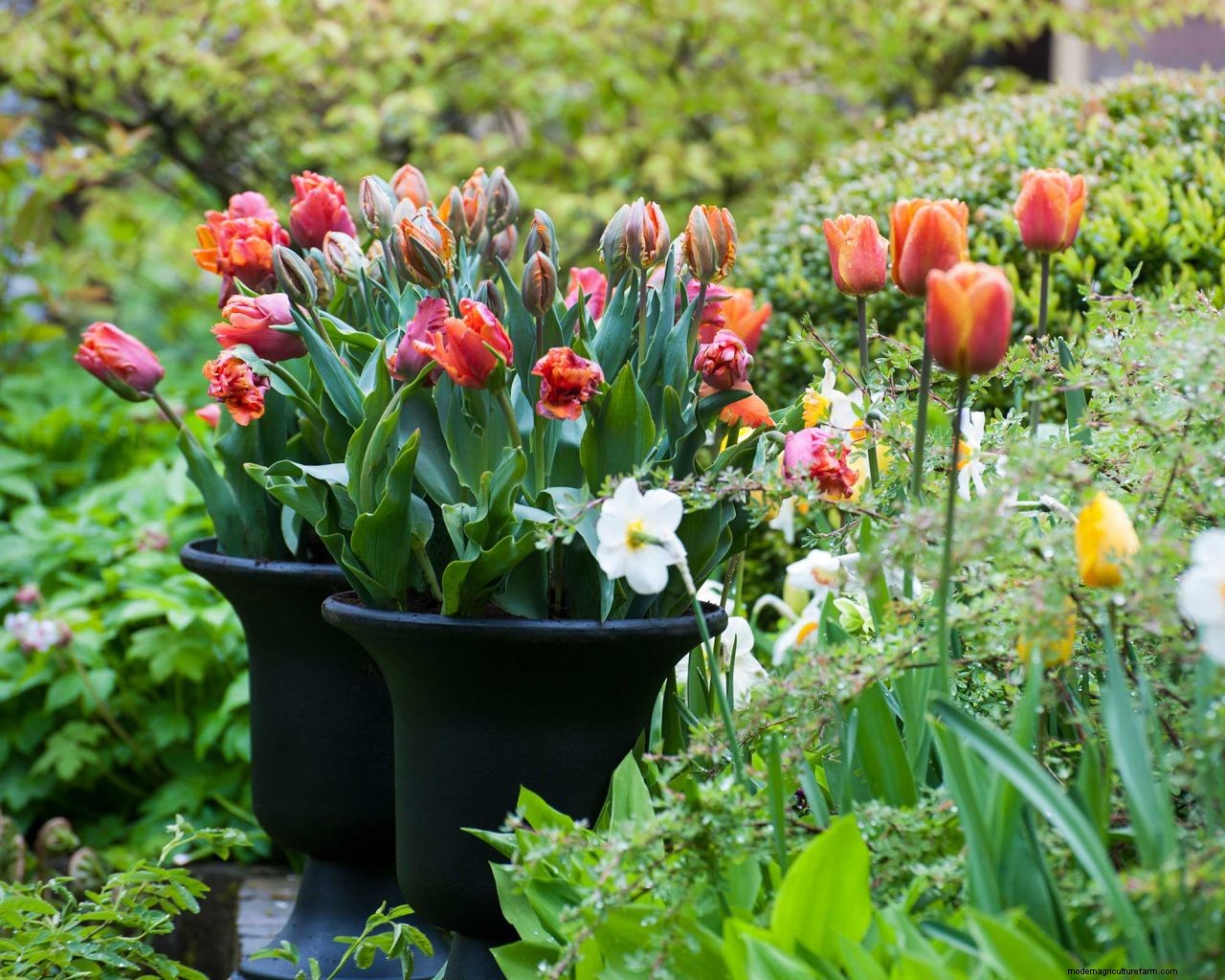
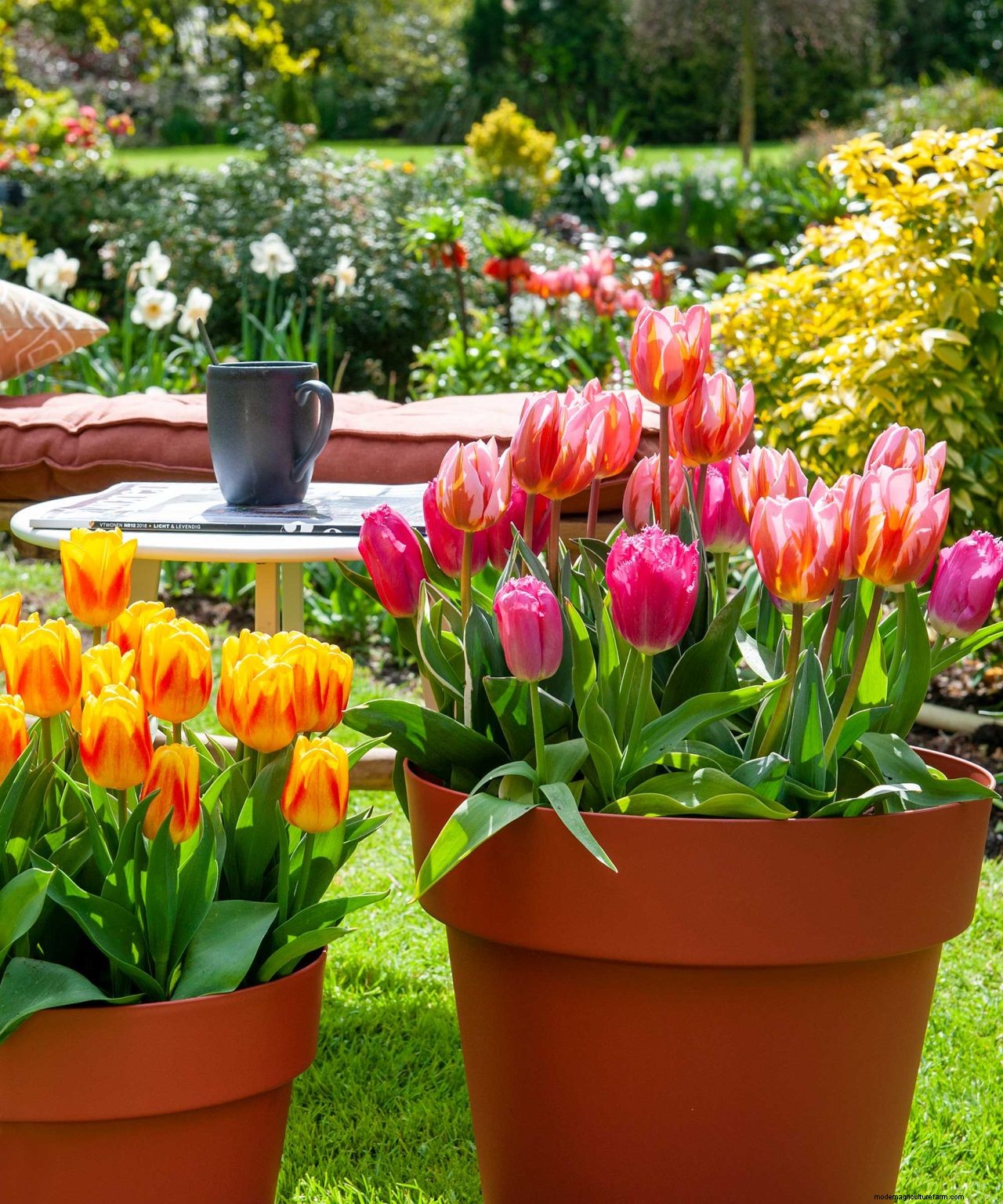
Tulips are a perfect choice if you're looking for spring container gardening ideas. There is nothing like a bright display of them at the front of the house or on a patio before the summer blooms have sprung into life.
You can also layer tulip bulbs as part of a bulb lasagne. It's a great approach for smaller plots and will offer flowers for months on end. You can learn how to plant a bulb lasagne in our guide, while our bulb lasagne ideas have lots of inspiration for styles to try.
Tulips look wonderful in flowerbeds, both en masse and tucked alongside perennials. If you've also learned how to plant hyacinth bulbs, they make a lovely spring pairing.
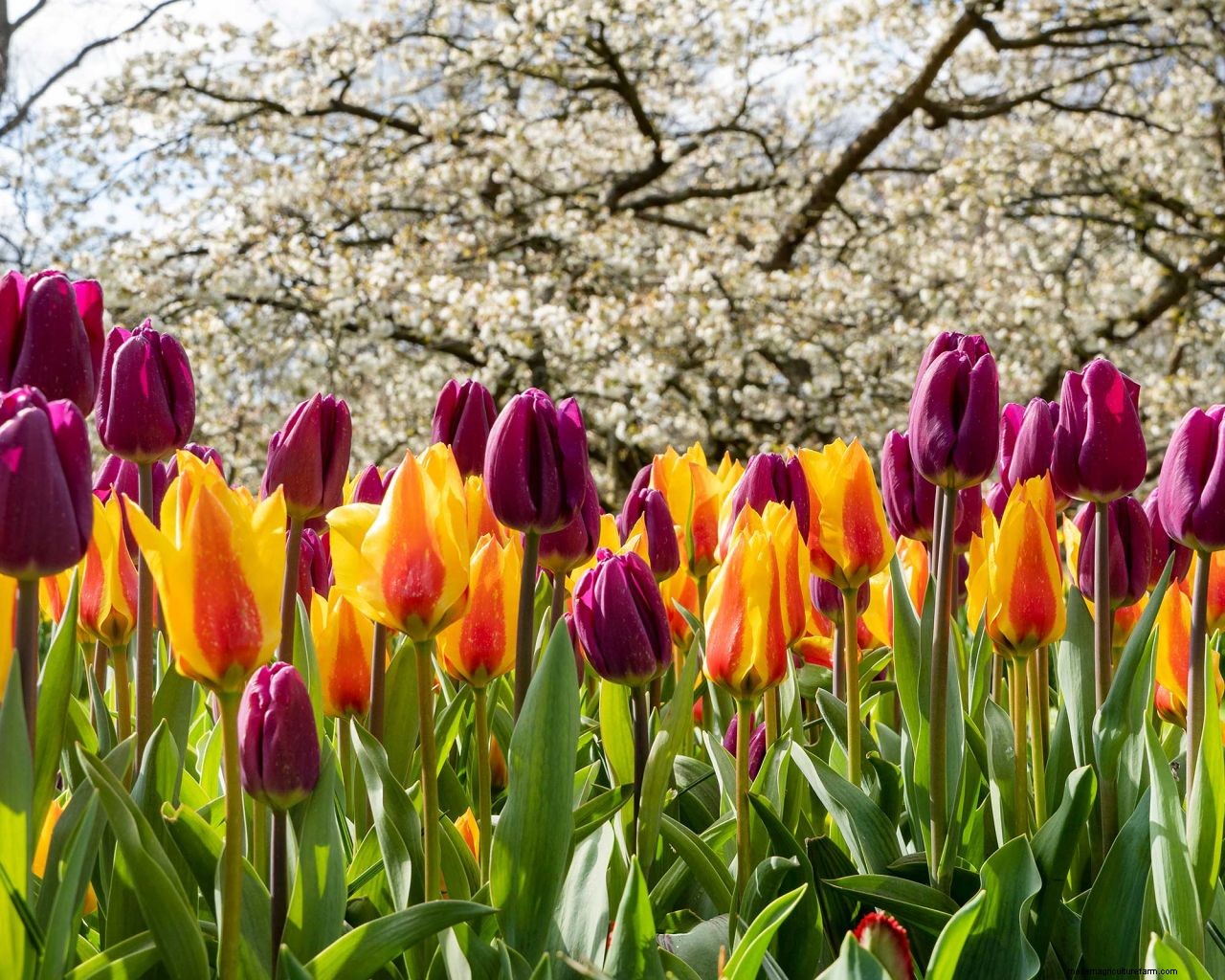
Some tulips flower in early April and some are later to bloom in May, so it is worth checking the packaging to establish exactly when they will appear.
Early bloomers include ‘Foxtrot’, which is a double-flowered delight in candyfloss pink that's great for pots. You could also try 'Orange Emperor', which has large, tangerine-colored petals. Often flowering in March, it's one of the earliest of them all. If you're looking for other early spring flowers, it's worth learning how to plant crocus bulbs, too.
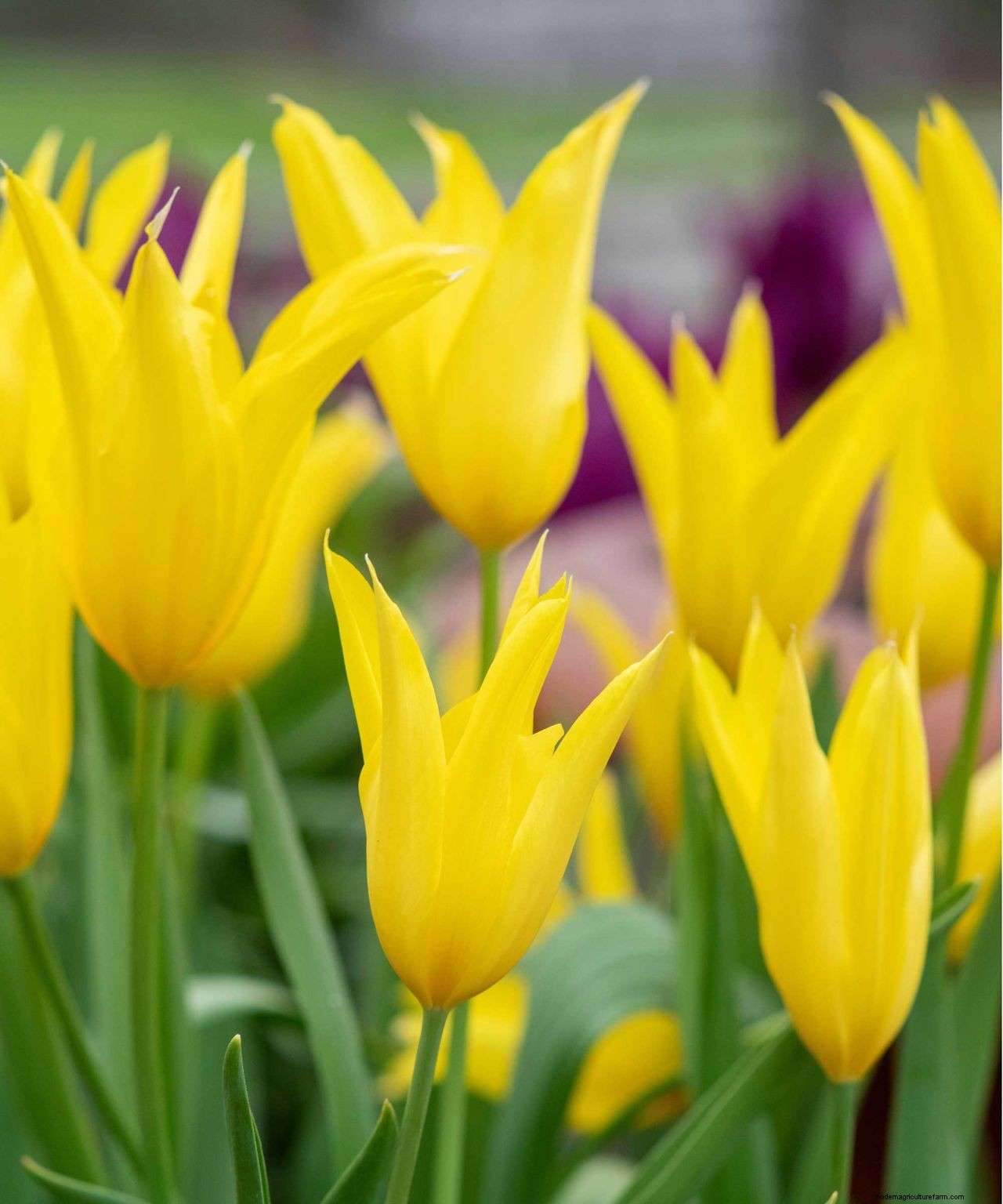
Tulips that bloom later in the season include the graceful, all-white 'Mount Tacoma' (a double bloomer); 'Blue Heron', which has dramatic, fringed petals in a deep purple with paler edges; and 'West Point' – a bright yellow, lily-flowered variety.
If you have squirrels in your garden, add some netting over your planted bulbs until the tulips have sprouted. Dusting the soil with chili flakes will also discourage mice and rats from nibbling the bulbs.
If you're planting your bulbs in pots, you can also discourage slugs from eating your tulips by adding a layer of horticultural grit on top of the soil when you plant them. It looks smart, too.
You can find more tips on how to get rid of squirrels and how to get rid of slugs in our guides.
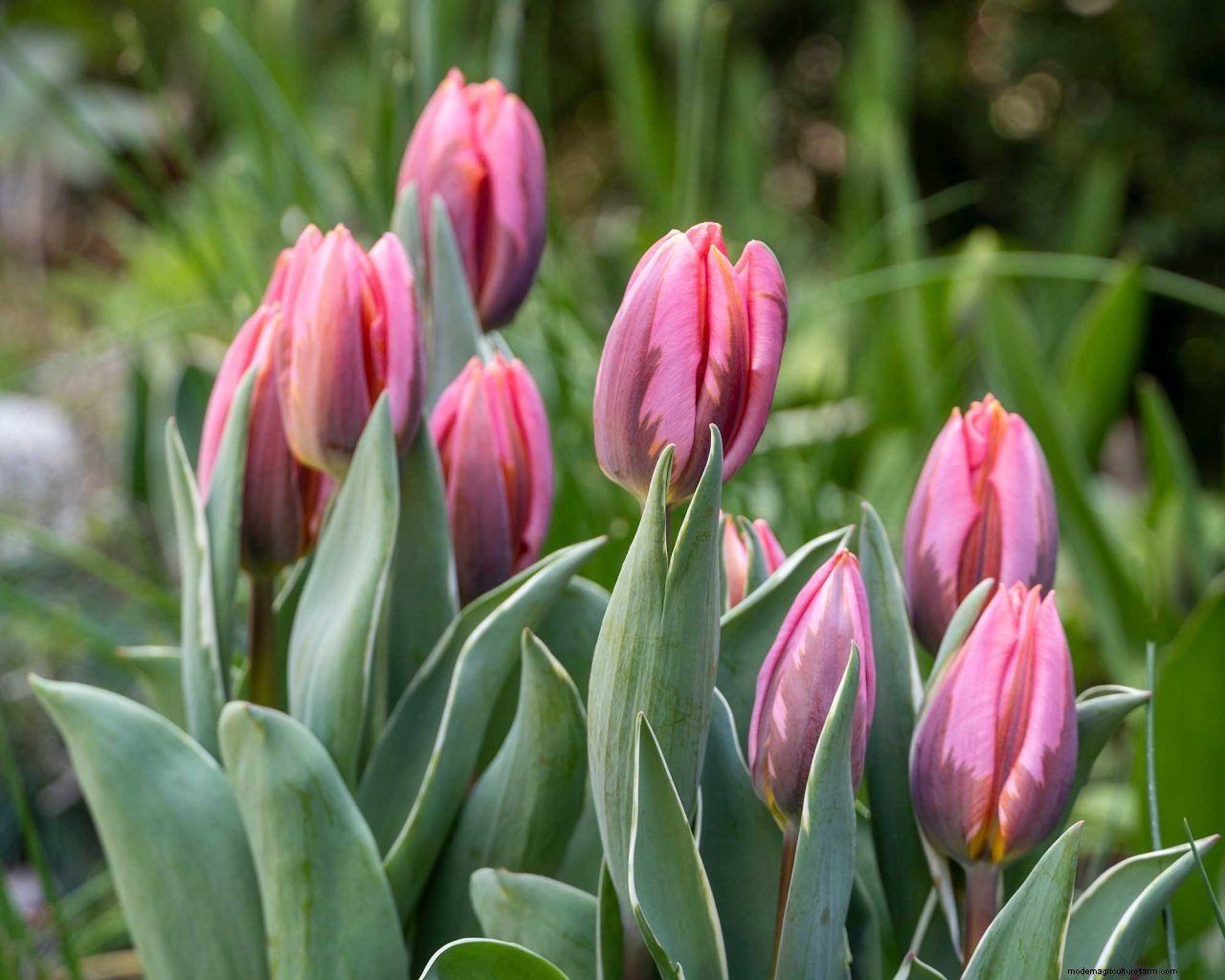
Most people think of hyacinths or daffodils as prime picks for indoor 'forcing'. However, you can try the technique with tulip bulbs, too, for early blooms that'll brighten up your home.
Some varieties are better than others for this; generally the 'Species', 'Early' and 'Triumph' types. The RHS (opens in new tab) recommends trying Single Early 'Apricot Beauty' which has peachy-colored, cup-shaped flowers, or 'Attila', a Triumph tulip in a reddish-purple tone.
Start by buying your bulbs in early autumn and putting them somewhere cold but frost-free for around 12 weeks, such as in a garage or cold frame.
Then, whilst wearing gloves, plant them in pots, adding plenty of grit to the soil. Water lightly, cover with a black bin bag, and put them somewhere dark and cool for six weeks or so. Check on them periodically, watering if the soil feels dry.
When you see green shoots appearing, remove the cover and place them somewhere bright and warm where they will flower after around three weeks.
For a more unique look, you can try growing your tulip bulbs in special 'forcing' vases instead, which don't require compost. Just ensure that the water in the bottom doesn't touch the bulb.
You can find more tips on how to force bulbs indoors in our guide.
Some gardeners choose to soak some of their spring bulbs – particularly anemones – in water for a few hours before planting. However, this isn't really necessary when planting tulips – in fact, it can encourage the bulbs to rot.
If the soil feels dry, you can always lightly water over the area once they're planted, just avoid overdoing it and water-logging the soil.
'Whereas daffodils suit our [UK] climate and naturalize well (return to flower and bulk up year after year), tulips are another story,' says Anne Swithinbank of Amateur Gardening. 'They usually dwindle with perhaps a few flowering again, or they might miss a few years and bloom when they feel like it.
'Dead-heading will help and many gardeners lift bulbs after foliage has died back, dry them out, and next November, plant in good soil for cutting,' Anne continues. We have more information on how to store tulip bulbs in our dedicated guide.
Some gardeners, including expert grower Sarah Raven (opens in new tab), simply leave them in the ground, although generally, the first year's display is always the best. However, 'You might come across good naturalizers,' says Anne. 'For example, our original bulbs of the cultivar "Fontainebleau" have flowered again and again, making decent clumps.'
Whichever method you prefer, the chances are that you will need to top up your tulip bulbs each year to ensure a full and impressive display.
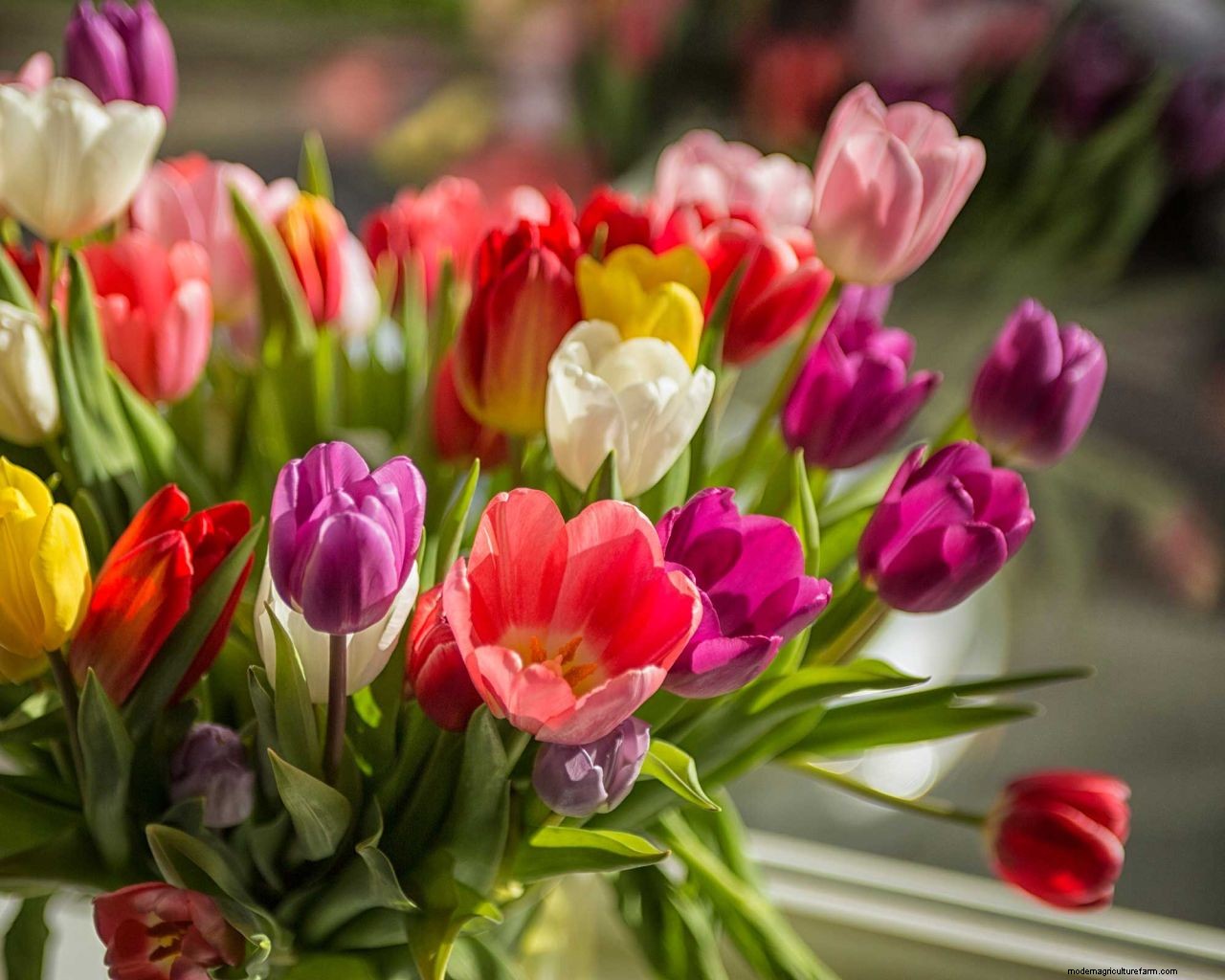
Although tulips make a pretty cut flower, they are prone to flopping. Trim the stems diagonally by 3–5cm (around 1–2in) and put them in water as quickly as you can after cutting from the garden.
Keep them out of direct sunlight and away from radiators. If you want a very straight stem, try wrapping the flowers tightly in a cone of newspaper. Leave in water overnight, and when unwrapped, they should stay upright.
We've got more picks for the best cutting garden flowers in our feature.
Now you know how and when to plant tulip bulbs, you're probably eager to buy some of your own. Whilst they are generally available in garden centers from late summer to autumn, you can also buy them online for extra convenience.
We've rounded up a list of quicklinks to help start your search.
Where to buy tulip bulbs in the UK:
Where to buy tulip bulbs in the US:


