
Welcome to Modern Agriculture!

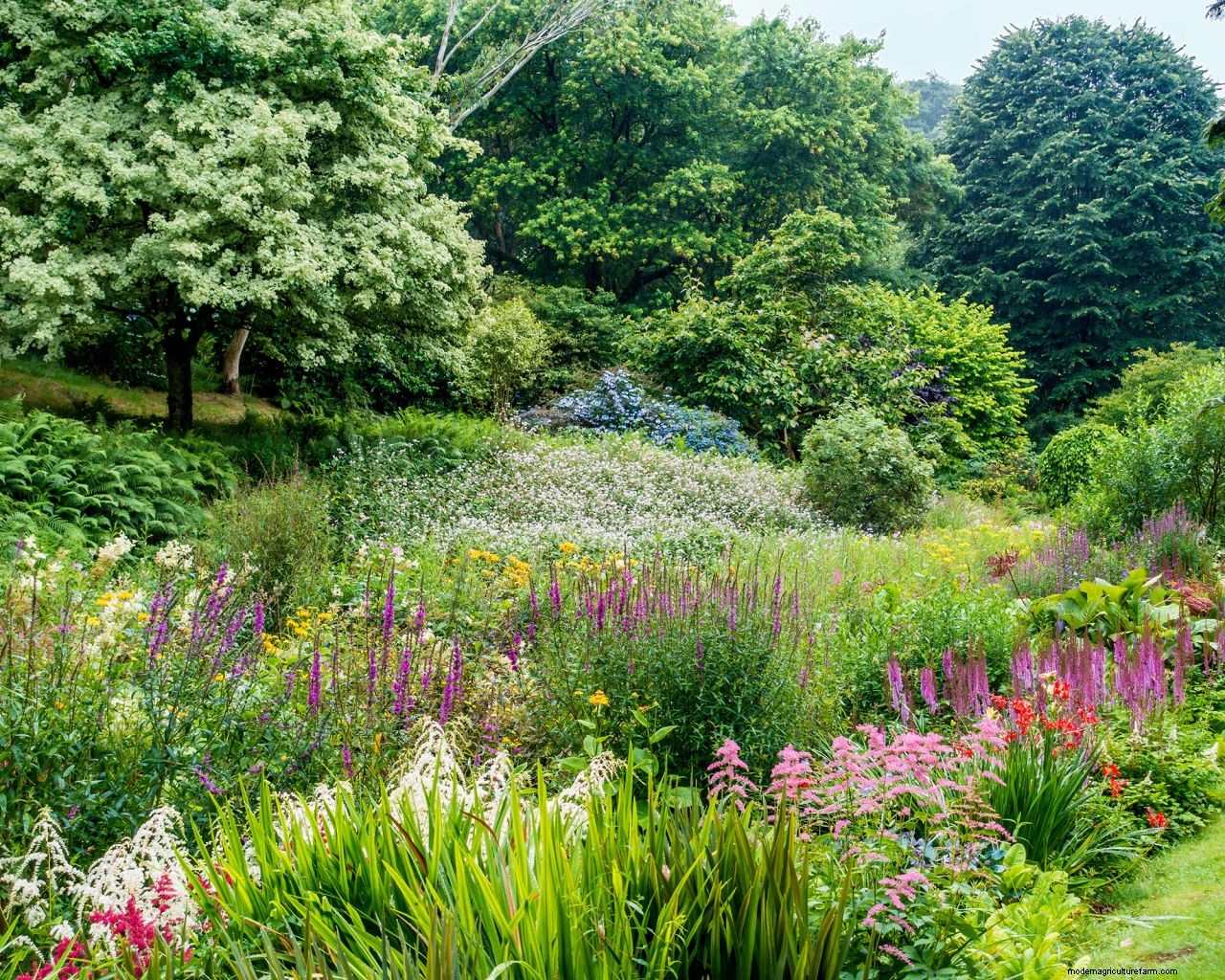
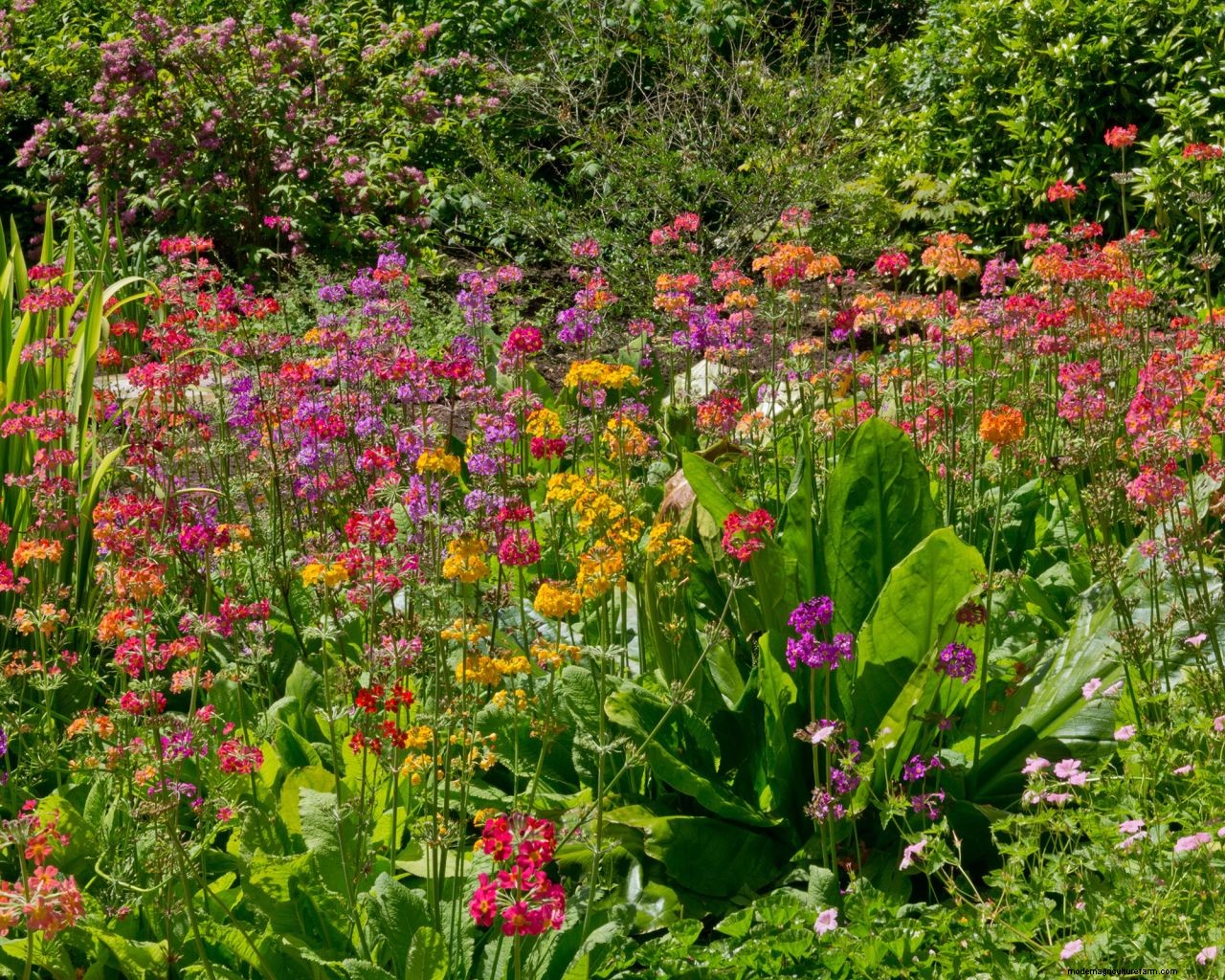
The lush, verdant foliage and bold flowers of moisture-loving plants give bog gardens a unique look that injects the garden with color and excitement. Planted in the right conditions, a bog border will attract a variety of wildlife, including beautiful damselflies and dragonflies, and a wealth of insects for birds. It also introduces a wide range of plants that you might not have grown before, including fabulous Asiatic primulas, which bloom in vivid colors during late spring and early summer.
One of the best examples of a beautiful bog is found at RHS Harlow Carr in North Yorkshire. Carr is the old Norse word for boggy place, and the iconic Streamside Garden is planted in the moist clay banks of a natural beck. As well as vibrant pink, orange, yellow, and purple primulas, the garden is a dense carpet of wonderful foliage (such as ferns, gunneras, and hostas) dotted with blue splashes of Himalayan poppies and the bright plumes of astilbes.
Recreate this waterside lushness in your own plot by constructing a bog border as part of your garden pond ideas this season.
A bog garden is an area with very damp soil, where moisture-loving plants thrive. This may exist already in your garden, if water flows through it. It’s also possible to create a bog garden, and the side of an existing pond is the ideal spot because water from the pond can seep into the adjacent border, creating a manmade bog.
Creating a small bog bed is the easiest option because larger areas require hard landscaping ideas (such as a boardwalk) to allow access. Many bog plants bloom in mid spring, which can be a flowering lull, making a bog bed a great addition if your garden lacks color at that time of year.
In her book The Damp Garden, the late gardener Beth Chatto (opens in new tab) wrote: 'If damp gardening sounds like hard work I can assure you that, unless nature provides for you, initially it is. Both the careful preparation of the site and the subsequent management of the soil (ideally suited for the germination of weeds) require considerable effort, followed by skilful planting. But when it is successful I think it is possibly one of the most beautiful forms of gardening.'
The Water Garden (including bog beds) that she created at her iconic gardens in Essex involved adjusting the soil to resolve waterlogging and compacted layers. Bog plants relish dampness, but insist upon a modicum of drainage.
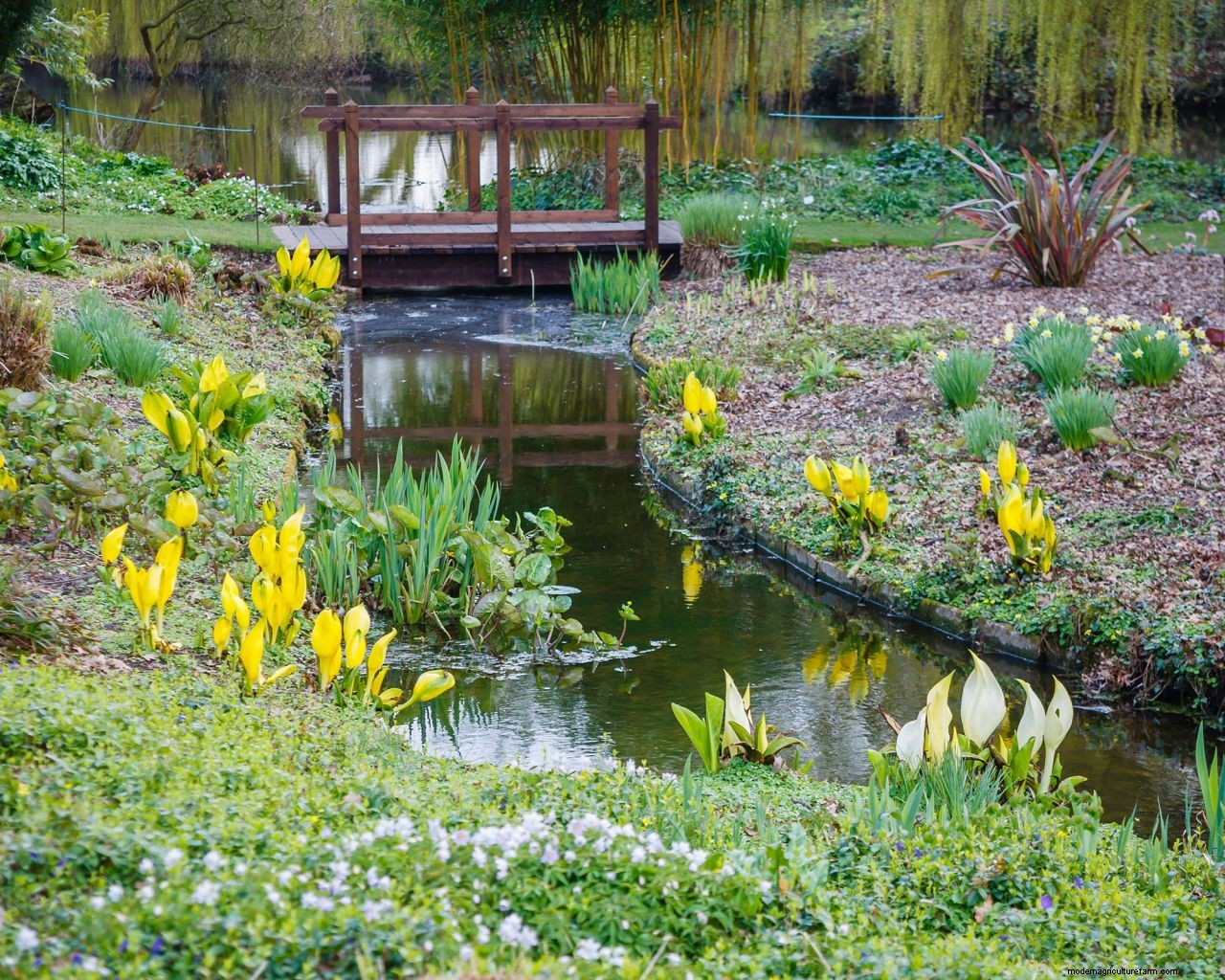
Late winter and early spring are the ideal time to create a bog garden. ‘In late winter and early spring, the plants are ready to start into new growth and will be putting down new roots,’ says Paul Cook, Curator at RHS Harlow Carr (opens in new tab) in North Yorkshire. ‘The rising soil temperature will help them establish.’
Putting plants in during spring also means the new bog garden will be ready for wildlife emerging from their winter rest, ready to make a home in the leafy paradise you’ve just planted for them.
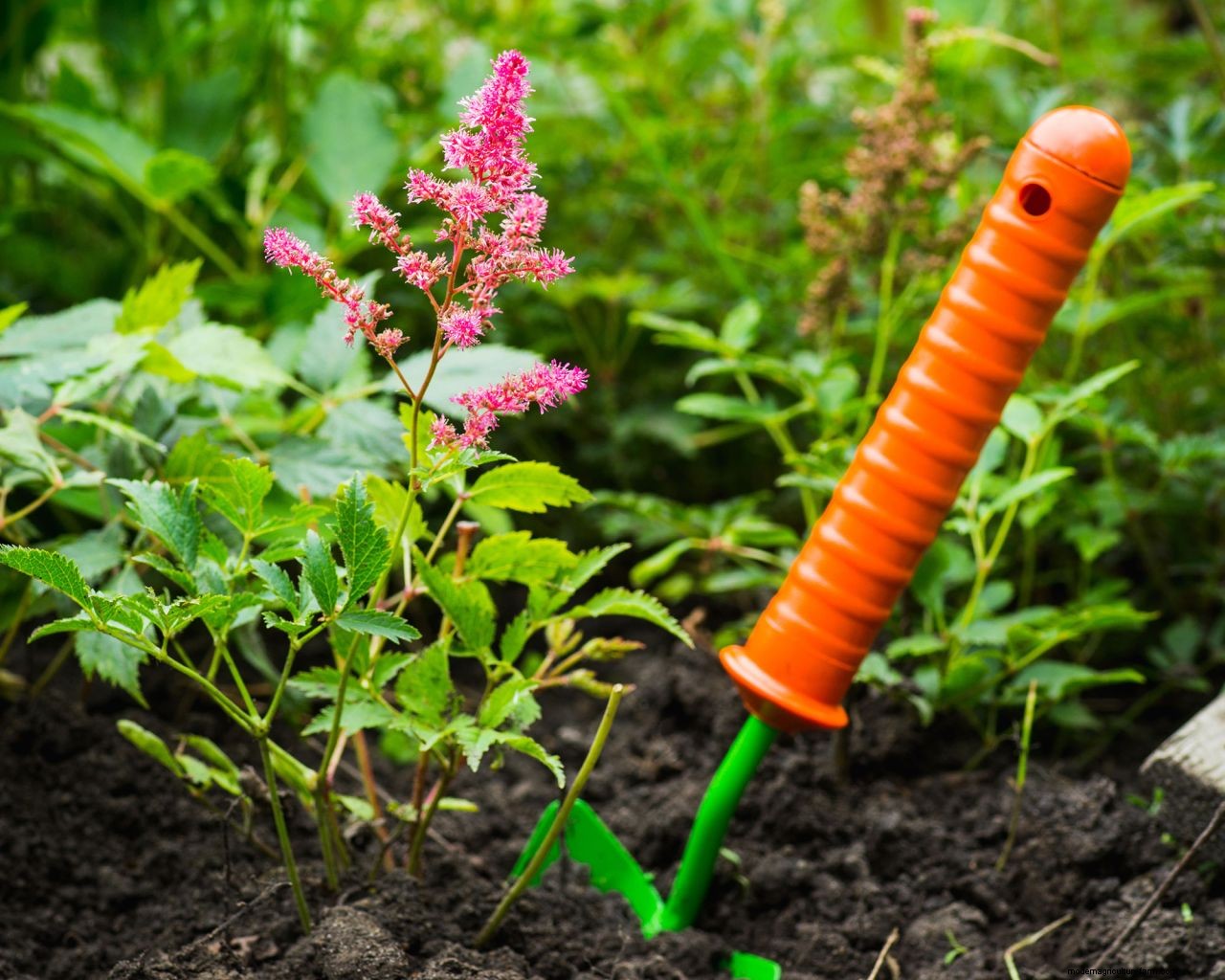
A sunny spot is required, since many bog plants like sunshine, and dragonflies (who love to sunbathe) are much more likely to feed and breed there.
The easiest site is alongside an existing water feature such as a pond or stream because the water can be fed into the bog border to keep it moist. However, it is possible to create a stand-alone bog garden without an adjacent water feature, as long as you’re prepared to install irrigation.
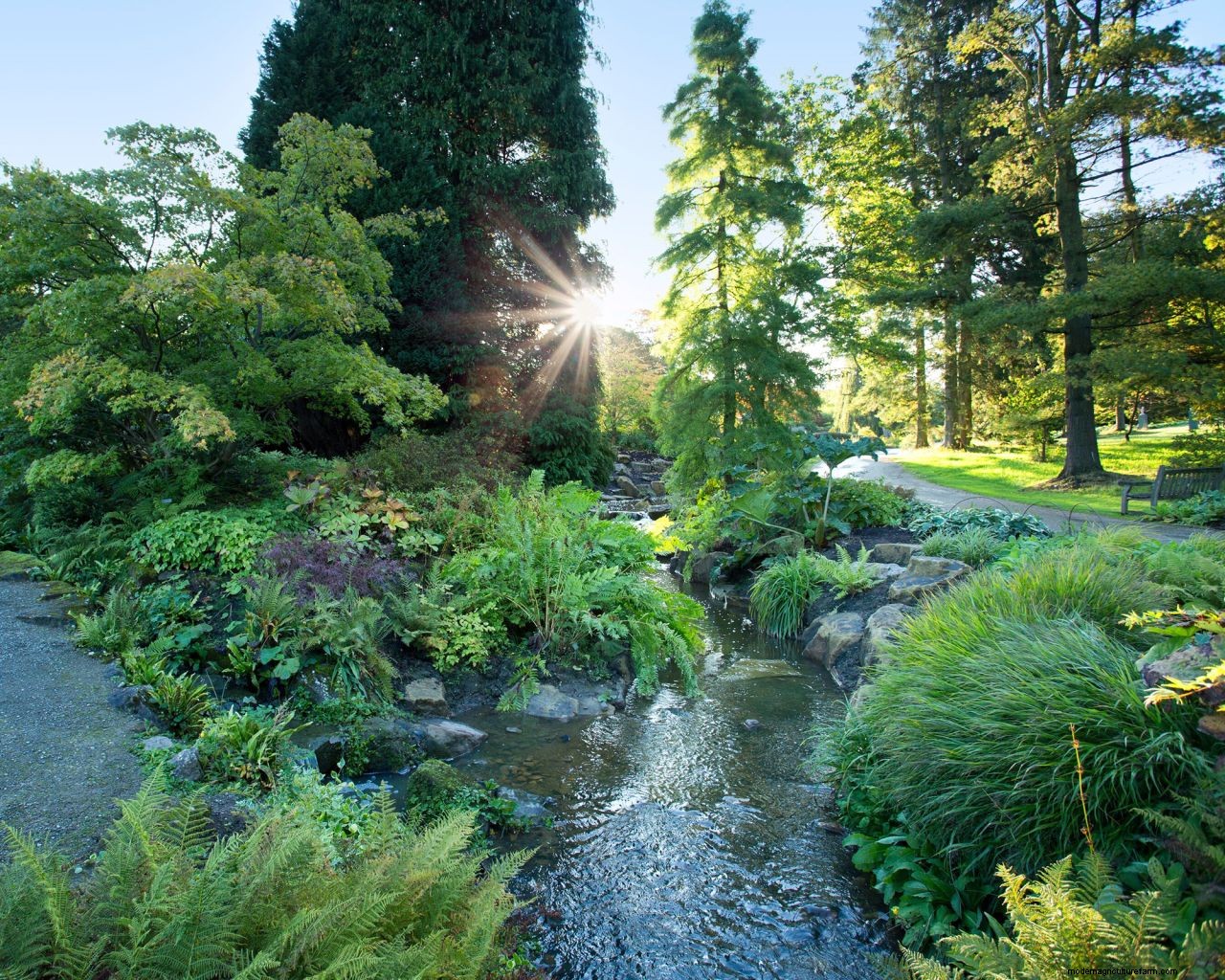
Yes! Bog plants relish dampness, but insist upon drainage. Without it, the plants will suffer and the border will start to smell stagnant.
Before you embark upon a new pondside border, you should spend time observing and investigating the site to understand its specific conditions. Does water collect in puddles that don’t drain away? Does the wet soil have an unpleasant smell? If so, waterlogging is probably an issue.
Dig down deep into the soil to see what’s there. You may discover a solid layer that requires a machine digger. But if the soil isn’t compacted, you can get away with just forking in organic matter (such as compost) and grit, without the need for machinery.
Alternatively, if your soil type is particularly dry, steps can be taken to boost moisture by digging in organic matter (such as compost). This groundwork can be tiresome, but further down the line, when your bog garden is a riot of cheering color, it will be worth it.
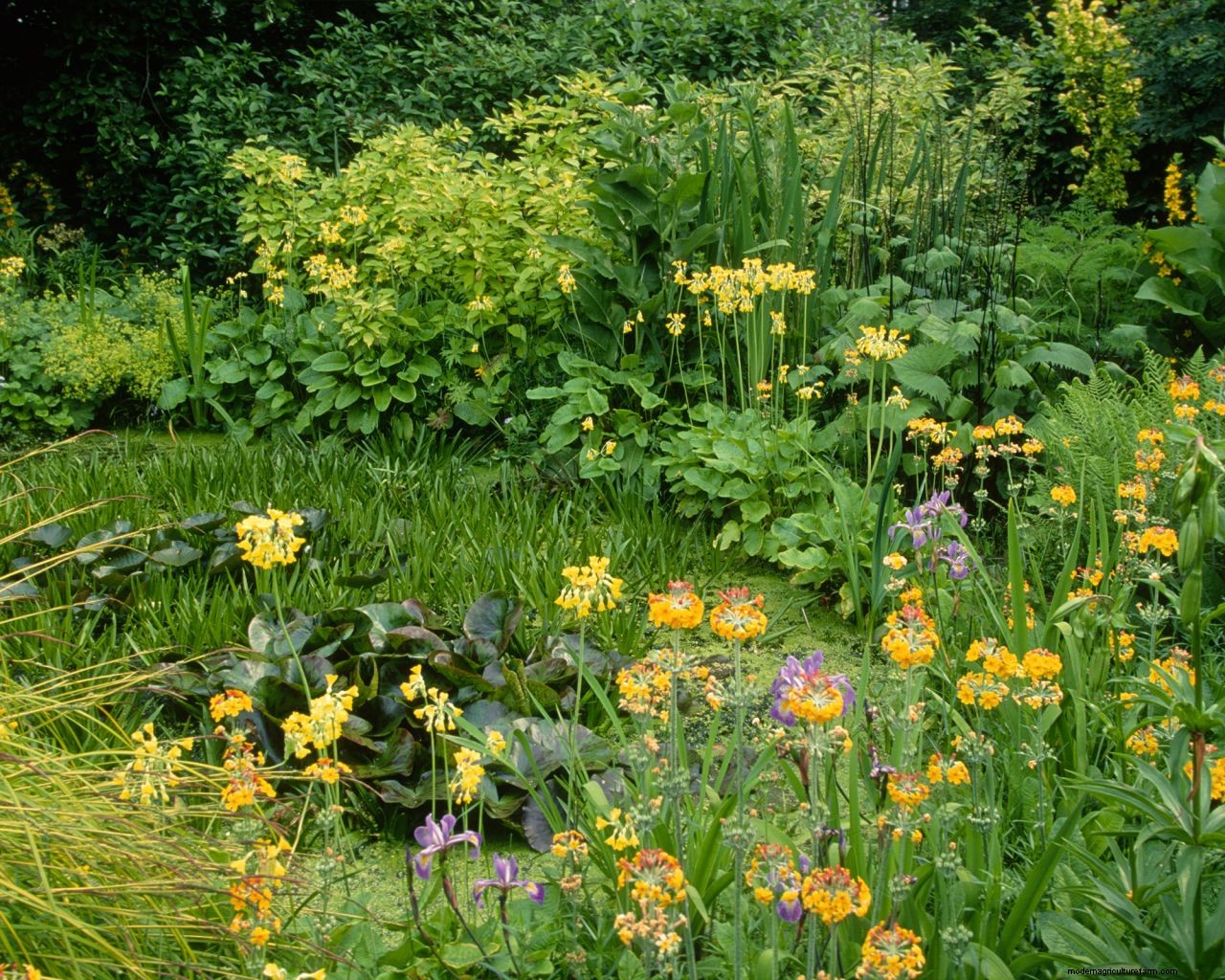
Feeling inspired to create a bog garden in your own plot? Our step-by-step advice explains how to create one from scratch.
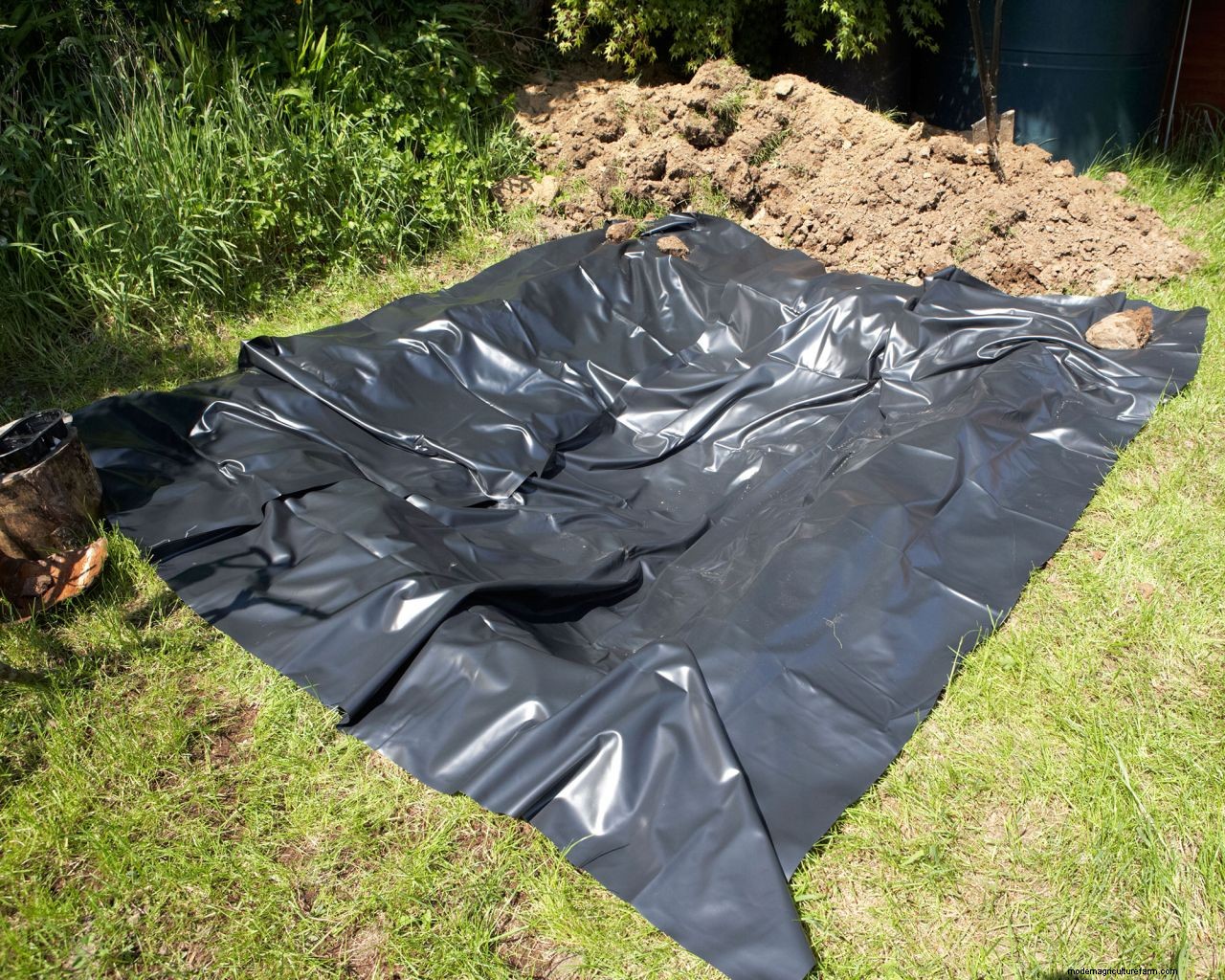
A leaky pipe is a garden hose pierced with holes that can be placed in the bottom of a bog garden if it is not adjacent to a pond or if you live in an area where the summers are hot and dry.
The end of the pipe or hose needs to be on the surface, so you can pour water into it. ‘Using rain water or diverting rain water into the bog garden will help,’ says Paul Cook, ‘and there are some ingenious examples where downspouts from sheds have been used to fill water butts and the water butt then slowly feeds into a leaky pipe that trickles into the garden area to keep it moist.’
Well-drained, nutritious soil is best for bog gardens. ‘Most ordinary garden soil can be used, if it is enriched with some organic matter, such as homemade garden compost, leaf mould, or council waste,’ says David Ward. ‘There is absolutely no need to use peat!’
The addition of organic matter not only boosts the nutrient content, it also boosts water retention and drainage, meaning there are lots of reasons to start composting at home so you have plenty to use in your bog garden.
Only when absolutely necessary as it's very easy to compact the soil, which is not good for the plants.
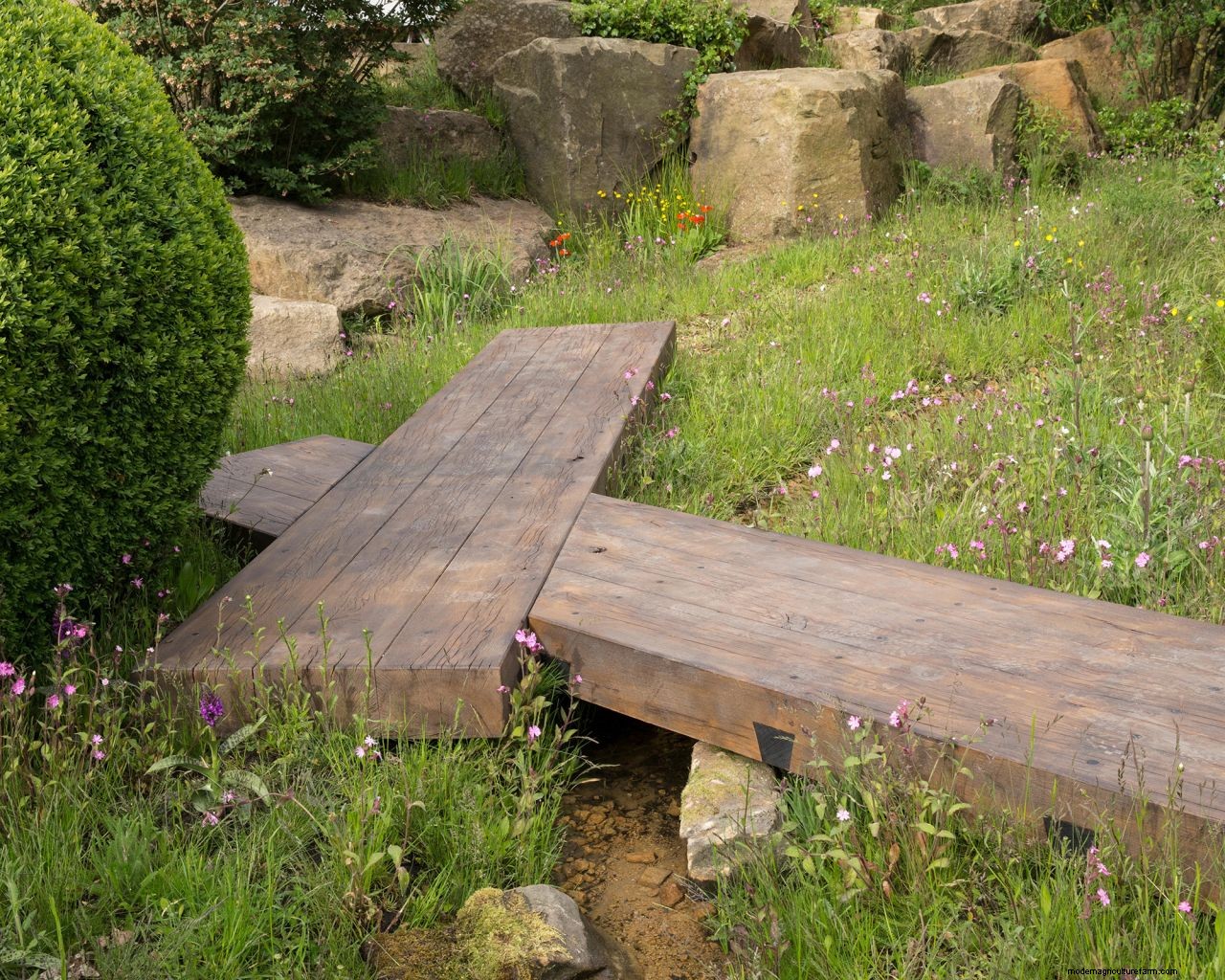
The best option is to incorporate some attractive stepping stones ideas into your scheme, so that you can move around easily, and in a larger bog garden, consider installing some decking ideas in the form of a boardwalk.
Avoid working in the bog borders after or during wet weather, and when you do head in, lay down planks or boards of wood (as you might in the vegetable patch) because they will spread your weight out.
Venturing along such planks with a walking stick is helpful to those of us who are rather uncoordinated and therefore prone to losing balance and tumbling into the bog.
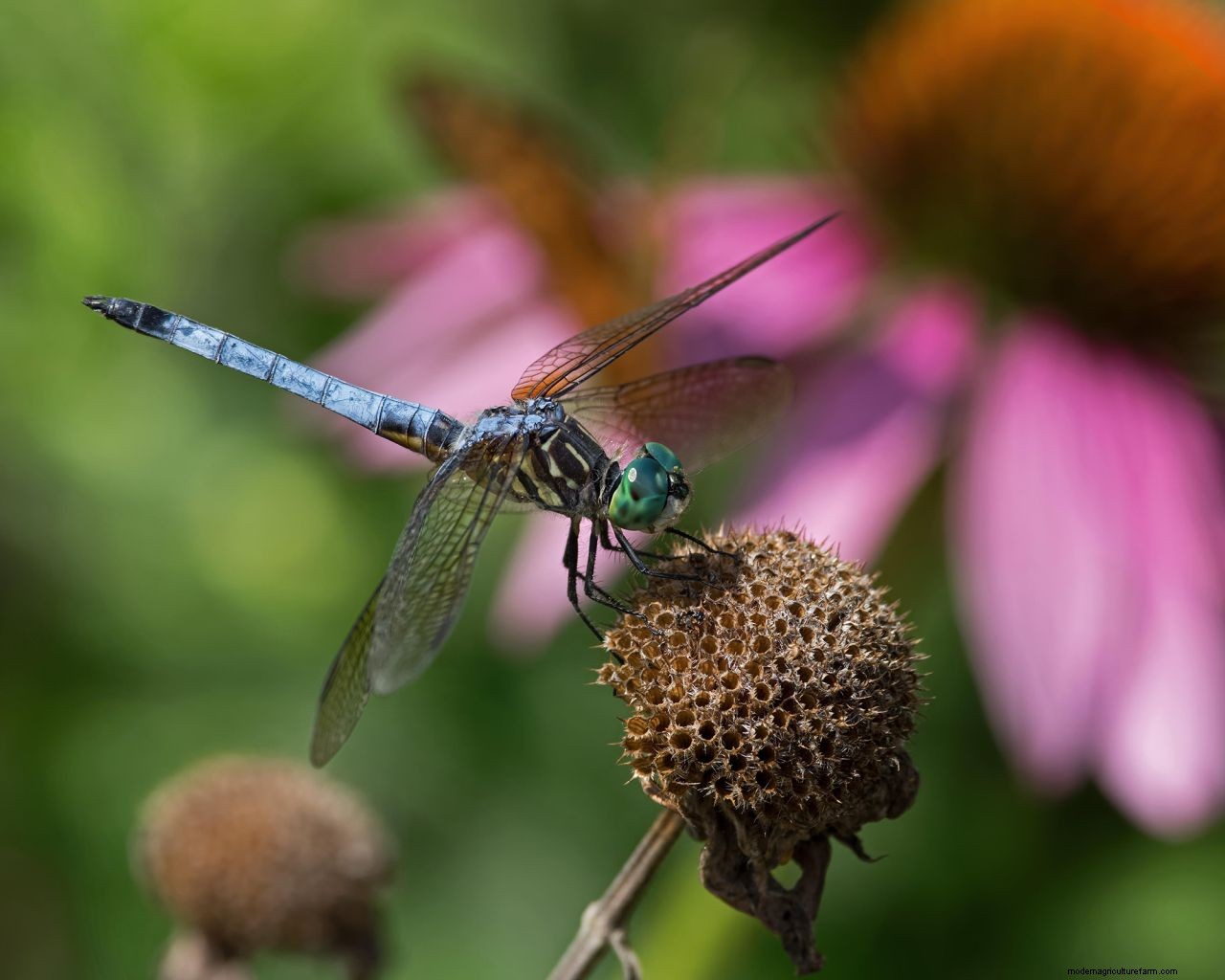
Wildlife ponds are a wonderful addition to any plot, and a bog garden can further boost their benefits. The stars of the show will be dragonflies and damselflies, who add some enchantment to the garden when they dart around catching insects in the summer sun.
’By creating a bog garden, you are adding a different habitat to your garden, which will attract a more diverse range of wildlife,’ says David Ward. ‘If you want dragonflies, remember that they are predators, so grow as many insect-attracting plants as possible, such as lythrum, echinacea, rudbeckia, and persicaria. Most insects love the sun, so bear this in mind when positioning your bog garden, and include flat rocks and logs for basking.’
Why not think about including some wildlife pond edging ideas in your plans too?
Yes, as long as the trough, tub, or planter does not have very good drainage. It must have some drainage holes, however, otherwise the plants will not thrive, and it will start to smell! It must be watered regularly to ensure it never dries out, especially in a heatwave.
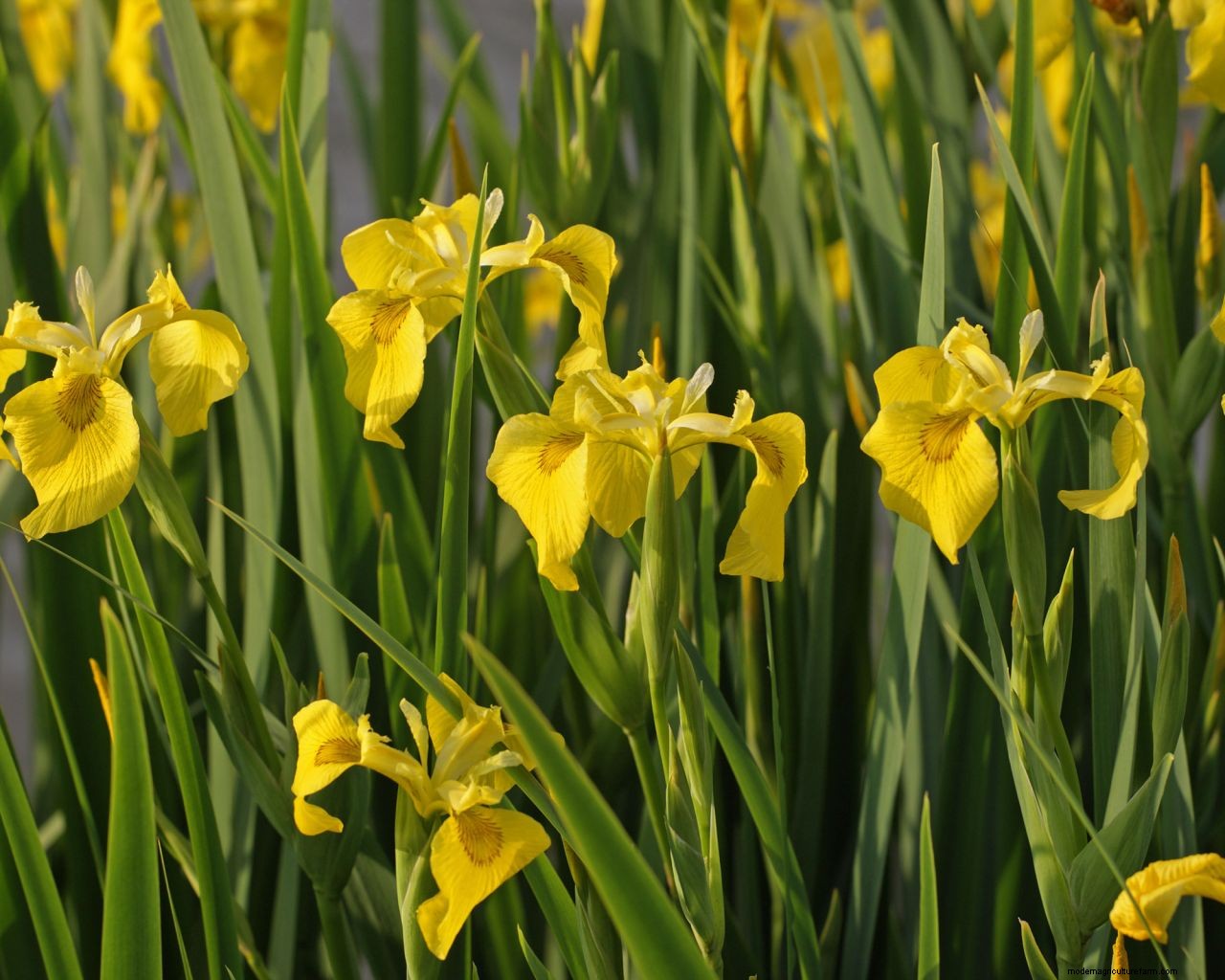
Colorful moisture-loving plants, such as lobelia and astilbe, look great mixed together or try an elegant planter of white arum lilies for a container gardening idea with a difference.
Creating a water feature in a container can be a brilliant budget pond idea too.


