
Welcome to Modern Agriculture!

Growing mushrooms at home has become popular, and it’s easy to see why. But is it easy to grow your own mushrooms at home? The answer is yes!
Mushrooms produce a high yield and can grow in small spaces, making them one of the easiest and most lucrative crops for even beginner growers.
There are many types of mushrooms that can be grown at home, and some species are easier to grow than others.
On top of that, there are also a few growing methods that are so easy they require very little effort (or expertise) at all. Today, we’re sharing our advice on the easiest mushrooms to grow. Let’s dive in!
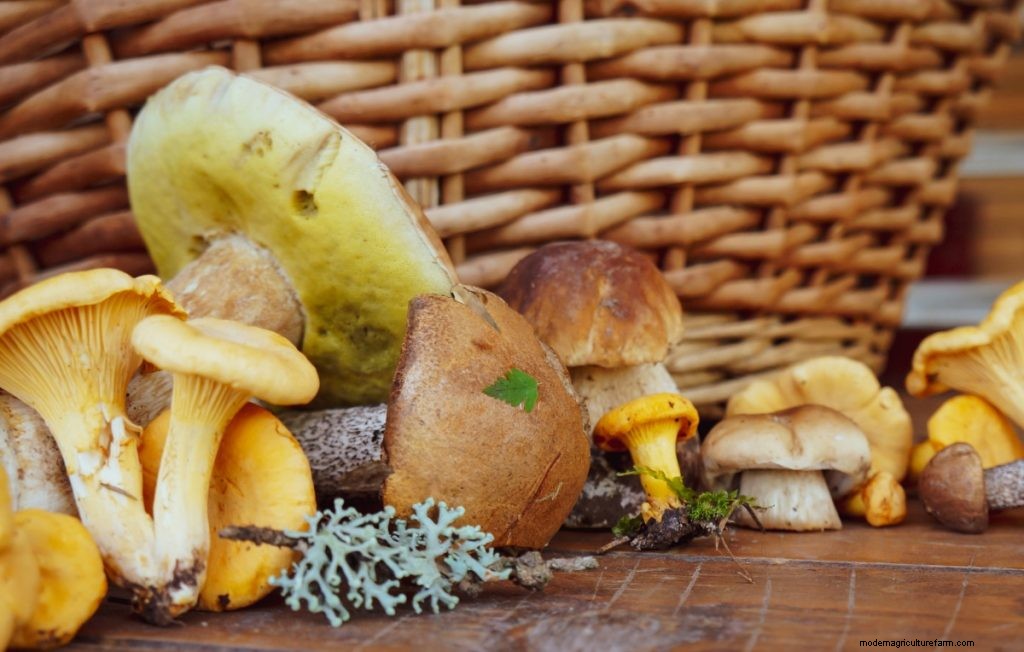
It’s easy to fall down a mycology rabbit hole, but the truth is that mushrooms can even be grown by beginners.
There’s no need to feel intimidated by unfamiliar techniques or terminology (inoculating substrates, anyone?). Getting started with mushrooms is far more fun than you might think.
Whether you’re in a house or an apartment, there’s enough space in any home to grow mushrooms.
You can grow mushrooms in your own home by creating a Low Tech Mushroom Farm or by growing them in outdoor garden beds, depending on the variety.
Mushrooms grow quickly and densely, and with relatively little effort required to tend to them.
Let’s say you have about 32 feet (10 metres) to dedicate to your mushroom setup and around 10 hours of spare time to spend farming. You could yield at least 22lbs (10kg) of oyster mushrooms every single week.
You could be growing a load of mushrooms in the amount of time most people spend watching TV each week!
The easiest mushrooms to grow are:
Let’s take a look at what makes these mushrooms so easy to grow:
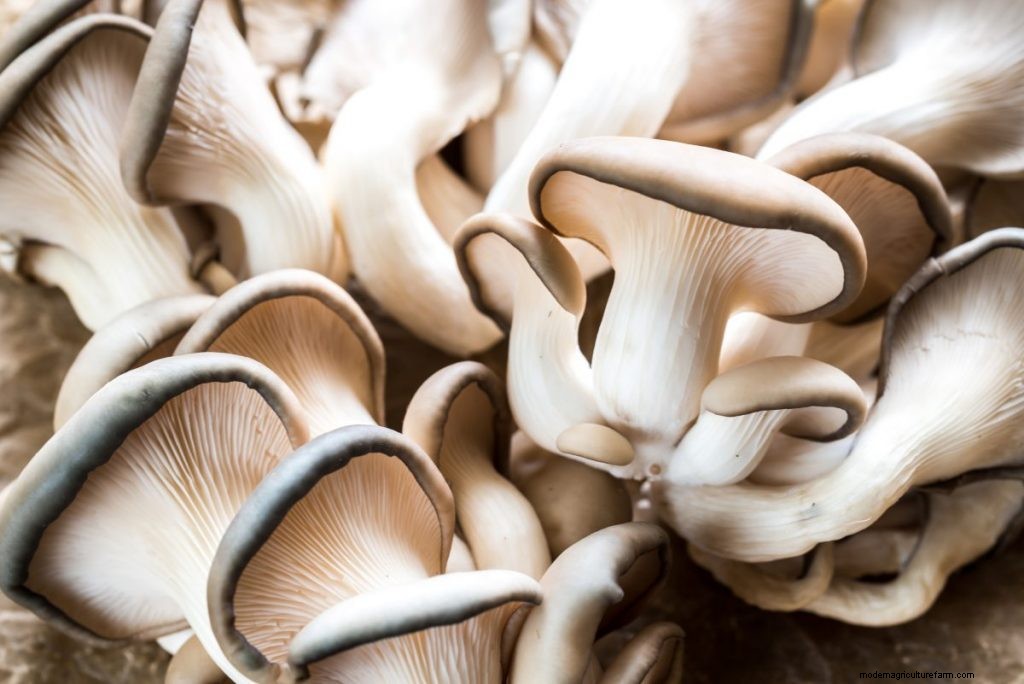
Oyster mushrooms are by far the best mushrooms to grow at home for beginners. They come in many varieties, including pearl oysters, king oysters, and strikingly colorful pink, blue, and golden oysters.
(They’re also the variety you can grow using our GroCycle Mushroom Kit!)
Oyster mushrooms are the easiest mushrooms to grow since they love all different types of substrates, including coffee grounds, which you can usually source for free from a local cafe.
They also grow incredibly fast with very little effort required on your part and are very hardy against competing microorganisms, such as blue or green mould.
Because they’re so hardy, you can have some fun and try growing oyster mushrooms on a book.
Some of the benefits of the oyster mushroom include:
The ideal growing conditions for oyster mushrooms are as follows:
If you’re in the UK, you can pick up some Oyster mushroom spawn in our shop.
Check out our article about how to grow Oyster mushrooms for an in-depth growing guide.
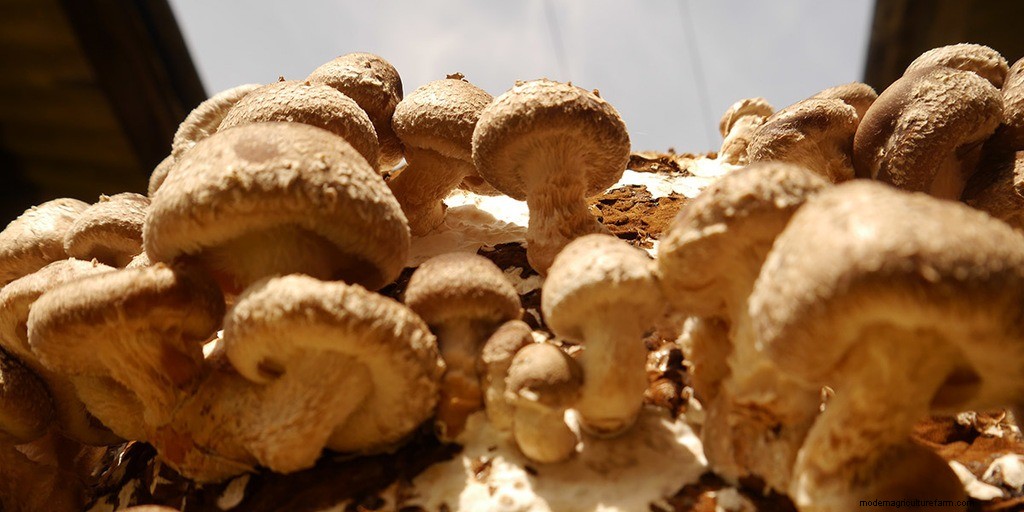
Shiitake mushrooms are traditionally very popular in Asian cuisine and have become increasingly common now all over the world due to their delicious taste and long shelf life.
They’re also considered to be medicinal mushrooms and have been used in traditional Chinese medicine for thousands of years.
Shiitake mushrooms are easy to grow thanks to their ability to be grown both indoors and outdoors, making them ideal for different set-ups.
If you have room outdoors, they can be grown on logs kept in a shady place and will continue to fruit for years after their first flush. This method is the easiest way to grow shiitake mushrooms.
Shiitake is most commonly grown on sterilized supplemented sawdust when grown indoors, however there are some Shiitake strains that can also be grown on pasteurized straw, which is the easiest method for beginners growing Shiitake indoors.
Some of the benefits of the shiitake mushroom include:
The ideal growing conditions for shiitake mushrooms are as follows:
If you’re in the UK, you can pick up some Shiitake spawn in our shop.
Check out our in-depth guide on Growing Shiitake Mushrooms for more info.
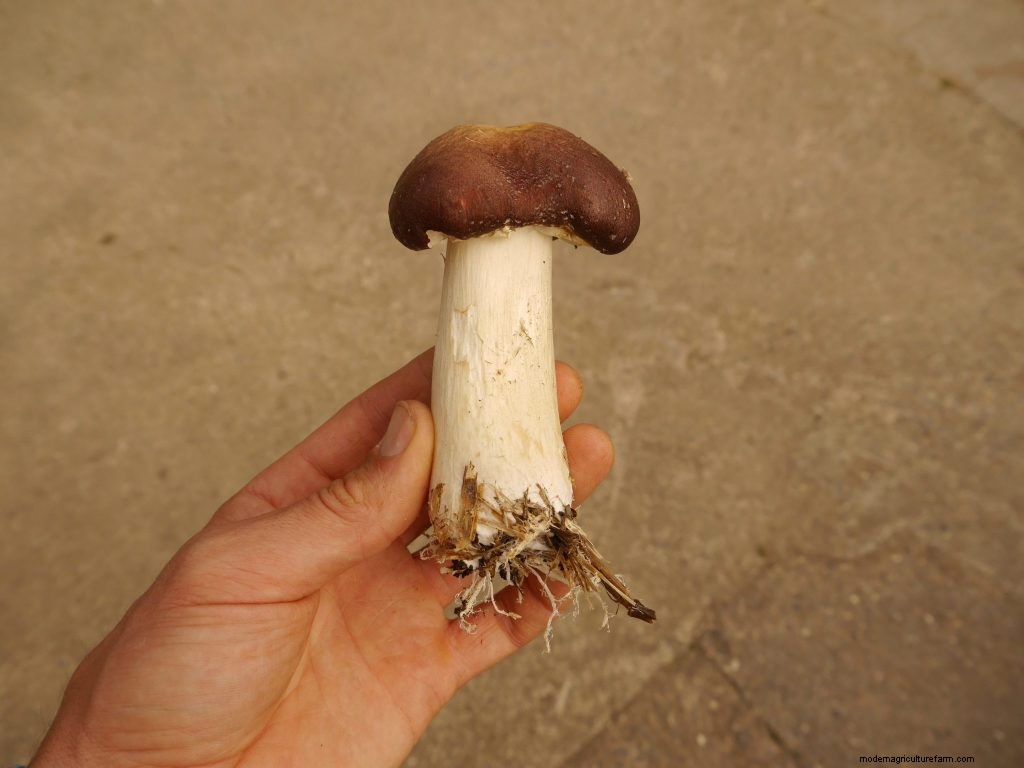
Unlike tree mushrooms like oysters, wine caps grow in the ground. This makes them ideal for growing in well composted outdoor garden beds.
Also know as King Stropharia or the garden giant, they’re commonly used in permaculture systems as they rapidly break down organic matter and kill soil-based pathogens in garden beds.
Wine cap mushrooms are easy to grow thanks to their hardy love of the outdoors.
They spread fast and are aggressive growers, so you’ll get a big return on your growing efforts.
They will grow on a wide range of substrates, including wood chips, sawdust, straw, and leaf litter which makes them perfect for creating a bed in your garden made with a range of different substrate materials.
Some of the benefits of the wine cap mushroom include:
The ideal growing conditions for wine cap mushrooms are as follows:
If you’re in the UK, you can pick up some King stropharia spawn in our shop.
Check out our guide on growing Wine cap mushrooms in outdoor mushroom beds for more info.
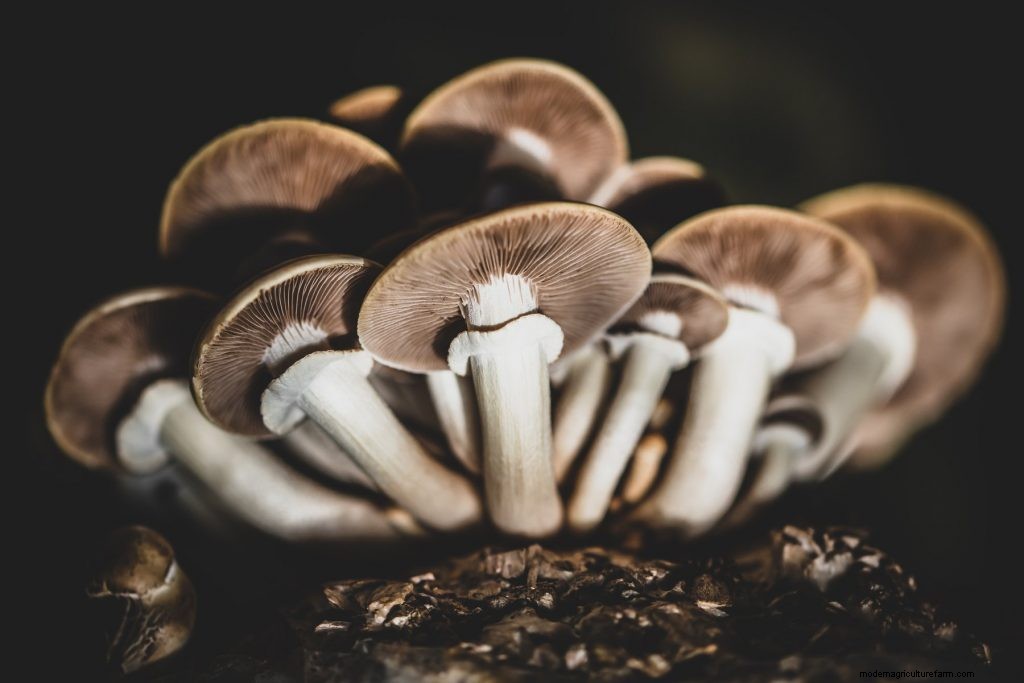
Also known as the black poplar mushroom, Pioppino is fast becoming a popular mushroom to grow due to the unique shape and texture, which has made it a popular variety with chefs.
It is native to southern Europe where is often foraged in the wild and found growing close to poplar trees.
Pioppino mushrooms are easy to grow thanks to the fact that they can be grown on pasteurized straw indoors or in wood chip or straw outdoor mushroom beds.
If growing indoors, you’ll get best results in lower temperatures below 15C (59F) and high humidity. As this can be a little more difficult to create without a dedicated controlled growing environment, we recommend the easiest way to grow Pioppino is in outdoor beds made of wood chip or straw.
When grown like this, you can just inoculated a bed or patch with Pioppino spawn and wait for it to fruit in the autumn when conditions are optimal.
Some of the benefits of the Pioppino mushroom include:
The ideal growing conditions for Pioppino mushrooms are as follows:
If you’re in the UK, you can pick up some Piopinno grain spawn in our shop.
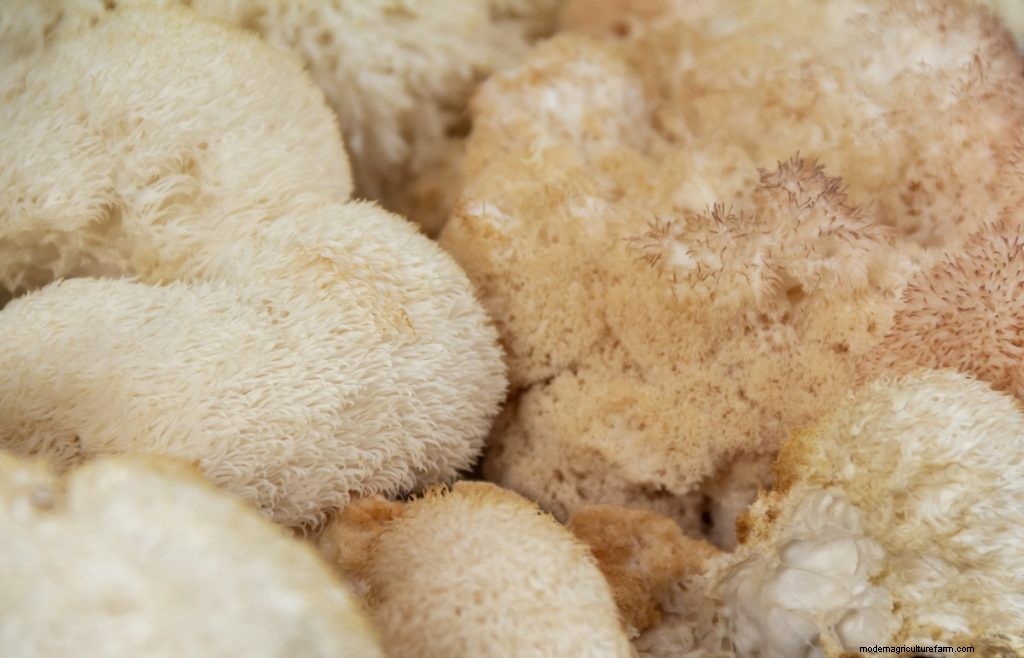
It’s no secret where this mushroom got its name—the fruit looks just like a shaggy lion’s mane!
The Lion’s Mane mushroom has skyrocketed in popularity in recent years thanks to its health properties. It’s an adaptogen often used to boost cognitive abilities.
Lion’s mane is one of the easiest mushrooms to grow thanks to its ability to grow fast and fruit easily without being too fussy.
It grows large round individual mushrooms out of small holes cut in the growing bag and it does well at room temperature, which reduces the need for vigilant temperature control.
Some of the benefits of Lion’s Mane mushrooms include:
The ideal growing conditions for Lion’s Mane are as follows:
We’re going to focus on the easiest options for choosing and growing mushrooms, because why make more work for yourself than you have to?
There are many possibilities for your Low Tech Mushroom Farm, and there’s bound to be one to suit your space. Yes, even in an apartment!
We go over the different options in this guide on How To Set Up A Low Tech Mushroom Farm. Here are a few ideas:
You can even get creative with what you grow them in, like a converted bookshelf, a repurposed bucket, or an old laundry basket! The mushrooms listed in this guide can be grown in bags, on logs, in a regular garden bed, or even in jars, depending on the type.
Take a look at different fruiting chambers in this guide on How to Build a Mushroom Fruiting Chamber: 7 Steps.
What you need to grow mushrooms will depend on the method and mushrooms you choose.
Generally, you’ll want to get your hands on the following supplies:
Don’t forget to consider the different conditions you’ll need, such as light, temperature, and humidity.
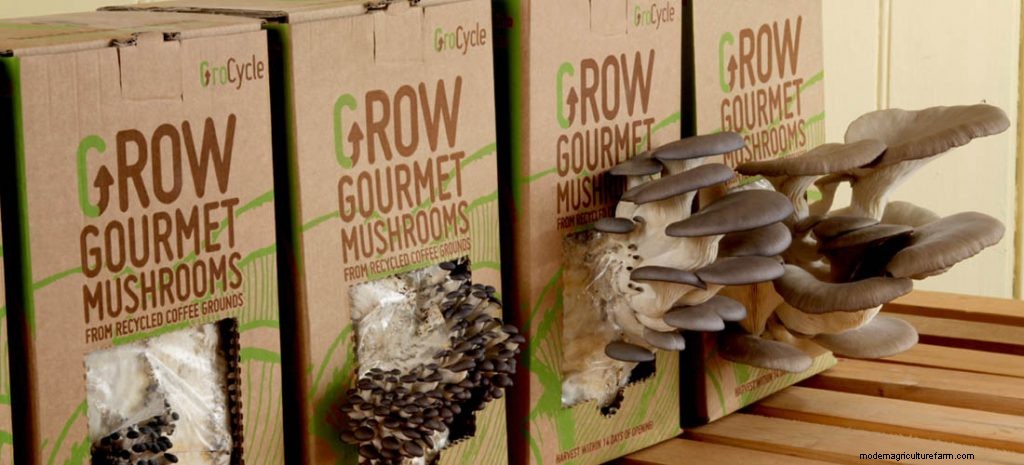
The easiest way to grow mushrooms is using a ready-to-grow mushroom kit. These don’t require any extra supplies or special place, as they’re pre-inoculated and ready to fruit.
Plus, they can live right on your kitchen bench!
If you’re feeling a little more confident, you can try another easy method: growing oyster mushrooms on pellets made from straw or sawdust.
You will need:
Ready to get started? Here’s what you’ll need to do:
Watch our video on the easiest way to grow mushrooms at home for a practical demonstration:
The mushroom growing process involves tending to the life cycle of a mushroom from spawn to fruit.

To make things easier, you can buy spawn rather than trying to produce it yourself. This means you simply have to fill your bags or bed with inoculated substrate, cut air slits, water accordingly, and harvest the mushrooms as they fruit.
The easiest mushrooms to grow that are also the most profitable are shiitake and oyster.
While you may feel tempted to grow more valuable and challenging varieties, you have to understand that these will require more time and resources.
You might make more money at the market, but ultimately lose money due to the extra time and resources required to produce them.
Make sure to look into the demand for certain mushroom varieties in your area. Is there a demand for the mushrooms you want to sell?
Better yet, is there a gap in the market for a certain kind of mushroom?
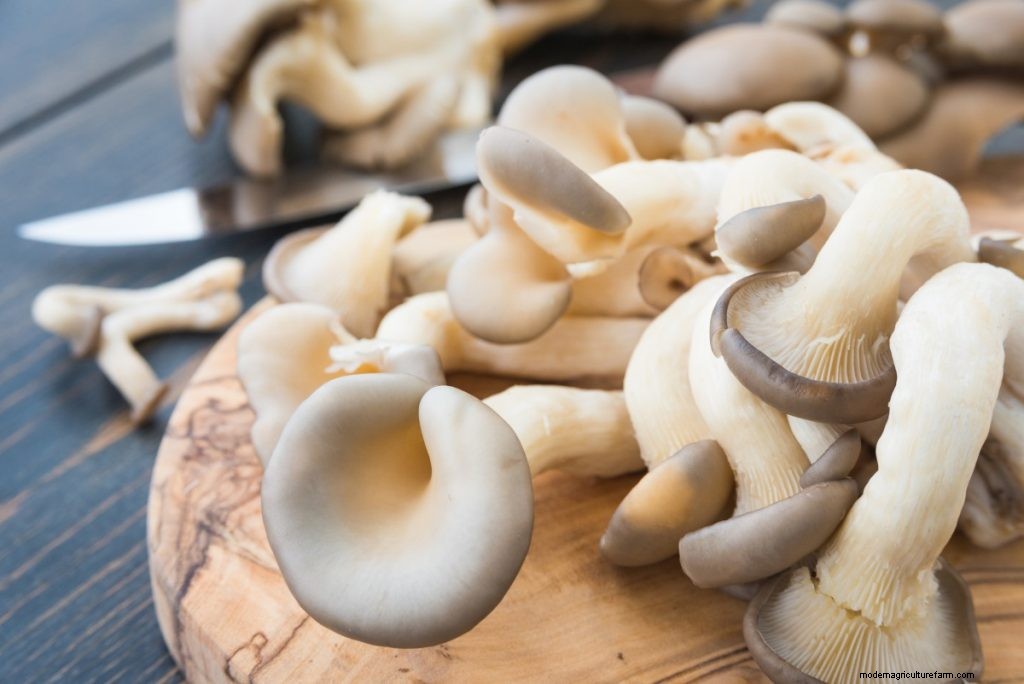
The fastest-growing mushrooms are oyster mushrooms.
Substrate bags will become fully colonised by mycelium in just 10-14 days.
Oyster mushrooms will then be ready to harvest 7 days after fruiting.
And once harvested, new crops will appear every 7-14 days!
You should grow the mushrooms that are easiest or most useful for you depending on your growing space, time, resources, and needs.
Are you growing mushrooms for their culinary uses and health benefits? Choose a variety that appeals to you.
Want to turn a profit? Opt for mushrooms that produce a high yield in a short growing time, like oysters or shiitake.
If you’re new to growing mushrooms, we recommend starting out with oysters and trying new varieties once you’ve got the hang of things.
The most difficult-to-grow mushrooms or most complicated growing methods aren’t necessarily the best.
As you can see, you can grow tasty, health-promoting, valuable mushrooms using easy home set-ups.
Some of the simplest to grow are also the healthiest and most profitable.
Ultimately, the easiest mushrooms for you to grow are going to depend on your skills and resources. Take a look at our overview of growing mushrooms indoors here to get a better understanding of the best choice for you.


