
Welcome to Modern Agriculture!

Some species of mushrooms are as comfortable in urban and suburban locations as they are in meadows and woodlands.
Shaggy mane mushrooms are one of these species and are a common sight in parks and gardens in many parts of the world.
In this article, you’ll discover how to identify shaggy mane mushrooms and which look-alikes to avoid.
We also cover what they taste like and how to clean, preserve and cook them with some quick and easy shaggy mane mushroom recipes.
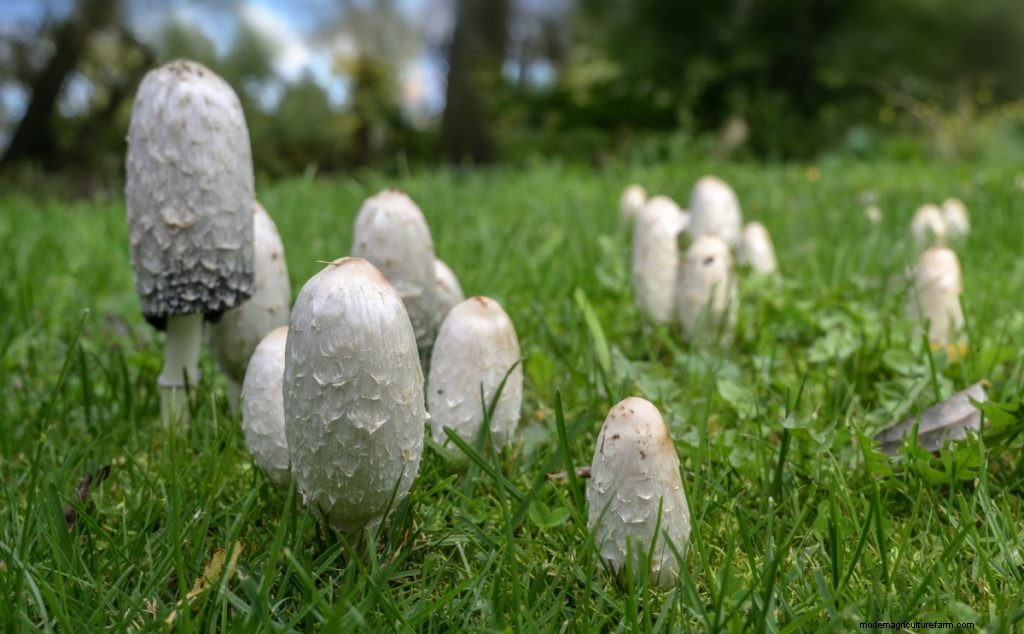
Shaggy mane mushrooms (Coprinus comatus) have conical caps with shaggy upturned scales and are also known as shaggy ink caps or lawyer’s wig mushrooms.
The last is because the upturned scales on their caps resemble the layered curls on the wigs worn by lawyers in historical courtrooms.
Many consider them one of the most easily identified mushrooms, along with giant puffballs, chicken of the woods and morels.
These common edible mushrooms are often found in suburban areas, making them ideal mushrooms for beginner mushroom foragers.
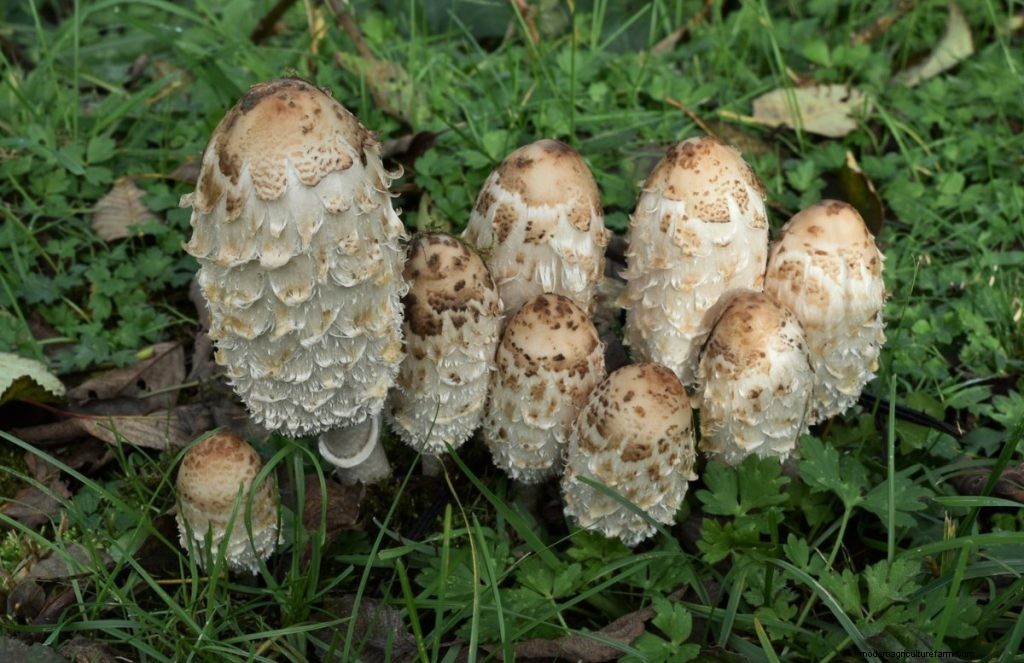
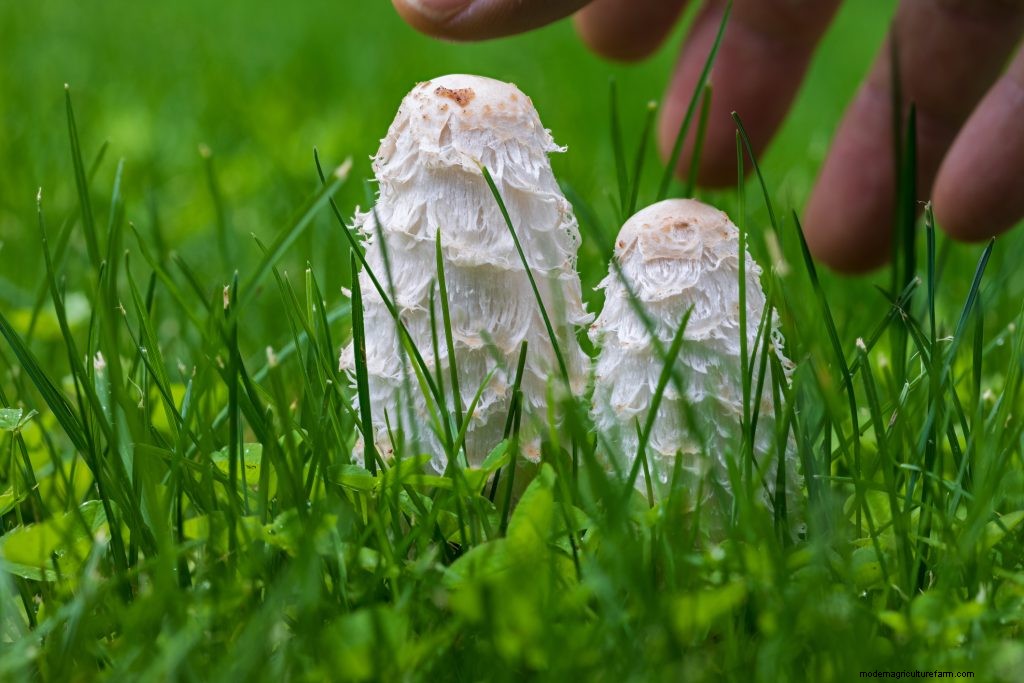
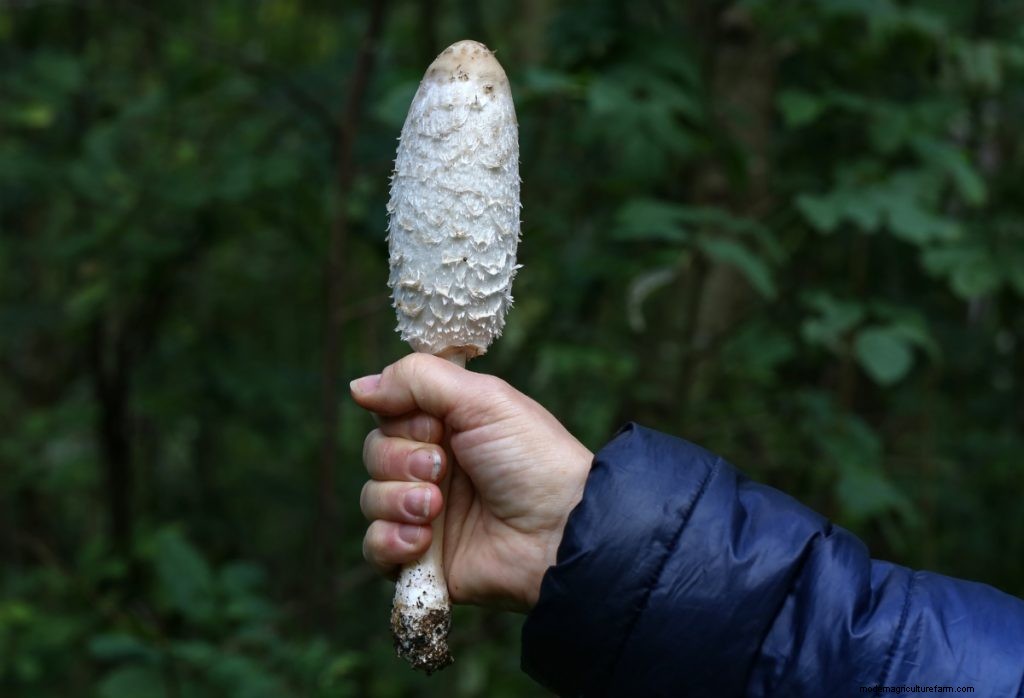
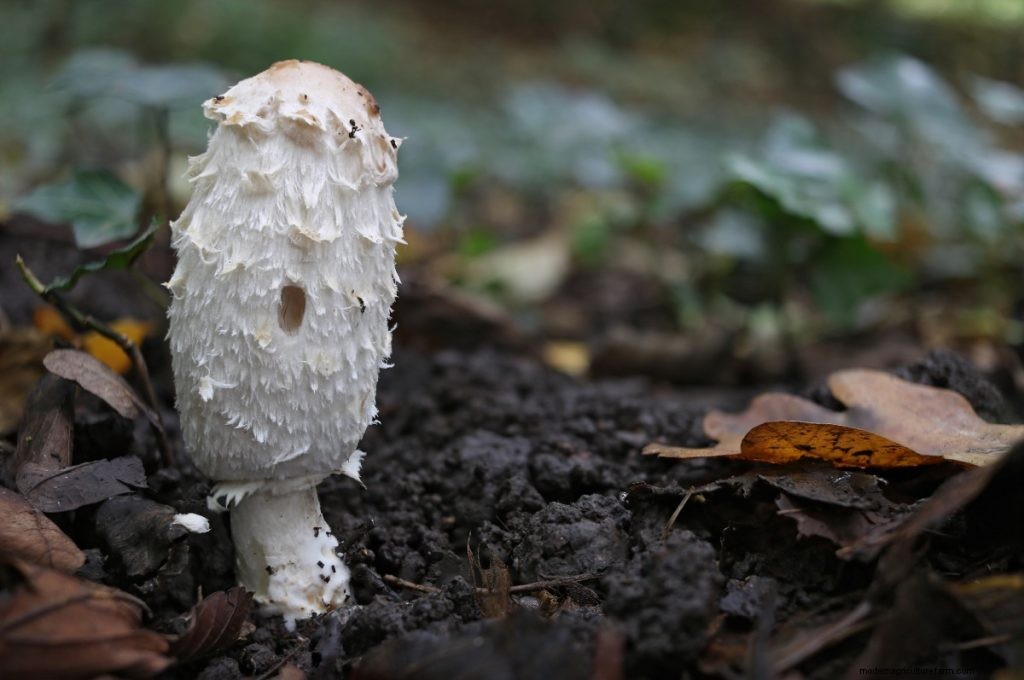
One of the most distinctive things about shaggy manes is their conical caps with upturned scales that make them look shaggy.
When young, their caps have a cylindrical or elongated bullet shape with upturned whitish tan to reddish-brown scales.
Their caps are generally 2 to 6 inches (5 to 14 cm) tall and 1 to 2 inches (2.5 to 5 cm) wide, becoming bell-shaped as they mature.
Shaggy manes have fibrous hollow stems that are white to light tan in color with a partial veil.
If you break the stem near ground level and look inside, you should see a hollow tube leading up under the cap.
The gills are another characteristic that can help you identify shaggy mane mushrooms.
When you cut open a young shaggy mane mushroom, you should see white gills tightly packed together.
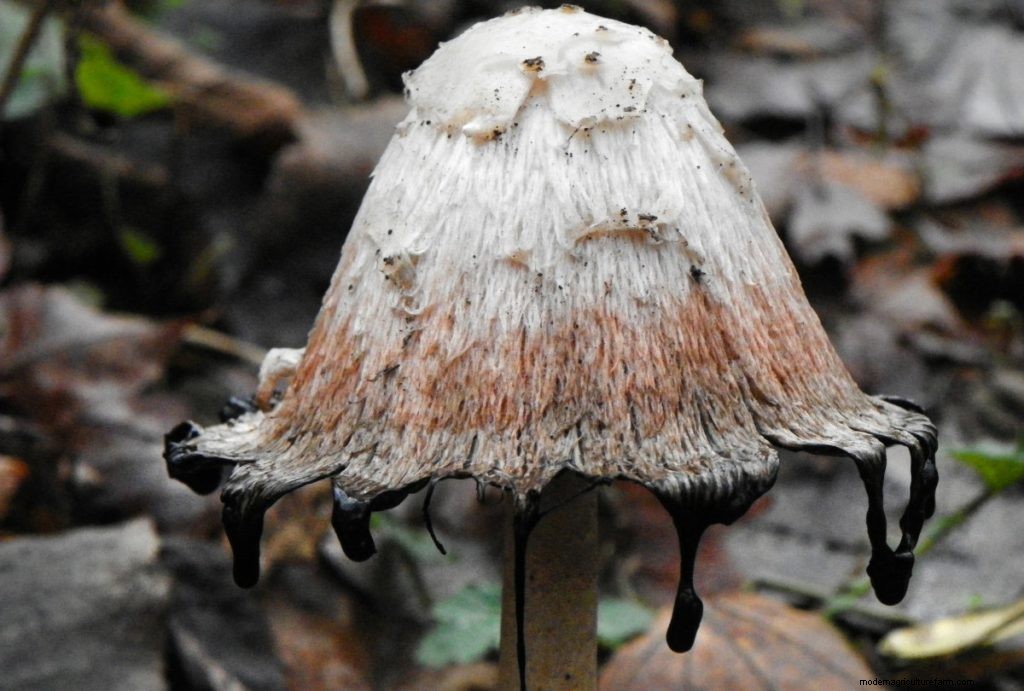
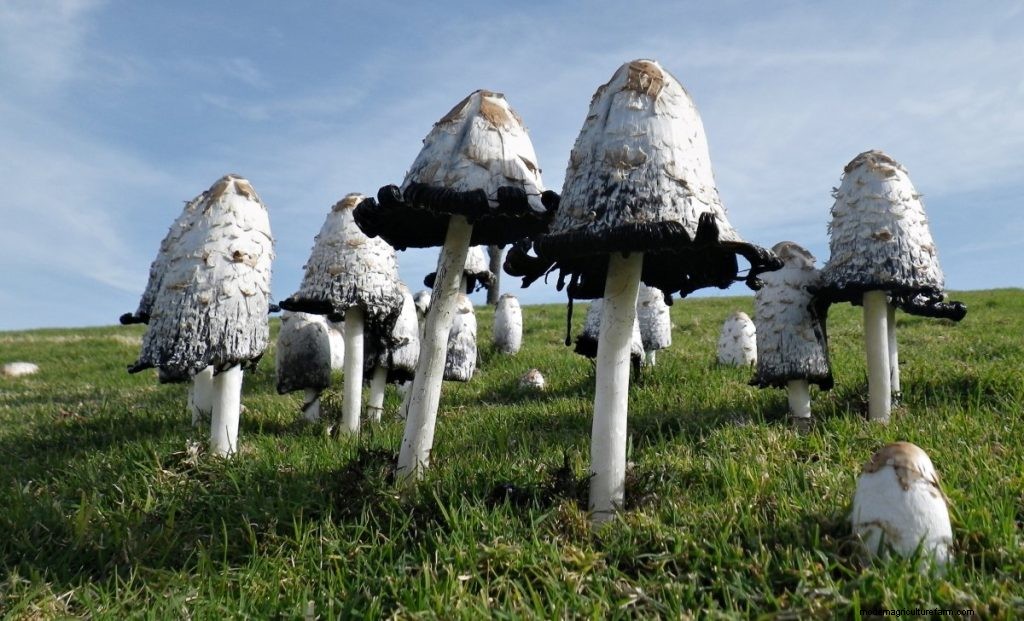
As the mushrooms mature, the gills turn pink and then black and inky as they start to liquify, bringing us to the reason for their other name: shaggy ink caps.
Shaggy manes are part of the Coprinus genus of mushrooms, also known as inky caps, whose appearance dramatically changes as they age.
When mature, these mushrooms auto digest or “deliquesce” and liquefy their caps and gills, creating a gooey black substance that drips to the ground.
The reason for this autodigestion is to help them disperse their spores as they have very closely packed gills.
The auto-digestion starts from the bottom of the gills at the edge of the cap and continues upwards.
This process causes the cap to curl up as it liquifies, which helps to open the gills and disperse the spores.
The inky substance that drips to the ground also contains spores and helps disperse them.
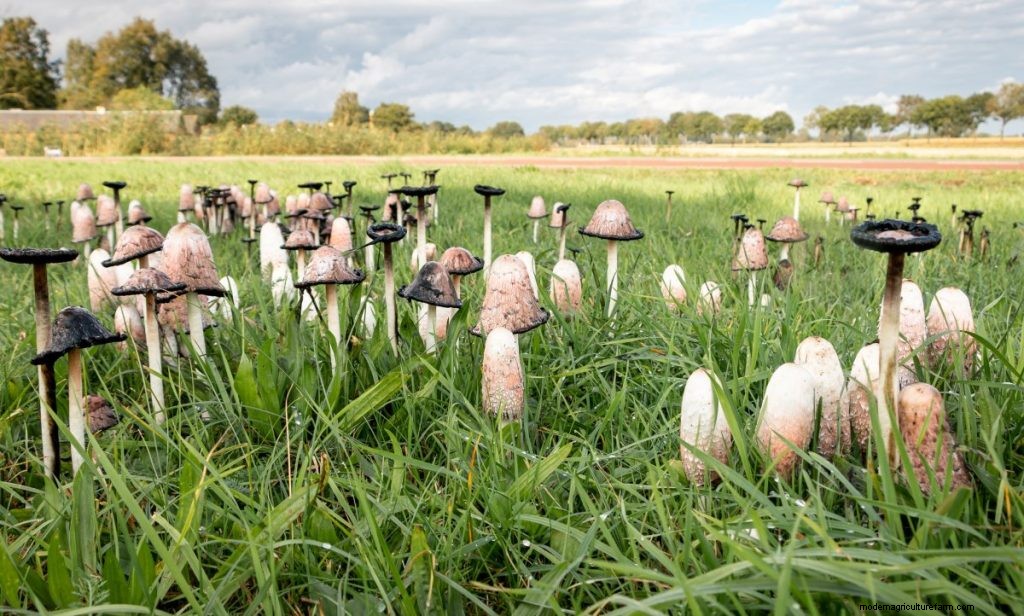
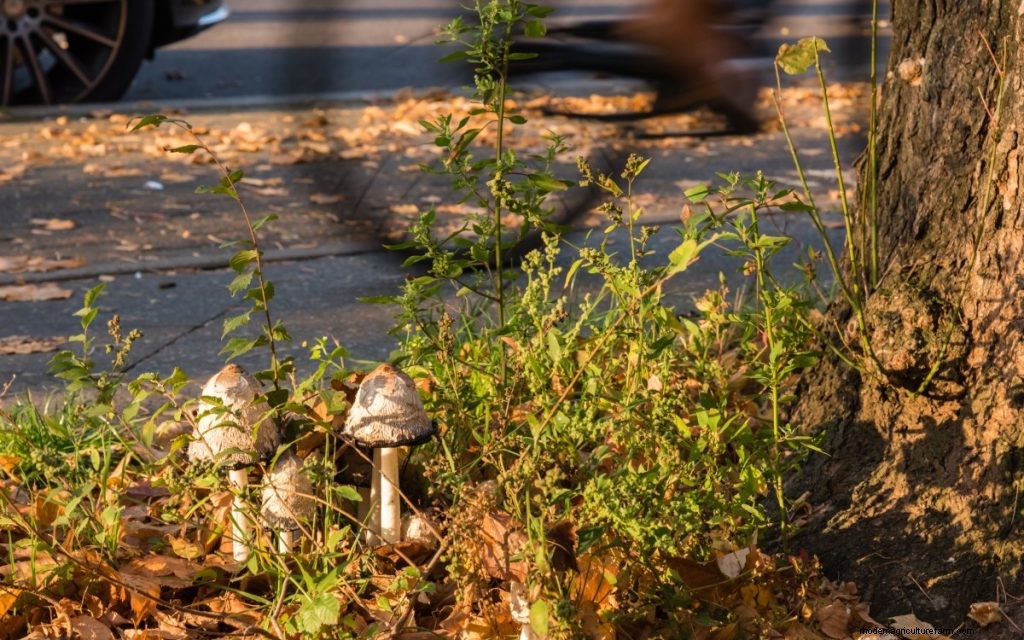
Shaggy mane mushrooms thrive in various habitats, and you’ll often find them in summer and fall growing in suburban and urban parks, backyard lawns, and roadsides.
But you’ll also find them in rural pastures, open woodlands and at the sides of trails and rural roads.
They can grow singly but often appear in large numbers after a good rainfall and pop up in groups in disturbed soil, grass, compost, wood chip piles and even hard-packed soil.
Shaggy manes are native to North America and Europe and grow throughout the northern hemisphere.
Today you’ll also find them in Australia, New Zealand and Iceland, and in China, they cultivate shaggy mane mushrooms for culinary purposes.
Shaggy manes grow very fast. They pop up after rain, mature and begin to auto digest within 24 hours.
Although shaggy manes have very distinctive features making them easy to identify, there are some possible look-alikes you should be aware of, including:
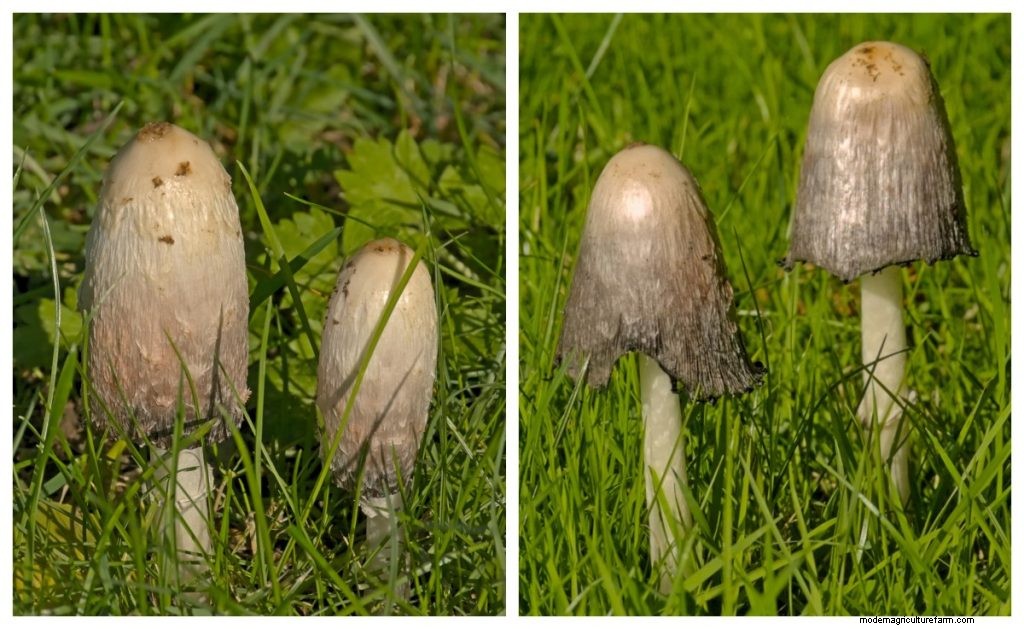
Shaggy manes are often confused with the common ink cap, another edible mushroom in the inky cap family.
When they first emerge from the soil, they both have elongated cylindrical caps and look very similar.
But as the caps form, shaggy manes develop their distinctive shaggy-looking scales. Common ink caps don’t have scales.
Also, shaggy manes generally grow in smaller groups and are often taller and stronger than common ink caps.
Although the common ink cap is edible when young, it contains coprine, a mycotoxin that causes bad reactions when combined with alcohol.
Consuming alcohol while eating common ink caps, or even up to three days afterward, may result in severe nausea, vomiting, heart palpitations and more.
They have earned the name “tippler’s bane” because of this unpleasant side effect.
Shaggy mane mushrooms, however, do not contain coprine and can be safely consumed with alcohol.
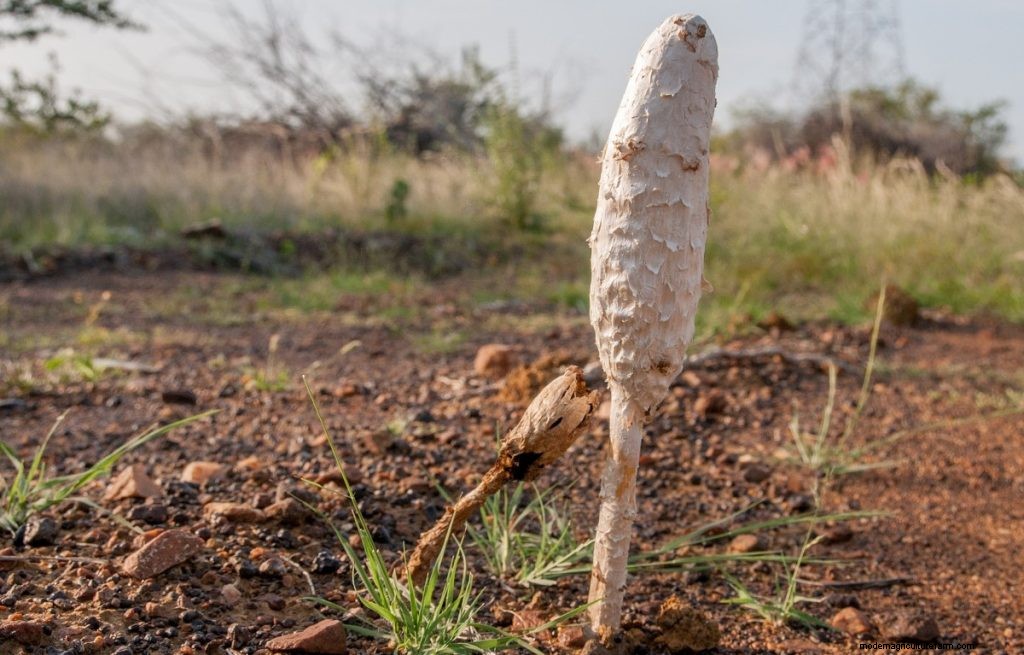
The desert shaggy mane mushroom is native to desert regions in North America, Mexico, Australia and India.
It gets its name because of the resemblance to shaggy mane mushrooms but belongs to a different family of mushrooms altogether.
The desert shaggy mane mushroom is a relative of puffball mushrooms and does not have gills or a toadstool-like cap.
The desert shaggy mane appears in the desert after heavy rain and initially has a similar shape and color to shaggy mane mushrooms.
But, this is where the similarities end.
Desert shaggy manes tend to grow alone and enjoy sandy soils, unlike shaggy manes that often grow in groups and enjoy rich soil and compost.
Desert shaggy manes also don’t auto digest and become inky. Instead, as they mature, desert shaggy mane mushrooms darken to tan or brown, dry out and harden.
The brittle exterior then cracks and splits open, releasing its black spores for wind dispersal.
Fresh and dried desert shaggy manes have medicinal applications, and people use their black spores to make ink for body paint and hair dye.
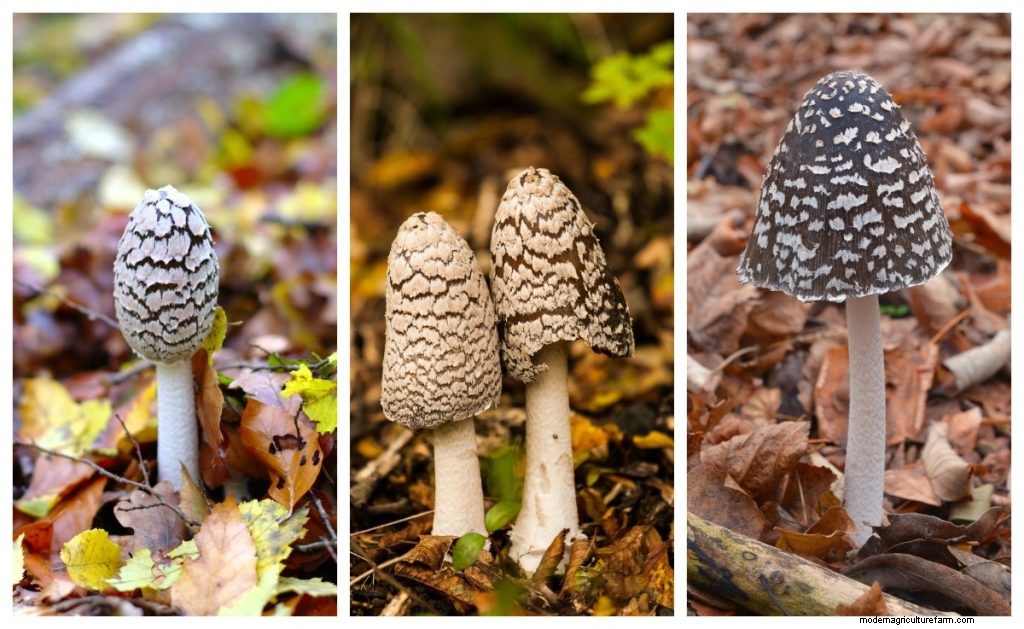
While there is no true shaggy mane mushroom poisonous look-alike, there are two species of mushroom that are similar at early growth stages and considered potential look-alikes.
The magpie fungus, also called the magpie inkcap, is one of them.
This mushroom has a similar shape to a shaggy mane mushroom and also deliquesces to help with spore dispersal.
But, magpie fungus does not have the same shaggy-looking scales, and when mature, their caps are dark grayish brown with white fibrils.
When mature, they look very different to shaggy mane mushrooms.
But, when they’re young before their caps become bell-shaped and darken, they’re sometimes confused with shaggy manes.
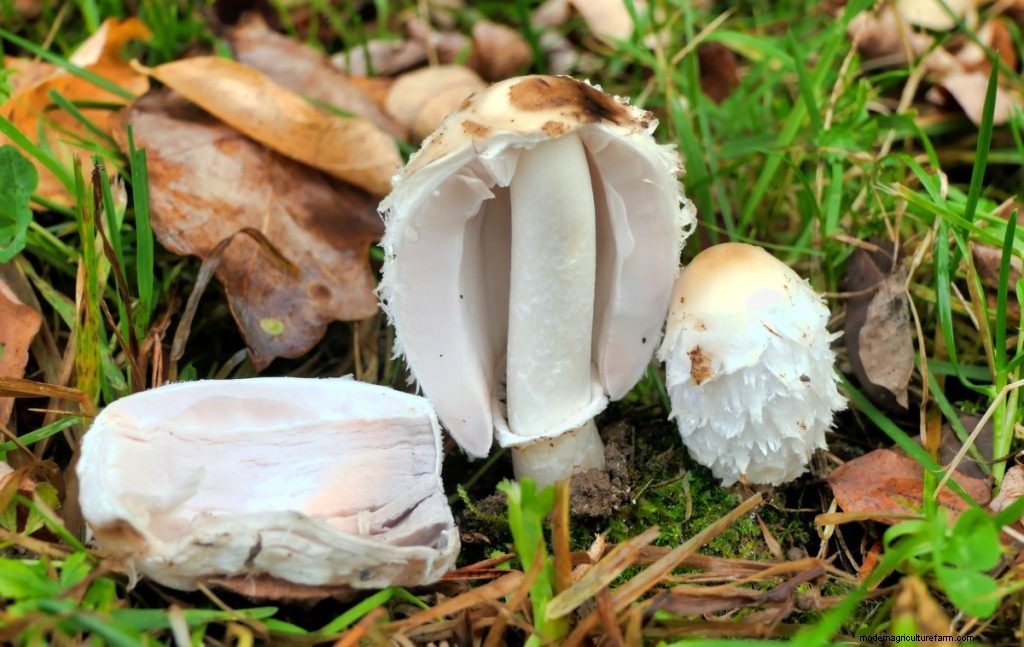
The second potential shaggy mane mushroom poisonous look-alike is the green spored lepiota, also known as the false parasol or “vomiter” mushroom.
As the name suggests, eating these mushrooms causes extreme gastrointestinal upset, with severe vomiting and diarrhea that sometimes need hospitalization.
When mature, with fully formed caps, these mushrooms look nothing like shaggy mane mushrooms. They also don’t turn inky and have unique green spores.
But, their caps are white with coarse brownish scales, and, when young, there are sometimes slight similarities to a shaggy mane.
As they’re also commonly found growing in lawns and parks, it’s good to be aware of them.
Yes, shaggy mane mushrooms are edible when young and considered a favorite gourmet mushroom by many.
Young shaggy manes are white with a firm texture, and you should harvest them before their caps start to become bell-shaped and begin to turn inky.
Always cook shaggy manes before eating them. Although they may not poison you when eaten raw, some people have reported strange reactions.
This rule applies to most wild gourmet mushrooms. Cooking helps to break down a mushroom’s chitin cell walls releasing nutrients and flavor and, in some cases, destroying toxins.
Shaggy mane mushrooms have a mild earthy flavor that, while subtle, is still distinctive enough to give them a unique taste.
People describe the shaggy mane’s texture as being delicate and buttery.
Ingredients with intense flavors will overpower shaggy manes, so they’re best when used in simple dishes like pasta or chicken. Another popular way to use young shaggy manes is in soups and broths.
Interestingly, as shaggy manes mature and begin to deliquesce, their flavor changes becoming more intense and aromatic.
Some chefs even use shaggy manes at this stage to create black, mushroom flavored pasta dishes or dramatic inky colored risotto.
But, it’s best to leave this to the experts, rather be safe and enjoy shaggy manes while they’re young and firm.
Shaggy mane mushrooms are fragile and easily broken, so you should be careful when harvesting and handling them.
Bruised shaggy mane mushrooms start to get soft, dark and wet quickly, and the already short window you have to use them will get reduced even further.
To clean shaggy manes, first, carefully trim off any damaged or bruised sections. Then wipe any dirt off with a paper towel or lightly brush them with a soft brush.
Some people also gently scrape the scales off the cap with a butter knife. But this is only necessary if the scales have a lot of dirt trapped under them.
Because they have high water content and their caps are so delicate, it’s best not to wash shaggy manes.
Our article “How to Clean Mushrooms: A Step by Step Guide” has more information on cleaning different types of mushrooms.
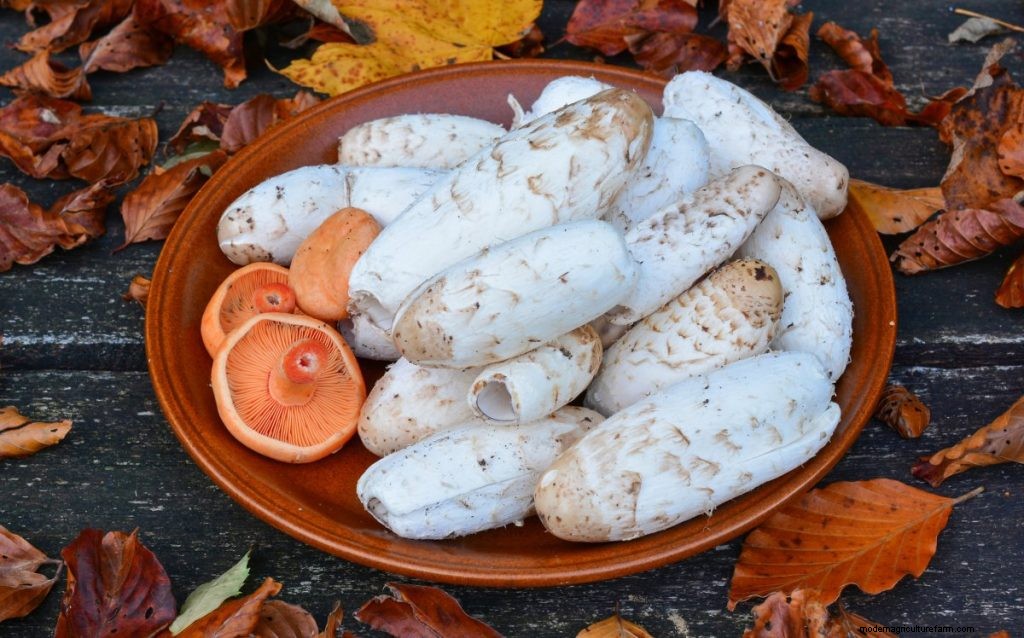
Shaggy mane mushrooms have a short shelf life, and it’s best to harvest them just before you plan on cooking them.
Picking a shaggy mane triggers auto-digestion, and you usually have 24 hours at most to use them before they become an inedible black mess.
But, we recommend you use them within four to six hours of harvest.
One method used to extend the life of fresh shaggy mane mushrooms is to place them in a jar of cold water in the fridge.
The concept behind this is that the absence of oxygenated air slows the deterioration.
Another way to make shaggy manes last longer is to saute them before putting them in the fridge.
Sauteed shaggy manes will keep in the fridge for three to five days.
If you come across a large clump of shaggy manes and can’t resist picking them but know you cannot eat them all the same day, there are a few ways to preserve them, including:
You can dehydrate shaggy mane mushrooms, and this method of preservation is popular in China, where they grow shaggy manes commercially.
You can sometimes find bags of dried shaggy mane mushrooms in specialist supermarkets.
To dry shaggy manes, slice them into pieces around half an inch (1.3 cm) thick and spread them in a single layer in a dehydrator.
You can also place them in a single layer on a breathable mesh surface or thread and hang them in a warm, well-ventilated location.
Shaggy manes lose some flavor when dried, and as their flavor is subtle to start with, drying may not be the best preservation method.
Pickle shaggy mane mushrooms using the same recipes you would for pickling cucumbers.
There are numerous pickling recipes available. So, try a few and choose your favorite.
Pickle small shaggy manes whole and cut larger ones in half or quarters if necessary.
Pickling changes the natural flavor of the mushrooms, but pickled shaggy mane mushrooms are still delicious as an appetizer or as part of an antipasto platter.
You can freeze raw shaggy mane mushrooms, but they don’t retain their texture well when preserved this way and are best used to flavor soups and sauces.
Before freezing, blanch the raw shaggy manes for 15 seconds in boiling water, then plunge them into a bowl of ice water to chill.
Remove them from the water immediately and put them in a colander to drain for 30 minutes.
Then put them in freezer bags and remove as much air as possible before closing the bag and placing them in the freezer.
A better way to preserve mushrooms by freezing them is to cook them first.
This method retains the delicate flavors of fresh shaggy mane mushrooms the best.
First, saute your shaggy manes in a heavy skillet until all the liquid has evaporated.
Then cool the cooked mushrooms completely, place single portions in freezer bags, remove as much air as possible and freeze.
Most people agree that shaggy manes are delicious when sauteed in butter or olive oil and eaten on their own or added to other dishes.
But, they do have a high water content which can make sauteeing them tricky.
Some suggest cooking them in a dry frying pan without oil or butter to get crispy shaggy mane mushrooms.
Our video below, “how to cook mushrooms the right way” has some tips to help you get the best out of your shaggy mane mushrooms.
Shaggy manes are also delicious when deep-fried in tempura and make a tasty addition to soups, stews, sauces and risottos.
Here are a few quick and easy recipes to try next time you find shaggy manes in your backyard:
This creamy soup is great for cooler autumn days and allows you to enjoy the shaggy mane’s subtle flavor.

These shaggy mane waffles from Hilda at Hilda’s Kitchen are perfect as an on-the-go breakfast. Or, for a special treat, serve them topped with an egg, melted cheese, chives, and hot sauce.
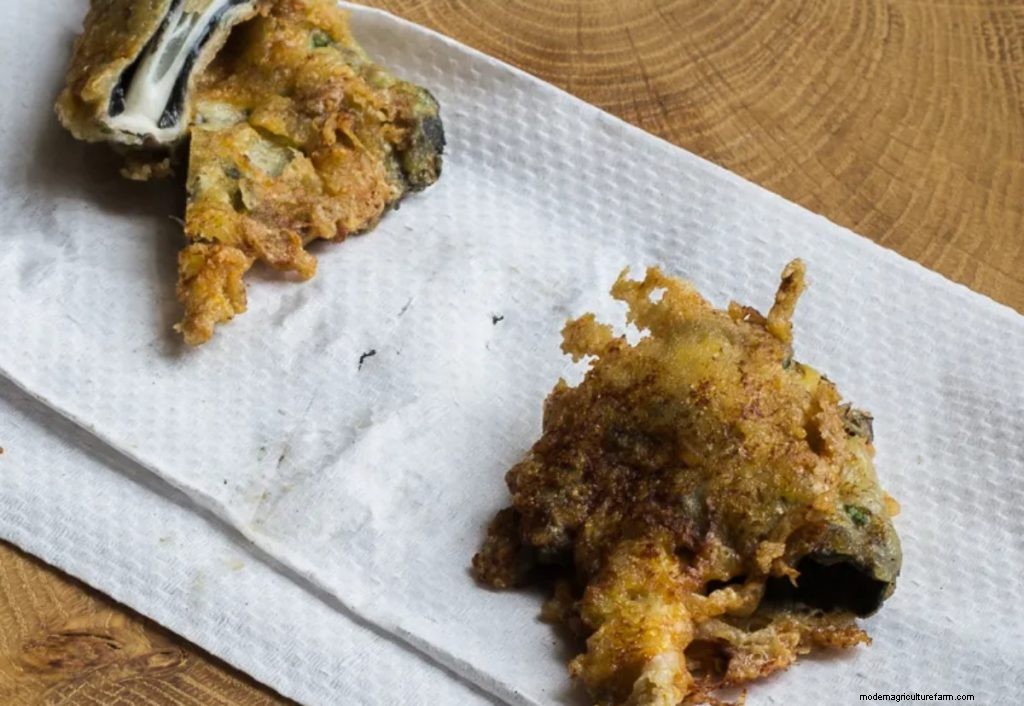
This recipe from Alan at Forager Chef makes delicious crunchy crusted shaggy mane mushrooms that you can serve as a side dish, appetizer or stand-alone meal accompanied by a salad.
Quantities will vary depending on how many shaggy mane mushrooms you have.
Yes, you can grow shaggy mane mushrooms at home both indoors and outdoors, and they’re one of the easier mushrooms to grow.
Because you have to use them so soon after harvesting, they’re not commonly cultivated commercially outside of China, where they dry them immediately after harvest to preserve them.
The best way to get fresh shaggy mane mushrooms is to grow them at home.
Foraging for shaggy manes comes with the risk of incorrect identification or mushrooms that contain toxic heavy metals.
Shaggy mane mushrooms are saprophytic, meaning they feed on dead and decomposing organic matter.
They grow well on compost but can also feed on decomposing wood like many other edible gourmet mushrooms, including oyster, lion’s mane, chestnut, shiitake, wine cap, and pioppino mushrooms.
They are most commonly grown on substrates made with an equal mix of pasteurized sawdust or straw with cow or horse manure.
You can grow shaggy manes indoors in bags, buckets, trays or any other container that will provide a horizontal growing surface.
It’s also easy to grow them outdoors in beds using layers of manure and straw or sawdust.
It is not easy to get rid of shaggy manes growing in your lawn or backyard, as the mushrooms you see are the fruiting bodies of an underground fungus.
If possible, try to make peace with them as they help break down dead and dying organic matter and benefit the ecosystem in your yard.
Also, they’ll be gone within a day or two as they grow very fast and within 24 hours autodigest into a black inky substance.
But, if you have shaggy mane mushrooms on your lawn and don’t enjoy the inky mess they make, there are a couple of ways to get rid of them.
Firstly, make the conditions in your backyard less appealing to fungi and reduce their food sources.
You can do this by:
But, If you are in a hurry, try using vinegar, baking soda or soapy water to kill them.
Our article on backyard mushrooms has more information on using these natural products to kill mushrooms.
Shaggy mane mushrooms are remarkable.
Not only do they auto-digest and create a black inky substance to help disperse their spores.
They also absorb heavy metals from soils, and have the potential to help restore polluted soils.
But, their ability to accumulate toxic heavy metals like cadmium, mercury and arsenic and store them in their fruiting bodies also has a downside.
Be careful where you harvest wild shaggy mane mushrooms.
Never eat shaggy manes found growing next to busy roads or in contaminated soils as there’s a chance they may contain toxic heavy metals.
Shaggy mane mushrooms are a common sight in gardens worldwide, and while they may look strange when inky, they’re delicious gourmet mushrooms when young.
Although common and easily identifiable, you’re unlikely to find these delicious edible mushrooms fresh at farmer’s markets or in stores because picking them triggers autodigestion.
The secret to enjoying their subtle flavor is picking them at the right time, handling them carefully and cooking them as soon as possible.
One of the best ways to have a supply of fresh shaggy mane mushrooms is to grow your own.
To learn more about growing mushrooms at home, visit our Mushroom Growing Hub.


