Welcome to Modern Agriculture!

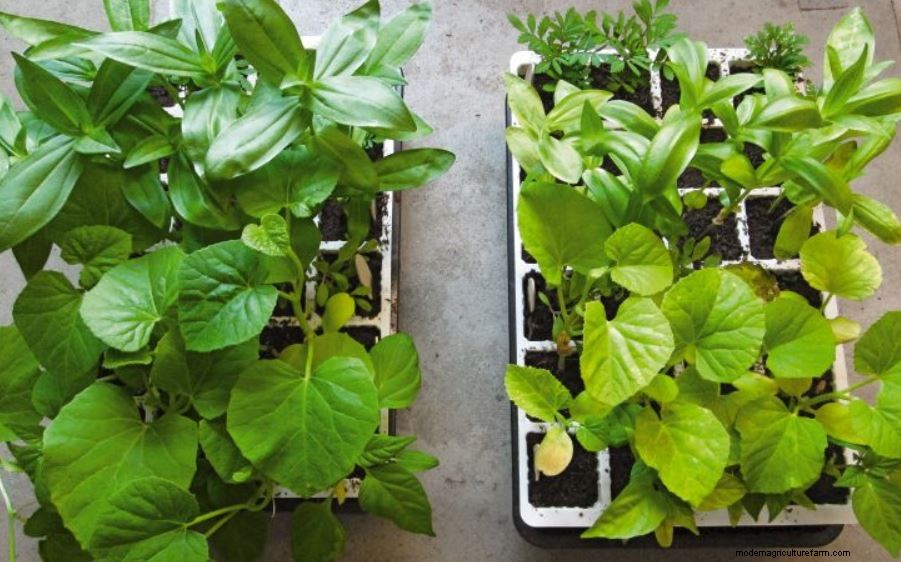 These seedlings were planted at the same time, in the same type of tray and with the same soil. The only difference was the addition of fertilizer.
A poll by the National Gardening Association revealed that most gardeners do not fertilize their plants. Yet there's no easier way to improve plant health, pest and disease-resistance, flower and fruit production and overall beauty.
I love plants and hate to see them go hungry. I'd also like to see every gardener be as successful as possible. So, if you're one of the millions of gardeners who is not fertilizing your plants, listen up.
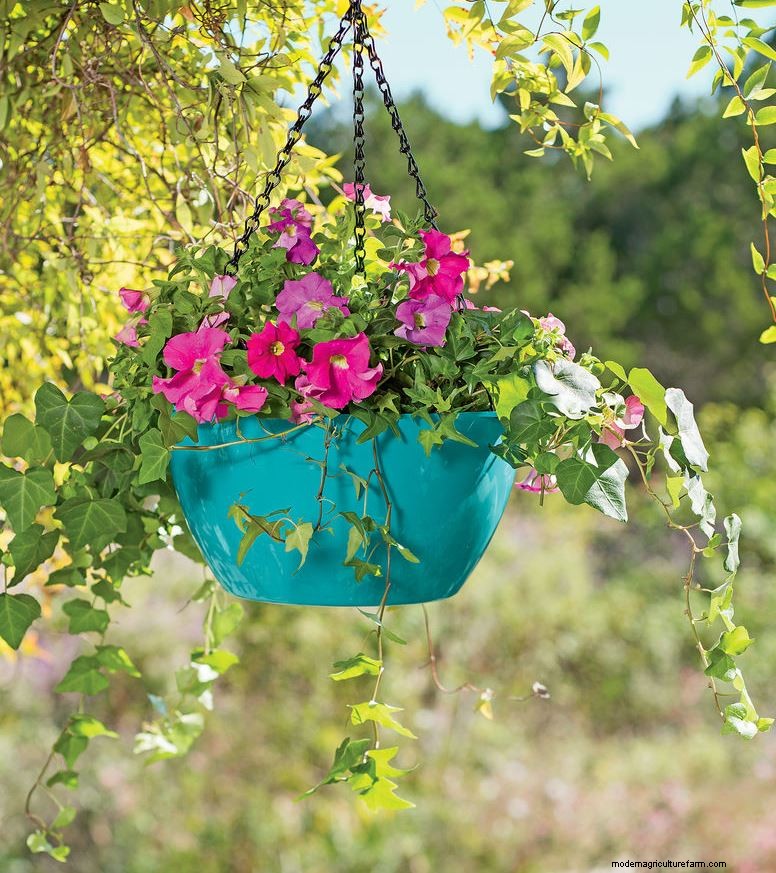 With regular feeding, pots and planters, such as this Viva Self-Watering Hanging Basket, will thrive.
Start by purchasing an organic, water-soluble plant food. I say organic, because I'm going to recommend that you fertilize frequently. If you use a synthetic fertilizer, such as "the blue stuff", you'll need to follow the instructions on the package because it's relatively easy to "burn" your plants by applying too much chemical fertilizer. PHC All-Purpose Fertilizer is organically-based, easy to use and very effective.
Start fertilizing your container plants twice a week. Fertilize your houseplants once a week. Feed the plants in your garden every two to three weeks. Fertilize your landscape plants once a month.
Notice what happens. I am confident that you will see a big difference. Your plants will be larger and will produce more flowers and fruit. They'll also be better able to fend off pests and disease, and will have better resistance to drought and other weather stress.
Applying a liquid fertilizer is not a substitute for adding compost and granular organic nutrients to your soil. During the growing season, your plants are like teenagers — they need food and they need it now! Liquid fertilizers are immediately available and provide that quick fix.
Compost and granular organic fertilizers feed your soil as well as your plants. They should be added at the beginning of the growing season as you're preparing your garden or your containers. For best results, apply them again at the end of the season to replace lost nutrients and organic matter. This way, when spring comes, your soil will have plenty of reserves to feed your best garden ever.
For more information about fertilizer—how it works, the importance of pH, organic vs synthetic—please read Fertilizer Basics.
What's unique about plants growing in pots and planters, that they need their own special fertilizer? Here are a few ways container-grown plants are different from plants growing in the garden.