
Welcome to Modern Agriculture!

It’s pronounced “zee-re-scape-ing.” And it’s a key concept for landscapers as we look to a future of water conservation and climate change. It’s worth mentioning again in this series of Twenty-one Days of Green leading up to Earth Day, because the Earth can’t take much more of water-hogging garden designs.
Simply put, xeriscaping is a system of landscaping with water conservation as the priority. In areas that receive little rainfall in the summer, some thoughtful xeriscaping will allow flowering plants to thrive, adding visual appeal – as well as important forage for pollinators.
There are five principles that are key to xeriscaping success:
Plant selection is fundamental to xeriscaping because different plants have different needs when it comes to moisture, light, and soil. Drought tolerant plants are the most useful for this system, and there are masses to choose from.
Plant grouping keeps plants with similar needs together. If your property has a high, exposed point, as well as a low area where water gathers, you would select drought tolerant plants for the high area, and plants that require more moisture for the lower area. Prepare the soil in your xeriscaped area with this in mind, adding more moisture-retaining organic matter where necessary.
Grading takes advantage of the natural tendency of water to move downhill, even over low grades. This is an important concept in xeriscaping design. Xeriscaped areas are rarely flat like lawns might be.
Mulching prevents weeds from growing, and it conserves what little moisture there is in the soil below. Mulching with finished compost or well-rotted manure helps to build soil’s structure and fertility over time.
Irrigating efficiently is perhaps the most important concept to achieve a really robust and healthy xeriscape landscape. A carefully designed xeriscape might survive well simply using the naturally occurring rainfall. But in times of extended summer drought, some additional irrigation may be necessary. The trick is to irrigate efficiently. Watering deeply and infrequently encourages deeper root growth. Irrigate in the morning, before the heat of the afternoon. Drip irrigation is more efficient than overhead sprinklers.
Xeriscaping simplified
Even if you don’t have the resources to convert a whole yard or landscape, maybe it’s time to focus on gardening with drought-sensitive plants. The list below is not exhaustive, but it shows how diverse the selection of flowers might be. All of these plants will perform well with minimal extra irrigation.
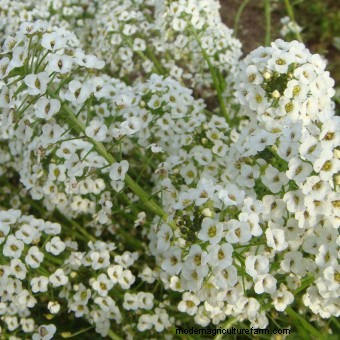
Alyssum
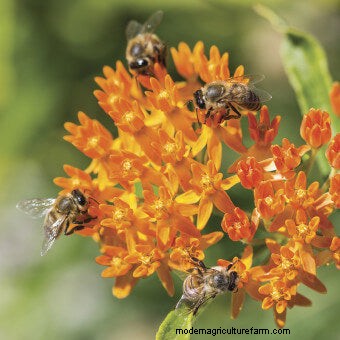
Asclepias
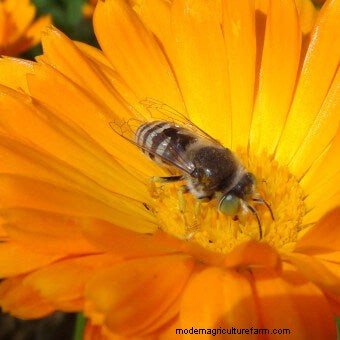
Calendula
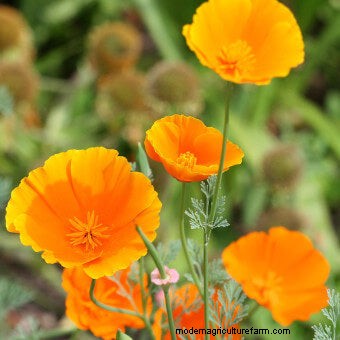
California Poppy
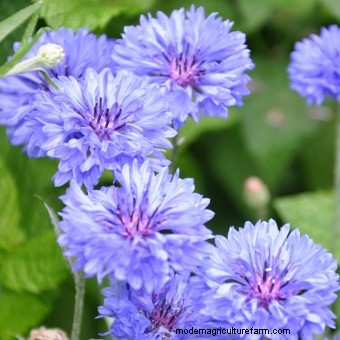
Centaurea

Chamomile
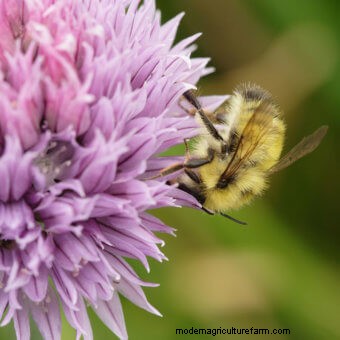
Chives
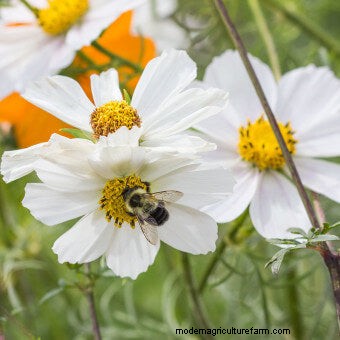
Cosmos
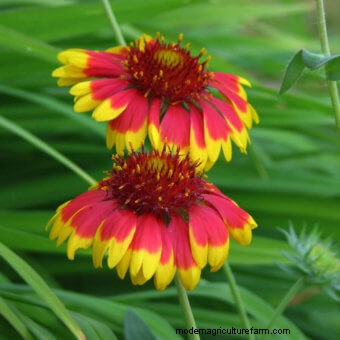
Gaillardia
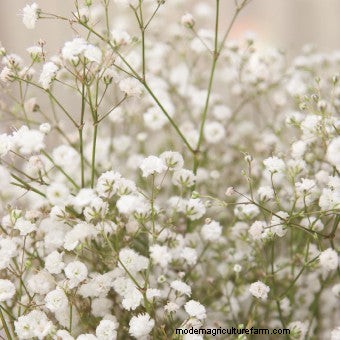
Gypsophila
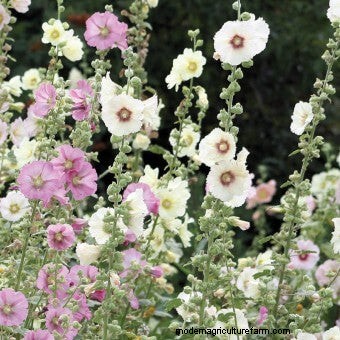
Hollyhocks
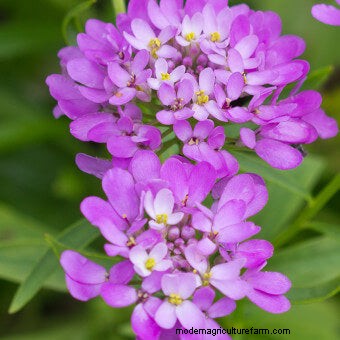
Iberis
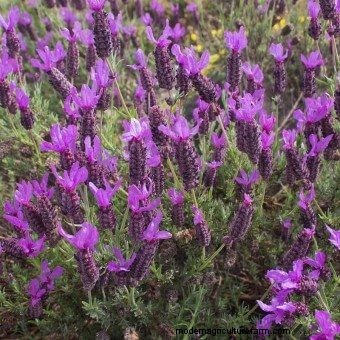
Lavender

Marigold
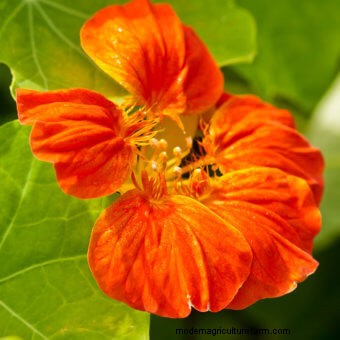
Nasturtium
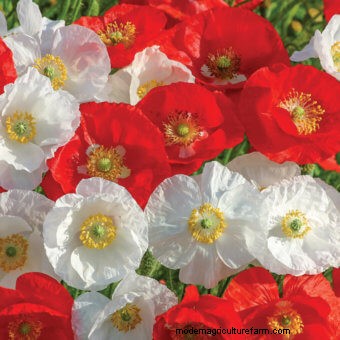
Poppies
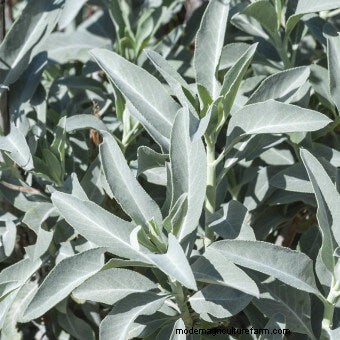
Sage
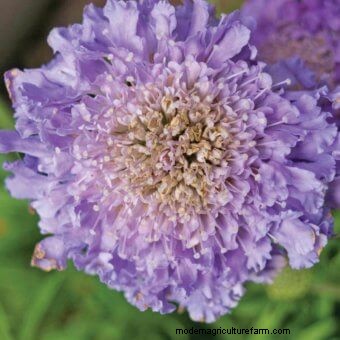
Scabiosa
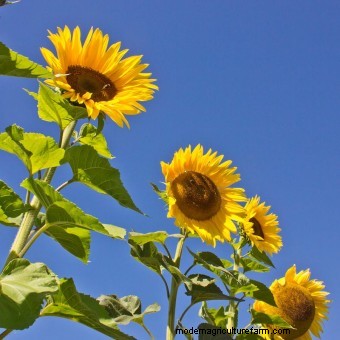
Sunflower
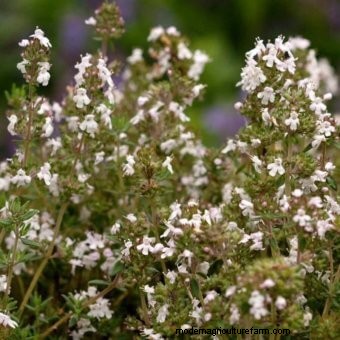
Thyme
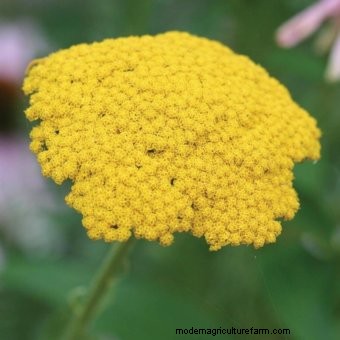
Yarrow
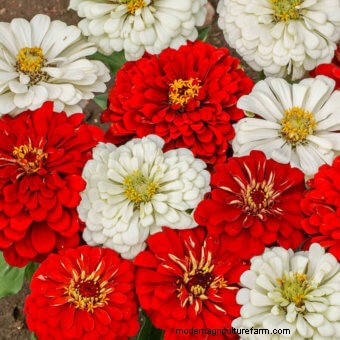
Zinnia

Do you need to plant a larger area? Try our Xeriscape Mix Wildflower Seeds.


