
Welcome to Modern Agriculture!

While recreational field turf has its uses, most urban and suburban lawn leaves the Earth with a net loss. Space that could be used for growing food or feeding pollinators is dedicated instead to demanding, non-native grasses. Lawn grass is challenged by animals that prey on European chafer (and other) beetle larvae in the winter and spring, and then it dries out and turns brown in the summer due to watering restrictions. We think it’s time to consider transforming lawns to more sustainable uses. We’re asking you to Commit to Grow something more useful than grass.
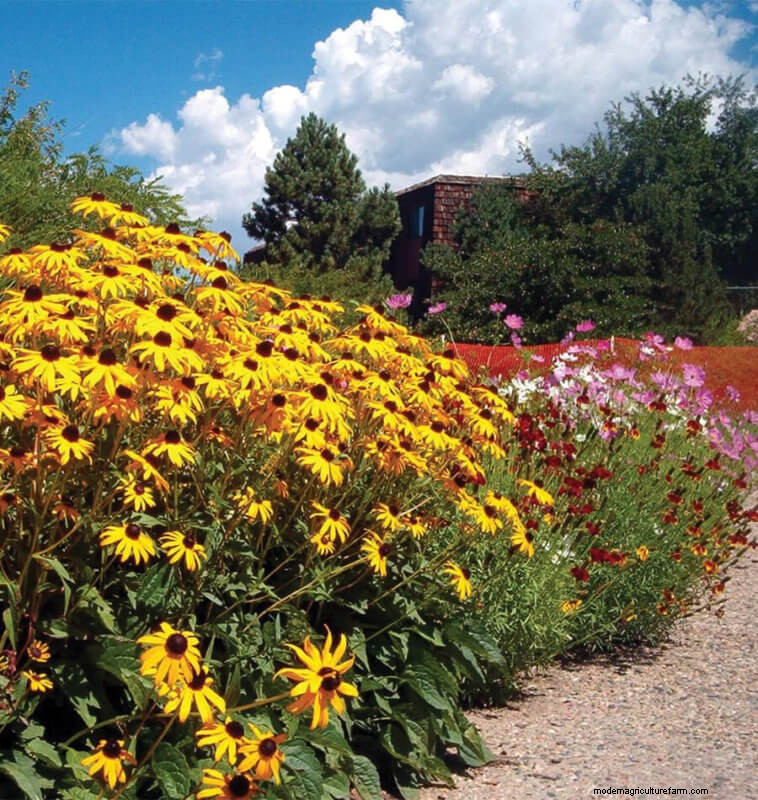
Xeriscaping is a concept in landscaping that combines soil preparation and plant selection to create beautiful, living spaces that require very little water or maintenance. Drought-tolerant plants are mixed with large pieces of stone or wood. The borders can be mulched with gravel or bark chips to reduce weeds. Careful planning goes into a xeriscaped area, but it results in a very small carbon footprint, and can actually give back to the environment by reducing water use, while feeding insects and wildlife. Great Plants for Xeriscaping.
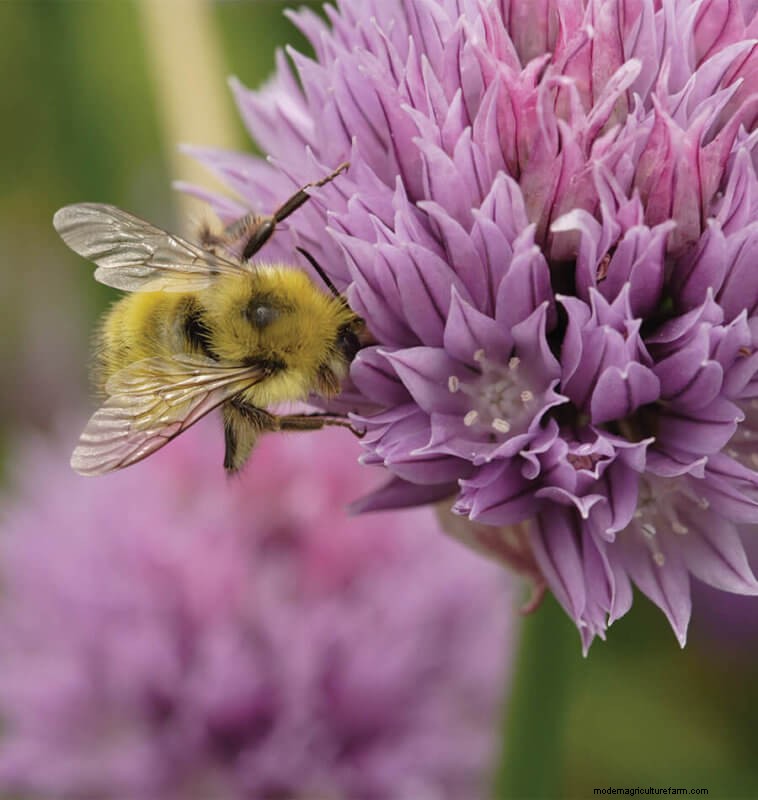
New research shows that when pollinator habitat is re-established in urban areas, insect populations can rebound dramatically. Land does not have to be set aside to accomplish this. Instead of devoting the space to demanding lawn grasses, convert it into an oasis for passing butterflies and bees. Grow sunflowers and other plants that attract and feed songbirds. Be part of the solution to pollinator decline, and end lawn maintenance for good. Plants to Attract Pollinators.
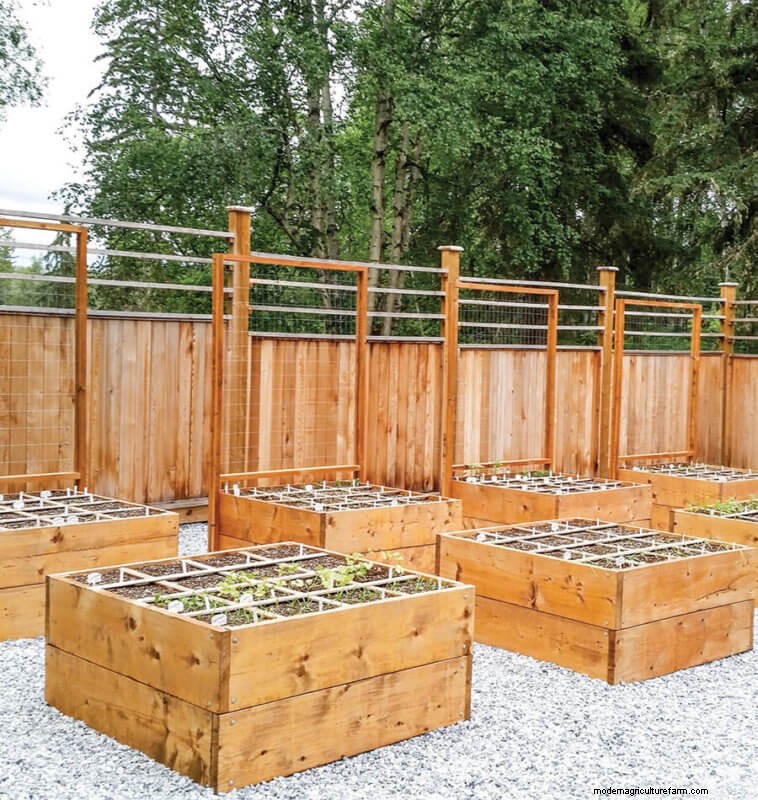
photo credit Carleen Novak
The beauty of the raised garden bed is that it can be placed nearly anywhere. It has improved drainage and warmer soil, and the growing area is clearly defined and easy to access. Beds can be customized to any height or dimensions, and they can be very productive for growing vegetables, herbs, and flowers. Use landscape fabric to lay down over existing turf, position the raised beds, and fill in between with pea gravel or bark mulch.
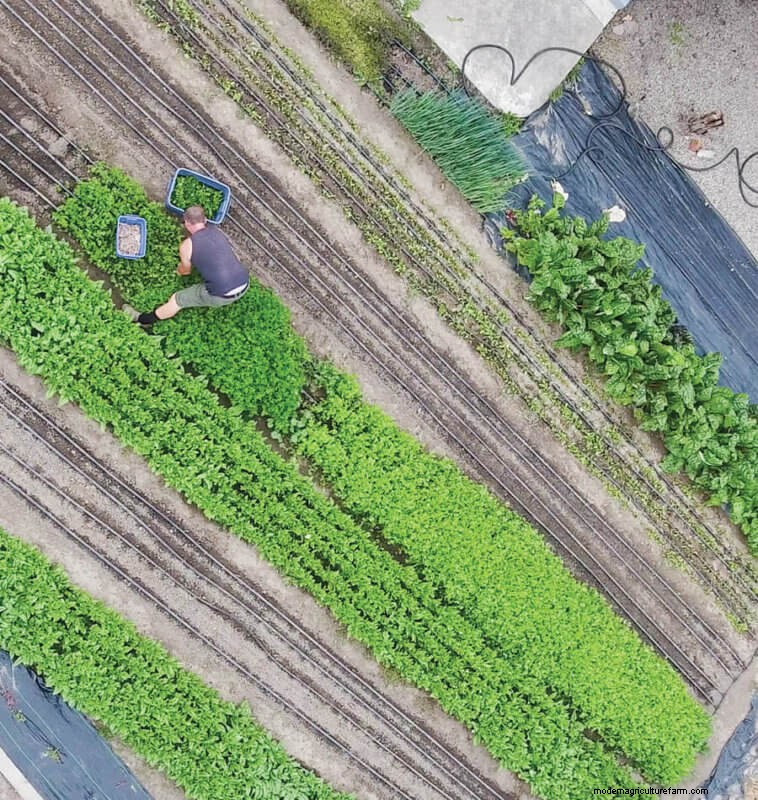
photo credit Curtis Stone
Why not convert the lawn into a profitable plot for urban farming? Dense plantings and quick succession crops can earn an urban farmer a good living. Thoughtful urban farmers like Curtis Stone and Jean-Martin Fortier have shown that a very lucrative business can be had by working small plot of land and selling to restaurants and CSA shares. Both of these urban farmers generously share their knowledge in books and online. Check out Curtis’ book, The Urban Farmer, and Jean-Martin’s book, The Market Gardener. We love what these clever folks are doing, and particularly that they are so open-source about it. Please have a look at their websites.


