
Welcome to Modern Agriculture!

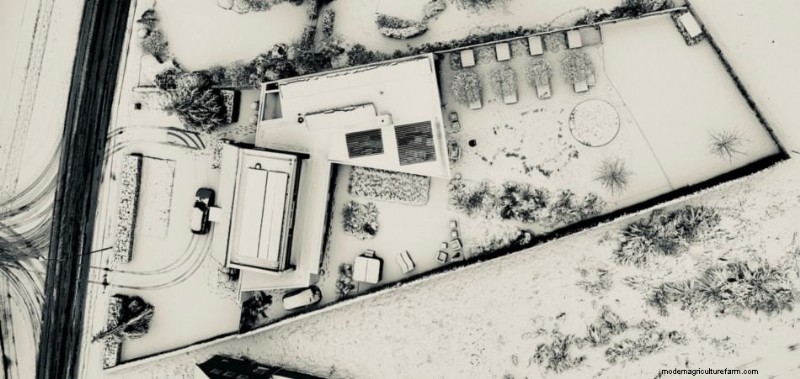
It’s January, and at the time of writing this, the ground in my garden is covered with a foot of snow. Still, there are plenty of things I can do for my garden without even getting up from my desk.
There’s plenty of advice out there about the things we can do outside: harvest parsnips and leeks, prune berries and add compost to our raised beds. But the truth is, for many temperate areas, it’s simply too cold, not to mention snowy, to be doing all of those things.
January is a time of rest for most gardens, especially when they’re covered in snow. Now is the perfect time to plan, get organized, order seeds, clean your tools and trays, and fix structures that are broken. You could upgrade your garden with growing lights, a new cold frame, or a greenhouse.
Hopefully, this guide of realistic tasks for the month of January will serve as a reminder of some of the things you need to do for your garden.
Hindsight is always a beautiful thing, and even more so in gardening. If you’ve been inspired to take notes throughout the year, now it’s time to review them and see what you’ve learned.
Have you started certain seedlings too early, or others too late?
What were the pests that plagued your garden in the past year, and what could you do differently this year in order to stop them?
Have you measured the harvest from every single crop, and do you feel like it’s worth the effort to grow certain crops again?
Gardening is a dynamic experience and every year will look different. Only you’ll know for sure what needs changing, and what can stay the same.
A journal is invaluable, but if you haven’t used one until this year, all is not lost. Take advantage of this quiet time to go through your photos on your phone, see what you can remember from last year’s garden, and write your thoughts down in a brand new journal.
The best way to organize your thoughts and decide what you’re going to sow this year is making a plan for your garden. You can do this by creating an outline of your raised beds. Use it as a clean slate and make copies of your garden outline – it will serve you well for many years to come.
Next, create an approximate plan of what plant goes where. Make a separate sheet for summer and winter crops. You don’t need to do a month by month layout, especially if you’re a beginner. Just have a general idea of where your plants will go.
If you prefer to wing it and don’t usually stick to plans, at least decide on the plants you are going to have in your garden. A great way to garden intuitively and not risk ending up with empty beds is always having a supply of seedlings at hand.
Most likely, you’ll have vegetables that did well, and others that didn’t. Plants that you enjoyed cooking and eating raw, and plants that didn’t get that much attention because you didn’t like their taste, or because you had no idea how to cook them.
Especially when gardening in a small space, there’s no point in keeping the same old crops year after year if you’re not crazy about them. Ask your family members what they enjoy eating and keep those veggies and the ones you like and discard the rest.
January is the perfect time to go through your seeds and organize them in an efficient way. Firstly, throw all the expired seeds away, or the ones that have been contaminated with soil or water. Secondly, create a sorting system for your seed categories so that you can find them easily.
You can repurpose clear photo organizers like this one. They’re see-through, compact, and you can take them straight to your garden. Label each box so that you know what goes where.
When sorting your old seeds, write down all the varieties that you have, and their expiration dates, and make notes on what seeds need to be replenished, or any new varieties you’d like to try.
January is also a good time to order seeds. The shortage of seeds in 2020 showed us all that we could never be too thoughtful when preparing for the gardening season.
I’m ordering my seeds from abroad, and I make sure to allow a few weeks for shipping. I ordered most of my seeds as early as the 3rd of January, and now I’m all set up and ready to go.
If you’ve been gardening for a while, you know that the best time to add compost to your beds is in autumn. However, if you didn’t manage to do that, or you’re just starting out, it’s okay to do this in spring, as soon as the ground thaws up and there’s no more snow on the beds.
With the no-dig method, you don’t need to work the compost into the soil. Instead, spread it in layers of 4 inches ( 10 cm) and you can start sowing or planting seedlings straight into the compost right away.
So how much compost does that mean for your garden? Depending on the depth of compost you’d like, use this calculator and figure out the exact number you need.
Compost can be expensive, so January is a good time to plan for it and see what kind of options you can afford. Factor in the delivery time, too, because February is just around the corner, and you will start amending your beds soon.
Here are a couple of options for the types of compost you can order:
You can order the mulch you’ll be using for your pathways in January so that in February you can refresh the look of your garden.
Woodchips are the ideal option, although, in some places, they’re harder to come by. I use sawdust as the next best thing, the only downside is that I have to keep adding a fresh layer every year.
Mulches do a great job with weed suppression on your garden paths or raised beds. Another type of mulch you might want to order is straw. Straw makes a good mulch for strawberries and tomatoes in the hot summer months – it helps keep the moisture in the soil and cools down the roots.
If your pathways are looking good, and you have plenty of leaves to use as mulch, you can skip this step.
After starting my seedlings inside a cold frame with moderate success, I decided to step up my game. When choosing between a greenhouse and growing lights, I chose the growing lights for now – they’re the cheaper option and allow me to grow seedlings in the summer months when the greenhouse would get too hot.
But if you decide to go for a greenhouse instead, the best time to do it is before the growing season begins.
For growing lights, you’re going to need a shelving unit, the appropriate lights, and trays that will fit your shelves.
If you already have a greenhouse, a good idea for adding some heat for your seedlings would be building a hotbed – a bed of fermenting hot manure that’s generating heat for your seedlings. Or, you could invest in electric propagators or heating mats instead.
However you decide to start your seedlings, make sure your module trays are in good shape or buy new ones if necessary.
Aside from sheltering your seedlings, cold frames are a great option for giving you an early start to your growing season. Having cloches and cold frames on top of your raised beds heats up the soil, keeps snow away, and allows you to plant long before the exposed beds are workable.
Later in spring, you’ll be able to use your cold frames for hardening off your plants, accelerating the growth of your salad greens, green onions, radishes, and whatever you fancy.
In autumn, you can overwinter certain plants such as winter cabbages, winter carrots, parsnips, lettuces, leeks, and protect them from the snow and direct frost.
Cold frames are a great addition to your garden, and I hope I’ve convinced you to build at least one.
If you’ve had your garden for a while, it probably needs some maintenance. Once the weather allows, reinforce raised beds, or change them altogether.
Tend to trellised that need fixing, repair, or replace border edging and if you have hinges on your cold frames, check to see if they work properly.
If you have an old shed that’s in bad shape, either rejuvenate it or tear it down and start fresh.
Other structures that might need your attention are fences, the composting station, and the grapevine trellises. Check for rot and reinforce where necessary.
And if you don’t have the skills to do all that, ask a friend or hire a carpenter.
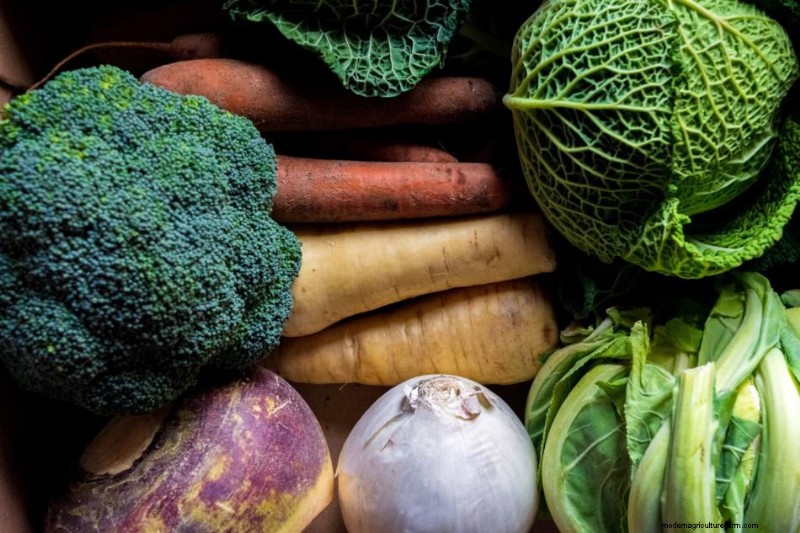
Your garden beds may be empty right now, but that doesn’t mean you don’t have any vegetables left to take care of. Your stored roots and cabbages are very much alive and well.
Make regular visits to your cold storage area and inspect the veggies you’ve harvested: carrots, beetroot, parsnips, leeks, cabbages, and potatoes. Don’t forget to do the same for onions, garlic, dried chilies and herbs, and storage pumpkins.
Check everything for mold and throw away anything that’s rotted, so it doesn’t spread.
Ideally, your cold storage room or cellar needs to be cool and dry, while at the same time keeping frost away.
I’ve had great success storing my carrots and beets in moist sawdust inside large boxes with lids on top, to prevent evaporation. The root crops keep their flavor and crunch for many months.
I keep my leeks roots down in a layer of wet sand or plain garden soil. They get more tender after the first frost and keep well using this method.
I know it’s tempting, but for most temperate climates, January is just too early to start sowing seeds. Your plants will get too big by spring, and frost will make it impossible to sow any tender seedlings.
The only exception is chitting your potatoes, although I would argue that you can do that in February, or skip it altogether.
If you’re thinking that peppers, chilies, and eggplants take a long time to mature, you’re right. But starting them in mid-February will give you more than enough time to get those plants producing when they’re supposed to.
You may be thinking that you don’t have any raised beds in place and your garden plot is a mess. You may not have any funds for buying compost, growing lights, or a greenhouse.
Don’t let all that discourage you. Seeds and a couple of garden tools won’t break your bank, and you could build a cold frame from repurposed materials.
You can break all the no-dig rules, till the ground, and do whatever works for you if that means getting started. Your plants will grow even without fancy compost and raised beds and you’ll walk just fine on dirt paths instead of woodchips. While those things are nice, they’re just bonuses for your garden.
You can sow most of your seeds directly and use the cold frame for starting tender seedlings at a later date, or skip that step and buy them.
Gradually, you’ll learn what’s best for your garden, and upgrade things as you go. But for now, sit down in your armchair, sip on your favorite drink, and daydream of beautiful harvests, because winter is still in its prime.


