
Welcome to Modern Agriculture!

Management of Pests and Diseases in Mums: Ultimate Guide to Protecting Mums” delves into comprehensive strategies for chrysanthemum enthusiasts. Integrating pest control methods like companion planting and natural predators ensures a balanced ecosystem. Organic solutions offer sustainable alternatives for addressing common threats such as aphids, spider mites, and whiteflies.
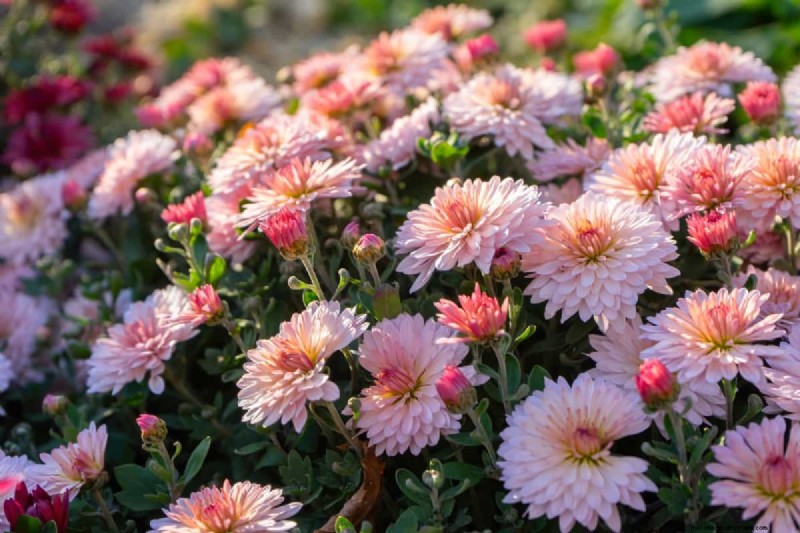
Effective disease prevention tackles issues like powdery mildew, rust, and botrytis blight through proactive measures and proper care. With seasonal tips covering spring preparation and summer maintenance, this guide equips gardeners with the knowledge to safeguard their chrysanthemums year-round, promoting healthy growth and vibrant blooms.
Mums are popular fall flowers that come in a variety of colors and shapes. They are generally hardy, easy to grow, but can be affected by pests, diseases that can reduce their health and beauty. Some of the common mum pests are aphids, spider mites, whiteflies, thrips, caterpillars, and leaf miners. Some of the common mum diseases are powdery mildew, rust, botrytis blight, leaf spot, and viral infections. To prevent and control these problems, it is important to follow some good cultural practices and use appropriate management methods.
In case you missed it: Management of Pests and Diseases in Home Garden: 100% Effective Control and Treatment Strategies

Powdery mildew, a fungal disease, causes white or gray patches on leaves and stems, reducing photosynthesis and flowering. Rust, another fungal disease, causes orange or brown pustules on the underside of leaves, causing premature leaf drop and plant weakness. Botrytis blight, another fungal disease, causes gray or brown fuzzy growth on flowers, buds, leaves, and stems, causing flower abortion, leaf spotting, stem rotting, and plant death.
Leaf spots, a term for various fungal or bacterial diseases, cause spots or lesions on leaves, ranging from yellow to brown to black, causing leaf drop or blight. Viral infections, transmitted by insects or infected tools, cause symptoms like mosaic patterns, ring spots, vein clearing, distortion, stunting, or wilting on leaves or flowers. There is no cure for viral diseases once they infect plants.
To prevent pests and diseases in mums, follow good cultural practices such as choosing healthy and disease-resistant varieties, planting them in well-drained soil with adequate organic matter, spacing them properly, watering them early in the day, fertilizing them according to soil test results and label instructions, mulching them with organic materials, pruning them regularly, sanitizing tools, inspecting them frequently, and removing weeds and debris around them.
Plant mums in spring or early fall when the soil temperature is between 60°F (16°C) and 70°F (21°C), and space them according to their mature size and growth habit. Fertilize them with a balanced fertilizer such as 10-10-10 or 20-20-20 at a rate of 1 pound per 100 square feet (9.3 square meters) of bed area. Water them deeply and infrequently to encourage deep-root development and drought tolerance.
Water them at the base of the plants, avoiding wetting the foliage to avoid fungal diseases. Water them early to allow the foliage to dry before nightfall. Mums need about 1 inch (2.5 cm) of water per week during the growing season, depending on the weather and soil conditions. They should be checked for soil moisture before watering and avoid overwatering or under-watering, as both can cause stress, damage to the plants.
Integrated pest management (IPM) is a method that combines various pest control methods to reduce the use of pesticides and their environmental impact. It involves identifying pests and their natural enemies, monitoring their population and damage levels, choosing the most effective control methods, and evaluating their effectiveness.
In case you missed it: How to Manage Pests and Diseases in Berry Orchards: A Comprehensive Guide

IPM methods can include cultural, mechanical, biological, and chemical control. Cultural control involves modifying the environment to discourage pests, mechanical control uses physical barriers, biological control uses natural enemies to reduce pest populations, and chemical control uses selective pesticides to target specific pests.
Biological control methods use living organisms to suppress pest populations naturally. These methods include ladybugs and lacewings, parasitic wasps, Bacillus thuringiensis (Bt), and neem oil. Ladybugs and lacewings feed on soft-bodied pests like aphids, thrips, whiteflies, and mites. Parasitic wasps lay their eggs on pests, laying larvae that feed on and kill their hosts.
It produces a toxin that kills caterpillars when ingested, available as a spray or dust for mums. Neem oil from the seeds of the neem tree has insecticidal, fungicidal, and repellent properties. These methods can be purchased from garden centers or online, should be applied according to label instructions, and used in combination with other IPM methods for best results.
Chemical pesticides are not recommended for mums, as they may harm beneficial insects and pollinators, as well as pose health risks to humans and pets. However, if the infestation is severe and other methods have failed, you may use a product that contains pyrethrin, a natural insecticide derived from chrysanthemums.
Pyrethrin is effective against many common mum pests, such as aphids, beetles, caterpillars, lace bugs, leaf miners, mealybugs, midges, mites, thrips, and whiteflies. It is also biodegradable and has low toxicity to mammals and birds. However, it may harm aquatic invertebrates and bees, so use it with caution and follow the label instructions carefully.
Companion planting growing different plants together to enhance their growth, health, and yield. Some plants can also repel or attract certain insects, providing natural pest control for mums. For example, basil can deter aphids, flies, and mosquitoes; garlic can repel aphids, beetles, and spider mites; marigolds can ward off aphids, nematodes, and whiteflies; and mint can keep away ants, aphids, cabbage moths, and flea beetles. Plant these companions near your mums to protect them from pests and enhance their fragrance.
Beneficial insects are those that prey on or parasitize pest insects, reducing their population and damage. Some examples of beneficial insects are can help Chrysanthemum are ladybugs, lacewings, hoverflies, parasitic wasps, and predatory mites. These insects can be attracted by the garden by planting flowers that provide nectar and pollen, such as alyssum, calendula, cosmos, dill, fennel, lavender, sunflower, and yarrow. You can also purchase some beneficial insects from garden centers or online suppliers and release them in your garden.
Organic pest control methods are alternatives to synthetic chemicals that harm the environment. Some options for Chrysanthemum include hand-picking, water spray, insecticidal soap, and neem oil. Hand-picking involves removing pests manually from plants and disposing of them in a bucket of soapy water or a sealed bag. Water spray is effective for large pests like beetles and caterpillars.
In case you missed it: Pest Control Cost Per Acre in India: Organic vs Chemical Cost Comparison
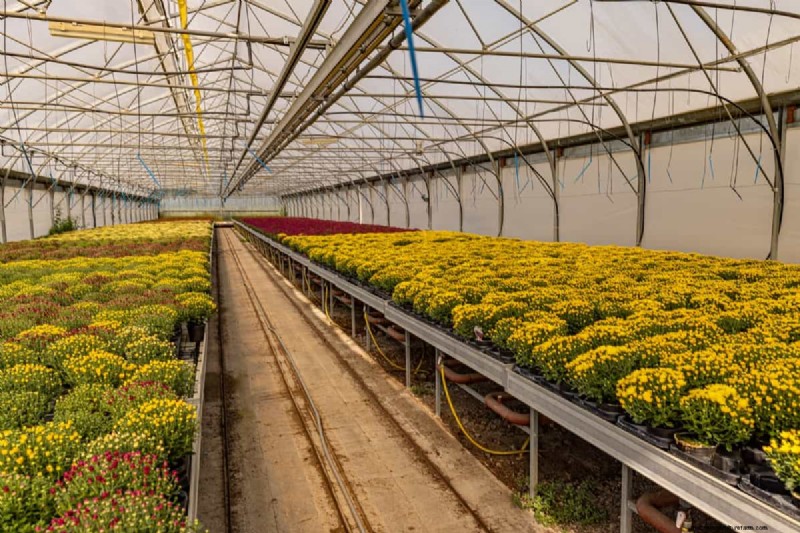
Insecticidal soap is a solution of soap and water that kills soft-bodied pests by disrupting their cell membranes. Neem oil, an extract of seeds of the neem tree, acts as a repellent, antifeedant, and growth disruptor for many pests. It also has fungicidal properties that can prevent fungal diseases like powdery mildew. Mixing two tablespoons of neem oil with 1 gallon of water and spraying the plants every 7 to 14 days is recommended.
In case you missed it: Pest Management in Sorghum: Major Insect Pests of Sorghum, Control, and Prevention
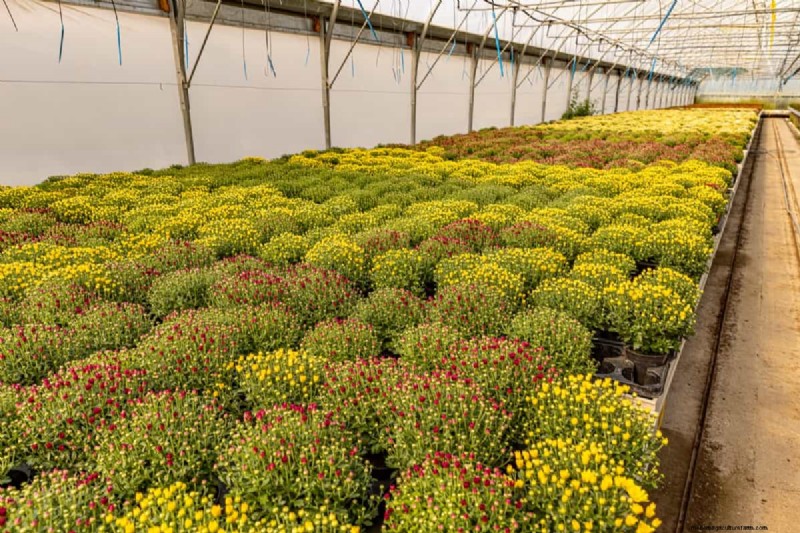
Spring
Summer
Fall: Enjoy the colorful blooms of your mums. Deadhead the spent flowers to prolong the flowering period. Water the plants until the ground freezes to prevent dehydration. Apply a layer of straw or evergreen boughs over the plants to protect them from winter damage.
Winter: Leave the plants dormant and prune them in spring. Remove the mulch gradually in early spring as the new growth emerges.
In case you missed it: Integrated Pest Management for Greenhouse Crops: IPM Strategies for Greenhouse Plants

Mums are popular fall flowers that can brighten up any garden or landscape. They are relatively easy to grow, care for, but they may face some challenges from pests and diseases. By following the tips above, you can prevent or manage most of the common mum problems and enjoy healthy and beautiful plants for years to come.


