
Welcome to Modern Agriculture!

Have you heard of glow-in-the-dark petunias? Did you hear about them but assume they were some kind of trick or joke? Well, they're here, and they're very real! And you can own one today.
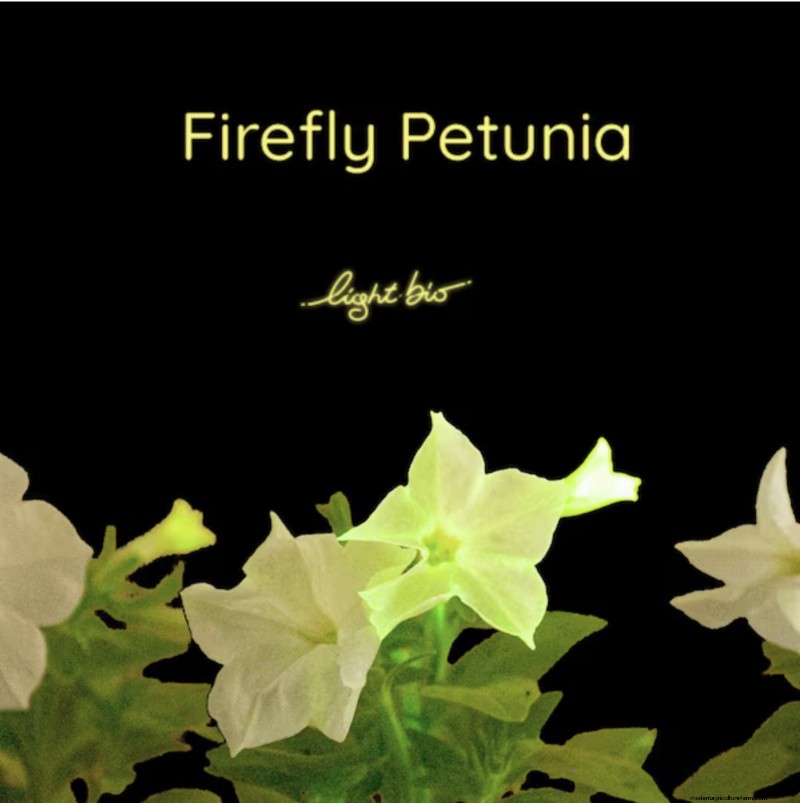
Meet "Firefly," the first commercially available glow-in-the-dark petunia. Developed by the company Light Bio, it hit the market in 2024. A breakthrough in synthetic biology, it really, truly does glow in the dark. Let's take a closer look.
The Firefly Petunia is the world’s first commercially available bioluminescent plant. You may have seen other "glow-in-the-dark" plants that are actually just sprayed with phosphorescent paint. The Firefly petunia, however, glows entirely on its own through natural metabolic processes.
Article continues below
As anyone growing petunias will tell you, they don't normally glow in the dark. But scientists at Light Bio genetically engineered this variety, integrating genes from the bioluminescent mushroom Neonothopanus nambi into the petunia’s DNA.
The result is a soft, ethereal greenish glow that emanates from the plant’s flowers, stems, and new growth. During the day, the Firefly Petunia looks like a standard, healthy white petunia. But as the sun sets, it transforms into a living lantern, with the brightest light concentrated in the young buds and growing tips.
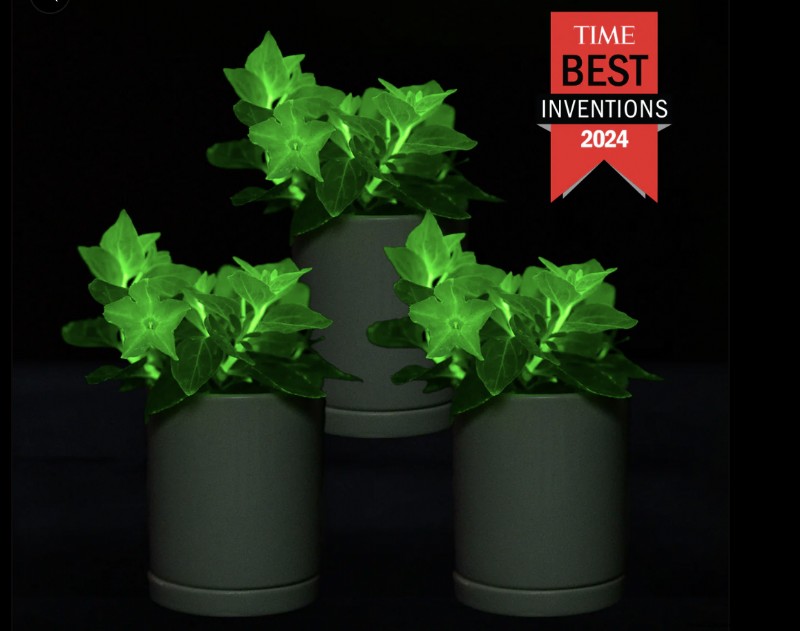
(Image credit: Light Bio)
You can't get a Firefly petunia just anywhere, and since it's a bioengineered organism, its sale is currently limited to live plants.
You can buy direct from the source on Light Bio's website. Also, if you shop through the site, you can get access to the Trial Pink Petunia, which is supposed to have "2 to 3 times the growing power" of the regular white variety. And it's pink!
Sign up for the Gardening Know How newsletter today and receive a free copy of our e-book "How to Grow Delicious Tomatoes".
Firefly petunias are also available from these authorized sellers:
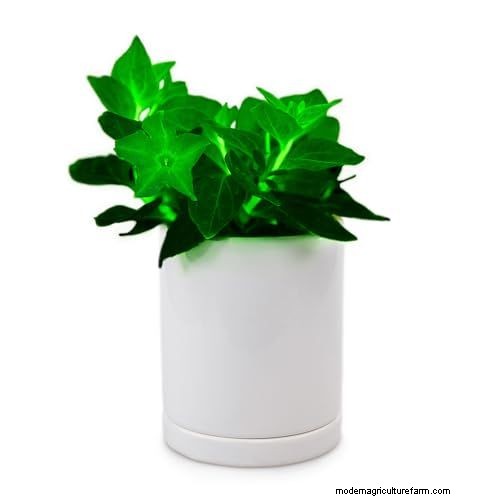
Firefly Petunia With Ceramic Pot
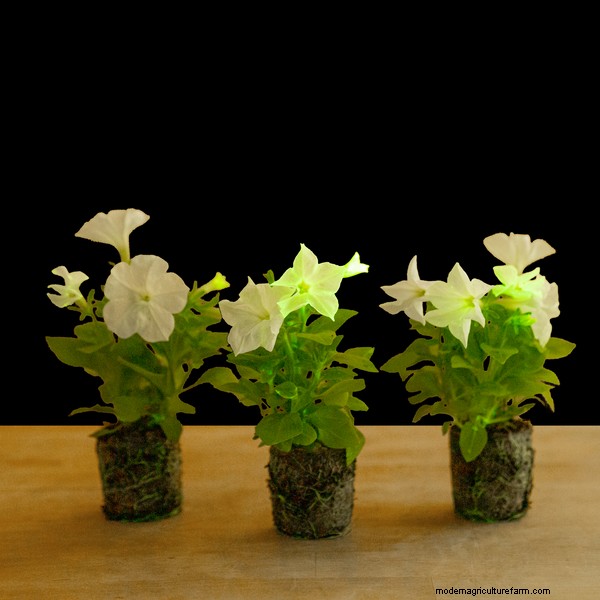
Firefly Petunia Mini 3-Pack
To get the most out of your Firefly Petunia, view it in a completely dark room. The human eye needs about 5 to 10 minutes to adjust to the darkness before the subtle, moonlight-like glow becomes fully visible. Avoid placing it near streetlights or bright nightlights, as light pollution will wash out the natural bioluminescence.
Firefly petunias may be a little science-fictiony, but they're actually very easy to care for and can be treated just like any other petunia. Keep in mind that the healthier the plant is, the brighter its glow will be.
Firefly Petunias thrive in full sun – they need at least 6-10 hours of direct light to keep up the energy needed for bioluminescence. If you're growing yours indoors, be sure to put it in a bright, south-facing window. If it's not getting enough light from the sun, supplement with a full-spectrum LED grow light.
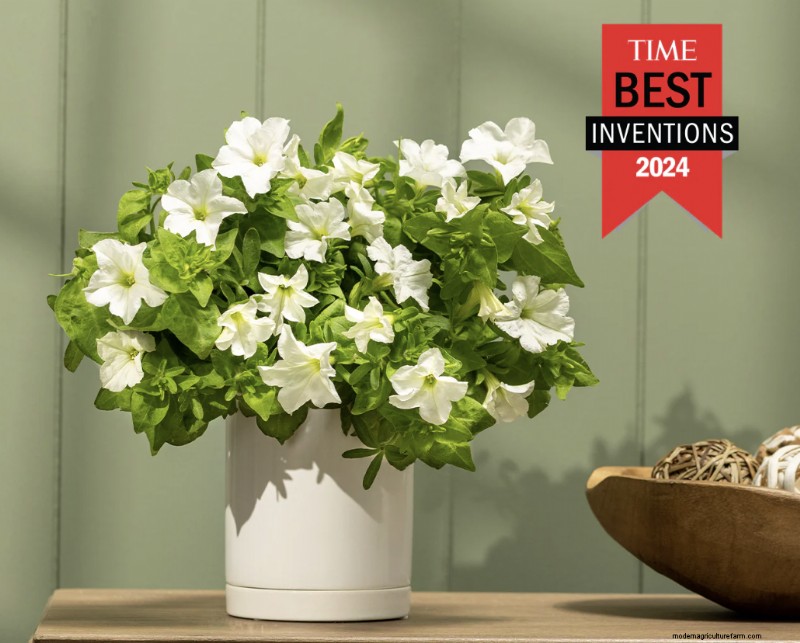
(Image credit: Light Bio)
Petunias like well-draining soil that's consistently moist but never soggy. If the top inch (2.5 cm) of soil feels dry to the touch, it's time to water.
Glowing is hard work, and Firefly petunias need to take in a lot of nutrients to keep it up. To keep the glow at its maximum intensity, apply a balanced fertilizer (like 20-20-20) every 1–2 weeks during the growing season.
Petunias are tender perennials, but a lot of gardeners grow them as annuals. They love warmth and should be kept in temperatures between 65 and 85 F (18-30 C). They're not frost-tolerant, so if you keep yours outside be sure to bring it in when temperatures start to dip in the fall. Indoors, keep them away from cold drafts or heat vents, both of which can dry out the delicate blooms.
Deadhead your Firefly petunia to encourage continuous blooming. New growth is the part of the plant that grows the brightest, so it's definitely in your interest to keep it producing.
If your plant becomes leggy, don't be afraid to trim it back – it'll respond with more new, highly luminescent growth.


