Welcome to Modern Agriculture!

Hello farmers, Are you interested in the struggles and successes of coconut farming in Karnataka? Well, you are in the right place. Karnataka’s scenic rural environment revolves around its coconut farms. Imagine a scene in which there are unending rows of palm trees waving in the breeze, farmers climbing trees at dawn, and villages bustling with the sound of coconuts being gathered. Coconuts have sustained Tumakuru and Hassan for generations, providing both financial security and self-identity. However, farming in this area is not a simple task. Every day is a struggle for farmers because of the unpredictability of the rain, the mounting costs, and the fluctuations in the market. Nevertheless, Karnataka continues to thrive as the leading producer of coconuts in India. How is it? We achieve these results through a combination of time-honored practices, forward-thinking ideas, and unrelenting effort. Let’s go out into the fields and talk to the individuals who are responsible for this green-gold color.
Not only does coconut growing provide a means of subsistence in Karnataka, but it also serves as a cultural and economic pillar. The state of Karnataka, which is India’s most important coconut-producing state, is responsible for almost 25 percent of the country’s overall production.
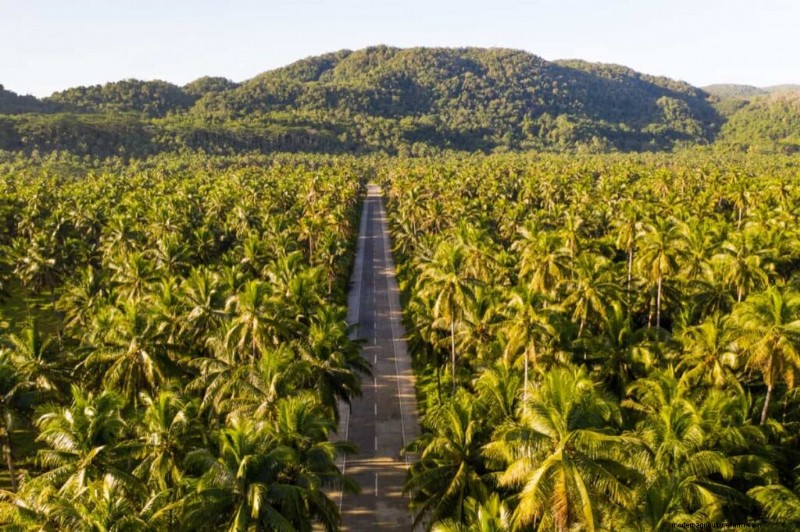
Farmers in areas such as Tumakuru, Hassan, and Mandya have succeeded in cultivating the crop because they have perfected the art of combining innovation with tradition in their farming practices. Coconut cultivation in this region is a narrative of resiliency and adaptation, since it serves multiple purposes, including supplying daily nutrition and fueling local businesses.
The state of Karnataka’s coconut fields have witnessed significant changes over the course of the last twenty years. Over the course of the period from 2000-2001 to 2015-2016, the percentage of the state’s agricultural land that was under cultivation increased from 18% to 25%.
This expansion was made possible by the enhancement of irrigation systems, the encouragement of the government, and the willingness of farmers to experiment with hybrid varieties. Currently, the coconut fields of the state are a combination of traditional wisdom and contemporary scientific research.
The coconut belt of Karnataka encompasses various locations, each of which possesses distinct advantages:
Collectively, these locations constitute the foundation upon which the coconut industry in Karnataka is built.
The development of Karnataka’s coconut industry can be attributed to the state’s diverse agroclimatic conditions. Districts along the coast, such as Dakshina Kannada, are dependent on the natural rainfall and humidity that occur there, while inland regions, such as Tumakuru, are reliant on sophisticated irrigation systems.
According to the findings of soil research, portions of Chitradurga and Davangere have been identified as potential centers for the production of delicate coconuts.
This versatility allows for cultivation throughout the year, regardless of the conditions that are present.
Coconut fields in Karnataka have seen an increase in productivity as a result of more efficient farming practices. Here is one example:
DistrictAnnual Per Palm Yield (Nuts)Per Hectare Yield (Nuts)Tumakuru394,134Hassan353,850Mandya374,000These numbers demonstrate the impact that methods such as drip irrigation, hybrids resistant to pests, and improved soil management have had.
More than 2.5 million people in Karnataka, ranging from harvesters to traders, make their living from the cultivation of coconuts. Alternative revenue streams have been generated, particularly for women and members of marginalized groups, as a result of innovations such as Neera tapping, which involves the extraction of a nutrient-rich sap from coconut trees.
The crop’s adaptability guarantees that no portion of the palm is wasted, as it can be used for anything from copra to coir.
Despite its importance, coconut cultivation faces numerous challenges. On the other hand, farmers in Hassan are struggling with pests such as the coconut rhinoceros beetle and eriophyid mite, while those in Tumakuru are dealing with drying conditions and dropping copra prices. Unpredictable rainfall and a lack of available workers further worsen the situation, driving many people into debt.
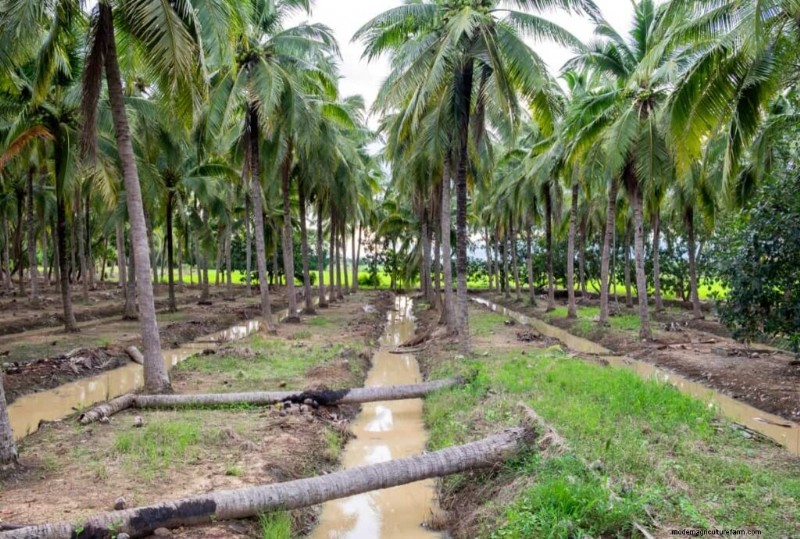
Drip irrigation has revolutionized coconut cultivation in water-scarce areas like Tumakuru. Farmers here are able to maintain harvests even during periods of drought because they use forty percent less water than they would otherwise use. The burden has been further alleviated by the government’s implementation of subsidy programs for borewells and pipelines, which has ensured a consistent supply of water.
Drones are increasingly being used by farmers to monitor the health of their crops, while mobile apps are being used to monitor market values. The use of precision agricultural instruments in Mandya helps optimize the use of fertilizer, which results in a 20% reduction in expenditures. These inventions are facilitating the integration of cutting-edge technology with centuries-old habits.
Coconut producers in the state of Karnataka frequently experience a rollercoaster of market prices. While the costs of tender coconuts in Chitradurga have skyrocketed as a result of the demand in the city, the prices of copra are extremely volatile. However, although cooperatives and government-regulated marketplaces are designed to stabilize earnings, the supply chain is nonetheless dominated by intermediaries.
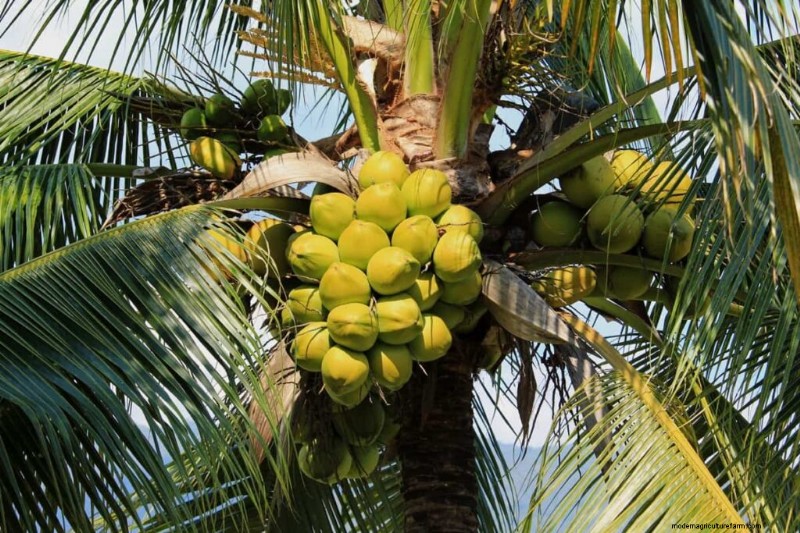
In Hassan, the cultivation of organic coconuts is gaining more and more popularity. Cow dung and pesticides derived from neem are used by producers as an alternative to the usage of chemicals. Intercropping vegetables and legumes improves the health of the soil, while rainwater collection systems contribute to the solution of the problem of water scarcity.
Farmers in Tumakuru were able to transform challenges into opportunities. Following several droughts in a row, they decided to implement solar-powered irrigation and hybrids that were resistant to drought. This district is able to generate 4,134 nuts per hectare at the present time, demonstrating that creativity may triumph over even the most difficult of circumstances.
In case you miss this: How to Stop Coconut Flower Drop.
The government of Karnataka provides financial assistance for the purchase of storage sheds, irrigation equipment, and organic certification as well. A cash relief of ₹5,000 per acre is provided to farmers during droughts, which assists them in maintaining their financial stability. When it comes to smallholders, these measures have been like lifelines.
The Ministry of Agriculture and Farmers Welfare, Government of India, formed the Coconut Development Board (CDB) as a statutory organization to promote the integrated growth of the nation’s coconut industry and agriculture, with an emphasis on product diversification and productivity enhancement.
Karnataka is well positioned to increase its footprint as a result of the growing demand for coconut oil and coir on a worldwide scale. There is the potential for new markets to be opened up through investments in cold storage facilities and export agreements. However, climate-resilient cultivars and education for farmers continue to be significant factors in ensuring continuous growth.
Karnataka’s coconut farming is an example of how inventive people can be. Farmers in the state have transformed coconut palms into representations of optimism and success, from the drought-resistant fields of Tumakuru to the Neera tappers of Hassan. Karnataka will continue to be India’s coconut heartland for many generations to come because solutions change along with the difficulties.
The following table is for the average cost of coconut cultivation in the Karnataka region in one acre.
ExpensesCost (₹)Labor18,000Irrigation12,000Fertilizers/Pesticides15,000Maintenance10,064Total65,064 ParameterDetailsTotal Cost (Annual)₹65,064 (includes labor, irrigation, fertilizers, pest control, maintenance) Average Yield Per Acre4,134 nuts (based on Tumakuru’s productivity)Market Price Per Coconut₹25–₹35 (varies by region, quality, and market demand)Revenue (Annual)₹1,03,350–₹1,44,690 (4,134 nuts × ₹25–₹35)Net Profit (Annual)₹38,286–₹79,626 (Revenue – Total Cost)Profit Margin37%–55% (depending on market price and cost management)
At the end of the day, the farmers of Karnataka who grow coconuts are not only cultivating crops; they are simultaneously cultivating hope. The farmer in Tumakuru is happy since his drip irrigation system is able to conserve water even if there is a drought. Neera sap is harvested by a woman in Hassan, where it is transformed into a delightful and life-changing source of money. We learn from these stories that coconut farming is more than spreadsheets. It’s about families, being resilient, and adjusting to a world that’s constantly changing. A new story is being written by the farmers of Karnataka, although obstacles such as water scarcity and poor pricing continue to exist. This new story is one in which tradition and technology come together, and each coconut palm offers the promise of a brighter tomorrow. Celebrate their tenacity, their lush crops, and the modest coconut that serves as the glue that holds them all together.