
Welcome to Modern Agriculture!

Watering a garden on a regular basis is essential due to the UK’s unpredictable climate, but manual methods are often inefficient and laborious. By precisely watering plants at specific times, an irrigation system automates this process, saving both time and money. UK homeowners considering this upgrade should research the average cost of installing an irrigation system. Examining practical, financial, and geographical considerations, this book aims to help gardeners make well-informed decisions.
Costs might vary depending on factors like the size of the garden, the type of system, and the intricacy of the installation. Local weather patterns and water limitations can also play a role. A gardener in Scotland may go for a more straightforward design rather than a garden drip system, depending on the region’s rainfall. These decisions have an immediate effect on the budgets. The examples provided in this tutorial illustrate how the cost of constructing an irrigation system in gardens in the UK can be modified to suit different needs.
Whether it’s a tiny urban garden in Birmingham or a huge rural estate in Cornwall, every garden has its unique challenges. Whether you’re an experienced gardener or a novice, this book will equip you with the necessary knowledge to design, plan, and implement an irrigation system that will maintain your garden’s health and greenery without exceeding your budget. Let’s find out the cost of installing garden irrigation in the UK.
The price tag for installing a garden irrigation system in the UK can vary widely depending on factors including garden size, system type, and installation specifications. Mini gardens are more cost-effective since they use fewer materials, such as components and pipelines, than bigger plots. There is a wide price range for sprinklers, soaker hoses, and drip irrigation systems; however, drip systems are often more cost-effective for precise watering. Sloped or multi-zoned gardens are examples of intricate setups that might drive up labor expenses due to the specialized knowledge they demand.
The usual range for the cost of installing garden irrigation is £500 to £5,000. A Brighton homeowner invested £2,500 in a drip irrigation system for a medium-sized garden, resulting in a 30% reduction in water expenditures. One aspect that affects the cost of an irrigation system is the addition of efficiency-boosting but initially expensive accessories, like timers or smart controllers. An eco-conscious Hampshire gardener discovered the ideal solution—a smart system with moisture sensors—that would cost an extra £1,000 to £3,000.
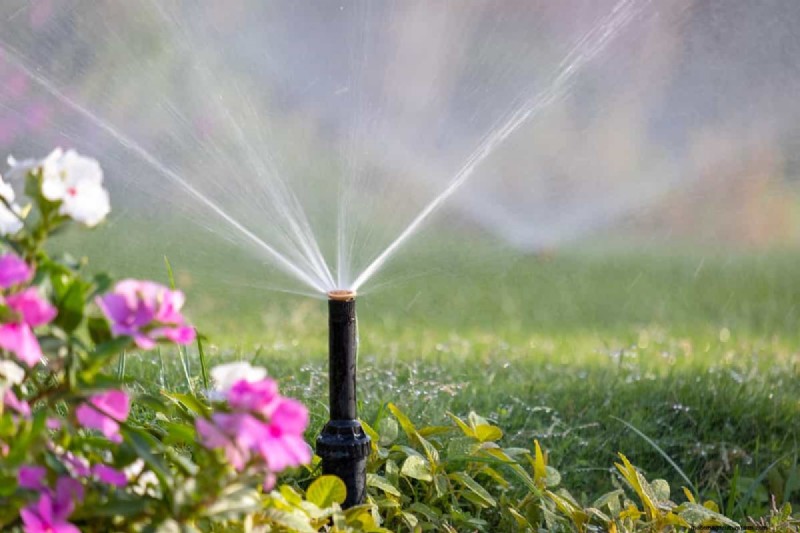
Effective irrigation systems in drier places, like East Anglia, prioritize water-saving technologies when budgeting for compliance with local requirements. In more rainy areas, like Scotland, simpler systems are sufficient, which means less expensive overall. It is important for gardeners to consider the local climate and rules while adjusting their budget.
Choosing the right system is crucial for keeping the cost of installing an irrigation system in gardens in the UK under control. Drip irrigation, soaker hoses, and sprinklers can all meet different demands and budgets. While sprinklers are ideal for large lawns, their maintenance can be challenging, and drip systems, which directly water the soil to the roots, are ideal for smaller gardens. A cheap and versatile option, soaker hoses are perfect for smaller settings or do-it-yourself installations.
Drip irrigation systems can range in price from £300 to £1,500 to set up. A gardener from London spent £800 on a drip system for a 50-square-meter area, which drastically cut down on watering time. Sprinkler systems can cost anything from £500 to £3,000 to install, with smart features like weather-based controls adding an extra £500 to £1,000 (as demonstrated in a £2,000 scenario in Surrey). A gardener in Yorkshire spent £150 on a soaker hose, which typically costs between £50 and £200.
In the South and East, drip irrigation systems are the preferred choice for efficient irrigation due to their ability to adhere to water restrictions. In Wales, where it rains a lot, people utilize sprinklers or hoses to meet their unpredictable water needs, which keeps costs down. Customization to the garden’s and the region’s specific requirements ensures both cost-effectiveness and performance.
In gardens in the UK, the cost of constructing an irrigation system is highly dependent on the garden’s dimensions and layout. Because more emitters, pipes, and manpower are needed for larger gardens, the cost of the garden grows as its size increases. Complex layouts, such as those with raised beds, trees, or uneven terrain, require unique designs due to zoning or specialist components, which in turn adds expenses. The cost of watering a simple, level lawn is far lower than that of watering a multi-tiered garden.
The average range for estimating the cost of irrigation for small gardens is £300 to £1,000. On a 30-square-meter garden with raised beds, a homeowner from Bristol spent £600 on the drip system. Large estates may incur watering costs of more than £3,000, as demonstrated in a Hampshire case when a 500-square-meter garden required a £4,000 sprinkler system. Labor expenses could rise by 20%–30% for intricate designs due to the impact of garden layouts on irrigation expenditures.
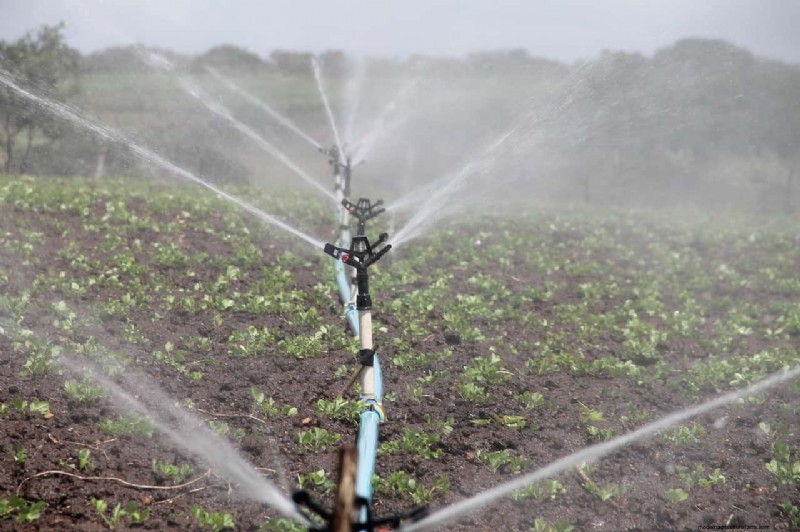
Compact spaces in cities like Manchester still have cheaper watering costs due to their smaller footprints, but they might require professional labor. In more remote regions, like the Cotswolds, materials for large gardens tend to be pricier. Assessing the garden’s dimensions and potential obstacles beforehand allows for precise budgeting.
When planning an irrigation system for a garden in the UK, labor costs often account for 40%–60% of the overall budget. Professional installation ensures reliable setups, especially for complex systems; nonetheless, costs vary with project size, expertise, and local rates. Installing it yourself may save money in the short term, but it requires skill, patience, and attention to detail to avoid costly problems later on.
Installing an irrigation system by a professional may cost anything from £200 to £2,000. Spending £1,200 on a smart irrigation system allowed a Surrey gardener to guarantee seamless integration. The materials for a do-it-yourself irrigation system installation can cost anywhere from £50 to £300, as seen in a Manchester situation where a soaker hose system costing £150 needed extra time to fix leaks. The amount of labor needed to set up irrigation depends on the garden’s size and the sophistication of the system.
In more costly locations, such as London, the labor expenses for installing irrigation are higher, which in turn increases budgets. Countries like Northern Ireland can save money by lowering their rates. Yarders should weigh the pros and cons of hiring a professional vs. doing it yourself based on their skills and the current labor market trends in their area.
The upfront cost of installing an irrigation system in a British garden may be higher, but the long-term cost savings from using smart technology more than make up for it. To cut down on water waste, smart controllers, moisture sensors, and weather-based timers automatically change the watering plan. In regions where water is scarce, these features are especially attractive to gardeners who prioritize sustainability and convenience of use, even though they come at a higher price.
Depending on the features included, the installation cost of a smart irrigation system can range from £1,000 to £4,000. After spending £2,800 on a sensor-enabled smart drip system, a Kent homeowner saw a 25% reduction in water use. A major benefit of smart lawn irrigation systems is the ability to remotely control them using applications. A £3,000 system in Cardiff demonstrated the advantage by enabling schedule modifications while on the road. An additional £200 to £800 is often required for smart controller irrigation systems when compared to standard setups.
Complying with strict water regulations justifies higher prices for installing water-efficient smart irrigation in the Southeast. In the West Midlands and other damper regions, simple smart timers offer a cost-effective solution. When considering smart solutions, gardeners should consider the upfront expenses in relation to the potential savings in the long run.
Establishing an irrigation system in a garden in the United Kingdom might be expensive, depending on factors like local regulations and available water. There is a wide range in the initial investment and regulatory hurdles for mains water, rainwater collection, and borehole systems. Effective configurations are necessary to avoid problems caused by regulations such as metering or hosepipe prohibitions, which impact system design, particularly in water-stressed areas.
The whole cost of collecting rainwater for irrigation, including the cost of tanks and pumps, can range from £500 to £2,500. A gardener from Devon invested £1,800 in a rainwater collection system to reduce reliance on mains water. The effect of water regulations on irrigation expenditures might rise by £100 to £500 for compliant components, as shown in a Norfolk case needing a £300 metered connection. Despite the smaller initial investment (sometimes £200 to £1000) in a mains water irrigation system, the accumulated use costs might be rather substantial.
In East Anglia, where water is scarce, reducing costs and regulatory worries is possible with strategic irrigation planning that incorporates rainwater collection. In regions that receive a lot of rain, like Cumbria, mains water installations are simpler and cheaper. Reviewing the rules and regulations set out by the local water authority can help gardeners stay in compliance and save money.
The initial investment and the system’s durability are both affected by the quality of the materials used to construct an irrigation system in a garden in the United Kingdom. Superior emitters, connectors, and pipelines are more costly up front, but they last longer and need less upkeep. Cheaper materials may save money initially, but they may leak or break and require repairs or replacements later on.
A system’s size determines the price range for high-quality irrigation supplies, which could range from £200 to £2,000. A Cheshire gardener spent £1,500 on durable drip parts and went ten years without replacing them. Durability of irrigation system components affects lifetime, as shown in a Dorset case where £800 worth of premium sprinklers outlasted cheaper alternatives. Inexpensive irrigation materials may cost anything from £50 to £500, but they are prone to regular repairs.
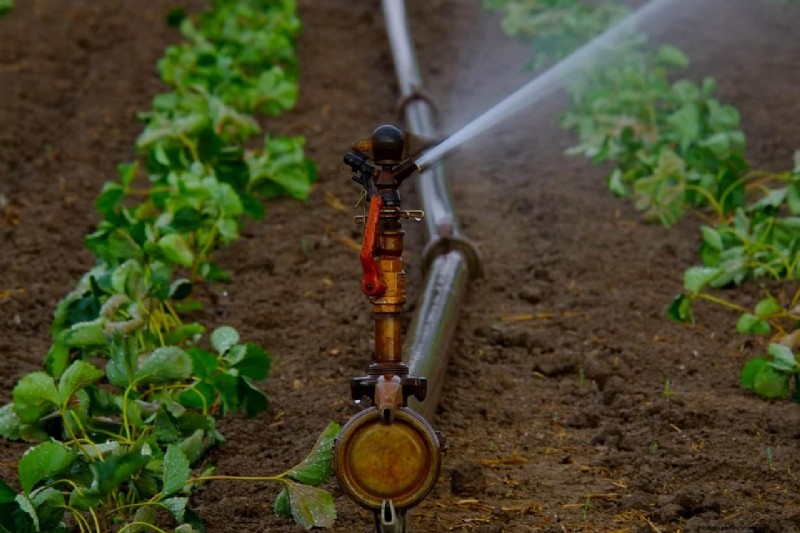
To protect coastal areas like Cornwall from corrosion caused by salty air, it is justified to choose long-lasting irrigation materials, which means paying a greater price. In the Midlands and other inland regions, standard materials are sufficient, which means prices are lower. Gardeners should find a happy medium between cost and material quality to ensure the reliability of their systems over the long run.
Installing an irrigation system in a garden in the United Kingdom might be expensive because of the ongoing maintenance required. Regular checks for leaks, obstructions, or winterization can save expensive repairs, particularly for complex systems. The cost of upkeep might vary depending on factors such as the size of the garden, the type of system used, and if professional or do-it-yourself methods are used.
Costs for yearly irrigation system maintenance may be anywhere from fifty pounds to five hundred pounds. A Sussex gardener spent £200 annually on expert drip system maintenance to guarantee efficiency. As an example, in one situation in Cumbria, £100 was spent to keep pipes from freezing, but the cost of winterizing irrigation systems might vary from £50 to £200. While doing irrigation maintenance on your own can save you money (anything from £20 to £100), it does require some effort and expertise.
If you live in a colder area, like Scotland, you must winterize your irrigation system to save money and avoid pipe damage. Lower maintenance costs are a result of living in the Southwest and other milder climates. Budgeting for routine maintenance can help gardeners extend the lifespan of their systems and avoid unexpected costs.
Gardeners in the UK who are handy and technically savvy can save a ton of money by installing their own irrigation systems. Even though expert settings ensure accuracy, do-it-yourself attempts save work, particularly for basic drip setups or soaker hoses. But mistakes might lead to wasted time and money in repairs or inefficiency.
The average cost to install an irrigation system is between £50 and £500. A gardener from Leeds saved £400 by installing a drip irrigation system himself, using just £200 instead of paying an expert. The instruments needed for DIY irrigation installations might cost anything from £20 to £100, as seen in a Somerset case that required basic plumbing tools for £50. The time and effort required to fix leaks is a perfect example of the difficulties inherent with do-it-yourself irrigation systems, as the Leeds gardener demonstrated for hours.
In rural areas like Yorkshire, where labor costs are lower, DIY irrigation has become popular as a cost-effective alternative, eliminating the need to engage professionals. Inconveniently confined metropolitan areas in London might discourage do-it-yourself tasks in favor of hiring professionals. Gardeners should assess their skill level and the complexity of their garden before opting to handle it themselves.
A garden’s water needs, irrigation system design, and overall construction cost can be greatly affected by the local climate in the United Kingdom. Less rainy areas can get by with less complicated setups, but drier areas need more dependable and water-efficient systems, which drives up the price. If gardeners are aware of the local weather patterns, they may choose solutions that are both economical and environmentally benign.
In dry regions, drip irrigation systems are the most costly option, costing between £1,000 and £4,000. A gardener from Essex spent £2,200 on a drip irrigation system to combat the dry summers. Irrigation expenses in wet regions are typically cheaper, ranging from £300 to £1,500, as seen in a Welsh case where a £600 sprinkler system was sufficient. The method used by Essex reduces water bills, which proves that adapting irrigation to the local climate is a cost-effective option.
Efficiency is key when it comes to water conservation irrigation in dry regions of the Southeast. Simple systems can be installed at a minimal cost in Scotland due to the country’s abundant rainfall. In order to find solutions that are both affordable and practical, gardeners need to look at the weather data for the area.
Zoning, which is dividing a garden into watering zones, minimizes the cost of installing an irrigation system in gardens in the UK by adapting water distribution to plant requirements. While efficiency is guaranteed by separate zones for lawns, beds, and trees, the installation cost is increased due to the additional valves and pipes that are required. Reduced water waste through effective zoning leads to long-term cost savings.
A zonal irrigation system can be expensive to set up, costing between £800 and £3,500. The Warwickshire gardener who spent £2,000 on a multi-zone drip system for his plants managed to cut his water consumption by 20%. The use of zoning in irrigation design allows for precise watering, as shown in a case study of Kent, where a sum of £1,800 was used to ensure tailored hydration. The complexity and quantity of zones in a garden dictate the price of a zoning irrigation system.
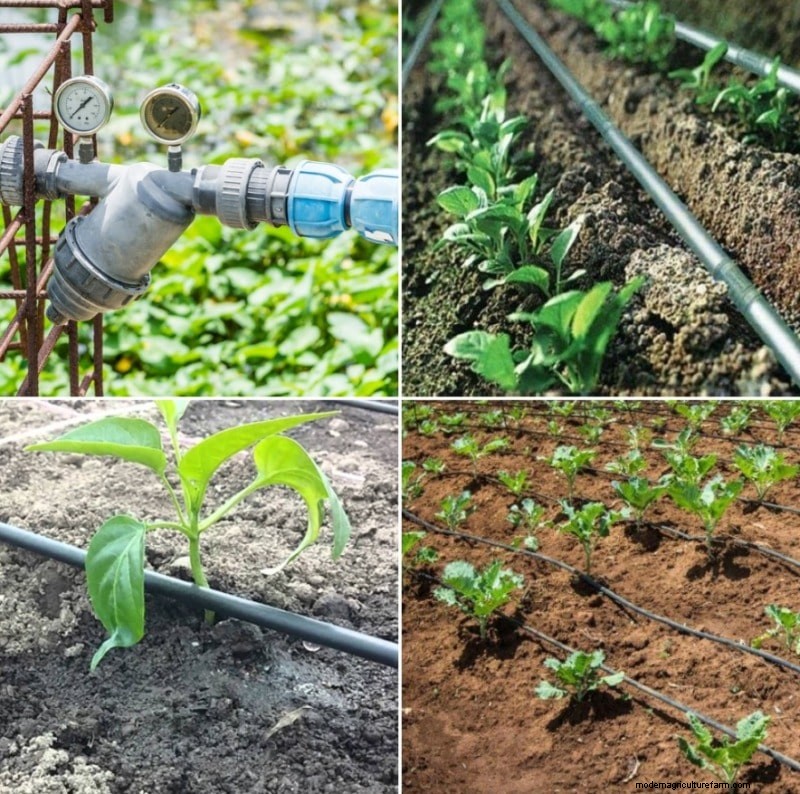
The Cotswolds’ varied gardens use zoned watering to maximize efficiency, which explains why certain plant needs are more expensive than others. East Anglia’s simpler lawns reduce costs by having fewer zones. Gardeners can establish cost-effective zoning by mapping plant types and water needs.
A garden irrigation system is an investment that can pay for itself in the long run in the United Kingdom. Efficient systems save water bills, labor costs, and plant replacement expenses by ensuring continual maintenance. In the case of smart or zoned systems, gardeners can use these savings to justify the upfront costs.
Installing an irrigation system might save you anywhere from £100 to £500 per year over time. An annual water savings of £300 was achieved by a Norfolk gardener with the installation of a £2,500 drip system. A sprinkler system installed for £1,800 in Dorset reduced water consumption by 25%. The payback period for an irrigation system is three to seven years, depending on consumption, according to the cost-benefit analysis.
In the Southeast, where water is scarce, irrigation for water conservation boosts yields via efficiency. In the rainier Northwest, savings are lower but nevertheless significant. The potential savings could be estimated by gardeners by taking into account the local water costs and their garden’s requirements.
Permits and compliance requirements can impact the cost of building an irrigation system in UK gardens, particularly in regulated locations. Administrative costs are increased because permits are required in certain places for water hookups or to comply with environmental norms. To avoid fines and ensure a smooth installation, familiarity with local legislation is essential.
Irrigation system permits can be priced anywhere from fifty pounds to five hundred pounds, subject to the discretion of the local authorities. A gardener from Hertfordshire forked over £200 for a permit to connect to the water system. The installation of metered connections is one component of the compliance expenses for irrigation, as shown in an example costing £300 in Oxford. A gardener from Hertfordshire saved £100 by monitoring the watering needs ahead of time.
In regions with strict regulations, such as the Southeast, it is crucial to comply with irrigation regulations in order to avoid fines. In less regulated places, like rural Wales, permits are often not needed, which means costs are lower. It is recommended that gardeners contact the local authorities for clarification prior to installation.
Comparing quotes from multiple installers is a great way to keep the expense of installing an irrigation system in a UK garden under control while still ensuring competitive pricing and top-notch service. Because estimates change based on personnel, materials, and enterprise expertise, exploring alternatives exposes cost-cutting potential. Gardeners should inquire about detailed breakdowns so they can understand inclusions.
It is common practice to save 10% to 20% on irrigation installation costs by comparing offers. The Gloucestershire gardener spent £1,800 on a drip system after saving £400 after comparing three offers. It was critical to locate affordable irrigation specialists in Suffolk when a £2,000 sprinkler system beat out larger bids. Evidence from Gloucestershire shows that evaluating irrigation contractor pricing ensures transparency.
To save money, it is vital to compare irrigation quotations in urban London due to the high labor costs. Less competition among contractors could lead to lower rates and fewer options in rural Northern Ireland. In order to obtain the best deal, gardeners should compare at least three quotes and verify the installer’s qualifications.
Investing in an irrigation system may completely change gardens in the UK. It ensures healthy, lush plants with no effort, but careful planning is essential. The price tag for installing an irrigation system in a British garden can vary widely depending on factors including the garden’s dimensions, the chosen system, the available workforce, and the surrounding area. With this knowledge, gardeners can make educated choices that take into account both the short-term expenses and the long-term benefits, such as reduced water usage and increased plant vitality.
The variety of options and costs is illustrated by real-life examples, such as a £150 DIY setup by a Yorkshire gardener or a £2,500 drip system by a Brighton homeowner. Variations in climate can also play a role in decision-making; for instance, simpler arrangements are possible in wetter regions like Wales, whereas efficient systems are required in drier regions like East Anglia. Gardeners should consider the needs of their garden, the weather in their area, and any regulations in order to get the most out of their money.


