Welcome to Modern Agriculture!

The true cost of starting a raised-bed kitchen garden is a journey where every dollar invested today impacts tomorrow’s harvest, hidden beneath the surface of brilliant veggies and lush greenery. The reality of expenses might be as complex as the soil itself, despite the allure of the imagined homegrown tomatoes and aromatic herbs. Unexpected costs can arise at any time, from the time you select the supplies for your raised beds to the last fertilizer application. From the cost of rot-resistant wood frames to the worth of nutrient-dense soil blends, this guide reveals the whole financial picture. Knowing these expenses guarantees that your garden produces not only food but also financial wisdom, regardless of whether you’re designing a modest backyard plot or an opulent metropolitan sanctuary. Let’s dive in and break down the actual costs included in the raised-bed kitchen gardening.
The framework of your raised-bed kitchen garden serves as the basis, and the selection of materials has a direct impact on both the initial price and the long-term durability of the structure. Prices for a typical 8-by-4-foot bed in the United States can vary greatly depending on the quality of the material and the availability of the product in the area. The least expensive choice is untreated pine, which costs between two and four dollars per linear foot, for a total of sixty-four to one hundred and twenty-eight dollars for an eight-by-four-foot bed. However, it may bend or decay within five to seven years.
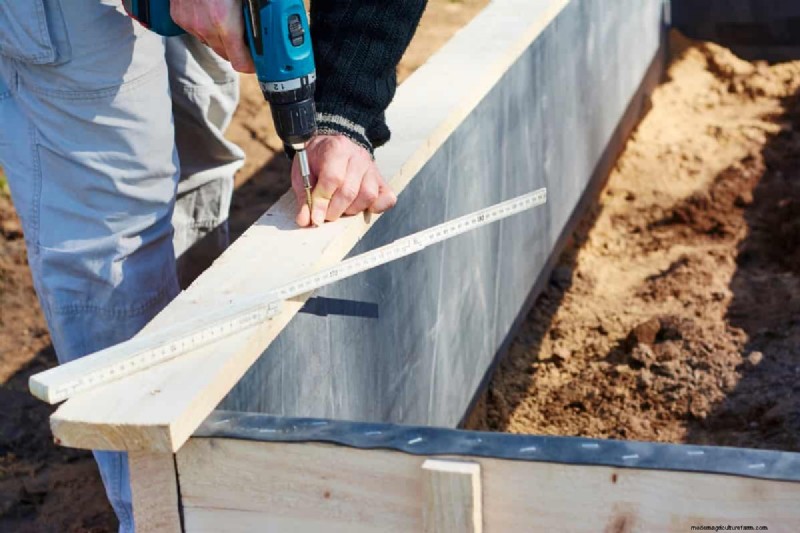
Cedar and redwood, which range in price from six to ten and eight to fifteen dollars per linear foot, respectively, are suitable for long-term gardens because they are naturally resistant to decay and can survive for ten to twenty years. The cost of recycled plastic mattresses ranges from ten to twenty dollars per linear foot (a total of three hundred and sixty-four dollars), but they do not need to be replaced for decades. Although concrete blocks (1.50–3 each block, totaling 120–240) and galvanized steel panels (25–40 per panel, totaling 400–640) are likewise long-lasting, the assembly of these materials may need additional labor. A cedar bed, for instance, costs $320 up front and costs $10 per linear foot; nevertheless, its 15-year lifespan minimizes the frequency with which it needs to be replaced in comparison to other, less expensive woods. Here is the table with different materials and their costs.
MaterialCost per Linear Foot ($)Total Cost (8×4 Bed) ($)Lifespan (Years)Best ForUntreated Pine2-464-1285-7Budget-conscious beginnersCedar6-10192-32010-15Long-term gardenersRedwood8-15256-48015–20High-end, low-maintenance gardensRecycled Plastic10-20320-64020+Eco-friendly, permanent setupsConcrete Blocks1.50-3 per block120-24025+Urban gardens, heavy-duty useGalvanized Steel25-40 per panel400-64010-12Modern aesthetics, pest resistanceYour garden’s productivity is directly proportional to the quality and quantity of the soil mix, and the costs are determined by both factors. Forty-two cubic feet of soil are required to fill a conventional 8-by-4-foot bed to a depth of twelve inches. Although it costs between $25 and $50 per cubic yard (29 to 59 total), basic topsoil is deficient in nutrients. Premium mixes (60–120 per cubic yard, 71–142 total) enable adequate drainage and aeration, while compost blends (40–80 per cubic yard, 47–95 total) promote fertility. Compost blends range from 47 to 95 total. When it comes to large yields, custom garden mixes that are specifically designed for veggies (ranging from 80 to 150 per cubic yard and 95 to 178 total) are appropriate. As an illustration, a premium mix that costs $120 per cubic yard can be purchased for $142 for 32 cubic feet, but the nutritional density of this mix can improve the health of plants. A more cost-effective method of keeping moisture is the use of coconut coir, which costs between thirty and sixty dollars per cubic yard and thirty-five to seventy dollars overall. Here is the table for cost breakdowns for different soil types.
Soil TypeCost per Cubic Yard ($)Total Cost (32 cu ft) ($)BenefitsTopsoil25-5029-59Budget filler, minimal nutrientsCompost Blend40-8047-95Rich in organic matterPremium Potting Mix60-12071-142Lightweight, excellent drainageCustom Garden Mix80-15095-178Tailored for vegetables/herbsMushroom Compost50-9059-106High nitrogen, improves soilCoconut Coir30-6035-70Moisture retention, eco-friendlyBoth the initial costs and the long-term harvests are affected by the selection of plants. For an 8×4 bed, seeds are more cost-effective initially (2–6 per package), but they require a period of time to germinate, whereas seedlings (2–6 each) offer immediate growth. Tomatoes, for instance, require four to six plants (12 to thirty-six seedlings), as opposed to a single packet of two to five seeds. Direct sowing of leafy greens such as lettuce, which can produce 10–15 plants, using three to six seeds per packet. Herbs such as basil can be purchased for 3–5 per seedling or for 2–4 each seed packet. Seedlings are the best option to go with if you want to save time while cultivating plants that mature slowly, such as peppers. Here is the table for some plants seed and seedling cost breakdowns.
Plant TypeSeed Packet CostSeedling Cost (Each)Quantity per BedTotal Seed CostTotal Seedling CostTomatoes2-53-64-62-512-36Leafy Greens3-62-410-153-620-60Peppers4-74-76-84-724-56Herbs (Basil)2-43-58-102-424-50Carrots2-5N/A (direct sow)1 packet covers2-5N/AZucchini3-64-84-63-616-48Overwatering and underwatering can be avoided with an effective watering system. The cost of a basic soaker hose arrangement ranges from twenty to fifty dollars, while drip kits with timers can cost anywhere from fifty to one hundred and fifty dollars. For large gardens, automated systems with smart controllers can be purchased for more than 150 to 300 dollars.
Irrigation TypeCost RangeSetup TimeWater EfficiencyBest ForSoaker Hoses20-5030 minsModerateSmall gardens, manual controlDrip Kits50-1501 hourHighMedium-sized bedsSprinklers30-8020 minsLowQuick watering, uneven coverageSmart Controllers150-3001-2 hoursVery HighTech-friendly gardenersRain Barrels100-2501 hourEco-friendlyWater conservation enthusiastsOlla Pots20-40 each15 minsHighArid climates, low maintenanceTo maintain healthy soil, periodic amendments are required. Both compost (five to fifteen per bag) and worm castings (ten to twenty-five per bag) organically enhance the soil. Despite their high price per bag, synthetic fertilizers such as 10-10-10 NPK produce results in a short amount of time.
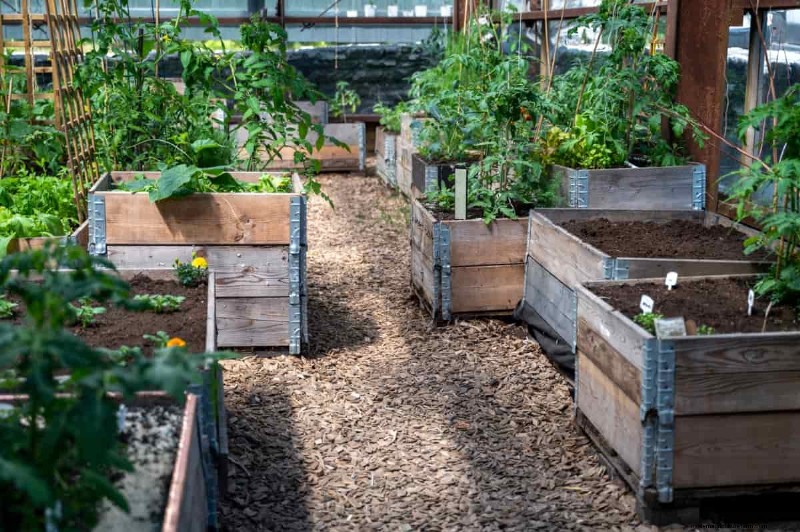 AmendmentCost per Bag ($)Application RateTotal Annual Cost ($)BenefitsCompost5-152–3 bags/bed10-45Improves soil structureWorm Castings10-251–2 bags/bed10-50Boosts microbial activityBone Meal8-181 bag/bed8-18High phosphorus for root growthBlood Meal10-201 bag/bed10-20Fast nitrogen release10-10-10 Fertilizer15-301–2 bags/bed15-60Balanced synthetic nutrientsDolomite Lime5-121 bag/bed5-12Adjusts soil pH
The initial costs are increased by essential tools. A basic shovel (between $20 and $50) and a hand trowel (between $10 and $25) are required. Time can be saved by making long-term expenditures such as purchasing a wheelbarrow ($100–$200) or a garden fork ($30–$60).
Tool NameCost Range ($)Lifespan (Years)Usage FrequencyShovel20-505-10DailyHand Trowel10-253-5DailyGarden Fork30-605-10WeeklyWheelbarrow100-20010+WeeklyPruning Shears15-405-7WeeklyHose/Sprinkler20-805-10DailyThe cost of protecting your garden from pests is an additional expense. There are organic options that are good for the environment, such as row covers ($15–$40) or neem oil ($10–$25 per bottle). The cost of chemical pesticides ranges from twenty to fifty dollars, yet they are harmful to beneficial insects.
Pest Control MethodCost Range ($)EffectivenessEco-Friendly?Neem Oil10-25ModerateYesRow Covers15-40HighYesDiatomaceous Earth8-15ModerateYesOrganic Slug Bait12-20HighYesChemical Pesticides20-50HighNoCompanion Planting0-10VariableYesDo-it-yourself installation can save you money (between zero and one hundred dollars for supplies), whereas hiring a landscaper might cost anywhere from five hundred to one thousand five hundred dollars for design and installation.
OptionCost Range ($)Time InvestmentSkill LevelDIY0-100 (tools)4-8 hoursModeratePartial Help200-5002-4 hoursLowFull Professional500-1,500+1-2 daysNoneSoil Delivery50-2001 hourN/AIrrigation Install100-3002-3 hoursHighSeasonal Maintenance50-1501-2 hours/monthLowThe cost of water varies from region to region. Each watering of a 32-square-foot bed requires 10–15 gallons of water. With an average price of $0.005 per gallon in the United States, annual costs might range anywhere from ten to thirty dollars.
Water SourceCost per Gallon ($)Annual Cost (32 sq ft)EfficiencyMunicipal Water$0.00510-30LowRain Barrel$0 (after setup)0-50 (initial)HighWell Water0.002-0.0045-20ModerateGreywater Systems200-500 setup0-10Eco-friendlyDrip Irrigation0.003-0.0058-25HighSoaker Hose0.004-0.00612-35ModerateMulch (five dollars to fifteen dollars per bag), soil testing (fifteen dollars to thirty dollars), and winter protection (twenty dollars to fifty dollars) are all components of annual maintenance.
 ItemCost Range ($)FrequencyPurposeMulch5-15YearlyWeed control, moistureSoil Test Kit15-30YearlypH/nutrient analysisWinter Covers20-50SeasonalFrost protectionReplacement Seeds10-30YearlyReplantingFertilizer Refills20-60YearlyNutrient replenishmentPest Control Repeats10-40As neededOngoing pest management
Pine beds, dirt, and seeds can be purchased for between $200 and $500 for an 8×4-foot garden. Cedar beds and drip irrigation are included in the mid-range installations, which vary from $500 to $1,000. Premium materials and automation are features of high-end gardens, which range from $1,000 to $3,000.
Budget TierTotal Cost Range ($)IncludesBasic200–500Pine beds, topsoil, seedsMid-Range500–1,000Cedar beds, compost, drip systemsPremium1,000–3,000+Redwood/plastic beds, smart techUltra-Luxe$3,000+Custom designs, full automationCommunity Garden$5,000+Multiple beds, shared resourcesUrban Rooftop2,000–5,000Lightweight materials, irrigationThe annual cost of soil amendments, insect management, and replacements should be anticipated to range between $100 and $300. The higher costs of organic garden fertilizers result in a range of $150–400.
CategoryCost Range ($)NotesSoil Amendments50-150Compost, fertilizersPest Control20-80Organic vs. chemical optionsSeeds/Seedlings30-100Replanting annualsIrrigation Repairs10-50Fix leaks, replace partsTools Replacement20-100Sharpening, new bladesWinter Prep20-70Mulch, coversWhen opposed to going food shopping, growing your own vegetables can save you between $500 and $2,000 annually. When sold at retail prices, a single tomato plant produces 10–20 pounds of fruit, which is worth 20–40 dollars.
VegetableHomegrown Cost (per lb) in $Store-Bought Cost (per lb) in $Annual Savings ($)Tomatoes0.50-1.003.00-5.00100-300Leafy Greens0.20-0.502.00-4.0050-150Herbs0.10-0.302.50-5.0030-100Peppers0.75-1.502.00-4.0050-200Zucchini0.30-0.601.50-3.0040-120Carrots0.20-0.401.00-2.0030-80Poor soil preparation (costing more than fifty to two hundred dollars to remediate compaction), excessive seed purchases (costing twenty to fifty dollars squandered), and untreated pests (costing one hundred to three hundred dollars in crop loss) are examples of unanticipated expenses.
Hidden CostImpactPrevention TipsSoil CompactionStunted growthUse raised beds; avoid walkingOverwateringRoot rot (50-150)Install drip systemsCheap MaterialsFrequent replacementsInvest in cedar/plasticIgnoring pHNutrient deficienciesTest soil annuallyInvasive PestsCrop failureUse row covers, neem oilOverplantingPoor yieldsFollow spacing guidelines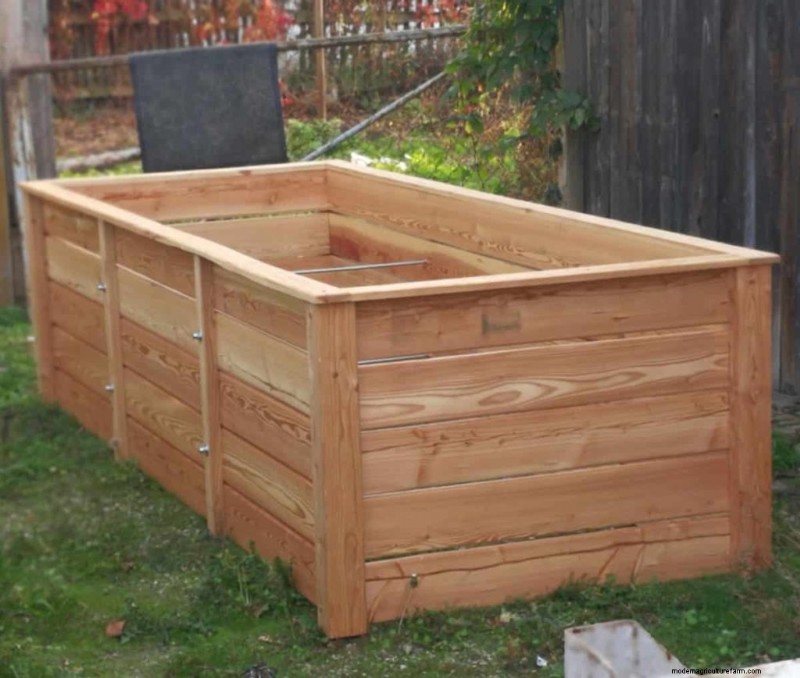 StrategySavings Potential ($)Effort RequiredBulk Purchases50-200ModerateSeed Saving20-100LowComposting30-150HighDIY Projects100-500HighCommunity Sharing50-200LowSeasonal Discounts20-150Low
The idea behind the true cost of starting a raised-bed kitchen garden is not limited to monetary considerations; rather, it is about the cultivation of a historical legacy. Each and every penny that is invested in long-lasting materials, fertile soil, and smart design will be repaid in the form of numerous harvests throughout the seasons. Despite the fact that the first expenses might appear to be overwhelming, they are insignificant when compared to the long-term benefits, which include crisp lettuce that has been picked fresh, the pride of having peppers grown at home, and the quiet joy of avoiding the prices at the supermarket. You have turned what could have been a financial mystery into a road map for success by adopting the insights that are provided in this guide. You have accomplished this by masterfully deciphering the complexities of budgeting. It is important to let your garden serve as evidence that when it is properly cared for, not only plants but also finances flourish.


