
Welcome to Modern Agriculture!

Illinois is home to some amazing wildlife and plants, but it’s also got a sneaky bunch of troublemakers who’ve taken over.
These invasive species don’t just show up for a visit. They crash the party, hog all the food, mess with native critters, and sometimes cause big headaches for farmers, gardeners, and city folks alike.
From birds that swoop in like feathery gangsters to bugs that chew everything in sight, here’s a look at 25 invaders shaking things up across Illinois… in ways that’ll surprise you.
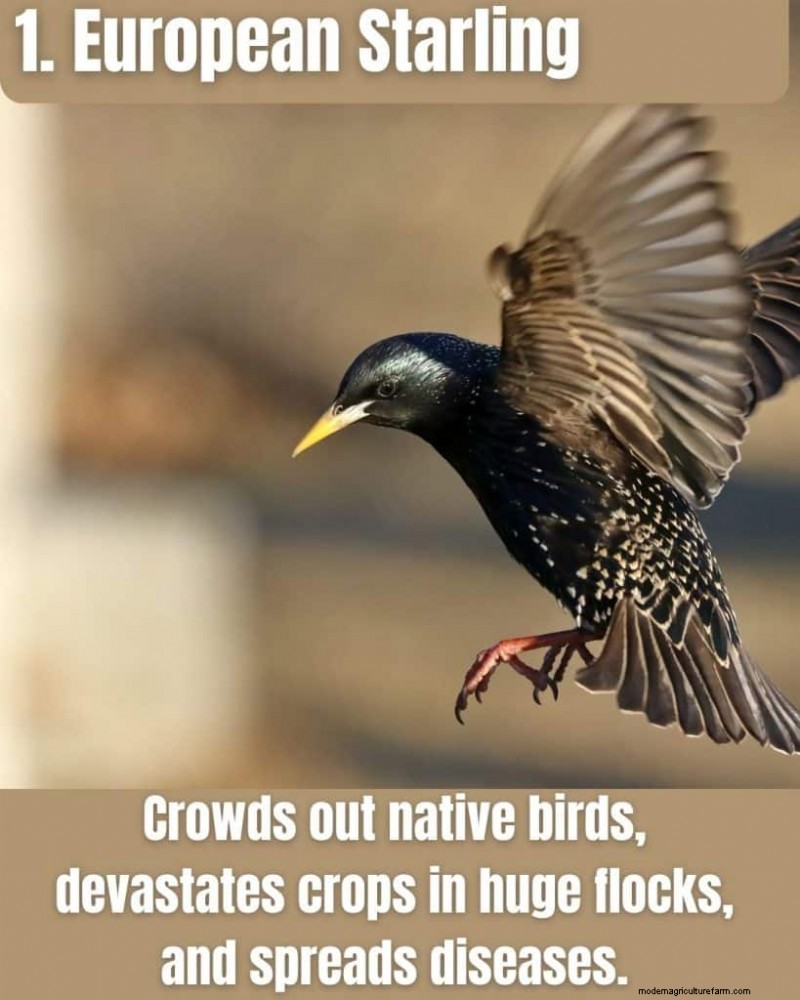
Imagine someone released birds just because Shakespeare mentioned them. That’s how the European starling arrived in the 1890s.
These shiny black birds now form huge flocks called murmurations, thousands swirling together in an incredible sight.
They devour grain, chase off native birds like bluebirds, and their droppings spread diseases and create messy problems in towns.
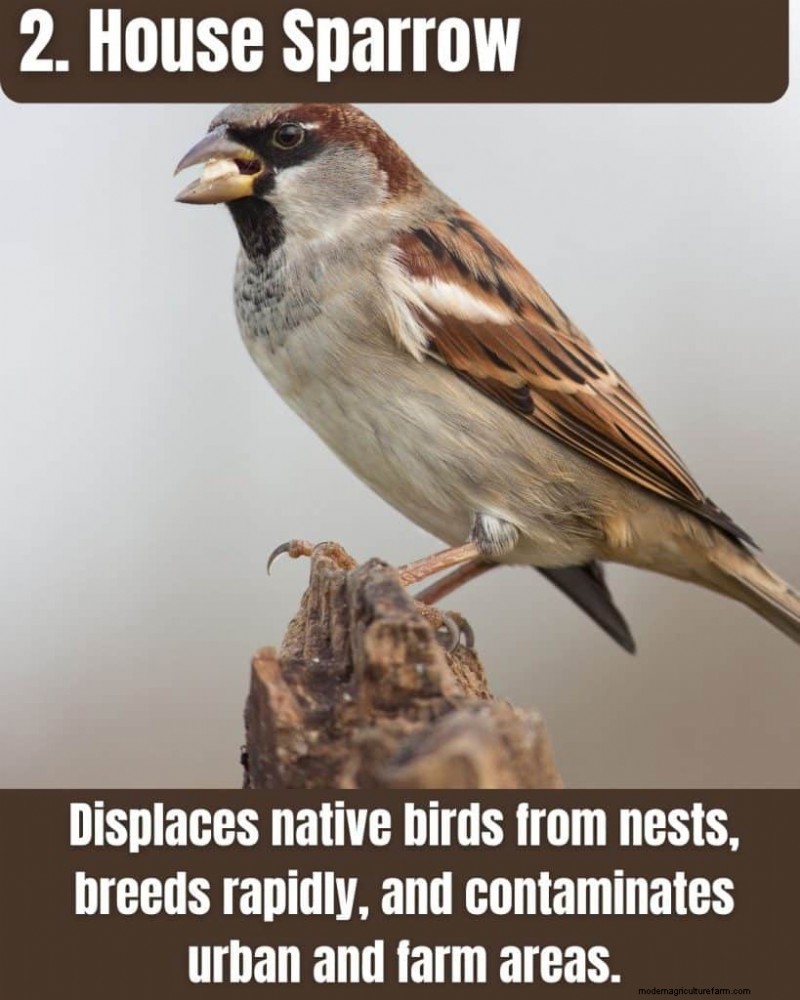
This small brown bird arrived in the 1850s to eat bugs but became a feisty city dweller that never quits.
House sparrows kick out native birds from nests and sometimes destroy eggs to take over. They raid crumbs at fast-food spots and sneak into stores to steal birdseed.
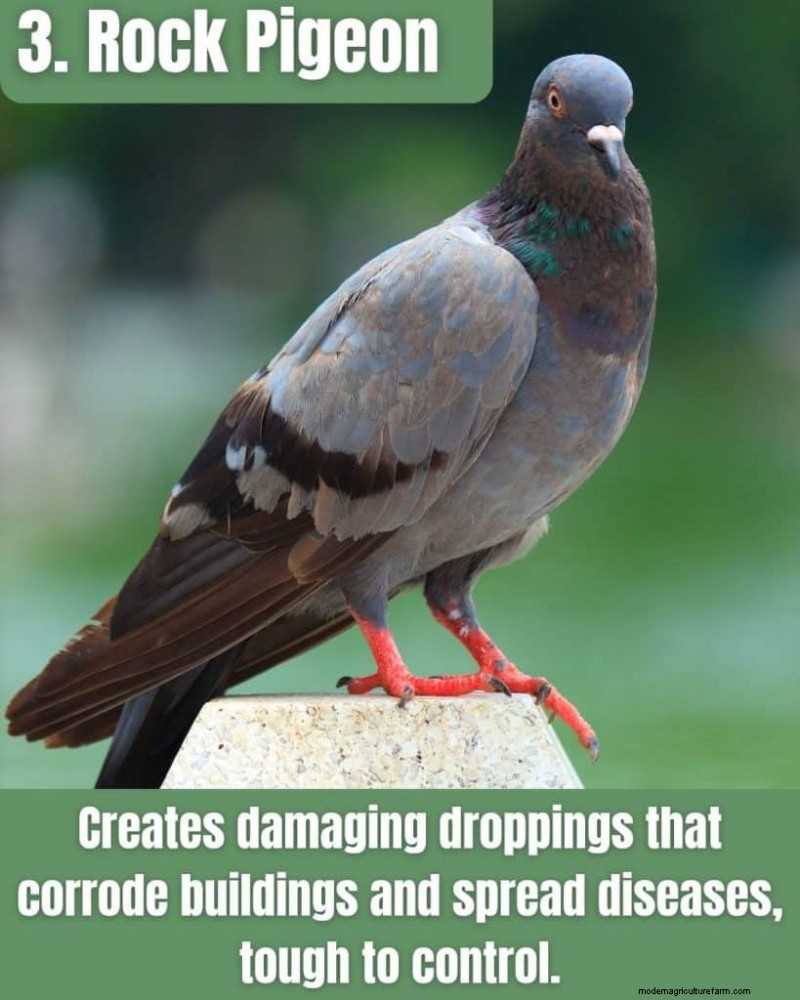
You know these gray pigeons hanging around city squares, strutting on statues, and gobbling fries. Originally from Europe, many escaped and made cities like Chicago their home.
Their droppings corrode buildings and monuments, spread diseases, and their nests clog gutters and damage rooftops.
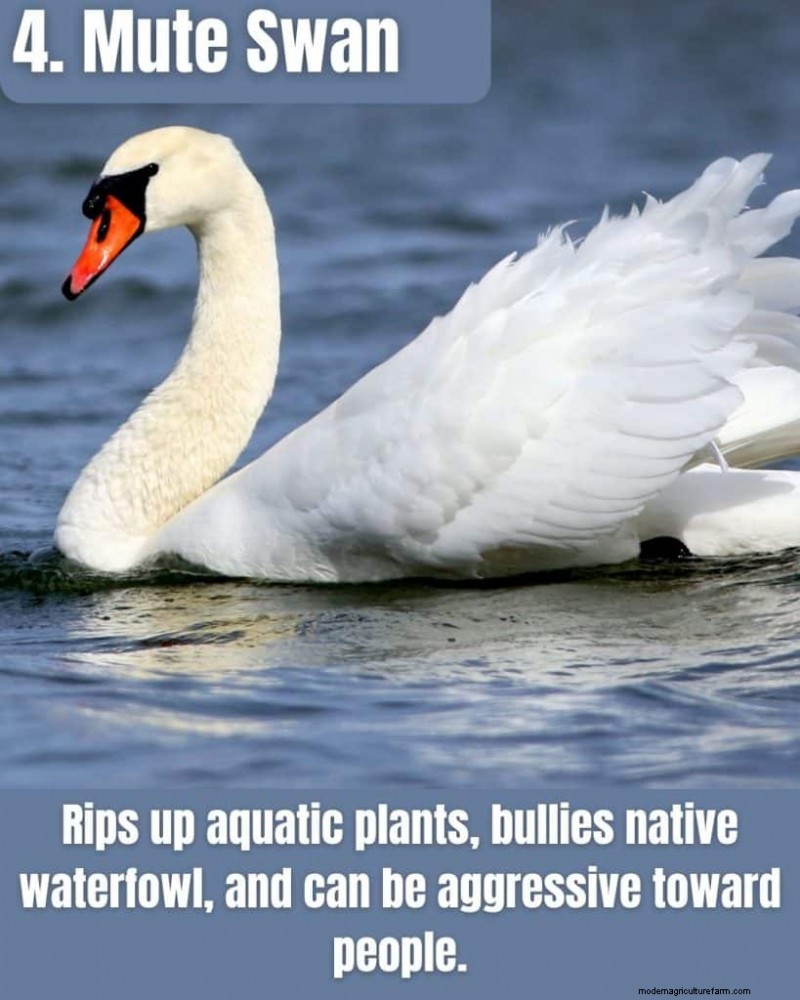
At first glance, mute swans look like graceful pond ornaments. But don’t be fooled. These huge white birds eat and uproot massive amounts of aquatic plants, wrecking habitats fish and native waterfowl depend on.
They’re territorial to the point of danger, chasing off native swans, geese, and even attacking people. In fact, a man kayaking in Illinois drowned after a swan capsized his boat.
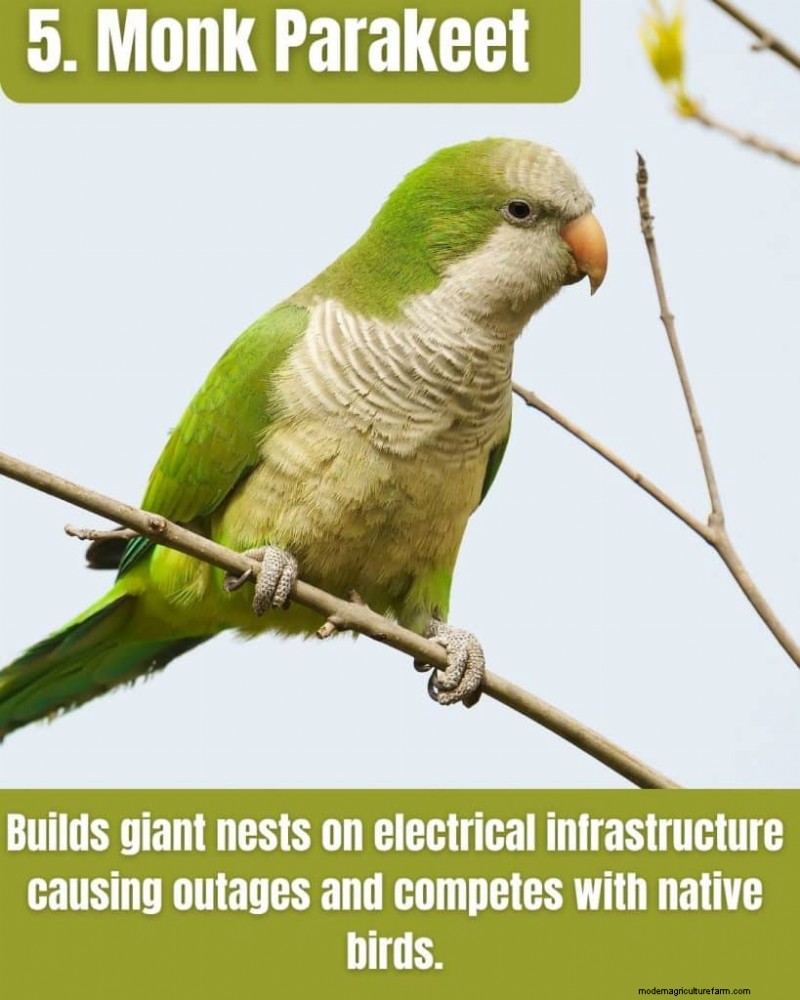
Bright green parrots in Chicago? Yep! These little birds escaped or were released from the pet trade in the 1970s and now thrive in city parks and neighborhoods.
Unlike most parrots, monk parakeets build massive communal stick nests on power lines and cell towers, causing electrical fires and outages.
They survive cold winters by huddling together and love snacking on birdseed and fruits, making them tough urban survivors.
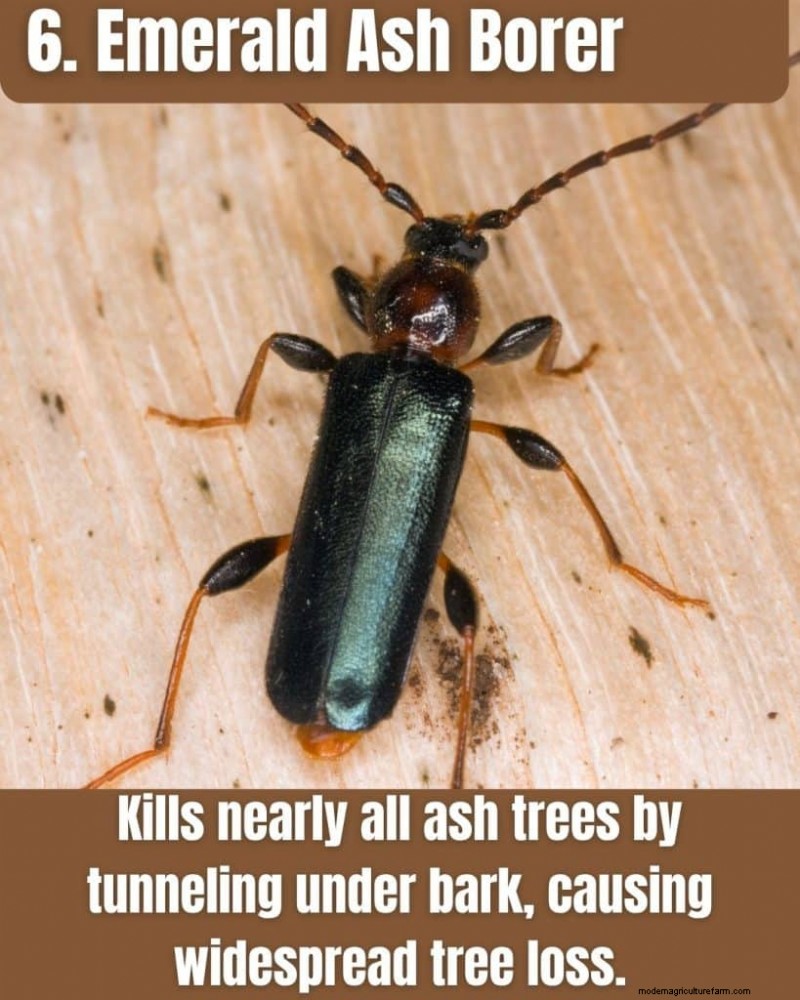
This shimmering green beetle might be small, but it has caused massive destruction by killing ash trees all over Illinois since 2006.
Its larvae burrow under bark, cutting off the tree’s nutrients, and in just a few years, a healthy ash tree is dead.
With ash trees making up about 20% of urban street trees before, many neighborhoods lost their shady canopies.
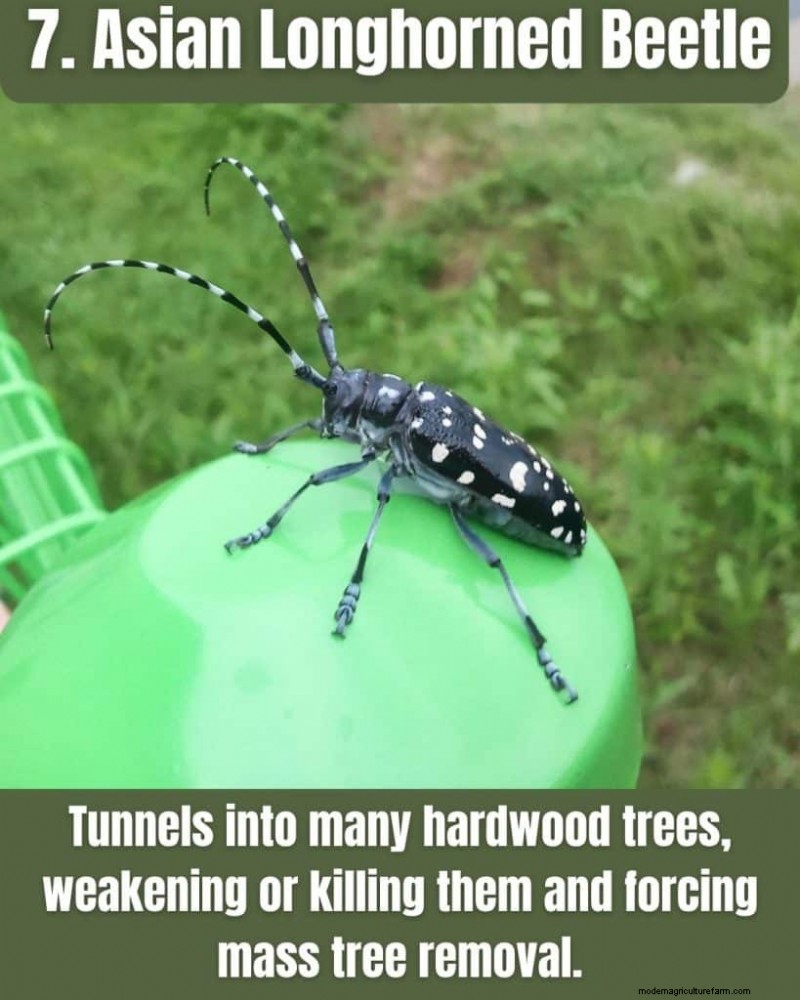
This black-and-white spotted beetle looks exotic but spells disaster for maples, elms, and other hardwoods.
First found in Chicago in 1998, it tunnels inside trees, weakening and eventually killing them.
Officials had to cut down over 1,500 trees to stop the spread, a tough but necessary move.
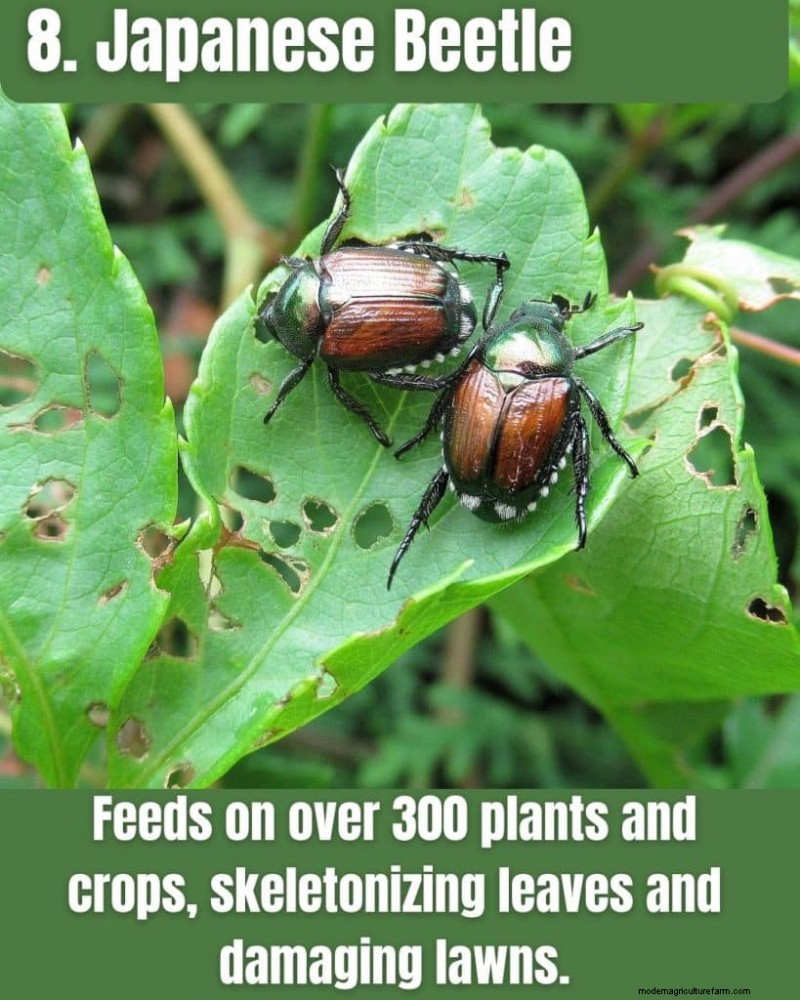
With shiny green heads and copper wings, these beetles swarm in summer to munch on roses, corn, soybeans, and over 300 plant species.
They skeletonize leaves, leaving plants looking lacey and brown. The larvae (grubs) chew turf roots underground, killing lawns and attracting skunks digging for a snack.
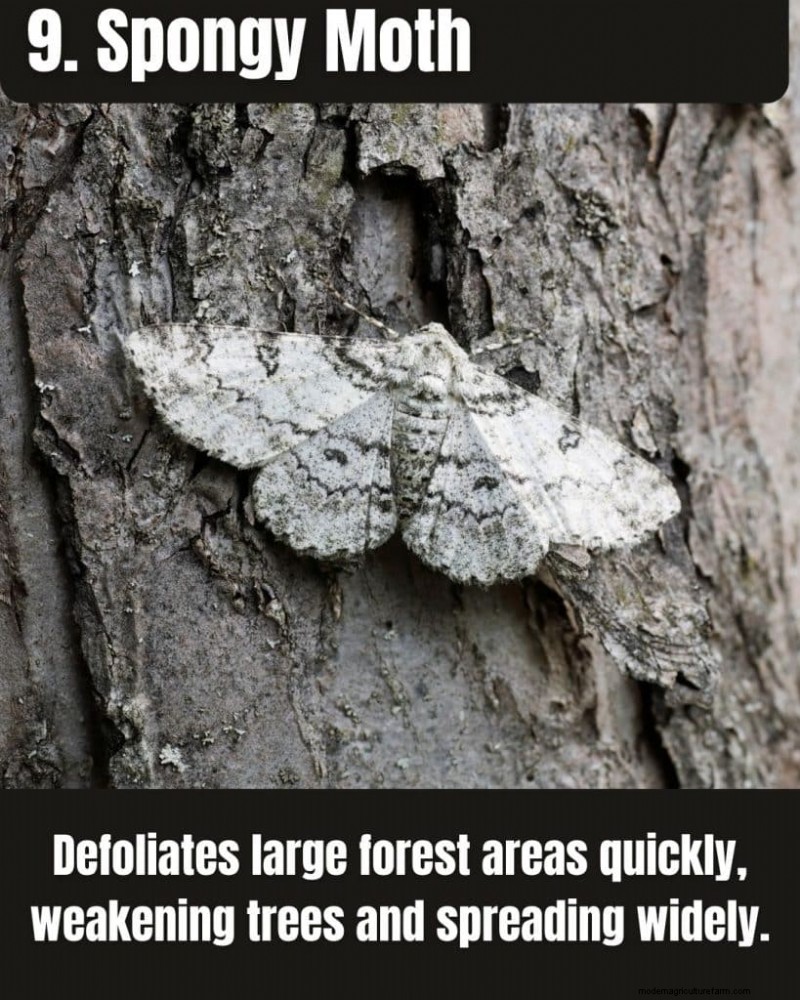
Formerly known as the “gypsy moth,” these caterpillars swarm and devour the leaves of hundreds of trees, especially oaks.
In bad years, they can strip entire forests bare. Their droppings and hairy bodies can annoy people and pets. Illinois fights them with quarantine zones and spraying programs.
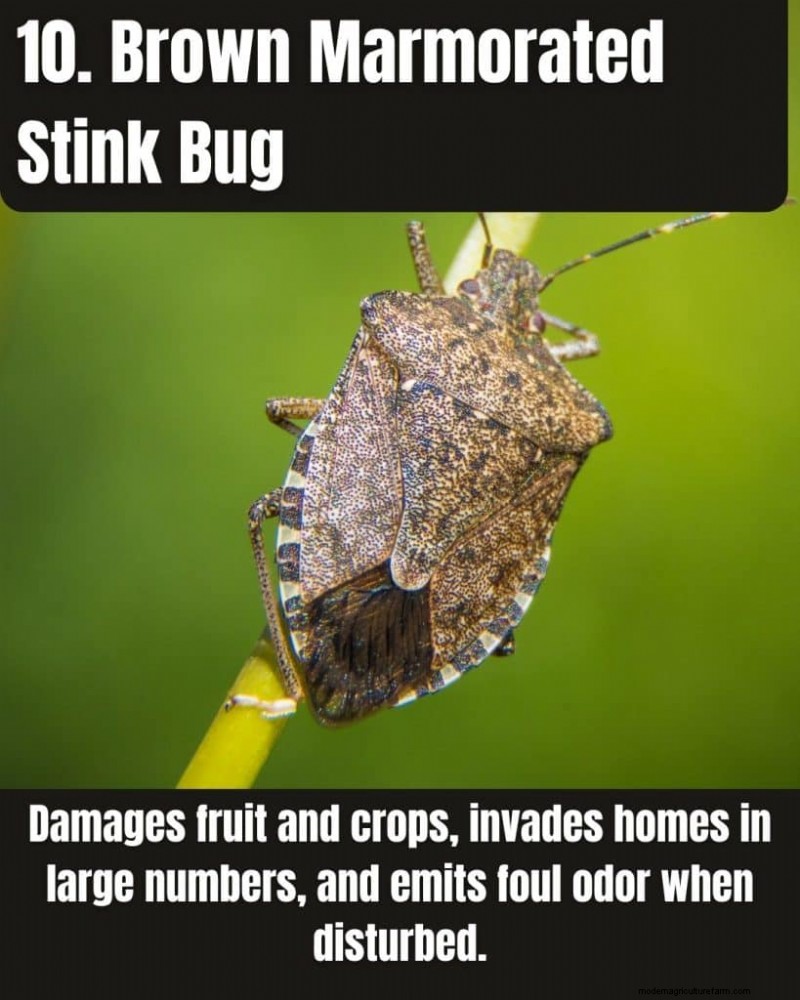
This brown bug doesn’t just stink, it wrecks fruit crops from apples to soybeans. When the weather cools, it sneaks into homes by the hundreds, seeking warmth.
They don’t bite, but squish one and you’ll wish you hadn’t. They’re tough to get rid of and have no natural enemies here.
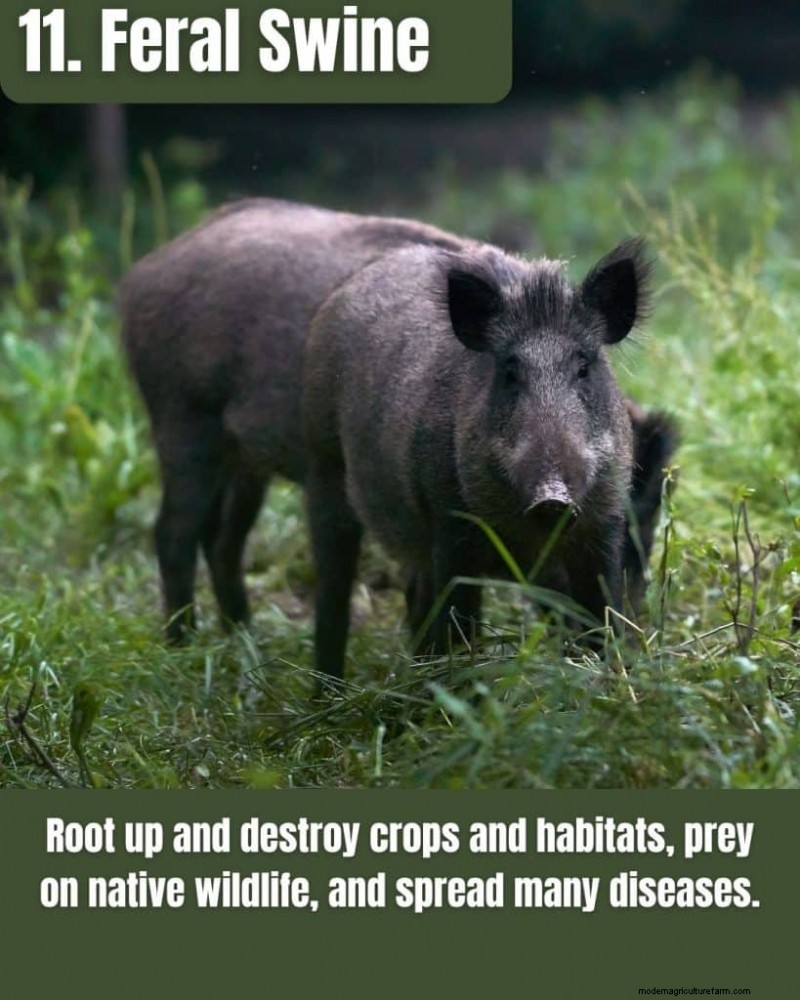
These wild pigs aren’t just rooting around, they’re tearing up crops, forests, and wetlands across southern Illinois.
Originating from escaped domestic pigs and illegal releases, they can reproduce fast (up to two litters a year!) and destroy acres in one night.
They compete with deer and turkey and eat eggs, fawns, and basically anything they can catch. Plus, they spread nasty diseases.
Illinois has been quick to trap and remove feral hogs before they take over, a rare success story worth celebrating.
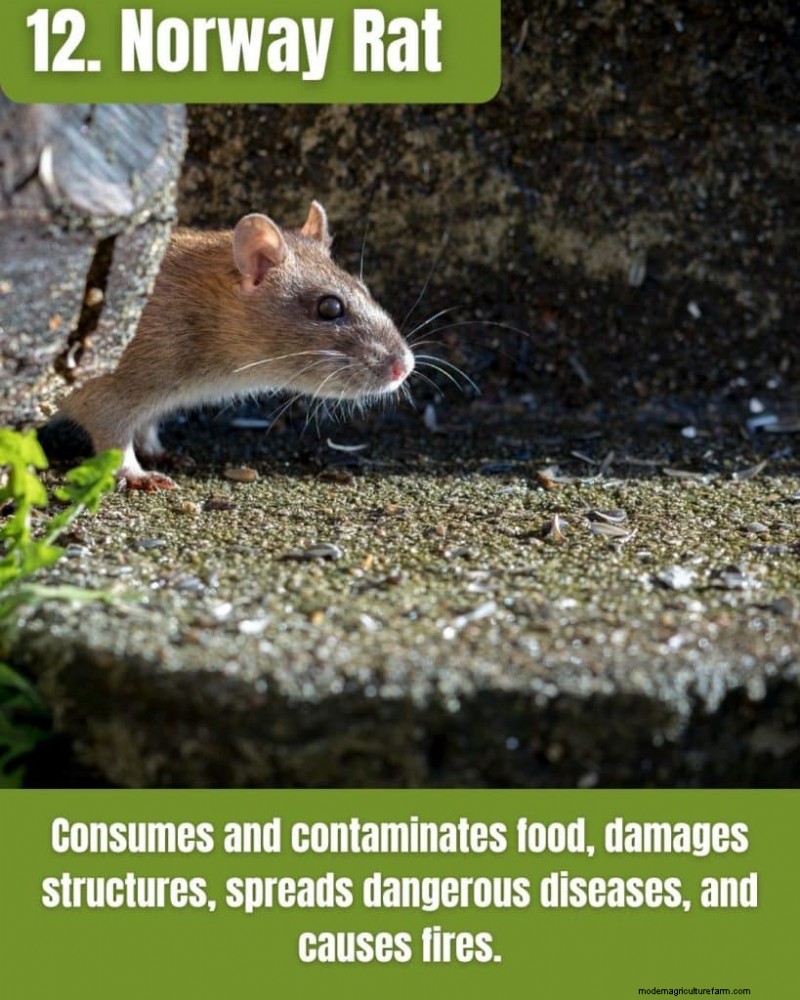
The brown Norway rat is the ultimate city slicker, living anywhere humans provide food and shelter.
Chewing through wood, pipes, wiring, and causing fires, they’re more than a nuisance; they spread diseases and cause billions in damage yearly.
Chicago fights a constant war against these stealthy rodents.
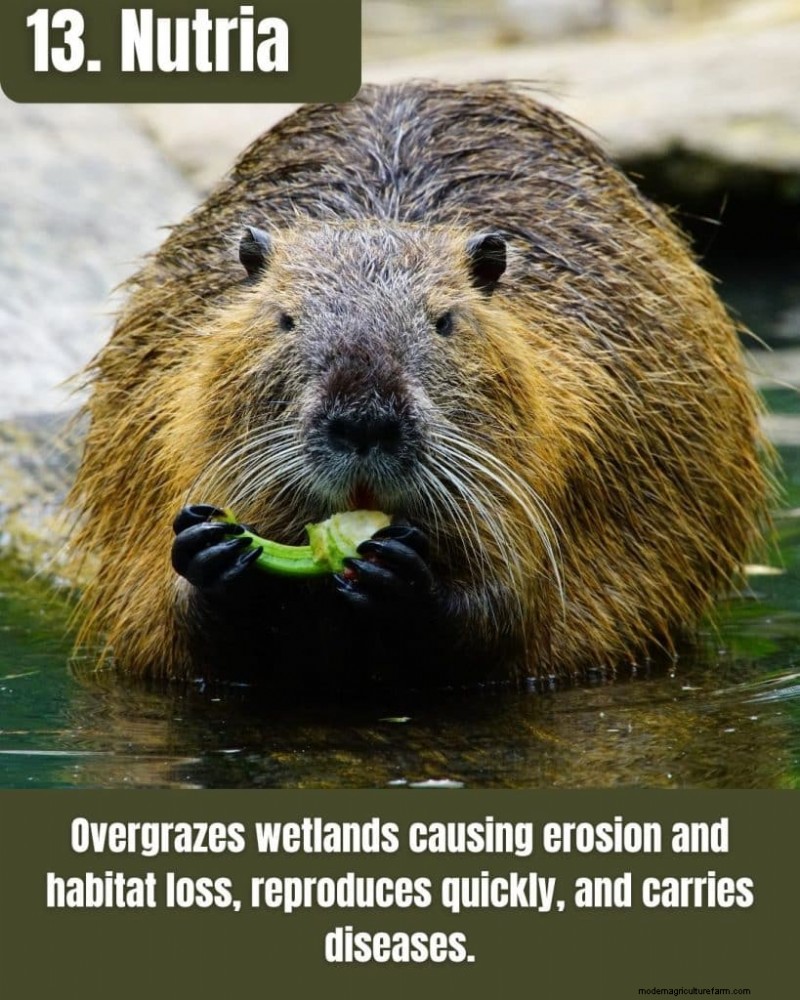
These big semi-aquatic rodents look like oversized rats with orange teeth. Nutria escaped from fur farms and have devastated wetlands in southern states.
They chow through marsh plants, causing erosion and flooding problems. Recently spotted in Illinois, they’re a red flag for wetland health.
Efforts are underway to catch and remove nutria before they spread widely.
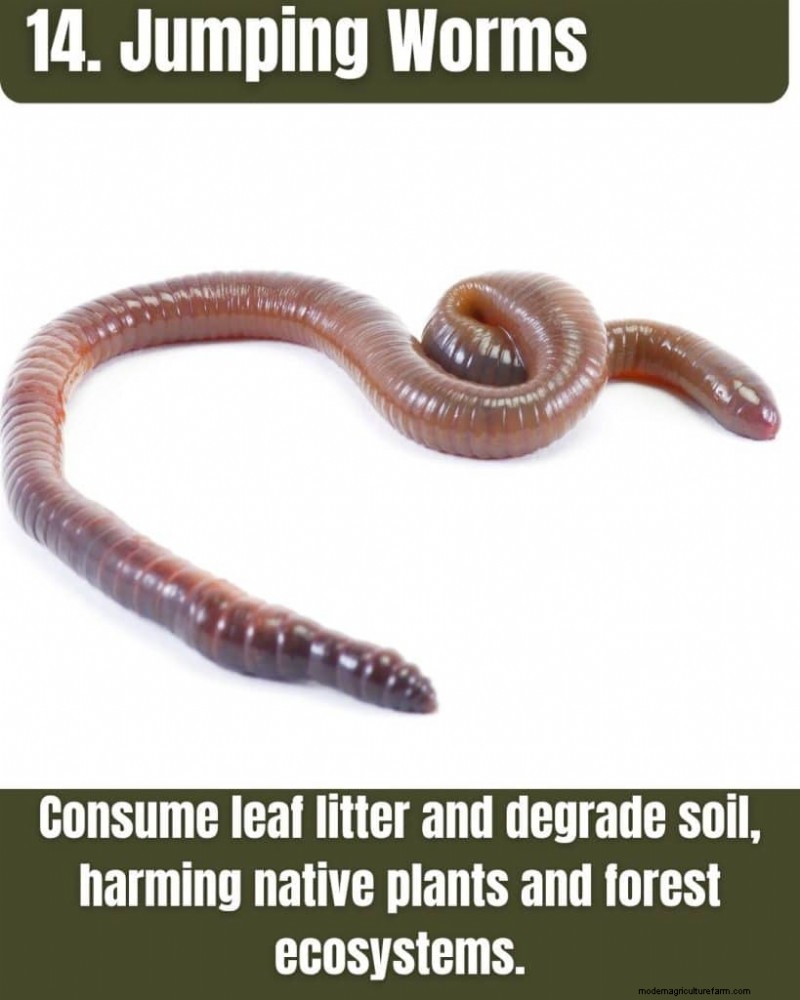
These worms don’t wiggle, they jump! Native to Asia, they’re spreading fast in Illinois gardens and forests.
Unlike normal earthworms that mix soil, jumping worms eat the leaf litter so fast they leave soil like coffee grounds.
This ruins soil health and makes it hard for native plants to grow.
They hitchhike on potted plants, mulch, and garden tools, so gardeners should watch out!
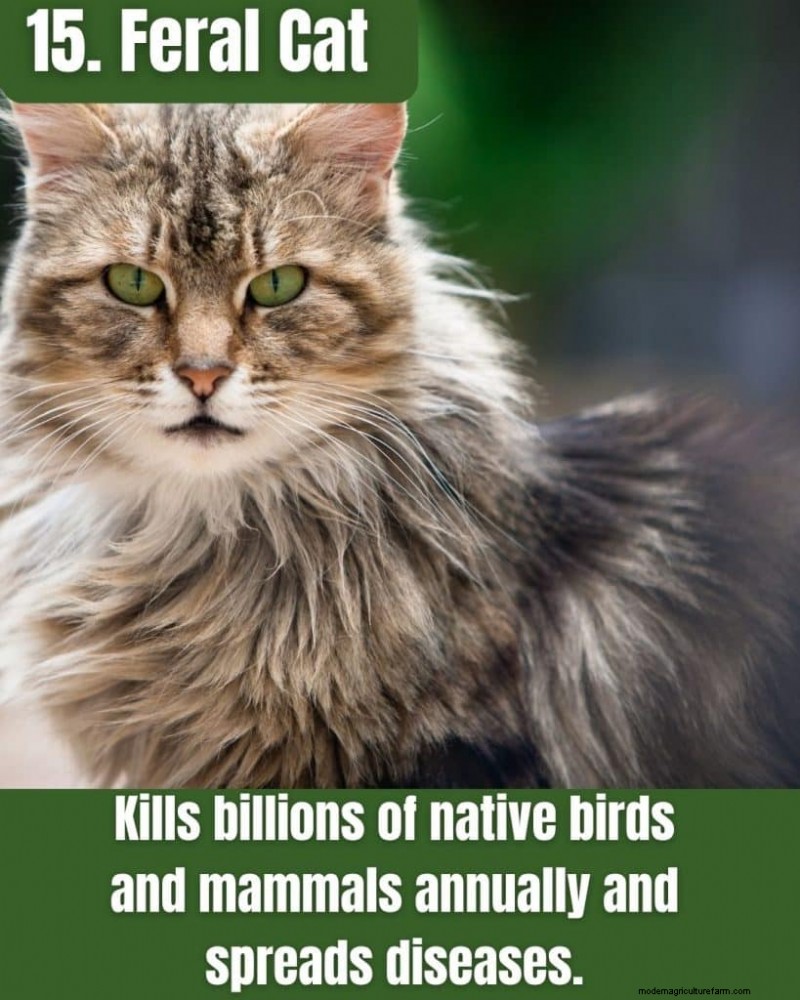
Feral cats may look cute, but they’re top predators that kill billions of birds and small mammals nationwide every year.
In Illinois, feral cat colonies impact songbirds, rabbits, and even endangered species. They reproduce fast and are fed by people, making control tricky and often controversial.
Experts agree keeping pet cats indoors is the best way to protect wildlife.
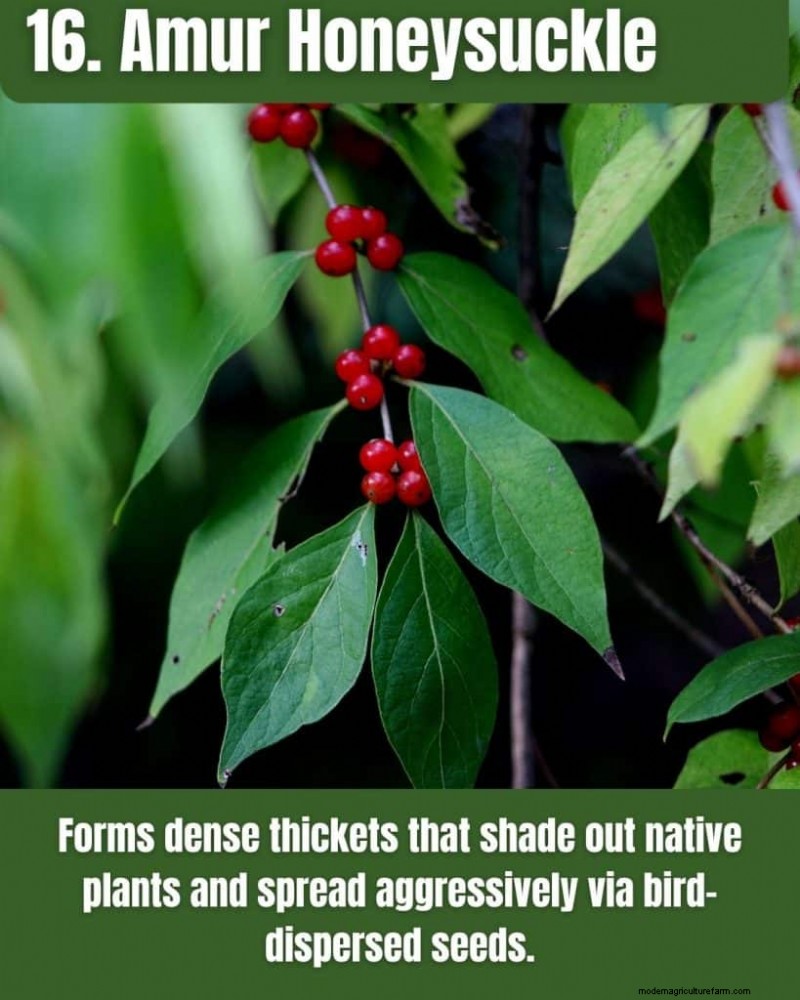
This bush came from Asia to help with erosion control, but now chokes Illinois forests with thick, early-leafing branches that shade out wildflowers and tree seedlings.
Birds love its berries, junk food that spreads the plant far and wide.
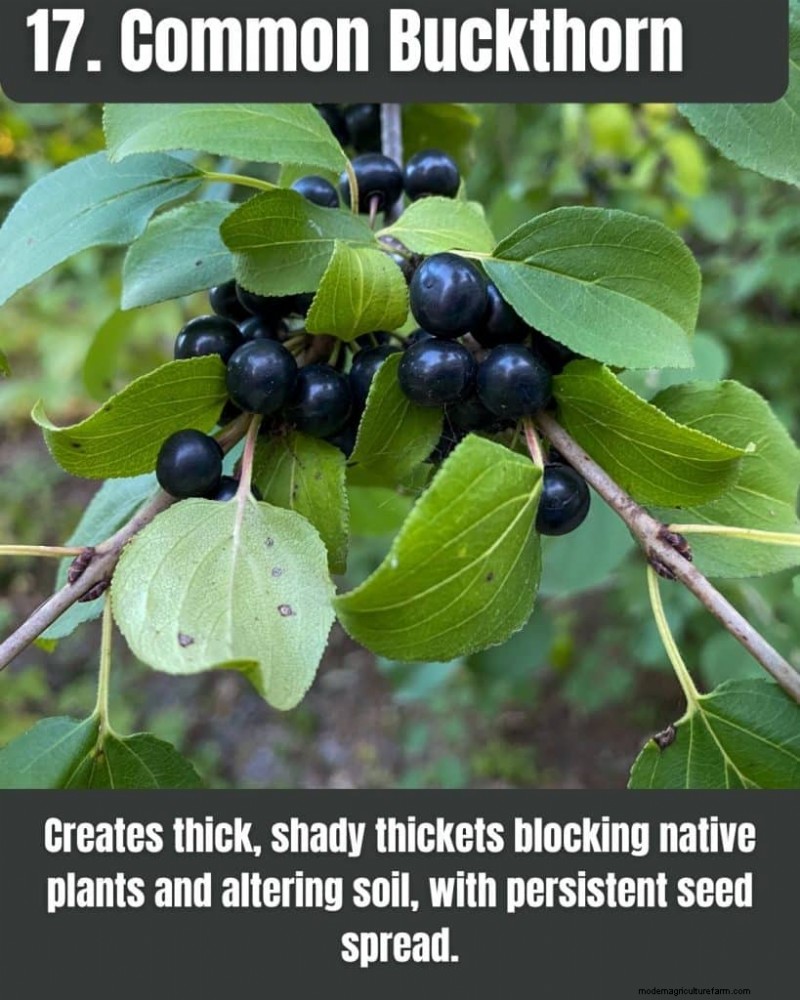
Once popular as a tough hedge plant from Europe, buckthorn now takes over woodlands with dense, dark thickets.
It leafs out early, holds onto leaves late, and produces black berries that birds spread everywhere.
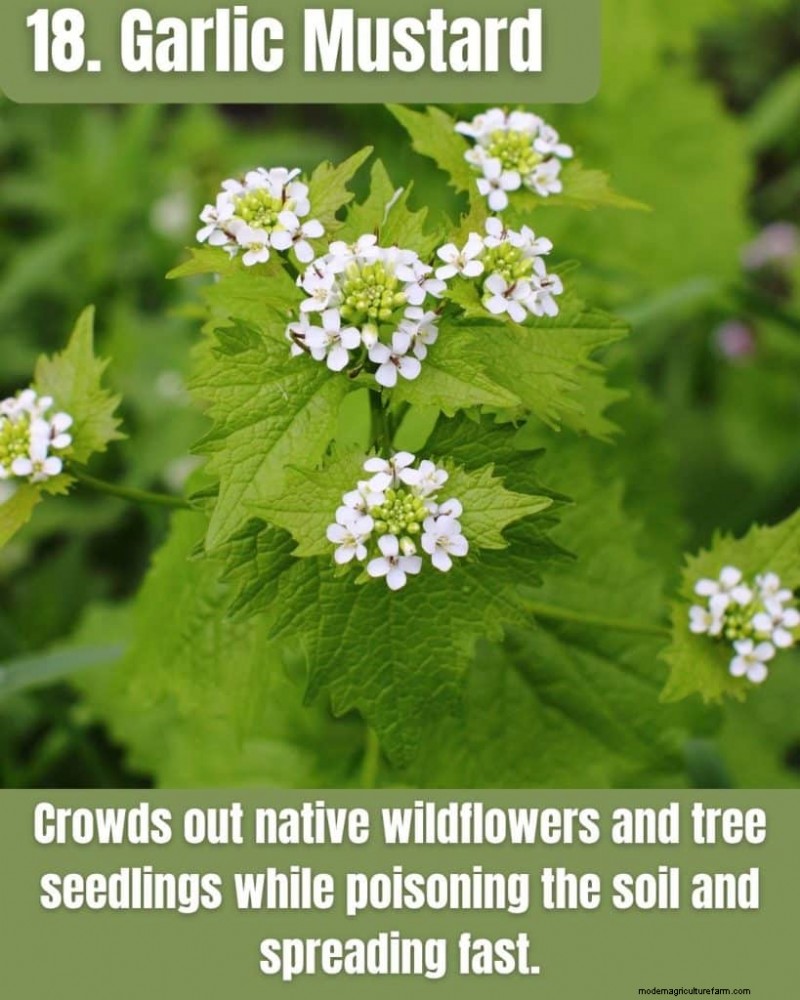
This 2-3 foot tall herb sneaks into forests, growing before natives even wake up.
It spreads thousands of seeds and releases chemicals that poison the soil, making it hard for native plants to grow.
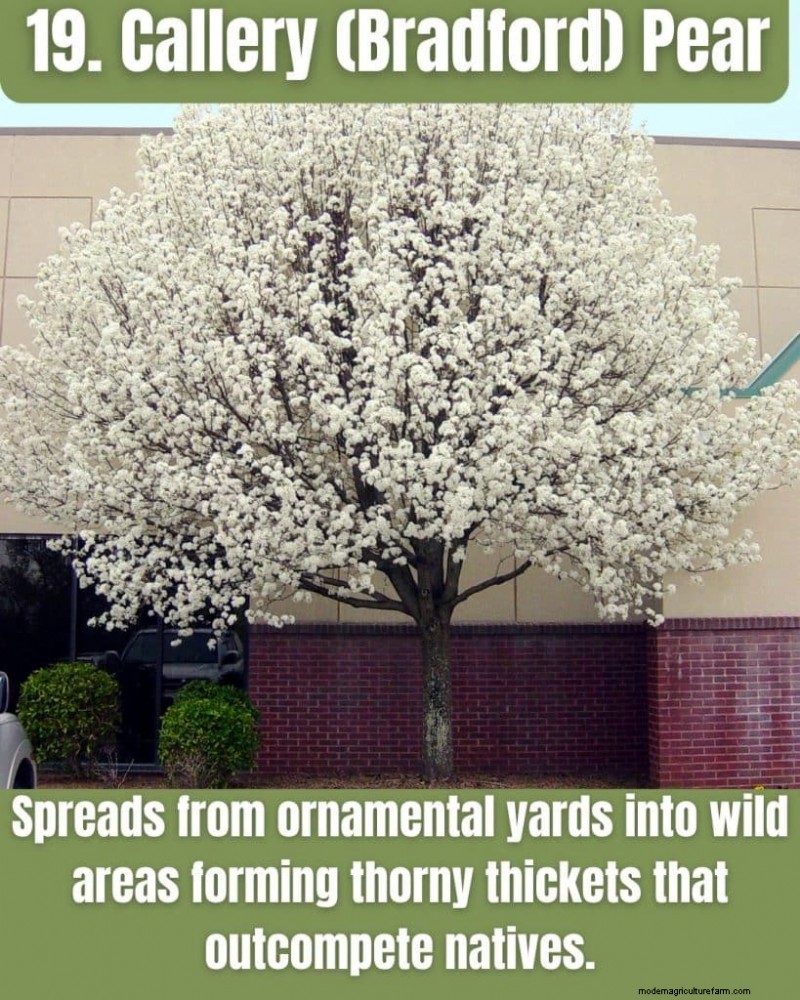
Famous for their beautiful spring blooms, these trees seemed harmless, until they started producing fruit and spreading like weed
Now, thorny wild pear thickets invade prairies and pastures, outgrowing native trees and creating tough-to-remove thorn walls.
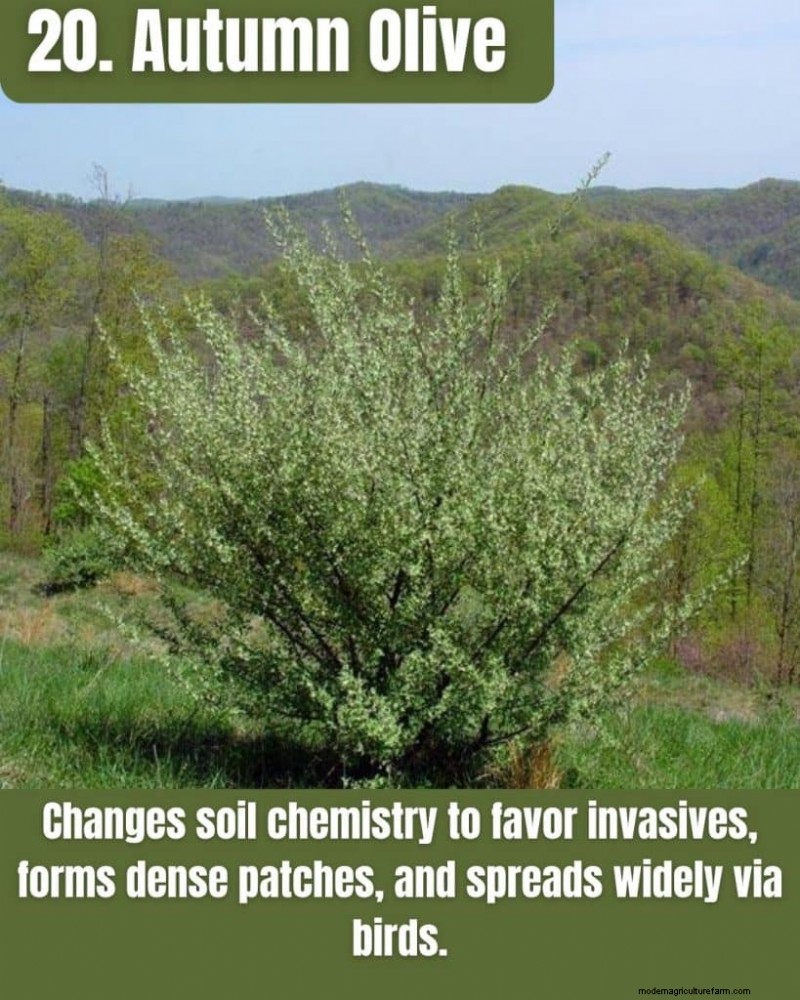
Originally planted for wildlife and erosion control, this shrub pumps nitrogen into poor soils, upsetting the balance native prairie plants depend on.
It forms dense patches and spreads quickly via tasty red berries eaten by birds.
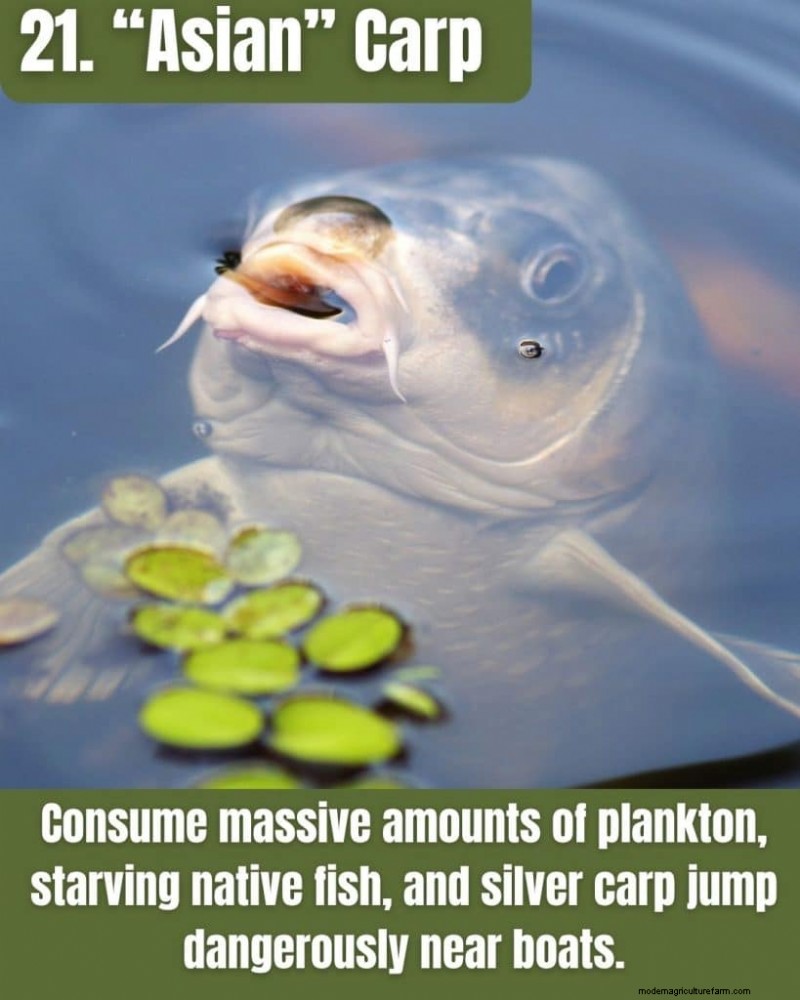
Silver and bighead carp were brought in to clean fish ponds but escaped into Illinois rivers. They eat tons of plankton, starving native fish and mussels.
Silver carp are famous for leaping out of water and hitting boats, sometimes injuring people
Efforts include electric barriers and fishing promotions to control their spread.
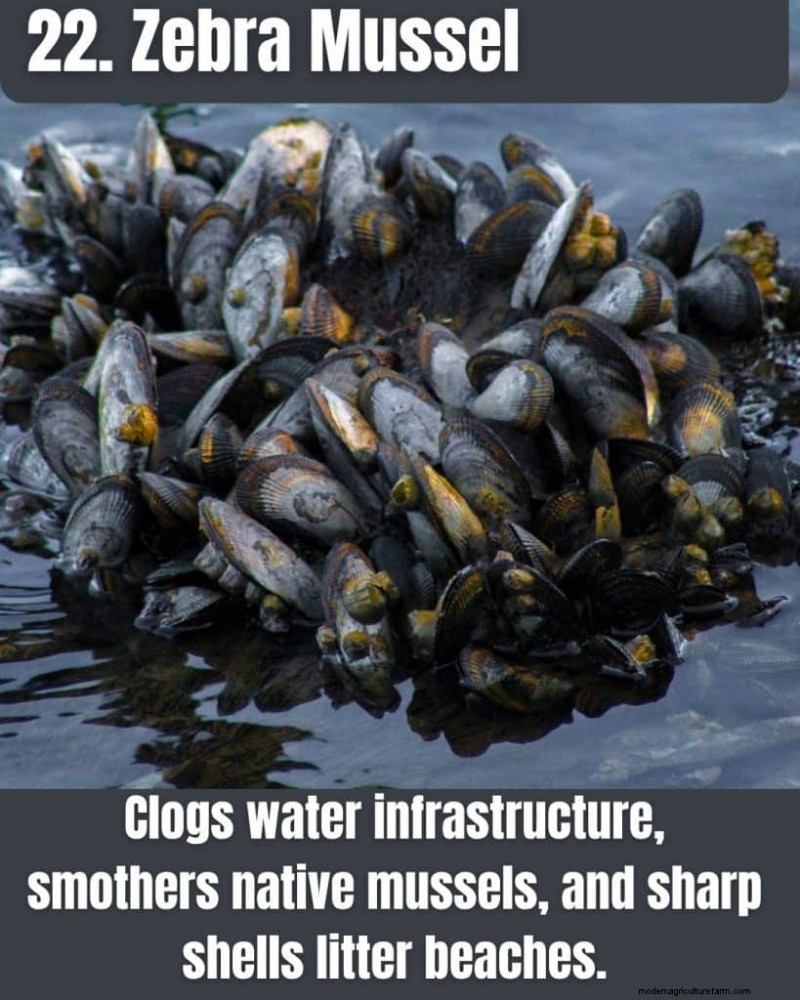
These fingernail-sized mussels hitch rides on boats and have clogged pipes and power plants.
They cover native mussels, suffocating them, and clear the water so much it changes aquatic habitats, sometimes causing nasty algae blooms.
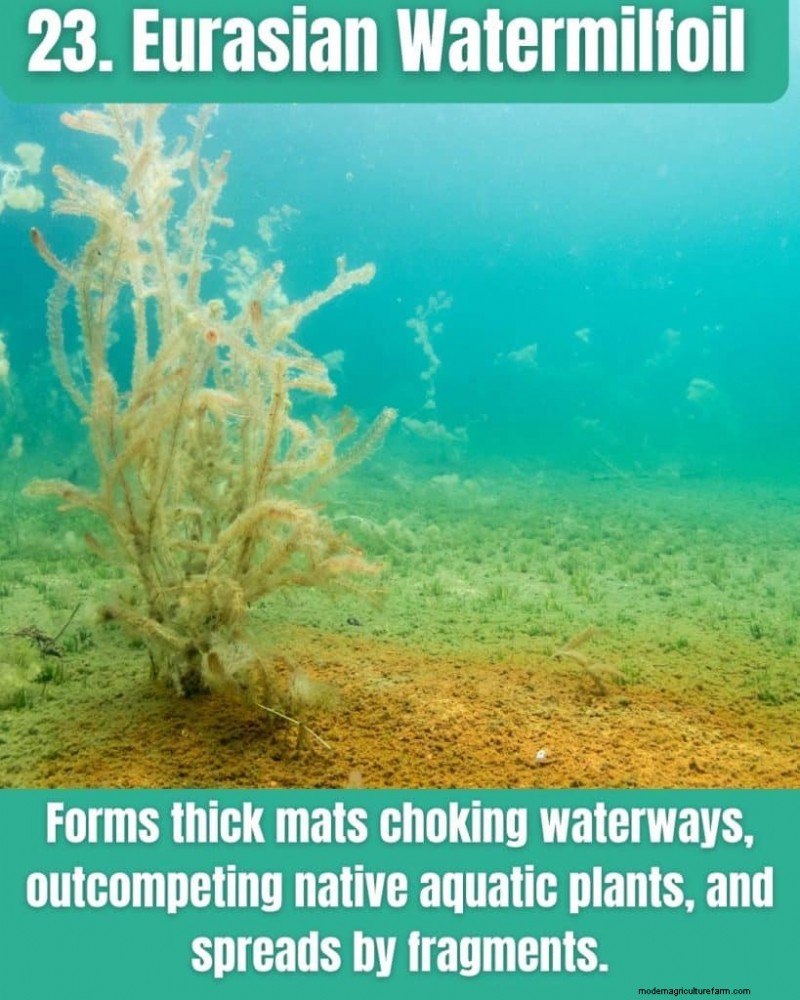
This underwater plant grows thick mats that clog boats and block sunlight from native aquatic plants.
It spreads by breaking into pieces, which can hitch rides on boats, quickly turning a clear lake into a green tangle.
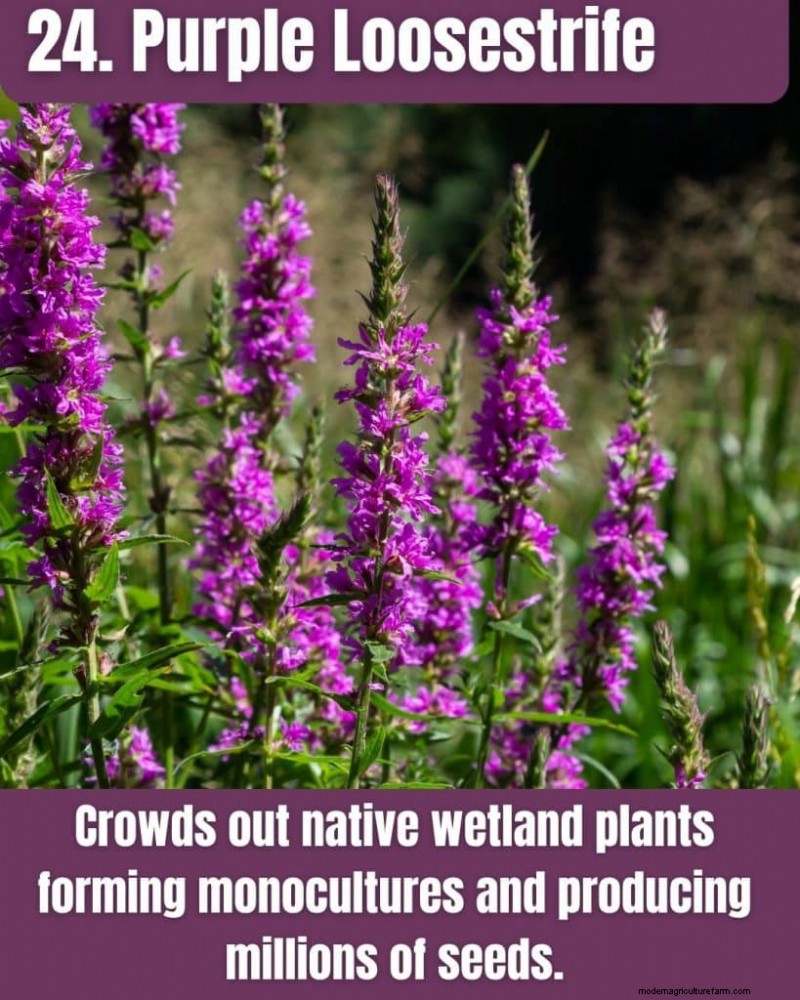
Those tall spikes of purple flowers may look nice, but loosestrife crowds out cattails and other native wetland plants, turning rich marshes into “green deserts” where wildlife struggles to survive.
Fortunately, tiny leaf-eating beetles have helped bring it under control.
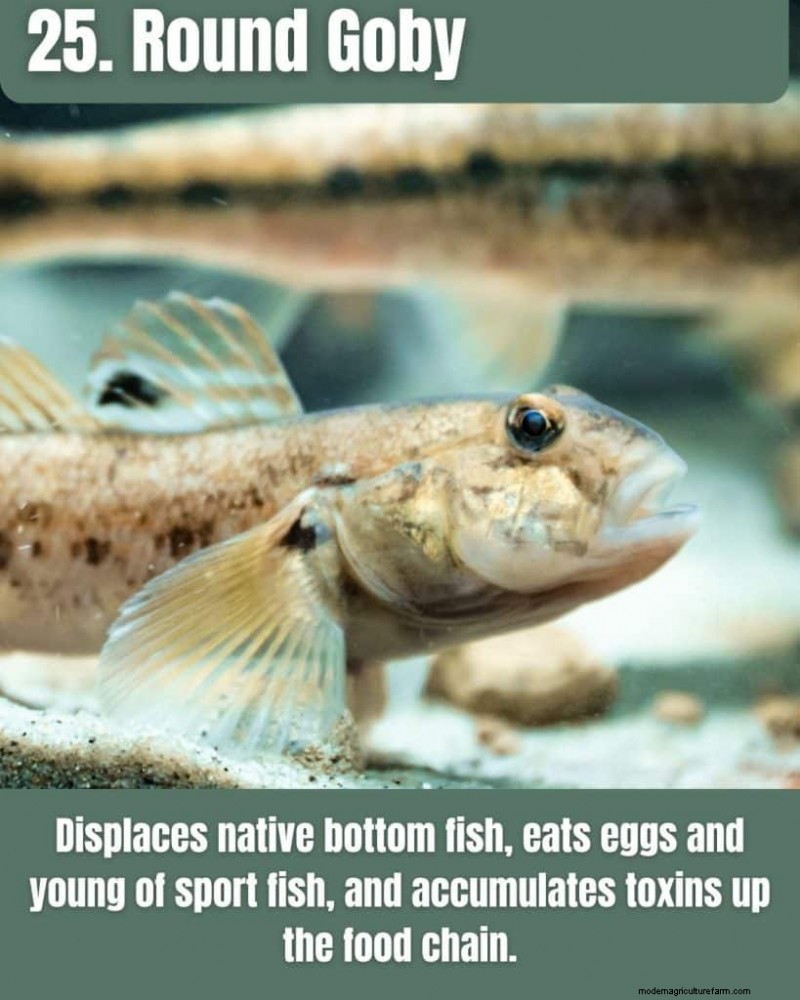
A small, tough fish from Europe, round gobies have taken over bottom habitats in Illinois waterways.
They steal prime spots, eat native fish eggs, and even gobble invasive zebra mussels, causing toxin build-up that can poison bigger fish and birds.
Illinois’ invasive species story is one of surprises, challenges, and sometimes amazing battles to protect native ecosystems.
Whether it’s birds that rule the skies, bugs that wreak havoc in gardens, or plants that take over forests and wetlands, these invaders remind us how connected and fragile our environment really is.
Stay curious, stay aware, and if you spot any of these troublemakers, spread the word so we can keep Illinois healthy and wild for generations to come.


