Confused by the different types of seeds for your garden? Learn the difference between hybrid, heirloom, organic, open-pollinated, and non-GMO seeds so you can choose the best varieties for your garden and know which ones you can save for future planting.
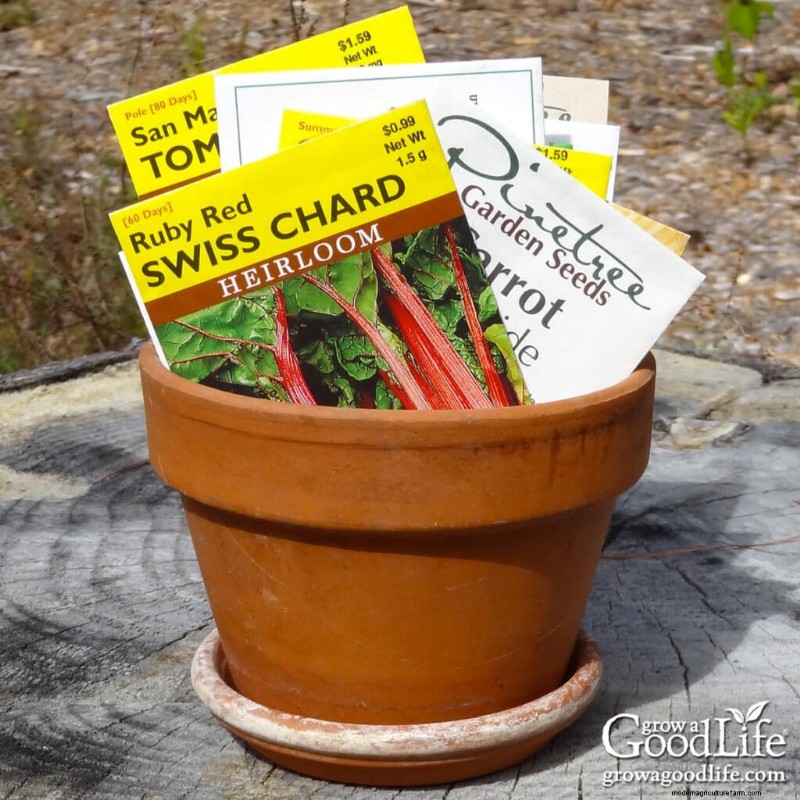
When you flip through a seed catalog or browse seed packets at the garden center, you’ll notice a variety of terms: heirloom, hybrid, open-pollinated, organic, and even non-GMO. These words can be confusing, especially if you’re new to gardening or saving seeds.
Understanding these seed types can help you make better choices for your garden, whether you want reliable harvests, the best flavor, or the ability to save seeds for next year. Let’s break it all down in plain language so you can feel confident about the seeds you’re planting.
Why Understanding Seed Types Matters
The seeds you choose affect more than just how much you harvest. They also influence flavor, disease resistance, and whether you’ll be able to save seeds for future gardens.
Another key factor is variety diversity. Growing and saving different kinds of seeds helps ensure that unique flavors, colors, and traits don’t disappear over time. For example, planting heirlooms keeps old varieties alive, while mixing in hybrids can add resilience against disease.
By understanding the different seed types, you can:
- Select varieties that fit your gardening style and goals.
- Save seeds confidently to reduce costs and build self-reliance.
- Help preserve rare and traditional varieties so future gardeners can enjoy them too.
The terminology can seem confusing at first, but once you understand what each category means, the choices become much clearer. Let’s take a closer look at each type of seed you will find in catalogs and garden centers.
What Are Hybrid Seeds?
Hybrid seeds are created by intentionally crossing two different parent plants to combine desirable traits and characteristics from each. Plant breeders hand-pollinate one variety with another and collect the resulting seeds. When these first-generation seeds are grown, the plants usually display what is called “hybrid vigor.” Strong growth, high yields, or special resistances that set them apart.
On a seed packet, hybrids are often labeled “F1.” This stands for filial 1, meaning first generation. If you save and replant seeds from an F1 hybrid, the offspring may not resemble the parent plant. Instead, they may segregate back into the diverse genetics of their grandparents.
It is also important to note that hybrids are not genetically modified (GMO). Hybrid seeds are created through traditional natural plant breeding techniques.
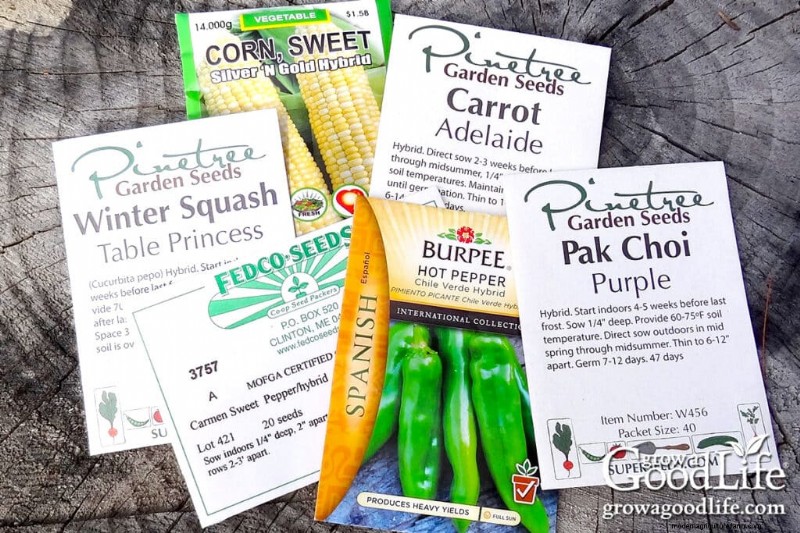
Advantages of Hybrid Seeds
- Disease Resistance: Many hybrids are bred to withstand common plant diseases. For example, tomato varieties like Celebrity or Mountain Merit carry resistance to Fusarium wilt (F), Verticillium wilt (V), and nematodes (N). Seed packets often use letters like VFN to indicate resistances.
- Higher Yields: Hybrids are often more productive and reliable under less-than-ideal growing conditions.
- Uniformity: The fruit ripens around the same time and is similar in size, shape, and color, making preserving easier.
- Adaptability: Some hybrids are bred specifically for short growing seasons or certain climates.
Disadvantages of Hybrid Seeds
- Seed Saving Issues: Saved hybrid seeds won’t produce plants identical to the parent. You may get weaker plants or unexpected traits.
- Flavor Trade-Offs: While many hybrids taste great, heirlooms often win when it comes to depth of flavor.
- Cost: Hybrids are usually more expensive because they require controlled pollination each season.
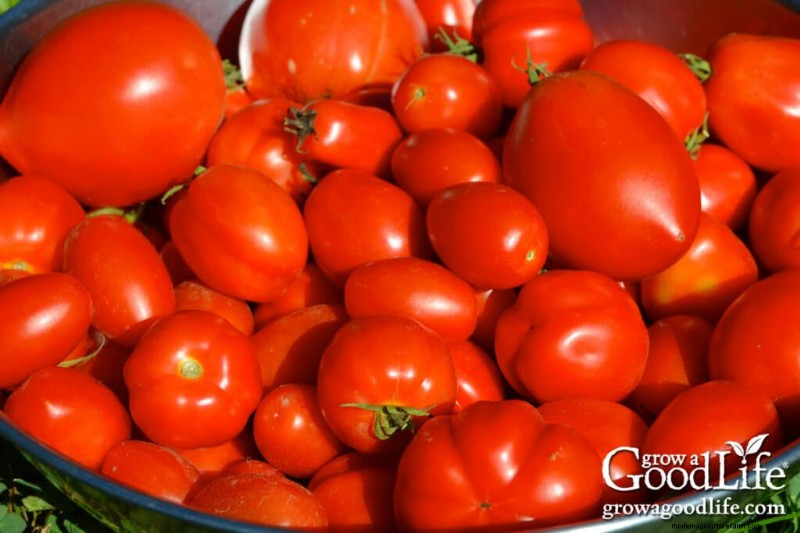
While I love the idea of growing only old-fashioned, heirloom tomato varieties, the reality is that if I want my garden to produce enough tomatoes to preserve, I need to grow hybrid varieties that will thrive in spite of the early blight other diseases that lingers in my soil. For me, planting both heirlooms and hybrids strikes the right balance between flavor and reliability.
What Are Heirloom Seeds?
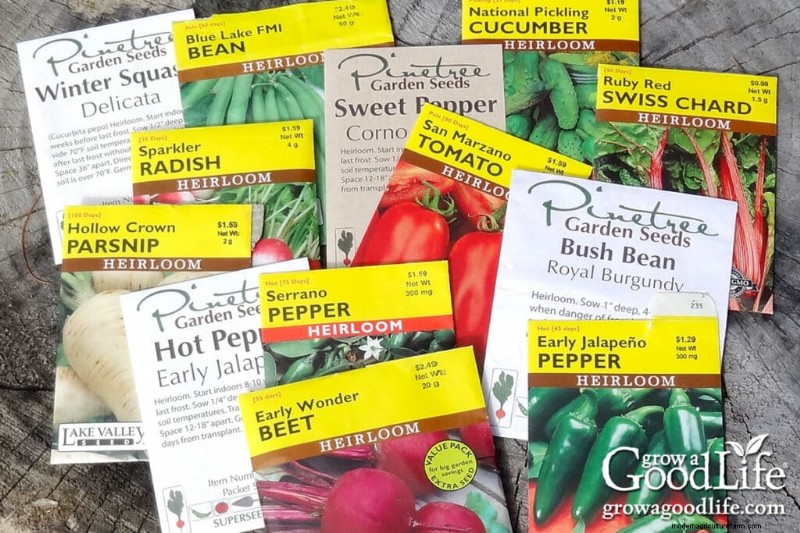
Heirloom seeds are open-pollinated varieties that have been passed down through generations, often for 50 years or more. Many carry stories, such as a tomato variety preserved by one family, a bean shared by neighbors, or a pepper brought to the U.S. by immigrants. Heirloom seeds are living links to the history and culture of gardening.
Unlike hybrids, heirloom plants are stable and will reliably produce offspring true to type as long as they are not cross-pollinated with a different variety. This makes them ideal for seed saving and for maintaining genetic diversity in our food supply.
Advantages of Heirloom Seeds
- Superior Flavor: Many gardeners prize heirlooms for their taste. Tomatoes like Brandywine or Cherokee Purple are renowned for rich, complex flavors.
- Seed Saving: Because heirlooms are open-pollinated, you can save seeds each season and expect consistent results.
- Biodiversity: Heirlooms preserve a wide range of traits and keep older varieties alive.
- Local Adaptation: When grown and saved year after year, heirloom varieties naturally adapt to your soil, climate, and growing conditions. Over time, your saved seeds may perform even better in your garden than the original packet did.
Disadvantages of Heirloom Seeds
- Disease Susceptibility: Some heirlooms lack the built-in disease resistance found in hybrids. For example, heirloom tomatoes may be more vulnerable to early blight or wilt.
- Inconsistent Yields: Fruits may vary in size, shape, or ripening time, which can make harvest less predictable.
- Shorter Shelf Life: Some heirlooms, like certain tomatoes, may have thinner skins and don’t ship or store as well as modern hybrids.
Examples of Popular Heirlooms:
- Tomatoes: Brandywine, Cherokee Purple, and Mortgage Lifter
- Beans: Scarlet Runner, Jacob’s Cattle, and Provider
- Squash: Delicata and Waltham Butternut
- Peppers: Jimmy Nardello and Corno di Toro
What Are Open-Pollinated Seeds?
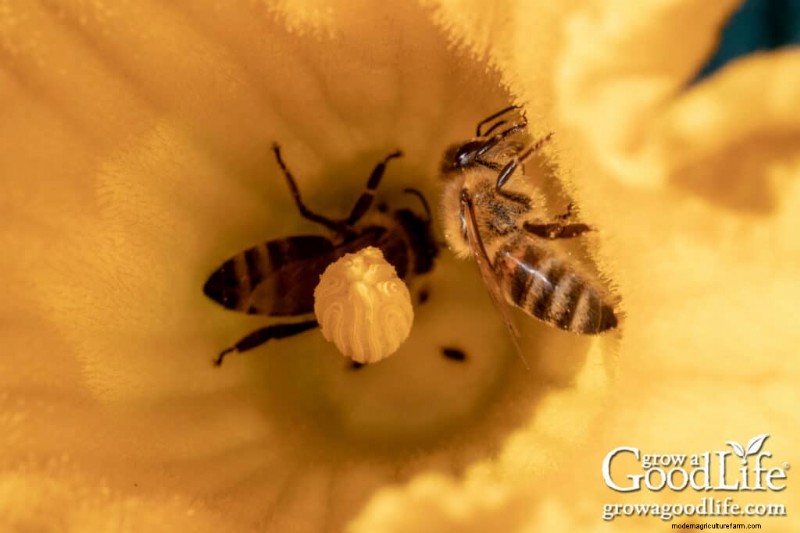
Open-pollination (OP) seeds are varieties that are pollinated naturally by insects, birds, wind, or even self-pollination. The key is that their genetics remain stable. When you save and replant open pollinated seeds, the plants will produce offspring true to the parent variety, as long as no accidental cross-pollination occurs.
Open-Pollinated vs. Heirloom
All heirlooms are open-pollinated. That’s why you can save and replant them generation after generation.
However, not all open-pollination seeds are heirlooms. Newer varieties that haven’t yet stood the test of time may still be considered OP. For example, a new lettuce variety developed in the last decade may be open-pollinated but not yet old enough to qualify as an heirloom.
Advantages of Open-Pollinated Seeds
- Seed Saving Reliability: You can save seeds with confidence, as offspring will closely resemble the parent.
- Variety: Many herbs and greens are open-pollinated, providing gardeners with a wide range of choices.
- Adaptation: Like heirlooms, OP varieties adapt over time to local soil, climate, and growing practices.
Disadvantages of Open-Pollinated Seeds
- Cross-Pollination Risk: Some crops (like squash, corn, and cucumbers) easily cross-pollinate with nearby varieties. Without proper isolation, saved seeds may not stay true to type.
- Less Uniformity: Plants may show natural variation in size, color, or harvest timing.
Examples of Open-Pollinated Seeds:
- Lettuce: Many classic lettuces like Buttercrunch or Oak Leaf are OP.
- Herbs: Basil, dill, and cilantro are commonly OP.
- Tomatoes: Beyond heirlooms, some modern OP tomatoes like Glacier or Stupice are widely grown.
- Cucumbers: Many classics, like Marketmore 76 or Straight Eight, are open-pollinated. But newer hybrids (like Corinto F1) are common too.
- Zucchini (summer squash): Heirloom or older varieties like Black Beauty or Cocozelle are open-pollinated. But there are also plenty of hybrids bred for disease resistance (Dunja F1, for example).
- Corn: Traditional field corns are OP and valued by seed savers.
What Are Organic Seeds?
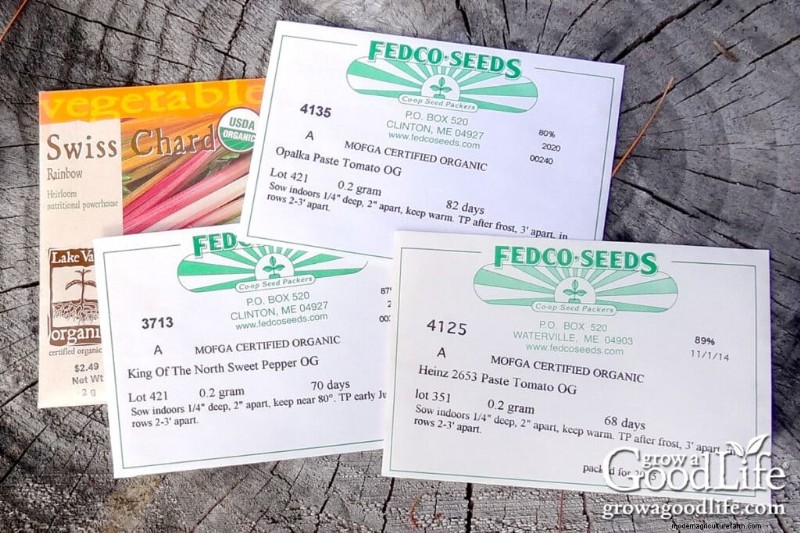
Organic seeds come from plants grown and produced under certified organic farming practices.
This means the parent plants were cultivated without the use of synthetic fertilizers, pesticides, or fungicides, and without the presence of genetically modified organisms (GMOs). The farms must meet strict standards verified by organizations such as the USDA (in the United States) or other regional certifying bodies.
It’s important to understand that “organic” describes how the seed crop was grown, not whether it is an heirloom or hybrid. You can find both heirloom and hybrid seeds that are certified organic.
Advantages of Organic Seeds
- Better Adaptation to Organic Gardens: Because they are bred and grown in organic systems, these seeds often perform well in gardens that avoid chemical fertilizers and sprays.
- Health and Sustainability: Purchasing organic supports environmentally friendly farming practices that build soil health and reduce chemical use.
- Seed Saving Friendly: If organic seeds are also open-pollinated or heirloom, you can save them year after year.
Disadvantages of Organic Seeds
- Higher Price: Organic seeds can be more expensive due to the certification process and the extra care required during production.
- Limited Availability: Not every variety is available in organic form, especially newer hybrids.
Examples of Organic Seeds:
- Organic Heirlooms: Brandywine tomato, Waltham Butternut squash, and Jimmy Nardello peppers are widely sold as certified organic seed.
- Organic Hybrids: Many seed companies now offer organic versions of hybrids, such as Defiant tomatoes (blight-resistant) and Tendergreen cucumbers (burpless and acid-free).
What Are GMO Seeds?
GMO stands for Genetically Modified Organism. Unlike hybrids, which are created through traditional plant breeding, GMO seeds are developed in laboratories using genetic engineering. Scientists insert specific genes into a plant’s DNA to give it traits like resistance to herbicides, pests, or drought.
GMO Seeds in Agriculture
GMO crops are primarily grown in large-scale, commercial agriculture, not in home gardens. Common genetically modified crops in the U.S. include:
- Corn (field corn for livestock feed, ethanol, and processed foods)
- Soybeans
- Canola
- Sugar beets
- Cotton
These are engineered to tolerate herbicides such as glyphosate (Roundup Ready) or to produce their own pest resistance (Bt corn).
Do Gardeners Need to Worry About GMOs?
For the home gardener, the answer is simple: You will not find GMO vegetable seeds in garden centers or seed catalogs. They are not sold to the general public.
Many seed companies label their offerings as “Non-GMO” to reassure customers. This labeling isn’t legally required, but it helps clear up confusion.
GMO vs. Hybrid: Clearing Up the Confusion
- GMO seeds are created through genetic engineering in a lab.
- Hybrid seeds are created through traditional cross-pollination.
- Heirloom and open-pollinated seeds are never GMO.
How to Choose the Right Types of Seeds for Your Garden
Choosing seeds isn’t about one being better than another. It’s about finding the right match for your goals:
- Do you want to save seeds year after year? Then stick with heirloom or other open-pollinated varieties.
- Want reliability and disease resistance? Hybrids can provide stronger crops, especially in challenging conditions.
- Care about sustainability? Look for certified organic seeds to support eco-friendly farming.
- Confused about GMOs? Don’t worry, currently they’re not available to backyard gardeners.
Most gardeners plant a mix of seed types, including heirlooms for their unique flavors and history, hybrids for yield and resistance, and organics to match their growing practices.
Additional FAQs About Seed Types
- Can you save seeds from hybrid plants? Yes, but they won’t be reliable. The offspring may be weak or very different from the hybrid parent.
- Are hybrid seeds sterile? No. Hybrid seeds will germinate, but the plants won’t grow “true to type.”
- What makes a seed heirloom? Generally, it’s a variety that has been open-pollinated and passed down for 50 years or more, often tied to a family or community story.
- Is organic the same as non-GMO? Yes. Certified organic seeds cannot be genetically modified.
Choosing the Right Seeds for You
I hope that I helped you understand the various seed types, and that this post clears up a lot of confusion, empowering you to make choices that fit your garden goals.
Whether you’re chasing unique heirloom flavors, looking for reliable hybrid yields, or supporting organic practices, there’s no one right way to pick seeds for your garden.
Want to take the next step? Begin exploring seed saving with something simple, like beans: How to Save Bean Seeds for Next Year’s Garden. You’ll not only enjoy your harvest today but also carry your garden’s story into the future.
You May Also Like:
- How to Store Seeds for Long-Term Viability
- Tips for Buying Seeds for Your Vegetable Garden
- Simple Seed Germination Test