Welcome to Modern Agriculture!

Are you looking for a way to improve the health and productivity of your home garden? Consider planting cover crops! Cover crops are a simple yet powerful tool for nourishing the soil, suppressing weeds, and slow erosion.
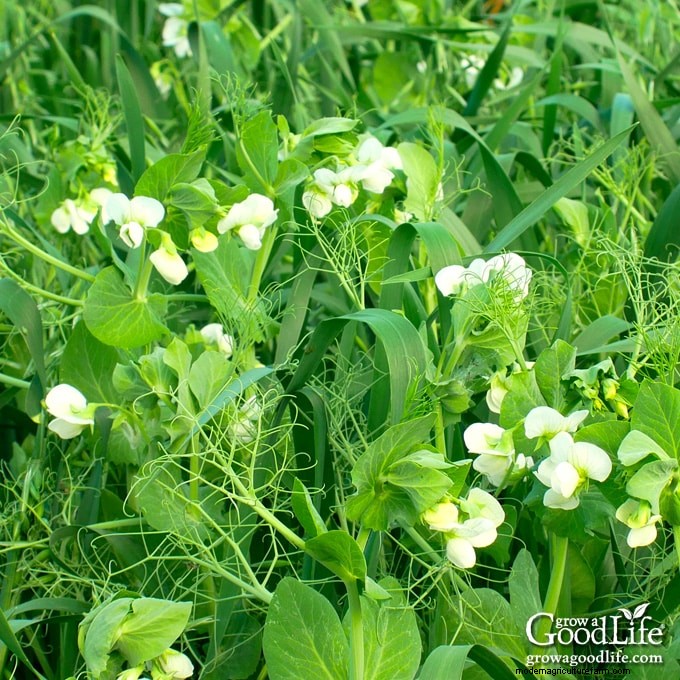 Field peas, oat grass, and vetch cover crop.
With so many different types of cover crops to choose from, it can be overwhelming to know where to start. That’s why we’ve put together this quick guide to help you become familiar with cover crops and how to choose one that is right for you.
Using cover crops in your backyard garden reduces your reliance on synthetic chemicals and methods for pest control, fertilization, and weed control. This can help create a healthier and more sustainable garden ecosystem for both you and the environment.
In this article, we’ll share our top tips for planting cover crops in home gardens so that you can reap the benefits of healthy soil and abundant harvests.
Cover crops are crops that are planted specifically to benefit the soil and the environment in the garden rather than for harvest. They are planted in addition to the crops you are growing to harvest. Common types of cover crops include grasses and grains, legumes, and brassicas.
Cover crops help protect the soil from erosion, maintain soil moisture, discourage weed growth, assist with pest management, add organic matter and mulch to the soil, and can even be used to break up hard, compacted soil. Cover crops can also help distribute nutrients throughout the soil, increase or decrease the amount of nitrogen, and attract precious pollinators.
The term “green manure” has been used interchangeably with the term “cover crop,” but it is actually a type of cover crop planted specifically for its soil-building properties. It is intended to be worked into the soil as a form of organic fertilizer.
Green manures are a fast-growing cover crop planted when your garden is fallow, turned over, and incorporated into the soil while it’s still green. As it decomposes, it adds nutrients and organic matter to your soil. Green manures are often planted in the fall or winter and worked into the garden soil in the spring before planting the next crop.
Green manures are used as a soil amendment to help improve the overall soil structure and nutrients. While growing, their dense roots will outgrow weeds and help aerate the soil. After they are cut and incorporated into the soil, they can increase the fertility and moisture retention of the soil.
Green manures are very beneficial to your home garden’s soil. They will help amend the soil, add nitrogen and other nutrients, add organic matter, aid in water retention, and help deter weeds and protect the soil from erosion.
There are many types of cover crops to choose from that can help the soil in different ways. Using a cover crop or green manure in your home garden can be beneficial in many ways. But first, decide what you want most from a cover crop. Some common goals for cover crops are to:
Cover crops can help aid in soil erosion control in your home garden by holding soil in place with their roots, reducing the impact of rain and wind on the soil surface. It will also help the soil retain moisture when it’s hot and dry. This is especially important on sloping sites or areas with bare ground that are prone to erosion. Once the crop is terminated, it can be worked into the soil, adding organic matter, which further helps slow erosion.
Cover crops or green manures can be planted to help add organic matter to the soil, which is important for maintaining healthy soil structure and fertility. Organic matter helps to improve soil texture, increase water-holding capacity, and support the growth of beneficial microorganisms.
Additionally, organic matter will break down over time, adding nutrients and improving the health and fertility of the soil.
Many types of cover crops aid in weed control by outcompeting weeds for light, water, and nutrients. Additionally, the green foliage can be used as mulch when the crop is terminated, deterring weed growth in the area.
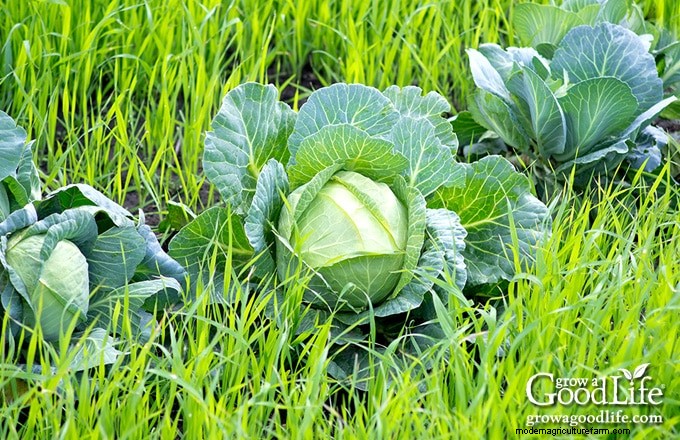 Fall cabbage plants companion planted with oat grass to help suppress weeds.
Cover crops can add essential nutrients to the soil. For example, legumes like clover and beans can absorb nitrogen from the atmosphere and deposit it in a plant-usable form in the soil, making it very nitrogen-rich for the next crop.
The foliage can also be worked into the soil after it is terminated, where it will decompose and add nutrients and biomass to the ground. The organic matter in the soil will also help draw worms and other helpful insects into the soil.
Cover crops can also provide habitat and food for beneficial insects, such as ladybugs, lacewings, and parasitic wasps, that will help control pests in your garden. These insects prey on pests like aphids, thrips, and spider mites.
Cover crops can support the growth of beneficial microorganisms, such as mycorrhizal fungi and nitrogen-fixing bacteria, which can improve soil health and plant growth.
Cover crops with deep root systems, such as radishes and daikon, can help to break up compacted soil and improve soil organic matter and structure. This can allow for better drainage, aeration, and deeper root growth for other plants.
Some cover crops can be left in place as a natural mulch, which can help conserve soil moisture and suppress weed growth. This can be especially beneficial in hot, dry climates or during periods of drought.
To keep your home garden’s soil healthy and fertile, choosing the right type of cover crop can be hard when you don’t know where to start. Here are some tips to help you get started with choosing the right cover crop for your home garden:
By understanding the different goals of cover cropping, you can choose the right cover crop or combination of cover crops to meet your specific needs and improve the health and productivity of your garden.
Now that you’re familiar with the benefits of cover crops and green manures in your backyard vegetable garden, it’s important to understand the different types available and their specific advantages.
It’s worth noting that there isn’t a one-size-fits-all solution when it comes to cover crops, as each type provides unique benefits that can improve the health of your soil and plants in different ways.
Cover crops are generally divided into three categories: legumes, grasses and grains, and brassicas. Let’s take a closer look at the different types of cover crops and what they have to offer:
Legumes are part of the Fabaceae family, which includes various vegetables, herbs, and trees. Legumes can add generous amounts of nitrogen back into the soil, making them great for use as a cover crop before planting heavily feeding plants.
A great benefit of planting legumes as a cover crop in fall is protecting the soil over the winter months to help prevent erosion and suppress weeds. Some legume crops will survive winter and start growing again in early spring until they are terminated. While others are winter-killed, meaning they will die from cold temperatures and leave a good amount of green foliage behind to help prevent winter soil erosion.
The decomposing foliage can be worked into the soil in early spring, adding nutrients and improving soil drainage, making fall-planted legumes a great way to amend your soil before planting your spring garden.
Common types of legumes that are planted as cover crops:
Legume cover crops are an excellent choice for improving soil fertility. They have the ability to add nitrogen to the soil through a process called nitrogen fixation, which involves converting atmospheric nitrogen into a form that plants can use. The plants also help to prevent erosion and suppress weeds. The best time to plant legume cover crops varies depending on the specific crop.
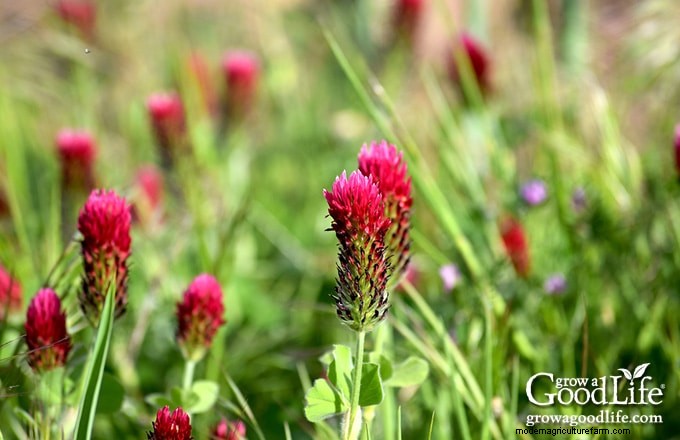 Crimson clover cover crop with red blossoms.
Grasses and grains are cover crops or green manures that have dense root systems that help suppress weed growth and aid in soil erosion control. They can also absorb nitrogen from soil that has excess amounts of it.
Grasses and grains are mainly grown for erosion control, soil nutrient control, and weed control and can are worked into the soil once terminated.
Types of cover crop grasses and grains include:
Grass and grain cover crops add organic matter to the soil, improve soil structure, and prevent erosion. They can also help to suppress weeds and attract beneficial insects to the garden. The best time to plant grass and grain cover crops varies depending on the specific crop, but they are typically grown in the fall or early spring.
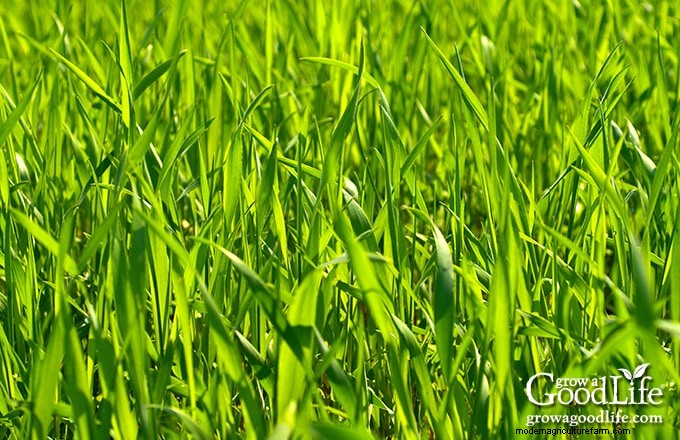 Ryegrass Cover Crop
When people think of cover crops, they usually don’t think of brassicas as being one of them. However, besides improving soil health, suppressing weeds, preventing erosion, and cycling nutrients, some brassica cover crops repel or deter pests such as aphids, flea beetles, and cabbage worms.
When the crop decomposes, it releases a chemical compound that helps eliminate soil-borne pathogens and pests, such as fungi, nematodes, and even some weeds.
Common types of brassicas that are used as cover crops include:
The best time to grow these brassica cover crops will depend on your climate and the specific conditions in your garden. For example, arugula and mustard are best grown in the fall or early spring, while forage radish is best grown in the fall. Kale can be planted in the fall or early spring, depending on your climate.
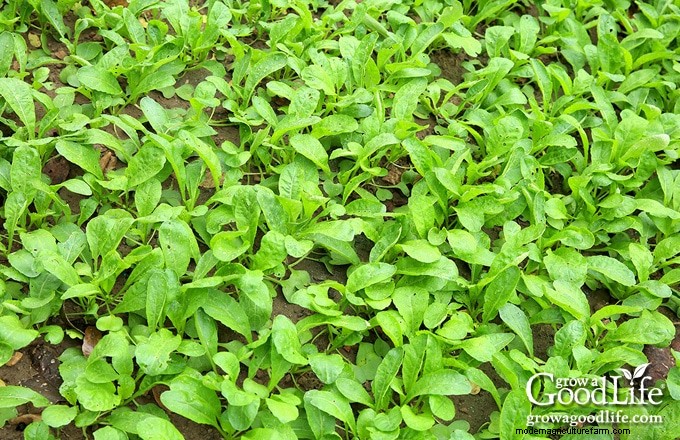 Radishes growing as a cover crop in the garden.
Cover crops should be planted at the appropriate time for your region and climate. For example, cool-season cover crops like winter rye and clover are typically planted in the late summer through fall, while warm-season cover crops like buckwheat are planted in late spring for summer growth.
I tend to plant most of my cover crops at the end of the growing season. First, I harvest a main crop, such as garlic, onions, or carrots, then I succession plant cover crops in the same garden space, let it overwinter, and then turn it into the soil in spring.
Here are the basic steps for planting cover crops in a home garden:
By following these basic steps, you can successfully plant cover crops in your home garden and reap the benefits of improved soil health, weed suppression, and pest control.
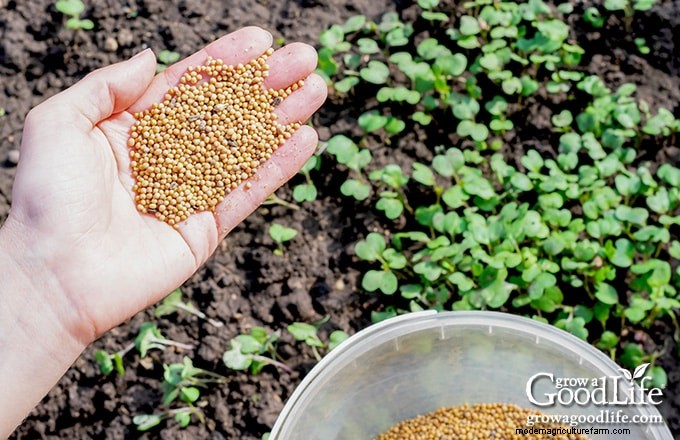
Cover crops should be terminated before they start to flower or set seed to avoid them becoming a weed problem themselves. You also want to make sure to terminate the cover crop a few weeks before you plan to plant your next crop, as it can take some time to break down and release its nutrients into the soil.
There are several ways to terminate cover crops in a small backyard garden. Here are a few options:
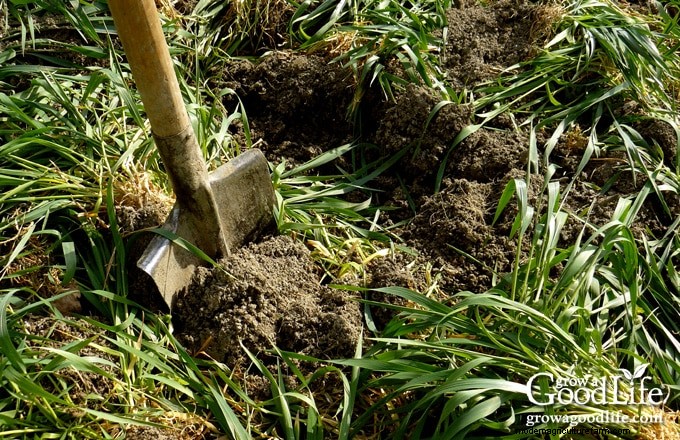 Turning over a cover crop in the garden.
There is no right or wrong way to plant cover crops, so choose one that meets your needs, experiment with different planting times, and keep detailed notes in your gardening journal so you can narrow down what works best in your garden.
Be sure to record the type of crops you planted, seed sources, planting times, weather, termination dates, garden bed conditions before and after, and general observations and experiences with each crop.
Some examples of things I have learned along the way:
Cover crops, green manures, compost, and mulch are terms frequently used when discussing ways to build and nourish your soil when growing food organically. Together, these techniques can help create a healthy and fertile environment for your backyard vegetable garden.
Cover crops and green manures can add organic matter and nutrients to the soil, while compost can provide a rich source of nutrients for your plants. Mulch can help retain moisture and regulate soil temperature while suppressing weed growth.
By using these techniques in combination with one another, you can create a thriving garden ecosystem that promotes healthy plant growth and minimizes the need for synthetic fertilizers and pesticides. Learn more ways to build healthy garden soil: 7 Simple Techniques to Improve Garden Soil.
—
Incorporating cover crops into your backyard vegetable garden can have numerous benefits. Cover crops offer home gardeners an affordable and sustainable solution, from improving soil health to reducing weed growth. I hope by following the tips outlined in this article, you can successfully introduce cover crops into your garden. So don’t hesitate, take the leap and start experimenting with cover crops in your backyard. With a little effort and patience, you’ll soon reap the rewards of healthier soil and thriving plants.