
Welcome to Modern Agriculture!


This guide covers everything you need to know about cucumber companion plants, including which plants to use, which ones to avoid, and how to give your plants the best chance of producing a good cucumber crop.
If you grow your own cucumbers – or are planning to start doing so – you will naturally want to maximise your cucumber harvest. Whether you have lots of space to grow vegetables, or are limited to growing in pots, it makes sense to do everything you can to keep your plants happy and productive.
This is where companion planting can make all the difference.
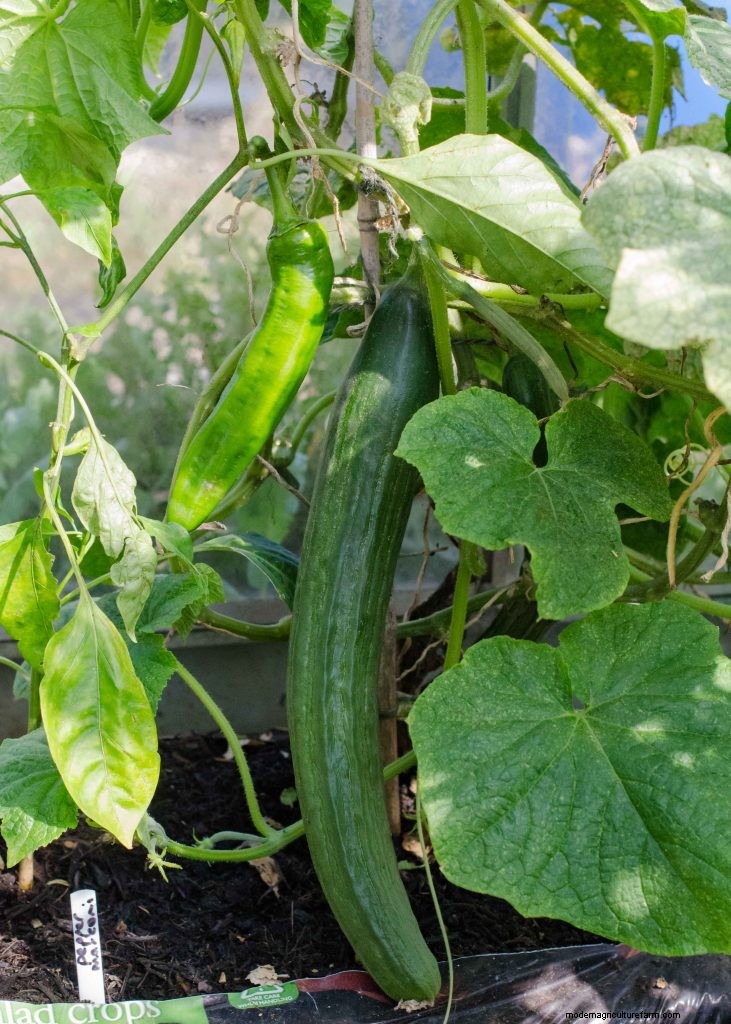
Companion planting, or companion gardening, is all about growing different varieties of plants alongside each other to provide a symbiotic relationship that delivers mutual benefit. Some combinations of plants can work together to keep each other healthy. This works for ornamental plants such as lavender and edible fruit and vegetable plants.
The benefits that the right companion plants can offer each other include:
As well as helping your plants to thrive, companion planting vegetables is a very natural way to keep your garden healthy. It can reduce or even eliminate the need for chemical products, so it’s ideal for organic gardening and sustainable gardening. And of course, companion planting is also pretty low-effort, because it reduces the amount of maintenance your plants need.
The list of plants that are suitable for companion plantings is pretty long. The focus is usually on fruit and vegetable garden plants, but the concept is just as relevant for other plants too.
In this post we’re going to concentrate on cucumber companion plants.
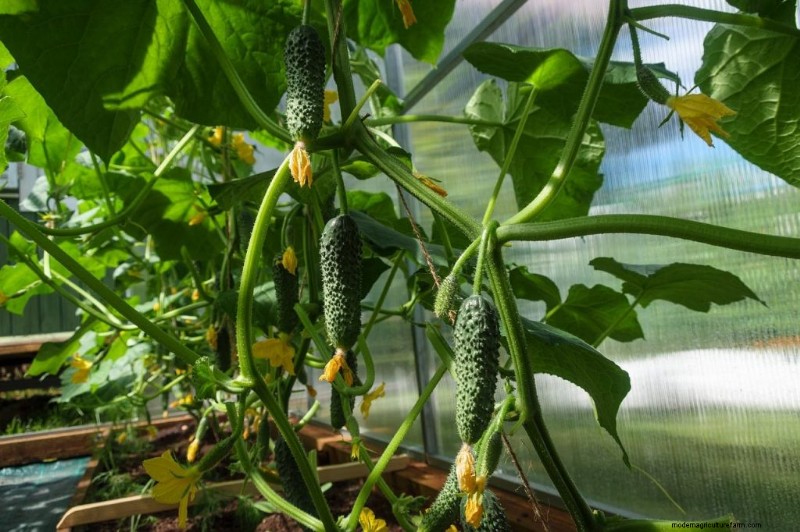
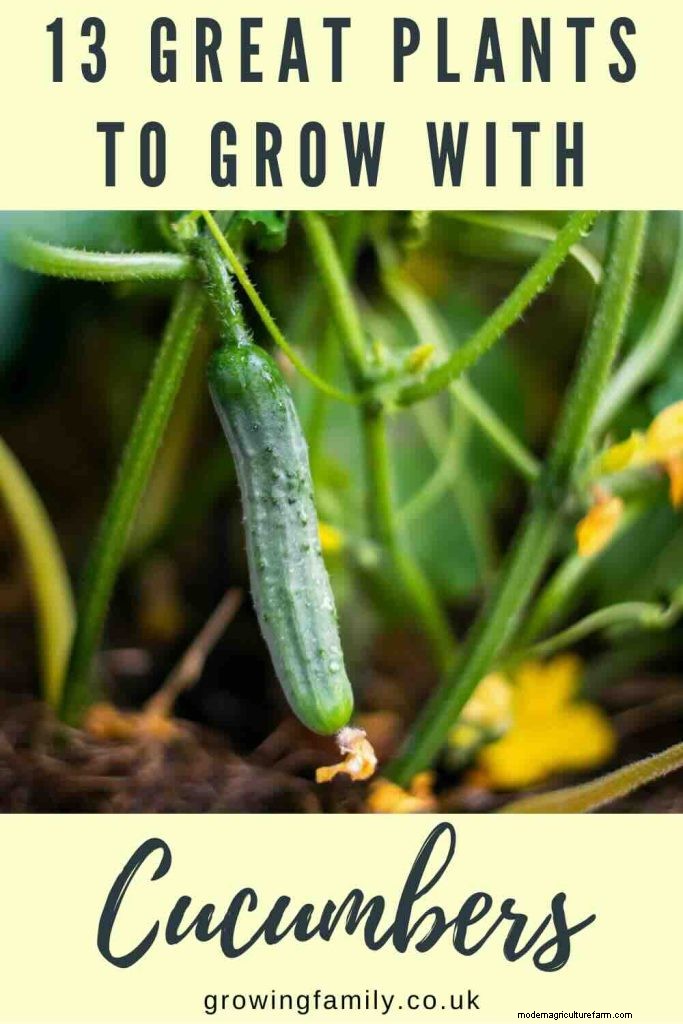
Cucumbers (scientific name Cucumis sativus) are an easy crop to grow, which makes them ideal for beginner gardeners. You can grow them in a greenhouse, or choose an outdoor variety such as *Bush Champion or *Marketmore.
Another key bonus of growing your own cucumbers is that they taste fantastic! Harvesting them regularly encourages the plant to produce more cucumbers, so you can enjoy a bumper crop from just one plant.
Cucumbers are usually grown as a climbing plant, so they don’t take up much space. You do need to provide the plants with support as they grow, this could be simple *garden canes or an *obelisk.
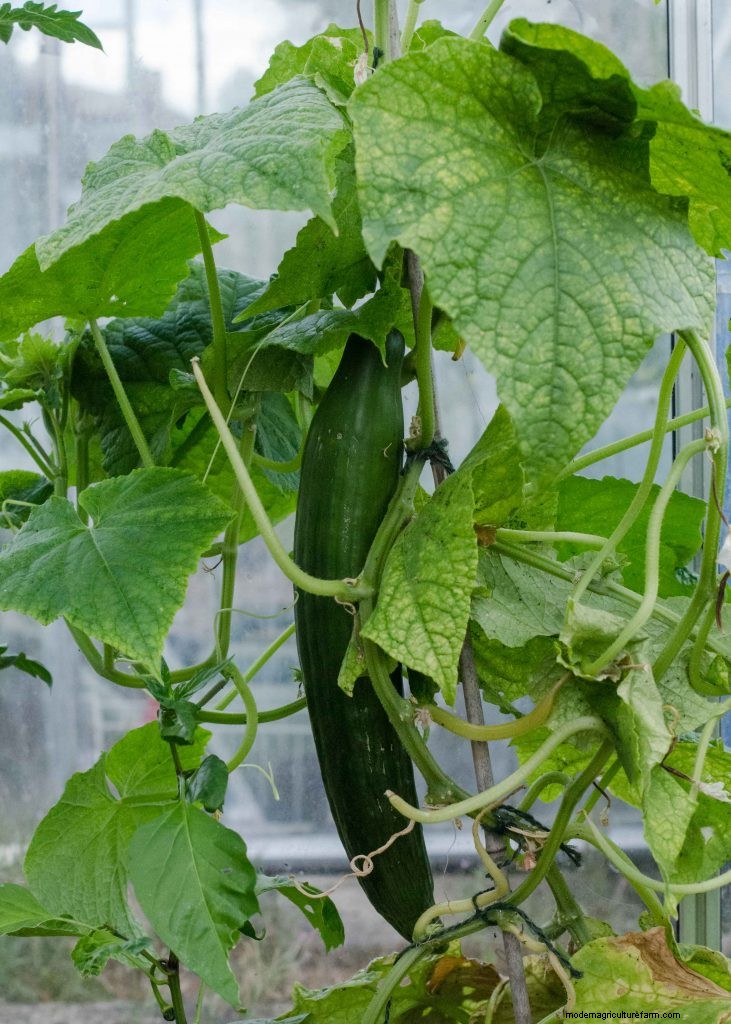
Ready to give your plants some helpful friends, but not sure what grows well with cucumbers? Here’s a guide to the best companion plants for cucumbers.
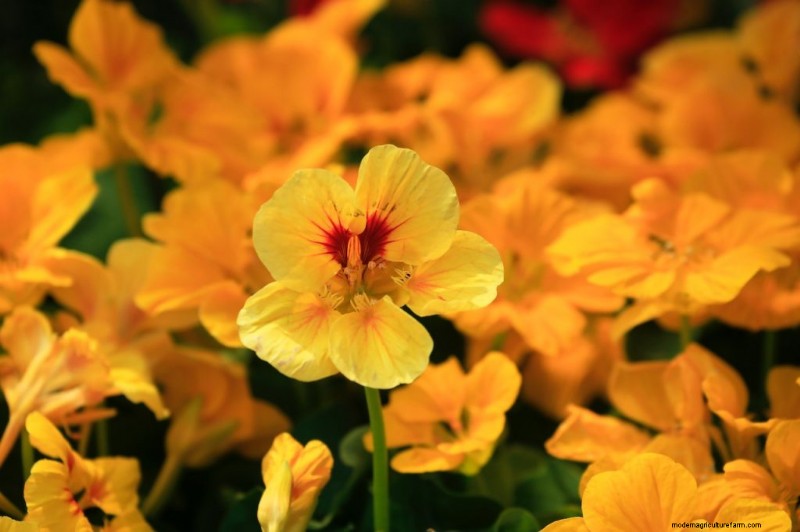
Nasturtium flowers attract aphids, which means they can help to keep these pests off your healthy cucumber plants. They work as a great companion plant for other vegetable crops too. As an added bonus, the vibrant flowers are lovely, and also edible.
To get the benefits of companion planting cucumbers with *nasturtiums, plant them close to your cucumber plants.
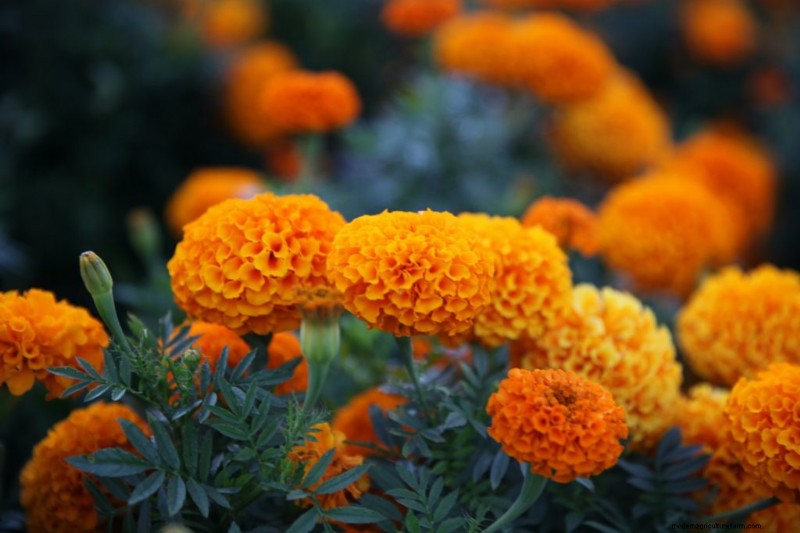
When it comes to plant companions for vegetables, French marigolds are often close to the top of the list and are used alongside many edible crops. Marigolds repel aphids and lots of other pests.
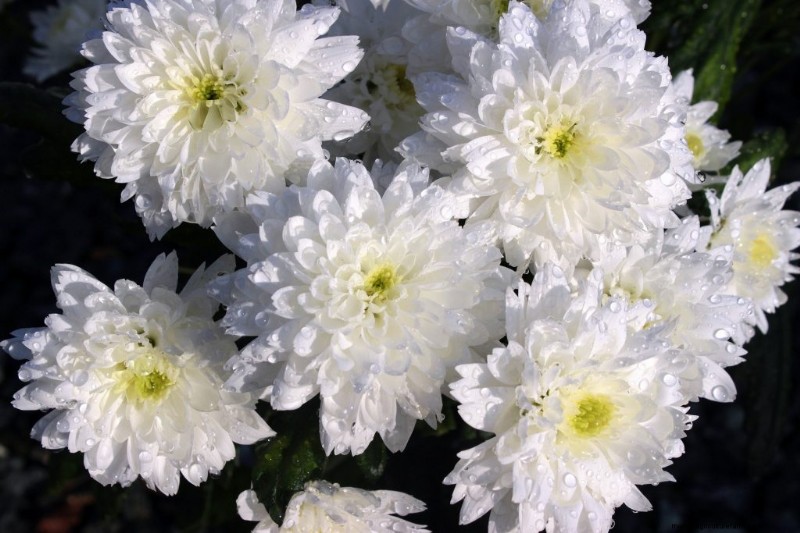
Chrysanthemums repel a range of pests, including cucumber beetles. As well as being good plant companions for cucumbers, their impressive blooms will fill your garden beds with colour.
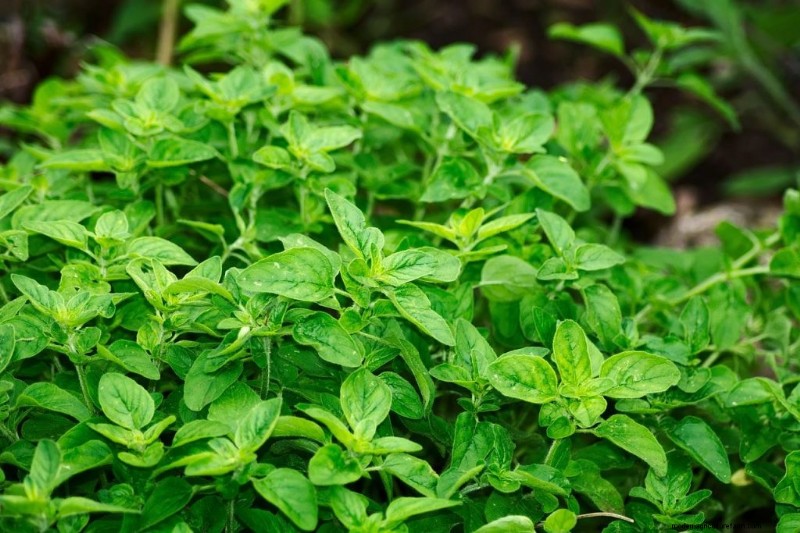
Oregano is another excellent companion plant for repelling pests. Planting cucumbers alongside *oregano will help to attract beneficial predatory insects that will eat the pests.
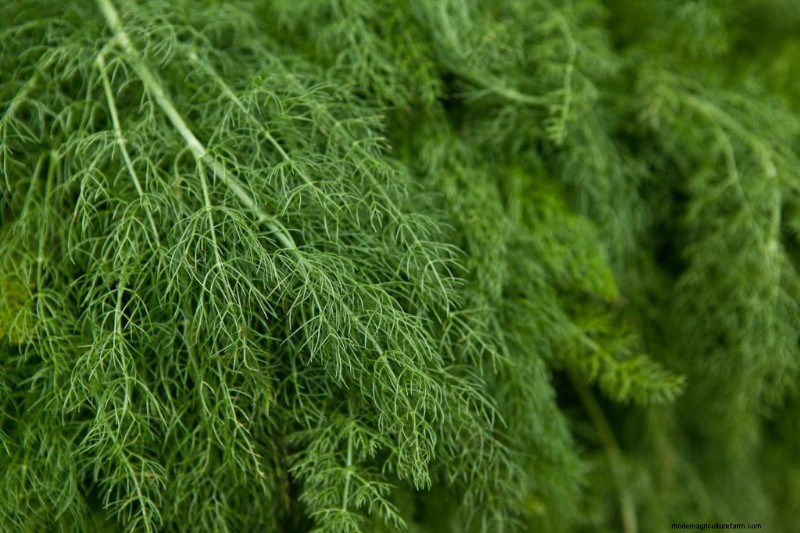
*Dill is an aromatic herb that will attract beneficial pollinators. Grow it near your cucumber patch and you will increase the chances of pollination, which in turn can produce a bigger crop.
It’s also thought that growing dill plants alongside cucumbers can improve their flavour.
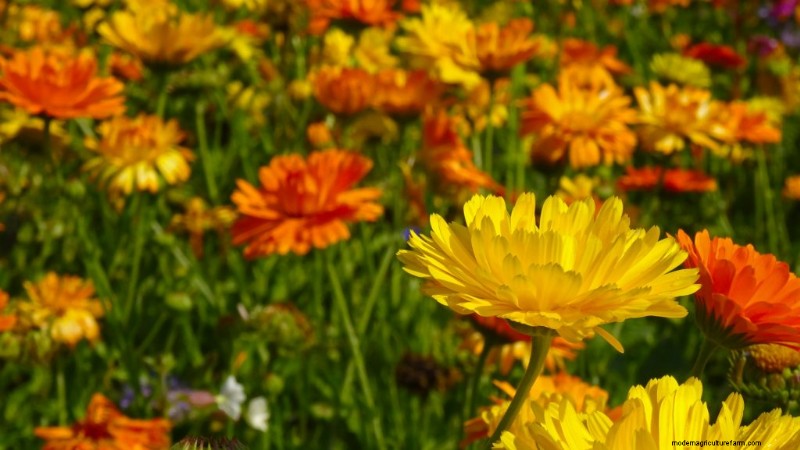
*Calendula will attract a wide range of pollinating insects. These plants prefer partial shade, so they’ll be happy growing near the base of cucumber vines.
This flowering herb will also attract beneficial insects that prey on pests, helping to keep them under control.
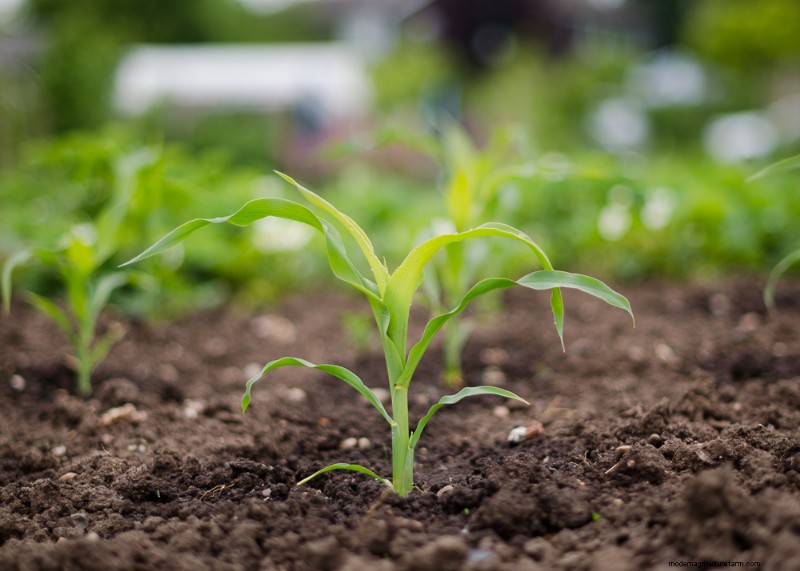
Sweetcorn stalks make perfect supports for cucumber plants. If you’re tight on space, you can grow two crops in the same amount of soil. Go for a variety that produces smaller varieties of cucumbers (such as Lebanese cucumbers) to ensure the natural trellis provided by the corn stalks can cope with the weight.
Sweetcorn plants also boost soil nitrogen levels, which is beneficial to your cucumber plants.
When you grow cucumbers alongside sweetcorn, they will help to keep weeds down and retain soil moisture at the base of the stalk, so your sweetcorn will benefit too.

Similar to sweetcorn, sunflowers make great supports for cucumber plants and can help you save on space. Again, go for a smaller variety to make sure the stalks aren’t overwhelmed.
This is another companion plantings combo that helps you maximise the use of space in the garden.
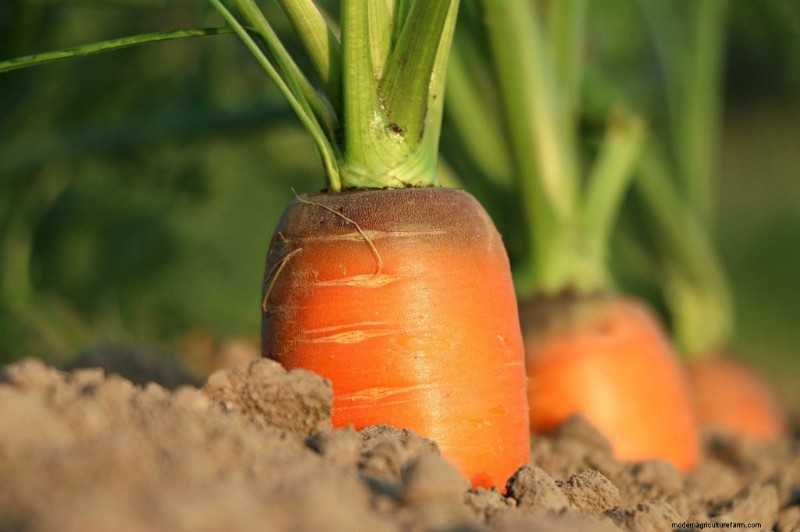
Root vegetables (such as carrots, parsnips, beetroot and onions) work well with cucumber plants because their root systems don’t interfere with each other. Cucumber plants have one large taproot and the rest of their roots stay small and shallow, so root crops can easily grow alongside them.
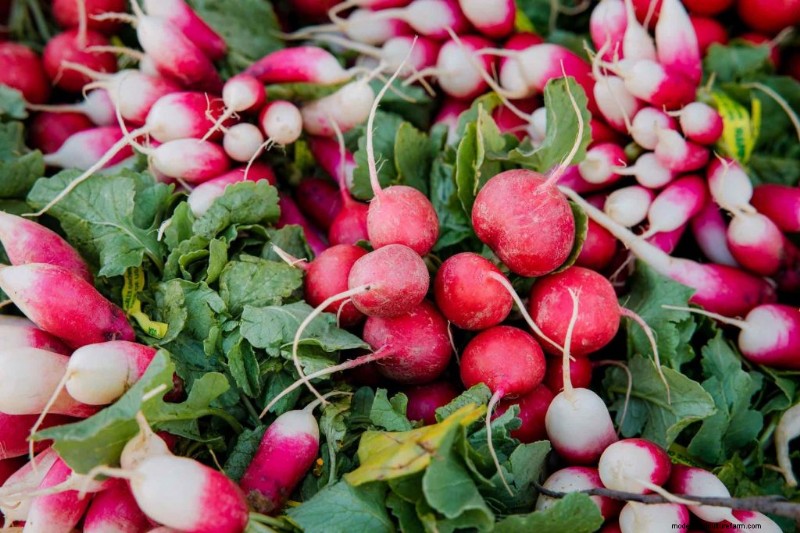
*Radishes are a root vegetable, so they will provide the same benefits in terms of not competing with cucumber roots. But they can also help to deter cucumber beetles, which are one of the main insect pests for this crop.
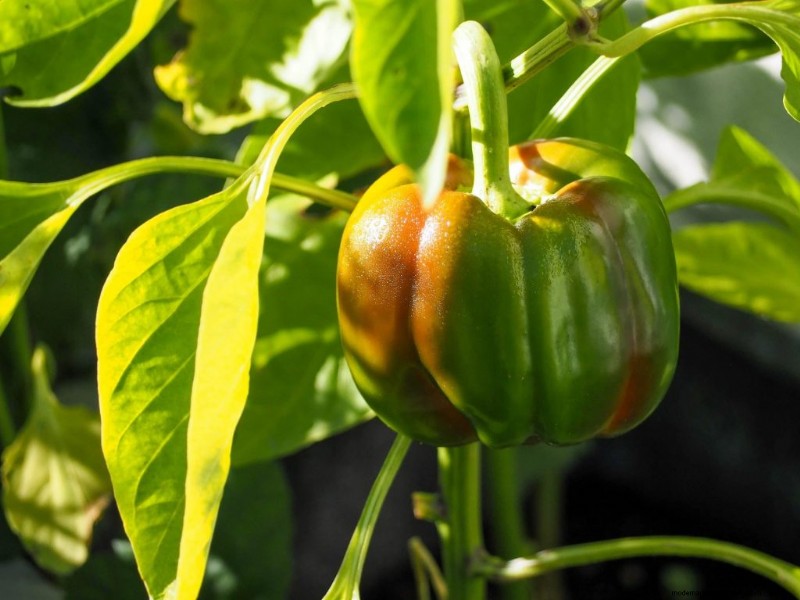
If you’re growing your cucumbers in a greenhouse, you can make the most use of your space by planting them between your pepper plants. As cucumber plants grow upwards and take up little room at their base, they won’t interfere with your pepper plants.
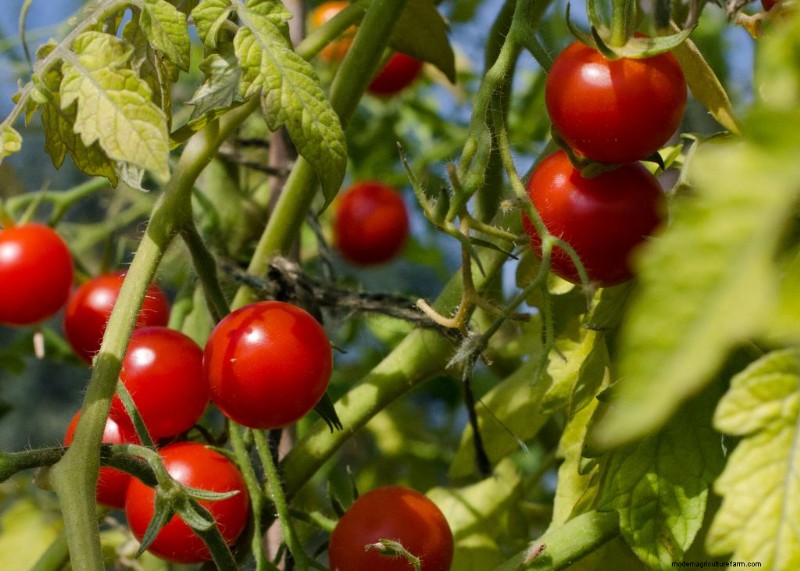
Another good greenhouse companion is tomato plants. While the two plants don’t really provide any benefits to each other, they enjoy similar growing conditions and certainly won’t upset their neighbour.
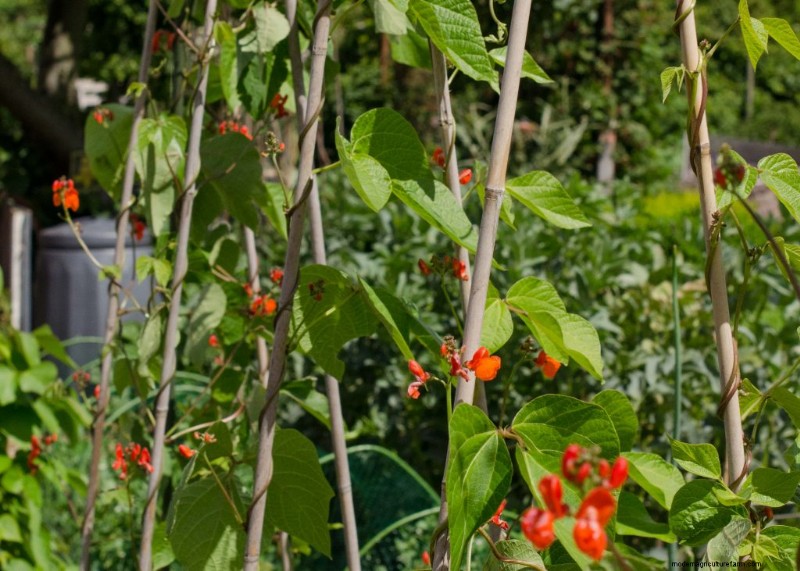
Legumes fix nitrogen to the soil, which is needed by all plants for growth. Peas, mange tout, sugar snaps, green beans (also known as bush beans) and runner beans (also known as pole beans) are all great companion plants for cucumbers.
There are some plants that you should definitely avoid when looking at cucumber plant companions.
All of the following are bad companion plants for cucumbers and should be grown in a different location.
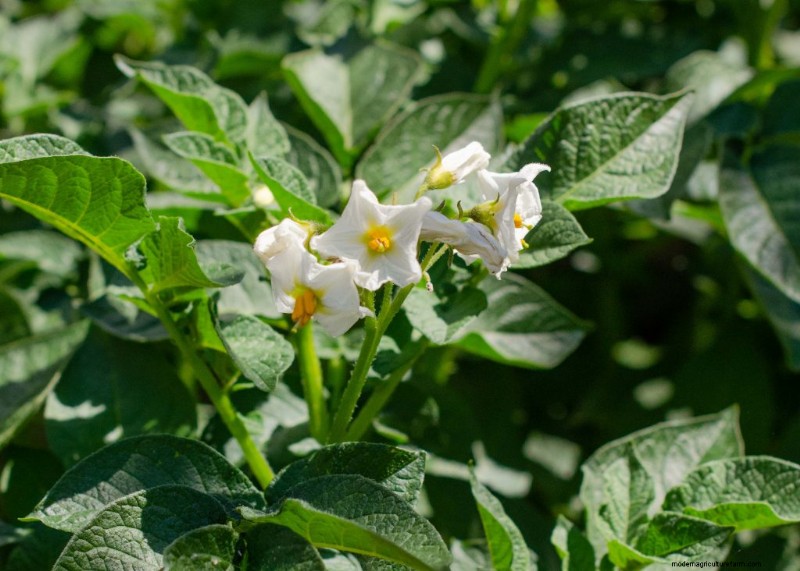
Potatoes and heavy feeders and will compete with cucumbers for water and soil nutrients, causing both plants to struggle. Cucumber plants can also increase the risk of potato blight affecting your crop.
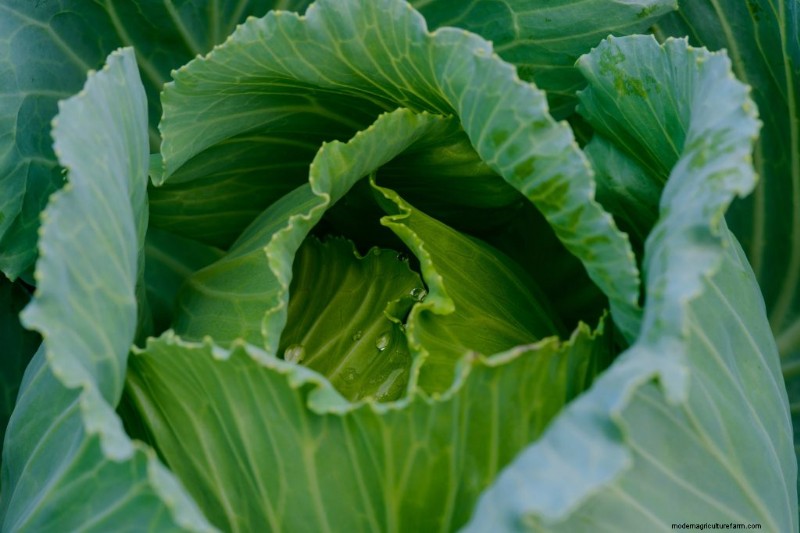
As with potatoes, brassicas such as cabbage, kale, cauliflower and brussels sprouts will compete with cucumber plants for water. The result is poor growth for all plants.
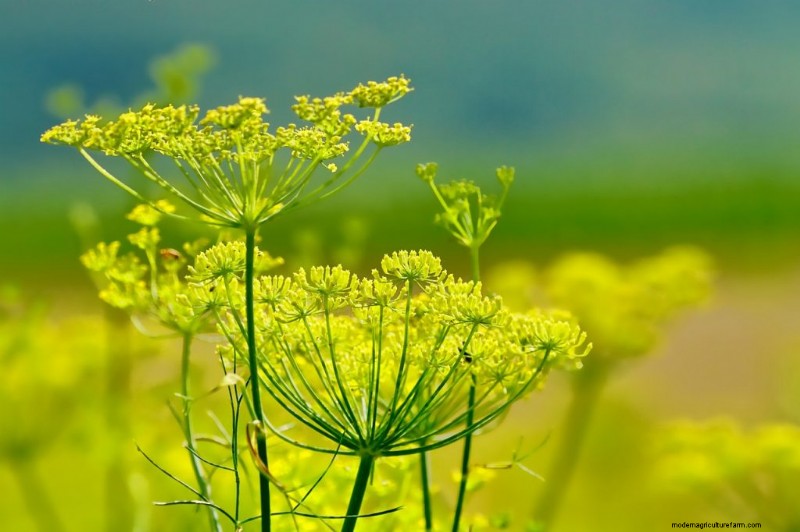
Fennel isn’t the friendliest of neighbours for most plants. It can limit growth, and can even kill other plants.
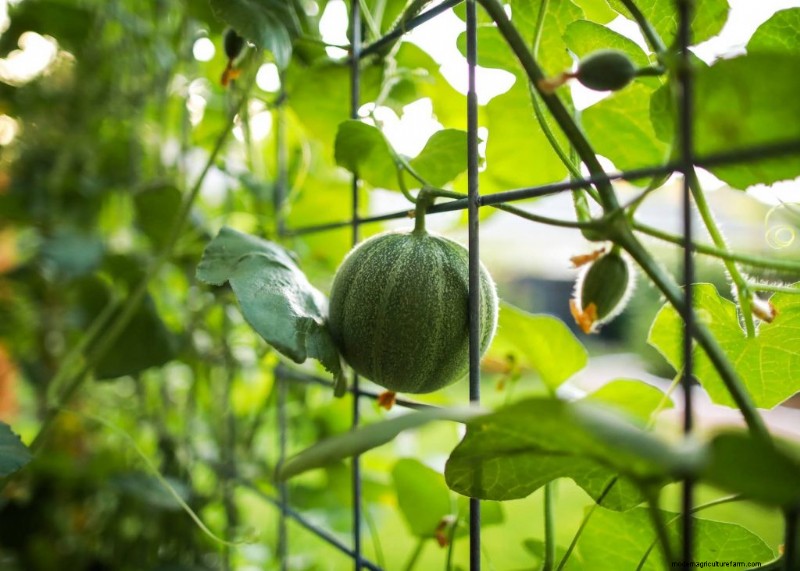
Melon plants are susceptible to lots of the same pests as cucumbers. Growing them together basically provides a lovely attractive target for those unwanted pests, resulting in a problematic infestation.
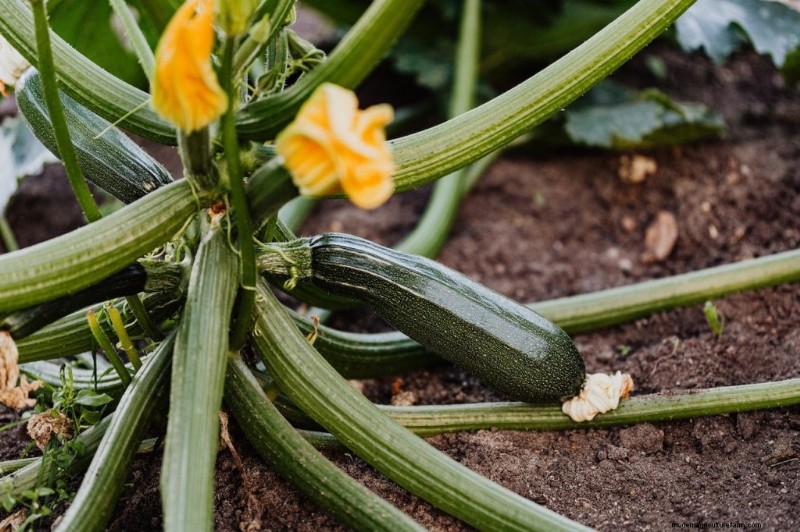
Like melons, courgettes (or zucchini) and squashes belong to the same plant family (circubit) as cucumbers. This means they are vulnerable to the same diseases and pests. Keep them away from each other to limit the risk.
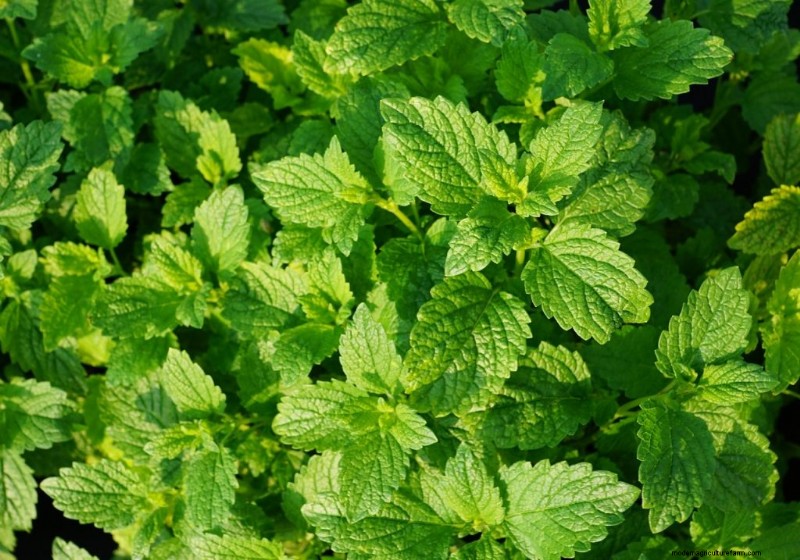
Mint is an aggressive plant that will quickly take over a patch of soil if you let it. As such, it can limit the amount of space and nutrients available to cucumbers.
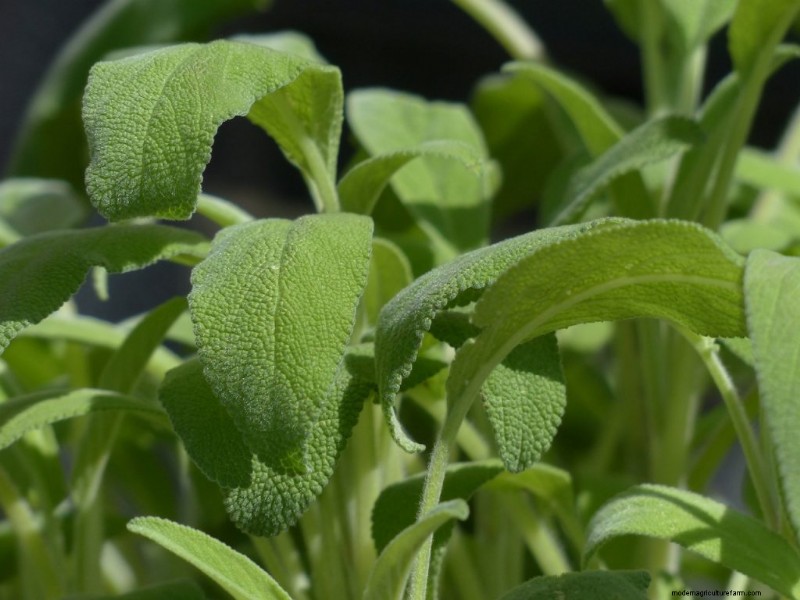
Sage plants are also aromatic herbs that should be kept away from cucumber plants, because it can inhibit growth.
Getting the companion planting right is one great way to keep your cucumber plants happy. Here are some other tips to give them the best chance of thriving.
Hopefully you’ve found this guide to cucumber companion planting useful, and are ready to give your plants the best start. Have you got any tried and tested cucumber companion planting tips to add to this list?

We’ve got lots of other grow your own resources to help you get the most out of your edible garden.
If you’re new to growing your own, these 10 easy to grow vegetables will get you started.
Our list of easy vegetables to grow in pots is perfect if you’re limited on space. You might like our guide to growing potatoes in bags and pots too.
If windowsill grow your own is your thing, check out our guides to growing a windowsill herb garden and growing microgreens.
There’s also a bumper list of 55 easy grow your own tips to explore.
And finally, the what to plant now series has lists of edible crops to get started for every month of the year.
🌻 Click here to buy me a virtual coffee.
🌻 Click here to sign up to my newsletters and get regular updates straight to your inbox.
🌻 Follow me on social media: Instagram | Facebook | Twitter
🌻 Share this post with your friends via the buttons below.

Catherine
Catherine is a gardener, plant lover, writer, and award winning author of children’s nature books. Her blog is a Vuelio Top 5 gardening blog and her work has been featured in many online and print publications including Grow Your Own Magazine, House Beautiful, Daily Mail, Tesco Magazine, Suttons, Thompson & Morgan, and many more. She is also a member of the Garden Media Guild.


